Ambient Temperature Sensors: Small Parts, Big Impact
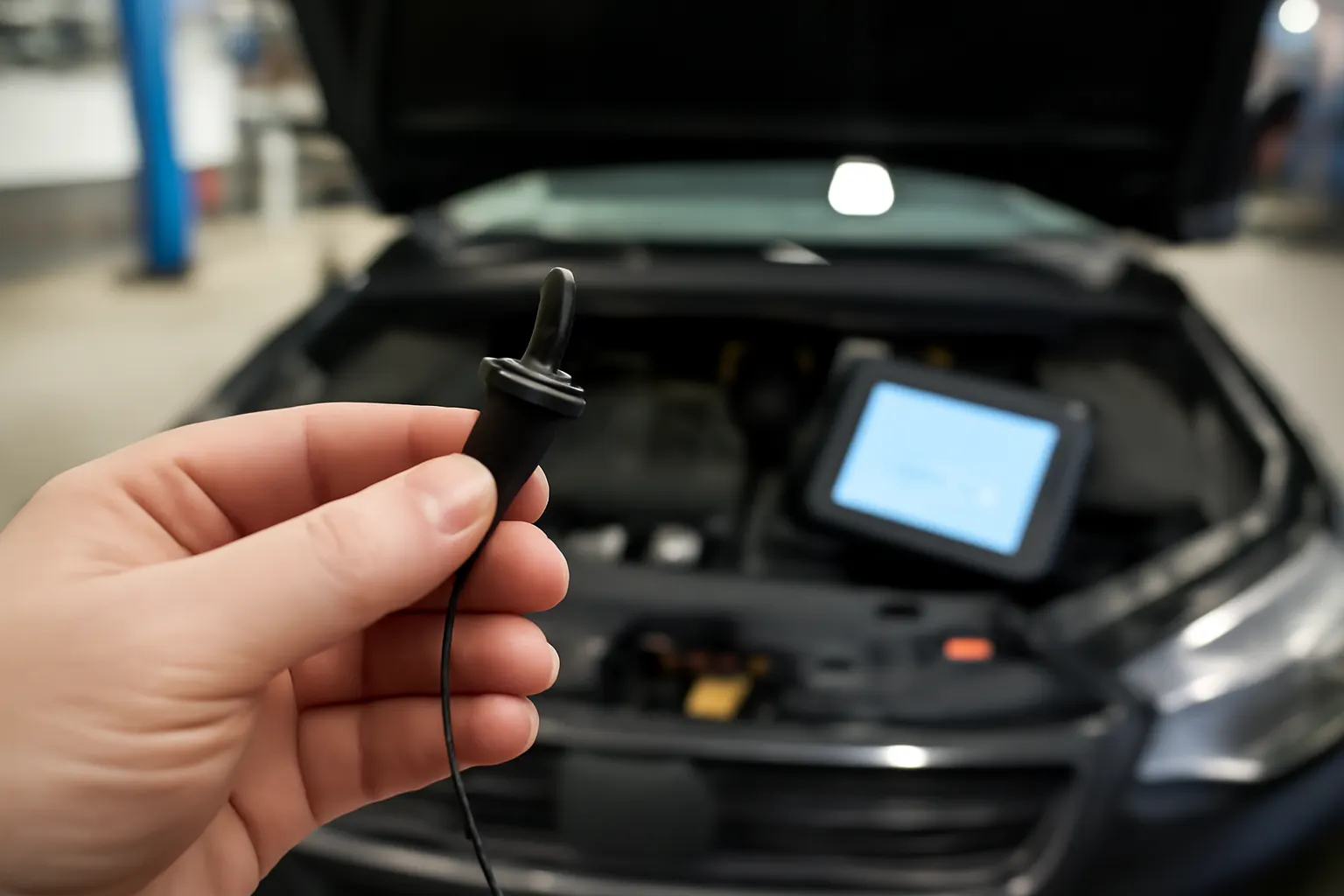
Ambient temperature sensors are among the smallest electronic components in modern vehicles, yet their influence stretches across critical systems—from climate control to engine management and even safety features. If you’ve ever wondered why your car’s air conditioning seems “smart,” or how your engine adapts to changing weather, it’s this unassuming sensor at work. This guide demystifies ambient temperature sensors, details their vital roles, and provides actionable advice for diagnostics, replacement, and sourcing the right parts for your vehicle.
For a comprehensive overview of all body and miscellaneous sensors in your vehicle, see our Sensor (Body, Misc): Comprehensive Guide, Diagnostics, and OEM Parts page.
The Immediate Answer: Why Ambient Temperature Sensors Matter
Ambient temperature sensors continuously monitor the outside air temperature and relay this data to various vehicle control modules. Their primary function is to inform the climate control system, ensuring accurate cabin temperature regulation. However, their impact goes much further: these sensors also feed data to engine management systems, affecting fuel efficiency, emissions, and even advanced driver assistance features.
A malfunctioning ambient temperature sensor can result in unreliable climate control, poor engine performance, increased fuel consumption, and incorrect operation of other temperature-dependent systems. Recognizing the value and vulnerability of this tiny part is the first step toward maintaining vehicle comfort, efficiency, and safety.
The Hidden Problem: When Small Sensors Cause Big Issues
Because ambient temperature sensors are small, inexpensive, and located externally (often behind the front grille or bumper), they’re exposed to harsh conditions. Physical damage, corrosion, and wiring faults are common. When these sensors provide inaccurate readings or fail entirely, the resulting issues are often misdiagnosed as more complex or expensive system failures.
Drivers and technicians may overlook the sensor as a root cause, chasing climate control glitches or engine performance problems without realizing a simple sensor is to blame. This “hidden problem” can lead to unnecessary part replacements, wasted labor, and persistent vehicle issues.
Expanding the Problem: Systemic Impact Across Vehicle Functions
1. Climate Control Malfunctions
Modern HVAC (heating, ventilation, and air conditioning) systems rely heavily on ambient temperature data. If the sensor reads too high or too low, the climate control may overcompensate—blasting cold air on a chilly day or failing to cool on a hot one. Automatic systems, in particular, become unreliable, impacting passenger comfort.
2. Engine Management and Fuel Efficiency
Engine control units (ECUs) use ambient temperature data to optimize air-fuel mixture, ignition timing, and emission controls. Incorrect readings can cause the ECU to run richer or leaner than necessary, increasing fuel consumption and emissions. According to the United States Department of Energy, even minor inefficiencies in engine management can add up to significant losses in fuel economy over time.
3. Safety and Driver Assistance Features
Some vehicles use ambient temperature information to trigger safety warnings (such as icy road alerts) or adjust driver assistance system sensitivity. Faulty readings can prevent timely warnings or cause false alerts, potentially compromising safety.
4. Diagnostic Challenges
Because ambient temperature sensors are so integrated, a fault can manifest as a range of symptoms: erratic climate control, poor drivability, failed emissions tests, or dashboard warning lights. Without a methodical diagnostic approach, these symptoms may be misattributed to unrelated components.
How Ambient Temperature Sensors Work: Technical Deep Dive
Ambient temperature sensors are typically negative temperature coefficient (NTC) thermistors. Their electrical resistance decreases as temperature rises. The sensor is connected to the vehicle’s control module, which sends a reference voltage through the sensor; the resulting voltage drop is measured and converted into a temperature reading.
Key technical characteristics:
- Sensor Type: Most commonly NTC thermistors, but some vehicles use positive temperature coefficient (PTC) types or digital sensors.
- Location: Usually mounted behind the front grille, bumper, or in a side mirror—areas exposed to outside air but shielded from direct engine heat.
- Signal Output: Analog voltage or digital signal, depending on vehicle design.
- Integration: Linked to HVAC, ECU, and sometimes body control modules (BCMs).
This simplicity is both a strength and a weakness: while robust and inexpensive, the sensor’s exposed location makes it prone to environmental damage.
Common Signs of Ambient Temperature Sensor Failure
Recognizing the symptoms of a failing ambient temperature sensor is crucial for quick, cost-effective repairs. Watch for these telltale signs:
- Inaccurate Outside Temperature Display: The dashboard shows implausible outside temperatures (e.g., -40°F or 140°F).
- Erratic Climate Control Performance: The HVAC system fails to maintain the set temperature, or blows hot/cold air unexpectedly.
- Check Engine Light or HVAC Warning: Some vehicles will log a diagnostic trouble code (DTC) for sensor faults.
- Reduced Fuel Efficiency: Subtle but measurable drop in miles per gallon, especially during seasonal changes.
- Driver Assistance Alerts Malfunction: Icy road warnings or related alerts behave unexpectedly.
If you observe one or more of these symptoms, the ambient sensor should be a prime suspect.
Diagnostic Checklist: Is Your Ambient Temperature Sensor to Blame?
Before replacing expensive HVAC or engine components, use this step-by-step diagnostic checklist to isolate sensor issues:
Ambient Temperature Sensor Diagnostic Checklist
-
Visual Inspection
- Check sensor location for physical damage, corrosion, or debris.
- Inspect wiring harness for fraying, broken connectors, or water intrusion.
-
Compare Displayed Temperature to Actual
- Use a reliable thermometer to measure outside air temperature near the sensor.
- Compare this reading to the vehicle’s display; a difference of more than 3–5°F may indicate a fault.
-
Scan for Diagnostic Trouble Codes (DTCs)
- Connect an OBD-II scanner and check for codes related to the HVAC, ECU, or BCM.
- Common codes: B1224, P0070, or manufacturer-specific codes.
-
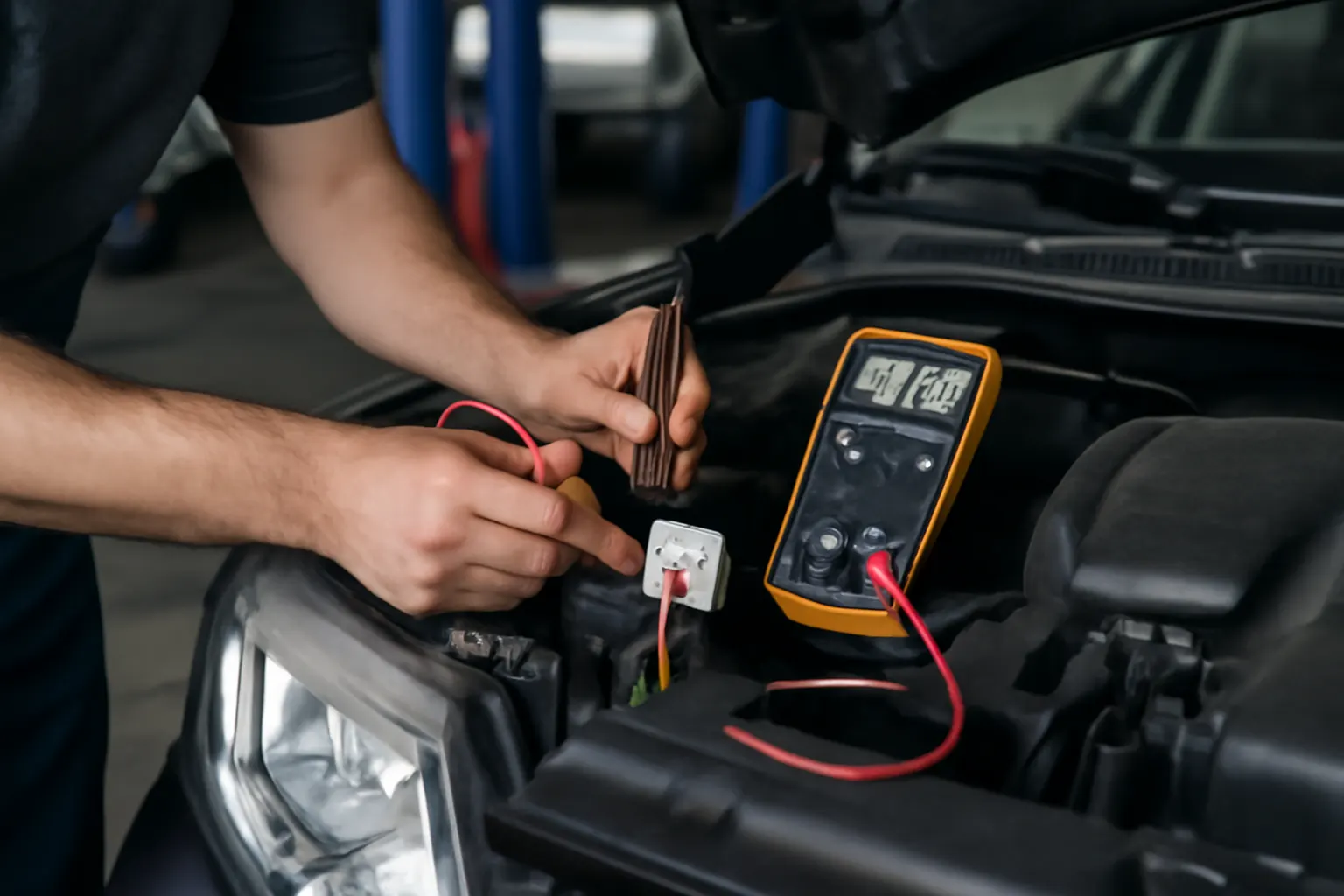
Measure Sensor Resistance
- Disconnect the sensor and measure resistance with a multimeter.
- Compare readings to vehicle service manual specifications at various temperatures.
-
Check Reference Voltage
- With ignition on, measure voltage at the sensor connector.
- Typical reference voltages range from 4.5 to 5 volts.
-
Test Signal Response
- Warm the sensor gently (e.g., with a hairdryer) while monitoring resistance or voltage.
- Verify that readings change smoothly and predictably.
-
Inspect Related Fuses and Relays
- Ensure any fuses or relays in the sensor circuit are intact.
If any step reveals an out-of-spec value, you’ve likely found the culprit.
Installation and Replacement: Getting It Right the First Time
Replacing an ambient temperature sensor is usually straightforward, but attention to detail is essential for long-term reliability. Here’s how to tackle the job:
1. Locate the Sensor
Consult your vehicle’s service manual or an OEM parts guide to pinpoint the sensor’s location. Most are behind the front grille, bumper, or in a mirror housing.
2. Disconnect the Battery
For safety, disconnect the negative battery terminal to prevent accidental shorts.
3. Remove the Sensor
- Gently disconnect the wiring harness.
- Unclip or unscrew the sensor from its mount.
- Inspect the mounting area for debris or corrosion.
4. Install the New Sensor
- Position the new sensor in the original location.
- Secure it with factory clips or screws.
- Reconnect the wiring harness, ensuring a snug fit.
5. Reconnect the Battery and Test
- Start the vehicle and check the outside temperature display.
- Verify correct operation of the HVAC and any related systems.
6. Clear Diagnostic Codes
If you previously logged DTCs, use your scan tool to clear them and ensure no new codes appear.
Buying Guidance: Choosing the Right Ambient Temperature Sensor
Not all sensors are created equal. Follow these tips to ensure you select the correct replacement:
- OEM vs. Aftermarket: OEM (original equipment manufacturer) sensors ensure perfect fit and function, but quality aftermarket options can offer savings.
- Verify Fitment: Use your vehicle’s VIN or part number to confirm compatibility. Cross-reference with trusted suppliers or the Sensor (Body, Misc) category.
- Check for Updated Designs: Some manufacturers improve sensor durability or relocate it in later model years. Always check for technical service bulletins (TSBs) or recall notices.
- Material Quality: Look for sensors with robust housings, weatherproof connectors, and corrosion-resistant terminals.
Maintenance Tips: Extending Sensor Life
While ambient temperature sensors are designed for longevity, a few proactive steps can prolong their service life:
- Regular Visual Inspections: Check the sensor during routine oil changes or car washes.
- Keep the Area Clean: Remove leaves, bugs, or road debris from the grille and sensor area.
- Protect from Pressure Washing: Avoid direct, high-pressure water on sensor locations.
- Address Wiring Issues Promptly: Repair any frayed wires or loose connectors immediately.
- Respond to Odd Readings: Don’t ignore obviously incorrect temperature readings—diagnose and address them early.
Advanced Troubleshooting: When the Problem Persists
If a new sensor doesn’t solve the issue, consider these advanced troubleshooting steps:
- Check for Wiring Continuity: Use a multimeter to ensure there’s no break between the sensor and control module.
- Inspect Control Modules: Rarely, a fault may exist in the HVAC or engine control unit itself.
- Look for Multiple Sensor Inputs: Some vehicles use more than one ambient sensor (e.g., dual-zone climate control). Ensure all are functioning.
- Software Updates: In rare cases, a manufacturer software update may be necessary for proper sensor integration.
If you’re uncertain, consult a qualified technician or refer to our How to Diagnose Body Sensor Failures editorial.
The Broader Context: Ambient Sensors and Modern Vehicle Design
The role of ambient temperature sensors has grown with the complexity of vehicle electronics. As automakers pursue greater fuel efficiency, safety, and driver comfort, reliance on accurate environmental data increases. According to the National Highway Traffic Safety Administration, sensors like these are now considered essential safety and comfort equipment, influencing everything from emissions systems to advanced driver assistance.
Lightweight, durable materials—highlighted by the Department of Energy’s Materials Technologies—have allowed ambient sensors to become even smaller and more robust, but their exposed position remains a vulnerability.
Recalls and Safety Notices: Staying Informed
Ambient temperature sensor failures have prompted recalls and technical bulletins in some vehicle models. To protect your investment:
- Check for Recalls: Use your VIN at the NHTSA Recalls page to see if your vehicle is affected by sensor-related recalls.
- Monitor TSBs: Technical service bulletins may provide updated procedures or improved replacement parts.
- Register for Updates: Many automakers and parts suppliers offer email notifications for recall and service updates.
Staying informed helps you address potential issues before they become critical.
Integration with Other Sensors: The Bigger Picture
Ambient temperature sensors don’t operate in isolation. They’re part of a network of body and environmental sensors—rain, humidity, sunlight, and more—that work together to optimize vehicle operation. For example, combined data from ambient and rain sensors can adjust automatic wiper speed, defogging logic, and even traction control.
To better understand this sensor ecosystem, explore our related editorial Why Your Car’s Rain Sensor Matters, which details the interplay between different environmental sensors.
The AutoPartEx Advantage: Expert Sourcing and Support
When it comes to sourcing replacement sensors, AutoPartEx stands apart with a curated selection of OEM and high-quality aftermarket parts, detailed fitment tools, and expert technical support. Our platform ensures:
- Accurate Part Matching: Enter your VIN or vehicle details for precise fitment.
- Comprehensive Guides: Step-by-step diagnostics and installation instructions for DIYers and professionals.
- Up-to-Date Recall and TSB Alerts: Stay ahead of safety and reliability concerns.
- Expert Support: Access our technical editorial team for troubleshooting and product selection advice.
Explore our Sensor (Body, Misc) category to find the right ambient temperature sensor and related components for your vehicle.
Next Steps: Take Action for Comfort, Efficiency, and Safety
Don’t underestimate the impact of this small but mighty component. If you suspect your vehicle’s ambient temperature sensor is faulty:
- Use our diagnostic checklist to confirm the issue.
- Source a high-quality replacement from a trusted supplier.
- Follow installation best practices to ensure long-term reliability.
- Stay informed about recalls and technical bulletins.
- Explore our related guides, such as How to Diagnose Body Sensor Failures and Replacing Door Ajar and Trunk Sensors, for broader sensor maintenance strategies.
By addressing ambient temperature sensor issues promptly, you’ll restore not just comfort, but also fuel efficiency and critical safety features—proving that even the smallest parts can have the biggest impact.