Preserving AMC’s Jeep Legacy
Jeep’s reputation for ruggedness and off-road prowess owes much to the era when American Motors Corporation (AMC) took the reins. For enthusiasts, restorers, and off-roaders, understanding AMC’s technical influence on Jeep models is essential for authentic restoration, drivetrain swapping, and performance upgrades. This guide delivers actionable insight into drivetrain compatibility, off-road modifications, and the art of sourcing OEM AMC-Jeep parts—supported by authoritative standards and safety references. If you’re serious about keeping your AMC Jeep true to its roots, this is your technical roadmap.
For a broader look at AMC’s entire auto parts ecosystem, see AMC Auto Parts: Authentic Replacement & Restoration Guide | AutoPartEx.
Why AMC’s Jeep Legacy Matters: Immediate Answers
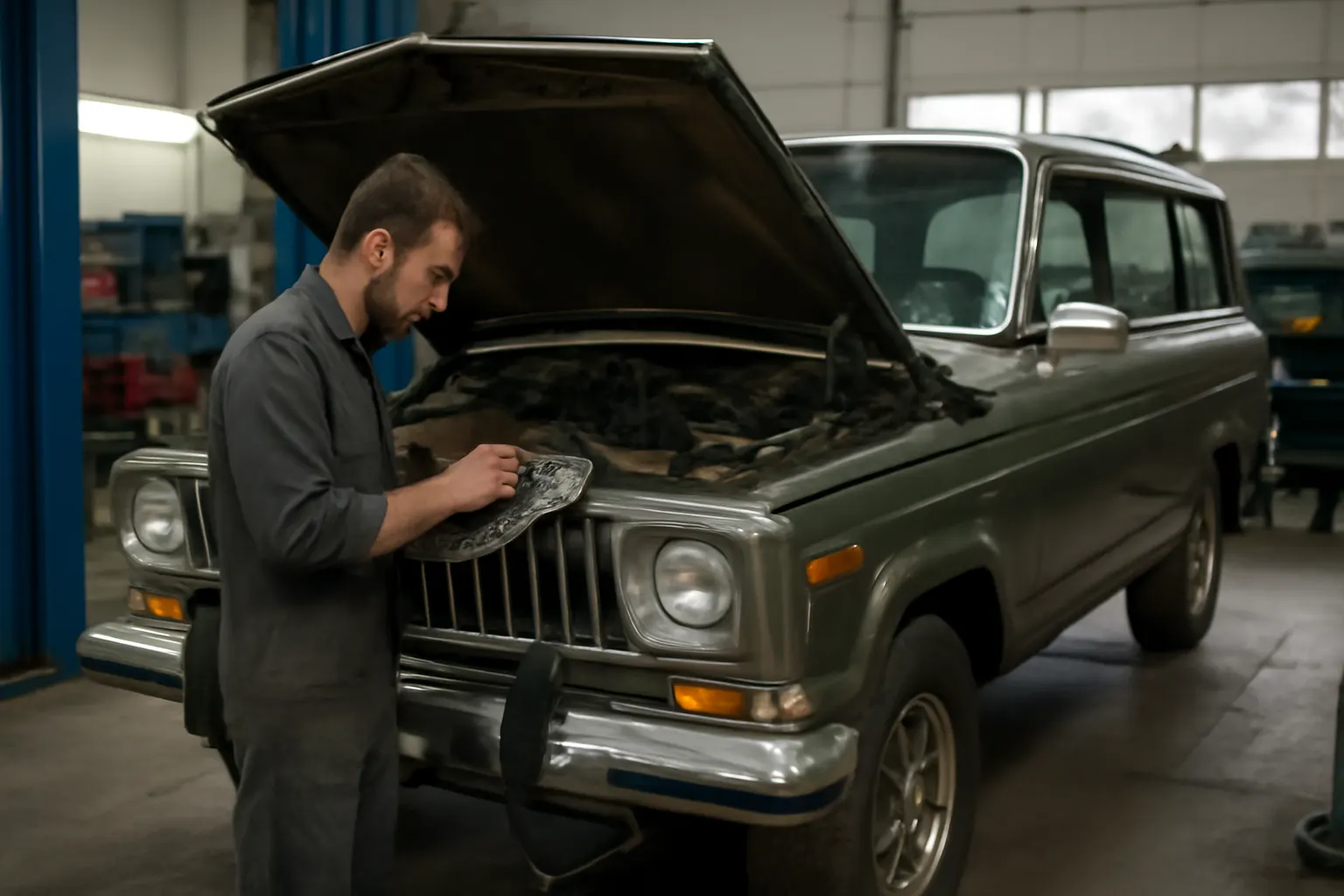
AMC’s stewardship of Jeep (from 1970 until 1987) marked a period of engineering innovation and part standardization that continues to impact restoration and modification projects today. Key Jeep models—including the CJ series, Wagoneer, and Cherokee—benefited from AMC’s drivetrain designs, safety improvements, and material advances. Whether you’re restoring a CJ-7 to showroom condition or upgrading a full-size Jeep for modern off-road use, AMC’s technical DNA is in every bolt and bracket.
Immediate Takeaways:
- AMC-era Jeeps (1970–1987) have unique drivetrain, suspension, and body elements.
- Drivetrain swaps and off-road upgrades are possible thanks to AMC’s engineering consistency.
- Sourcing correct OEM parts is challenging but crucial for safety, performance, and value.
- Adhering to standards from the National Highway Traffic Safety Administration (NHTSA) and SAE International ensures restoration projects meet modern expectations for safety and reliability.
The Hidden Problem: AMC-Jeep Parts Obsolescence
The deeper challenge for AMC-Jeep enthusiasts is parts obsolescence. Many AMC-specific components—especially drivetrain, suspension, and trim parts—are no longer in production. The aftermarket offers some solutions, but authentic restoration requires identifying, sourcing, and verifying hard-to-find OEM parts. Additionally, the technical evolution under AMC means not all parts are interchangeable across model years or Jeep variants.
Key Issues:
- Discontinued AMC-Jeep parts complicate authentic restorations.
- Drivetrain and suspension changes across model years create fitment confusion.
- Safety and performance standards have evolved, making correct part selection critical.
AMC’s Technical Evolution of Jeep: A Deeper Dive
AMC’s acquisition of Jeep led to a series of technical upgrades that shaped the brand’s identity:
Drivetrain Innovations
- Engines: AMC introduced its own inline-six and V8 engines, replacing older Kaiser and Willys powerplants. Notable engines include the 232/258 cu in I6 and the 304/360/401 V8s.
- Transmissions: AMC standardized transmission bellhousings and adapted robust manual and automatic units (e.g., T-150, T-18, TH400, TF999).
- Axles: Dana 30/44 axles became common, with some models receiving AMC’s own Model 20 rear axle.
Chassis and Suspension
- Frame Strengthening: AMC reinforced frame rails and crossmembers, especially on CJ and full-size Jeep (FSJ) models.
- Suspension Tuning: Leaf spring geometry and shackle design evolved for better ride and load capacity.
Material and Safety Improvements
- Body Materials: Adoption of improved steel alloys and corrosion-resistant coatings.
- Safety Upgrades: Enhanced seat belt anchorages, improved steering columns, and better brake systems in compliance with NHTSA safety standards.
Drivetrain Swaps: Opportunities and Pitfalls
Swapping drivetrains in AMC-era Jeeps is popular for both restoration and performance. However, technical accuracy is critical for safety, reliability, and value.
Common AMC-Jeep Drivetrain Swaps
- I6 to V8 Swaps: Many CJ-5/CJ-7 owners upgrade from the 232/258 I6 to the AMC 304 or 360 V8. This requires compatible motor mounts, frame clearance, and appropriate transmission.
- Transmission Upgrades: Replacing the original T-150 3-speed with a T-18 4-speed or TF999 automatic is feasible but demands attention to driveshaft length and shifter position.
- Axle Swaps: Upgrading from AMC Model 20 rear axles to Dana 44s is common for strength and aftermarket support.
Drivetrain Swap Checklist
| Step | Details/Considerations |
|---|---|
| Identify original drivetrain | Confirm engine, transmission, transfer case, axles |
| Verify bellhousing pattern | AMC engines (1972+) use a unique bellhousing bolt pattern |
| Check frame/mount fitment | Inspect and reinforce engine/transmission mounts |
| Match driveshaft lengths | Driveshafts may need custom fabrication |
| Confirm transmission tunnel | Automatic swaps may require tunnel modification |
| Upgrade cooling system | V8s require higher capacity radiators |
| Validate wiring and sensors | AMC-era wiring harness compatibility is critical |
| Review exhaust clearance | Manifold and pipe routing must clear frame and body |
| Test for leaks and vibration | Post-installation inspection is essential |
For more on rebuilding AMC engines, see our AMC Engine Rebuild Guide.
Off-Road Upgrades: AMC Jeep Engineering in Action
AMC-era Jeeps are celebrated for their off-road potential, but targeted upgrades maximize capability without sacrificing authenticity.
Suspension Upgrades
- Lift Kits: Leaf-spring shackle reversals and modest lift kits (2–4 inches) improve clearance while maintaining AMC geometry.
- Shock Absorbers: Upgraded gas-charged shocks provide better damping for trail use.
- Sway Bars: Some AMC Jeeps lack front sway bars; retrofitting improves on-road stability.
Axle & Differential Upgrades
- Limited Slip Differentials: AMC Model 20 and Dana 44 axles support aftermarket LSDs and lockers.
- Axle Shaft Upgrades: Chromoly shafts address known weaknesses in AMC 20 axles.
Wheel and Tire Fitment
- Wheel Backspacing: AMC Jeeps use unique backspacing; verify clearance with 31–33" tires.
- Bolt Pattern: Most AMC Jeeps use 5x5.5" or 6x5.5" patterns—always confirm before ordering new wheels.
Sourcing Hard-to-Find AMC Jeep OEM Parts
Original AMC-Jeep components are increasingly rare. Here’s how to hunt them down:
Where to Look
- Specialty Salvage Yards: Focus on yards with AMC or vintage Jeep sections.
- Online Forums and Clubs: AMC-Jeep clubs often have parts exchanges and vendor recommendations.
- Reputable NOS Dealers: Seek out vendors specializing in New Old Stock (NOS) AMC parts.
- AutoPartEx Marketplace: Our platform connects you to verified AMC-Jeep parts sources.
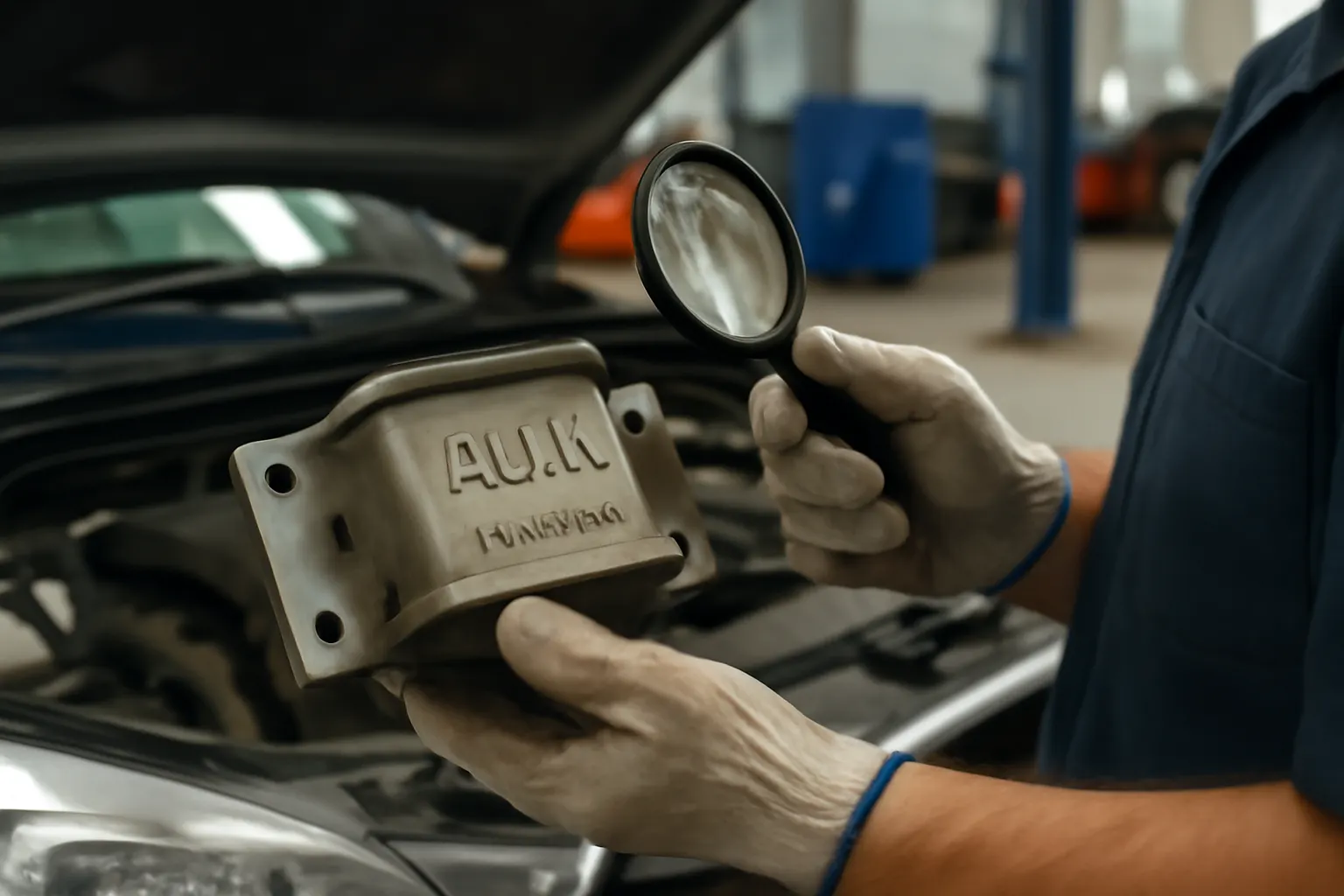
OEM Part Verification
- Part Number Matching: Use AMC factory part numbers to cross-reference.
- Casting and Stamping Codes: AMC engines, axles, and transmissions have date and model codes.
- Visual Inspection: Confirm correct casting marks, finish, and fitment.
For a step-by-step process, see How to Verify AMC OEM Part Authenticity.
Diagnosing AMC-Jeep Drivetrain and Suspension Issues
Restorers and modders need to quickly diagnose common AMC-Jeep problems:
Common Drivetrain Issues
- Slipping Transmission: Often due to worn bands or incorrect linkage adjustment (especially on TF999 automatics).
- Axle Whine or Clunk: AMC Model 20 axles are notorious for loose pinion bearings—check for play and fluid leaks.
- Engine Overheating: AMC V8s require properly sized radiators and shrouds; inspect for clogged cores.
Suspension and Steering Problems
- Wandering Steering: Worn tie rods, steering box, or shackle bushings are frequent culprits.
- Sagging Springs: Over time, AMC leaf springs lose arch—inspect and consider replacement or re-arching.
Diagnostic Checklist
| Symptom | Likely Cause | Diagnostic Action |
|---|---|---|
| Transmission slip | Worn bands, low fluid | Check fluid, adjust linkage |
| Axle noise | Worn bearings, loose yoke | Inspect and replace bearings |
| Engine overheating | Undersized radiator, timing issues | Flush radiator, check timing |
| Wandering steering | Worn bushings, loose box | Inspect/replace components |
| Sagging suspension | Flattened springs | Measure arch, replace springs |
Fitment Challenges: AMC Jeep Model Variations
Not all AMC Jeeps are created equal. Fitment issues arise due to running changes, model-year updates, and AMC’s evolving engineering standards.
Model-Specific Differences
- CJ Series: CJ-5, CJ-7, and CJ-8 Scrambler share major components but differ in frame length, fuel tank location, and rear axle width.
- Wagoneer/Cherokee (FSJ): Full-size Jeeps use wider frames, heavier axles, and different suspension hardware.
- Comanche/Pickup: AMC’s later Jeep pickups (J-series, Comanche) introduced unique bed and cab mounts.
Fitment Reference Table
| Model | Frame Width | Axle Type | Engine Options | Key Differences |
|---|---|---|---|---|
| CJ-5 | Narrow | Dana 30/AMC 20 | I6, V8 | Short wheelbase, rear tank |
| CJ-7 | Wider | Dana 30/AMC 20 | I6, V8 | Longer wheelbase, rear tank |
| Wagoneer | Wide | Dana 44/AMC 20 | I6, V8 | Coil rear springs (late models) |
| Cherokee | Wide | Dana 44/AMC 20 | I6, V8 | 4-door option, larger brakes |
| J-Series | Wide | Dana 44/AMC 20 | I6, V8 | Pickup bed, frame reinforcements |
For detailed suspension fitment, see the AMC Suspension Fitment Reference.
Safety and Standards: Why Proper Parts Matter
AMC-era Jeeps must meet both historical authenticity and modern safety standards. The NHTSA and SAE International provide guidance on acceptable parts, materials, and installation practices.
Key Safety Considerations
- Braking Systems: AMC introduced dual-circuit master cylinders and front disc brakes—always upgrade or restore to AMC specs.
- Seat Belts and Mounts: Replace frayed belts and corroded anchors with OEM or certified replacements.
- Lighting and Electrical: AMC wiring harnesses are known for aging insulation—inspect for shorts, upgrade as needed.
Compliance Checklist
- Use only DOT-approved brake hoses and lamps.
- Confirm that steering and suspension components meet or exceed original SAE standards.
- Replace or refurbish seat belt anchorages to NHTSA guidelines.
Materials Technology: AMC’s Jeep Body and Frame
AMC improved Jeep’s longevity through advanced materials and coatings. Understanding these choices aids in restoration and modification.
AMC Body and Frame Materials
- High-Strength Steel: Used in frame rails and crossmembers for improved crashworthiness.
- Galvanized Panels: Later AMC Jeeps featured galvanized steel in body panels to reduce rust.
- Rubberized Undercoating: Factory undercoats protect against road salt and debris.
Restoration Guidance
- Inspect frame and body for rust, especially at spring mounts and rocker panels.
- Use modern equivalents of AMC’s original coatings for repairs.
- Consider weight and material compatibility when replacing panels—see DOE’s materials technology guidance.
Fuel Efficiency and Performance: Balancing Authenticity and Modern Needs
AMC’s engine lineup was robust but not always fuel-efficient by today’s standards. Upgrades can improve performance and economy without sacrificing heritage.
Engine Performance Tips
- Ignition Upgrades: Electronic ignition conversions improve reliability and efficiency.
- Carburetor Tuning: AMC V8s benefit from modern carburetors or EFI retrofits, but retain original manifolds for authenticity.
- Exhaust Systems: Mandrel-bent exhausts reduce backpressure. Stainless steel offers longevity without altering AMC’s sound profile.
Fuel Economy Checklist
- Tune engine timing and fuel mixture per AMC specs.
- Ensure proper tire inflation and alignment.
- Use lightweight wheels and tires when possible.
For more on fuel efficiency, see DOE’s official guidelines.
Maintenance Strategies for AMC Jeep Longevity
Routine maintenance is the cornerstone of preserving any AMC Jeep. The challenge is sourcing correct fluids, filters, and wear items.
Maintenance Best Practices
- Fluids: Use GL-5 gear oil in AMC axles, Dexron/Mercon ATF in automatics, and high-zinc oil in flat-tappet engines.
- Filters: Cross-reference AMC part numbers for oil, air, and fuel filters—aftermarket options may not fit.
- Chassis Lubrication: AMC Jeeps have numerous grease fittings on suspension and steering—service every 3,000 miles.
Preventive Maintenance Schedule
| Interval | Task |
|---|---|
| Every 3,000mi | Oil/filter change, chassis lube |
| Every 6,000mi | Transmission fluid check, brake inspection |
| Annually | Coolant flush, axle fluid change, body rust check |
| As needed | Replace belts, hoses, bushings, and U-joints |
Buying Guidance: What to Look for in AMC-Jeep Projects
Not all AMC Jeeps are created equal—some are better candidates for restoration or modification.
Inspection Checklist for AMC-Jeep Purchases
- Frame Integrity: Check for rust at spring hangers, crossmembers, and steering box mounts.
- Drivetrain Matching: Confirm original engine, transmission, and axle codes.
- Body Condition: Look for rust in floor pans, rocker panels, and windshield frames.
- Electrical System: Test all lights, gauges, and switches—AMC harnesses are prone to corrosion.
- Paperwork: Verify VIN, title, and any original documentation.
The AutoPartEx Advantage: Your AMC-Jeep Restoration Partner
At AutoPartEx, we specialize in authentic AMC-Jeep replacement parts, technical fitment guidance, and restoration resources. Our curated inventory and expert editorial content ensure your project meets both historical and technical standards. Whether you need a rare AMC bellhousing, a correct suspension bushing, or help decoding an axle tag, AutoPartEx is your trusted partner.
Explore our AMC engine parts for verified fitment and restoration solutions.
Expert Action: Next Steps for AMC-Jeep Enthusiasts
- Document Your Jeep: Photograph casting numbers, tag codes, and part numbers before disassembly.
- Research Thoroughly: Use AMC technical manuals and trusted online resources for specifications.
- Source Authentically: Prioritize OEM parts when possible; verify with part numbers and casting codes.
- Upgrade Safely: When modifying, choose upgrades that respect AMC’s engineering—consult NHTSA and SAE standards for safety-critical systems.
- Consult Experts: Join AMC-Jeep forums, attend club events, and leverage AutoPartEx’s technical support for tricky fitment or sourcing questions.
Preserving AMC’s Jeep legacy is a technical journey. With the right knowledge, authentic parts, and a commitment to engineering excellence, your AMC Jeep will remain a benchmark for originality and performance—on the road or the trail.