Maintaining Your Aston Martin: Service Intervals and Pitfalls
Aston Martin vehicles, renowned for their heritage, engineering, and performance, demand a specialized approach to maintenance. Whether you’re driving a classic DB5 or a modern Vantage, adhering to precise service intervals and understanding the potential pitfalls is essential for preserving performance, safety, and value. This guide delivers essential maintenance tips, real-world case studies, and actionable checklists to help you avoid costly errors and ensure your Aston Martin remains in peak condition.
If you’re seeking genuine or OEM replacement parts, Aston Martin OEM & Genuine Auto Parts: Technical Sourcing, Heritage, and Fitment | AutoPartEx provides a comprehensive resource for sourcing, compatibility, and fitment guidance.
Immediate Answer: The Essentials of Aston Martin Maintenance
To maintain your Aston Martin’s reliability, safety, and performance, follow these fundamental principles:
- Adhere strictly to the manufacturer’s recommended service intervals. These are not generic—Aston Martin specifies unique requirements for each model and engine type.
- Use only OEM, genuine, or approved replacement parts. Aftermarket or counterfeit parts can compromise safety, performance, and value.
- Prioritize inspections of critical systems: brakes, suspension, electronics, and the powertrain.
- Monitor for early warning signs such as unusual noises, warning lights, or fluid leaks.
- Document all maintenance and repairs to preserve vehicle history and maximize resale value.
Neglecting any of these steps can lead to accelerated wear, safety risks, or expensive repairs.
Hidden Problem: Why Routine Service Isn’t Enough for Aston Martins
While following the owner’s manual is a good start, many Aston Martin owners discover that standard service intervals don’t account for:
- Unique engineering features (e.g., bonded aluminum chassis, advanced electronic systems)
- Specialized materials (magnesium, carbon composites, high-grade alloys)
- Model-specific weak points (e.g., V12 coil packs, V8 oil leaks, DB9 transmission solenoids)
- Regional factors (climate, road salt, fuel quality)
Aston Martins are engineered to exacting standards, but this also means that minor oversights or generic service routines can cause disproportionate problems. For example, a missed brake fluid change can lead to internal corrosion in high-performance calipers, while neglecting software updates may result in electronic glitches.
The Cost of Overlooking Aston Martin Service Intervals
Every Aston Martin model, from the classic DB7 to the contemporary DBS Superleggera, is built with tight tolerances and advanced materials. Skipping or delaying service intervals can have outsized effects:
- Premature engine wear: Extended oil intervals or using non-approved lubricants accelerates internal wear, especially in high-revving V8 and V12 engines.
- Compromised safety systems: Delayed replacement of brake fluid, pads, or rotors reduces stopping power and can trigger warning lights.
- Electronic system failures: Outdated software or neglected battery maintenance can cause malfunctions in infotainment, stability control, or adaptive suspension.
- Decreased fuel efficiency: Dirty air filters, worn spark plugs, or old fluids reduce engine efficiency—a critical concern given the performance-oriented nature of these vehicles [Fuel Efficiency].
Case Study:
A 2017 Aston Martin Vantage owner delayed the 20,000-mile service, leading to a failed ignition coil. The repair—normally a simple replacement—escalated due to secondary damage to the catalytic converter, costing over $3,000 in parts and labor.
Understanding Aston Martin Service Schedules: What’s Different?
Unlike mass-market vehicles, Aston Martin service schedules are model- and engine-specific. Key differences include:
- Shorter intervals for fluids and filters: Many models require oil changes every 7,500 miles or annually, whichever comes first.
- Brake fluid replacement every two years: Essential for performance braking systems.
- Coolant and transmission fluid changes: Often required every 4-5 years, regardless of mileage.
- Annual electronic diagnostics: Even if the car is not driven extensively, software and sensor checks are crucial.
Sample Service Interval Table:
| Service Item | Interval (Typical) | Notes |
|---|---|---|
| Engine Oil/Filter | 7,500 mi / 12 months | Use only approved synthetic oils |
| Brake Fluid | 24 months | DOT 4+ or specified by model |
| Air Filter | 15,000 mi / 24 months | Inspect for debris, replace as needed |
| Spark Plugs | 30,000 mi | Platinum/Iridium recommended |
| Transmission Fluid | 48 months | Check for leaks, use correct spec |
| Coolant | 48 months | Use OEM-approved coolant |
Always confirm intervals with your specific model’s handbook or technical documentation.
Common Pitfalls: Where Aston Martin Maintenance Goes Wrong
Aston Martin maintenance, while straightforward on paper, is fraught with potential errors. Common pitfalls include:
1. Overlooking Software Updates
Modern Aston Martins rely heavily on integrated electronic systems. Failing to update the vehicle’s software can result in:
- Erratic performance of adaptive dampers or throttle response
- Malfunctioning infotainment or navigation systems
- Unresolved diagnostic trouble codes (DTCs)
2. Using Incorrect Parts or Fluids
Non-OEM parts or generic fluids may not meet the precise standards required, risking:
- Accelerated wear or outright failure (e.g., incorrect brake pad compounds causing rotor damage)
- Invalidating manufacturer safety systems [Vehicle Safety and Equipment]
- Compromising crashworthiness or emissions compliance
3. Neglecting Corrosion-Prone Areas
Aston Martin’s use of bonded aluminum and steel requires vigilant inspection for galvanic corrosion, particularly in:
- Subframes and suspension mounts
- Door sills and underbody panels
- Wheel arches (especially in salted climates)
4. Ignoring Early Warning Signs
Many failures are preceded by subtle warnings:
- Slight hesitation on startup (potential battery or coil issue)
- Minor oil seepage (early sign of gasket or seal failure)
- Flickering warning lights (sensor or electrical system faults)
Prompt diagnostic attention can prevent minor issues from escalating into major repairs.
Diagnostic Checklist: How to Spot Trouble Early
Regular inspection and early intervention are key to minimizing repair costs and downtime. Use this checklist during routine maintenance or pre-purchase inspections:
Aston Martin Maintenance Diagnostic Checklist
- Check for warning lights: Scan for DTCs using an OBD-II reader compatible with Aston Martin protocols.
- Inspect for fluid leaks: Pay special attention to engine, transmission, and differential seals.
- Listen for abnormal noises: Clicking, knocking, or whining from the engine bay or suspension.
- Test all electronic systems: Infotainment, climate control, adaptive suspension, and safety features.
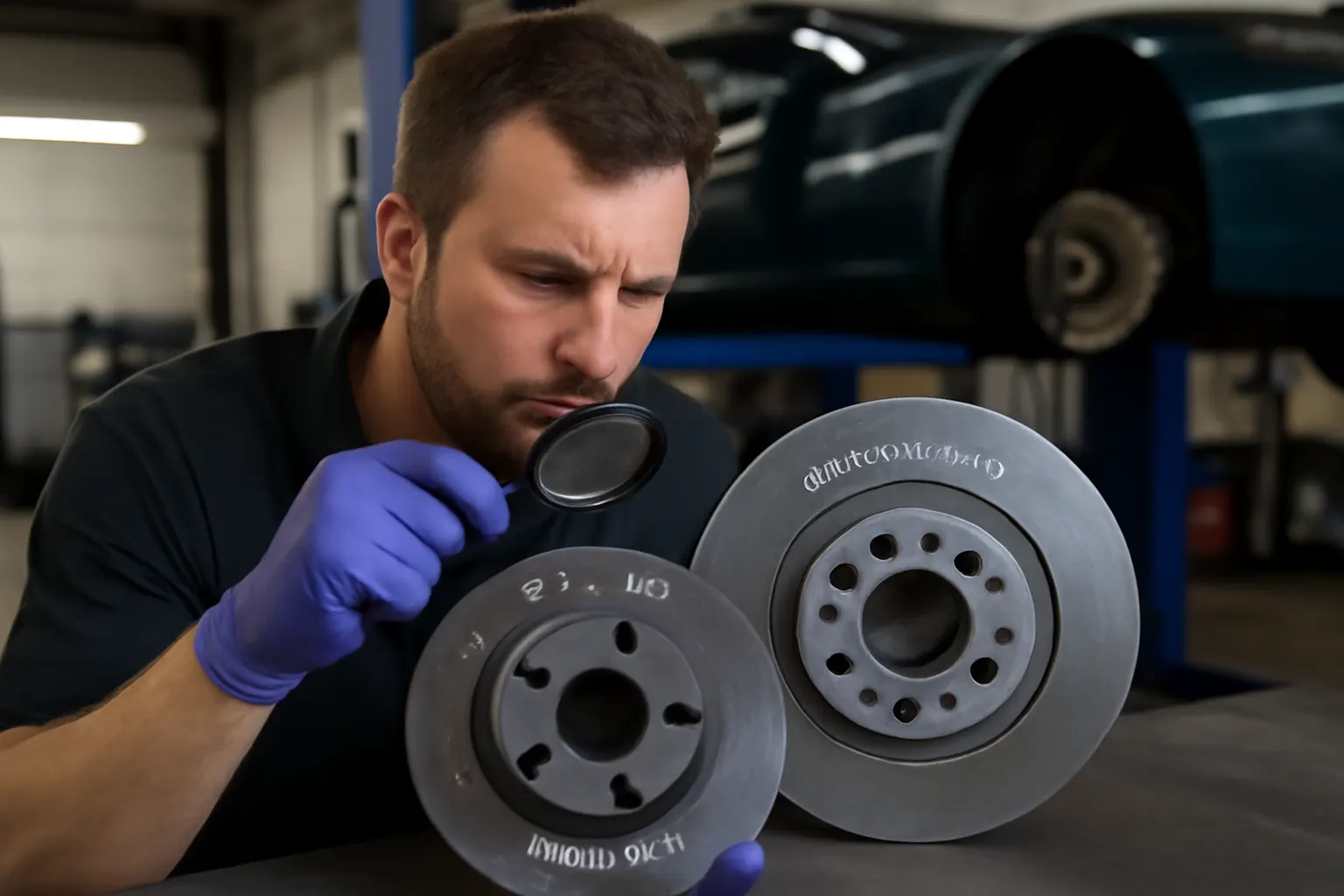
- Examine brake components: Measure pad and rotor thickness; check for uneven wear or corrosion.
- Inspect tires: Look for uneven wear, sidewall cracks, or age-related deterioration.
- Check battery voltage: Low voltage can trigger electronic malfunctions.
- Assess underbody and chassis: Look for corrosion, loose fasteners, or damaged panels.
- Verify software version: Ensure all ECU and module updates are current.
Address any discrepancies immediately to prevent further damage.
Sourcing Genuine Aston Martin Parts: Why It Matters
Using authentic or OEM-equivalent parts is essential for:
- Safety: Components are engineered to integrate with advanced safety and driver assistance systems [Vehicle Safety and Equipment].
- Performance: Genuine parts maintain original handling, braking, and acceleration characteristics.
- Longevity: OEM parts are designed for the specific stresses and materials used in Aston Martin construction [Materials Technologies].
- Resale value: Service records featuring genuine parts preserve collector and resale value.
Pitfall Alert:
Counterfeit or substandard parts are increasingly common, especially for high-value brands. Always verify part numbers and supplier credentials. For guidance, see Spotting Counterfeit Aston Martin Parts.
Advanced Materials: Maintenance Implications
Aston Martin’s use of advanced materials—aluminum, magnesium, carbon fiber—offers performance benefits but presents unique maintenance challenges:
- Bonded aluminum chassis: Requires specialized repair techniques; improper welding or adhesives can compromise structural integrity.
- Carbon composite panels: Susceptible to impact damage; repairs must be performed by certified technicians.
- Magnesium components: Highly corrosion-prone; inspect for oxidation, especially in older models.
Routine inspections and the use of approved cleaning and protection products are essential to preserve these materials [Materials Technologies].
Real-World Case Studies: Lessons from the Field
Case Study 1: The Perils of Delayed Brake Service
A 2014 Aston Martin Rapide owner skipped the recommended two-year brake fluid change. Result: severe internal corrosion in the rear calipers, requiring a full rebuild and replacement of ABS sensors. The total repair bill exceeded $4,500—five times the cost of routine fluid changes.
Case Study 2: Aftermarket Oil Filter Catastrophe
A V8 Vantage owner opted for a generic oil filter during a DIY service. The filter’s bypass valve failed, starving the engine of oil during high-speed operation. The resulting engine damage required a full rebuild, costing over $15,000.
Case Study 3: Software Neglect
A DB11 owner ignored repeated prompts for software updates. Over time, the car developed intermittent electrical issues, including loss of adaptive cruise control and random infotainment resets. A dealership software update resolved these issues, but only after significant diagnostic expense.
Fuel Efficiency and Engine Longevity: The Maintenance Connection
Aston Martin engines—especially the V8 and V12 variants—are performance-oriented but sensitive to maintenance lapses. Poor maintenance directly reduces fuel efficiency and engine lifespan:
- Dirty air filters: Restrict airflow, causing rich fuel mixtures and higher consumption.
- Worn spark plugs: Lead to misfires, rough running, and increased fuel usage.
- Old fluids: Deteriorated oil and coolant reduce thermal efficiency and increase friction [Fuel Efficiency].
Tip:
Regularly monitor fuel economy. A sudden drop may indicate a developing mechanical or electronic fault.
The Role of Diagnostics and Professional Tools
Modern Aston Martins require advanced diagnostics for effective maintenance:
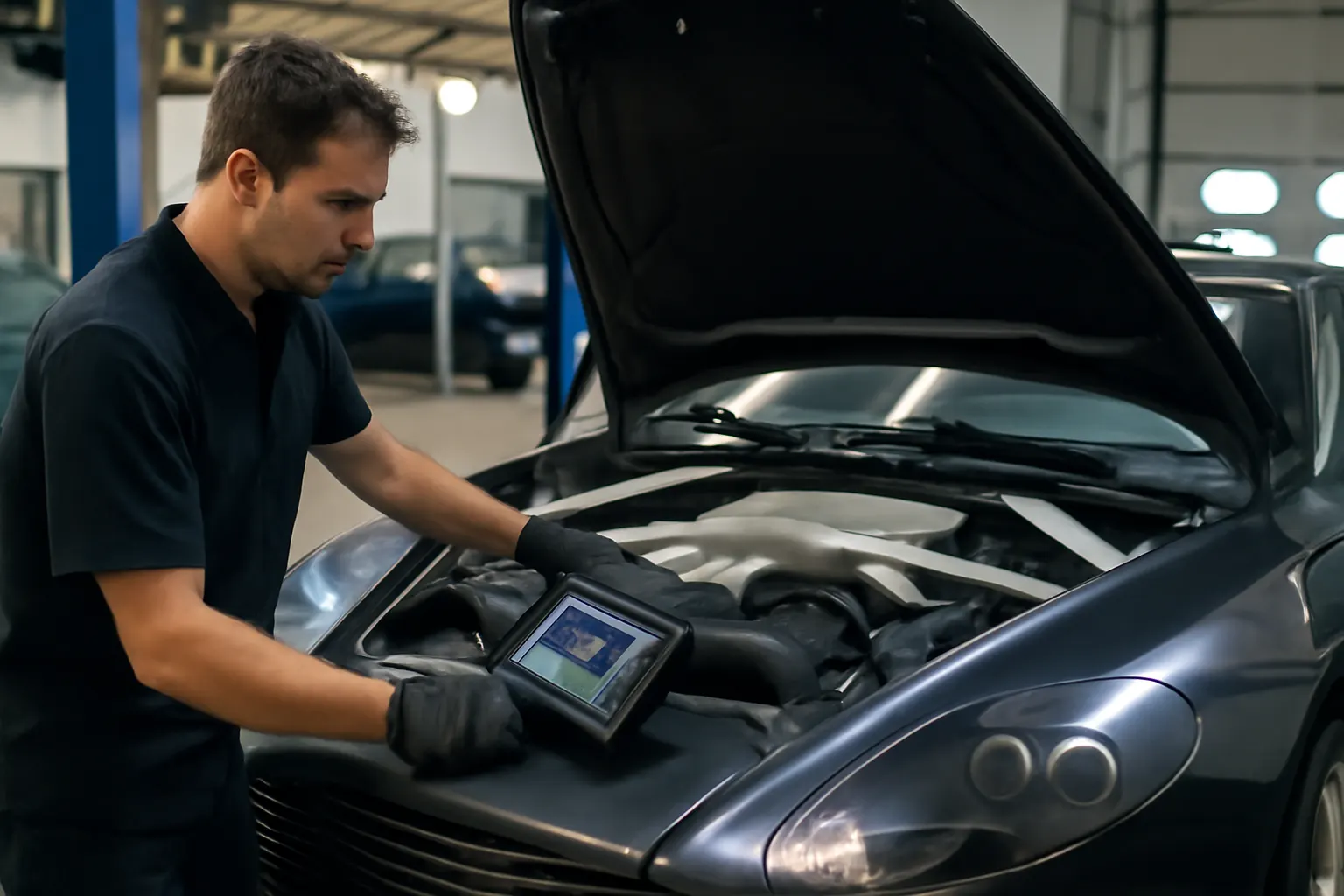
- OBD-II and proprietary scan tools: Essential for reading and clearing DTCs, calibrating sensors, and updating software.
- Specialized alignment equipment: Necessary for vehicles with adaptive or multi-link suspension.
- Torque and angle gauges: Required for critical fasteners, especially in bonded or composite structures.
DIY Limitations:
While basic tasks (oil, air filter, battery) are within reach for experienced owners, most electronic and structural work requires professional-grade tools and expertise.
How to Choose the Right Service Partner
Selecting a qualified service provider is as important as the maintenance itself:
- Factory-authorized dealerships: Offer model-specific expertise, access to technical bulletins, and genuine parts.
- Independent specialists: May offer cost savings but must demonstrate experience with Aston Martin models and access to OEM parts.
- Online parts specialists: Reputable suppliers like AutoPartEx can provide genuine and OEM-compatible parts with fitment guarantees.
Checklist for Evaluating Service Providers:
- Are technicians factory-trained or certified?
- Do they use genuine or OEM-approved parts?
- Is the shop equipped with Aston Martin-specific diagnostic tools?
- Can they provide detailed service records and warranty documentation?
- Do they have experience with your specific model and year?
Preserving Value: Maintenance Documentation and Fitment
Thorough documentation is critical for:
- Warranty support: Proof of proper maintenance is required for any warranty claims.
- Resale value: Buyers and collectors value detailed service histories, especially with receipts for genuine parts.
- Parts compatibility: Keeping track of part numbers and fitment ensures future repairs use the correct components. For more, see the Aston Martin Parts Compatibility Guide.
Tip:
Maintain a digital and physical folder with all service invoices, part numbers, and technical bulletins relevant to your vehicle.
Avoiding Counterfeit and Non-Compatible Parts
The global market for counterfeit auto parts is growing, with luxury vehicles being prime targets. Risks include:
- Safety hazards: Substandard materials can fail under load, especially in brakes and suspension.
- Diagnostic confusion: Non-compatible sensors or modules may cause persistent warning lights or system failures.
- Legal implications: Use of counterfeit parts may violate safety regulations and void insurance coverage.
Action:
Always verify suppliers and use trusted sources such as AutoPartEx for sourcing. Review the Spotting Counterfeit Aston Martin Parts guide for red flags and verification tips.
AutoPartEx: Your Partner in Aston Martin Maintenance
AutoPartEx specializes in technical sourcing, fitment support, and heritage expertise for Aston Martin owners and service professionals. Our resources include:
- Comprehensive catalogs of OEM and genuine parts for all Aston Martin models
- Fitment verification tools to ensure compatibility
- Technical guides and diagnostic support for complex repairs
- Educational content on avoiding counterfeit parts and maintaining collector value
Explore the Aston Martin OEM & Genuine Auto Parts: Technical Sourcing, Heritage, and Fitment | AutoPartEx page for sourcing, compatibility, and fitment support.
Expert Action: Next Steps for Aston Martin Owners
- Review your vehicle’s service history and compare it to the official maintenance schedule.
- Schedule any overdue maintenance with a qualified Aston Martin specialist.
- Source only genuine or OEM parts from verified suppliers.
- Use the maintenance diagnostic checklist at every service interval.
- Document all work performed—including part numbers and supplier information.
- Stay informed about recalls and technical bulletins via the NHTSA and Aston Martin’s official channels.
- Consult the Aston Martin Parts Compatibility Guide for fitment assurance during repairs or upgrades.
By following these steps, you’ll protect your investment, maximize performance, and enjoy the unique driving experience only an Aston Martin can deliver.