Understanding Aston Martin Engineering Codes
Aston Martin engineering codes—those alphanumeric sequences stamped on parts, castings, and packaging—are the keys to accurate identification, sourcing, and replacement of genuine Aston Martin components. Whether you’re maintaining a modern Vantage or restoring a classic DB5, understanding these codes ensures you select the right part for optimal fit, safety compliance, and performance. This guide provides a comprehensive breakdown of Aston Martin part numbers, engineering stamps, and decoding strategies, empowering enthusiasts and professionals to make informed decisions and avoid costly mistakes.
For a wider selection of genuine and compatible parts, visit our Aston Martin parts category to streamline your search with expert-backed listings.
Why Engineering Codes Matter: Immediate Answers
When sourcing Aston Martin parts, engineering codes are your first and most reliable reference for ensuring the correct application. Every genuine Aston Martin component—whether a suspension arm, ECU, or body panel—carries a unique part number or engineering code. These codes are not arbitrary; they encode vital information such as:
- Model compatibility (e.g., DB9, Vantage, Rapide)
- Production year or revision
- Material specification
- Regulatory compliance (including safety standards)
- Manufacturing batch or supplier
By reading and understanding these codes, you can:
- Avoid incorrect fitment and resulting mechanical issues
- Ensure safety and regulatory compliance (NHTSA guidelines)
- Maintain vehicle value and authenticity, especially for classic and collector Aston Martins
- Facilitate diagnostics and future maintenance
The Hidden Problem: Misidentification and Its Consequences
While Aston Martin’s engineering codes are designed to clarify, they can also confound. Many owners and even some technicians mistake similar-looking parts or overlook subtle code differences, leading to:
- Installation of parts with the wrong material properties or tolerances
- Compromised safety (e.g., using a non-compliant brake component)
- Electrical incompatibilities (especially with evolving ECU standards)
- Delays and extra costs due to returns or further repairs
- Reduced vehicle value due to non-original or mismatched parts
This is particularly problematic with Aston Martin, where low production volumes, overlapping model generations, and ongoing engineering updates mean even minor code differences can have significant implications.
Deeper Technical Explanation: Anatomy of an Aston Martin Engineering Code
Structure of Aston Martin Part Numbers
Aston Martin part numbers typically follow a format similar to other British luxury manufacturers but with unique internal logic. A typical code might look like this:
6G33-2C405-AA
Dissecting this, you’ll often find:
- Prefix (e.g., 6G33): Indicates the model or platform (6G33 is commonly associated with the DB9)
- Core (e.g., 2C405): Denotes the component group (2C405 might refer to a specific brake caliper)
- Suffix (e.g., AA): Specifies revision, batch, or supplier details
Some older or special-order parts may use different conventions, especially on classic models.
Engineering Stamps and Casting Numbers
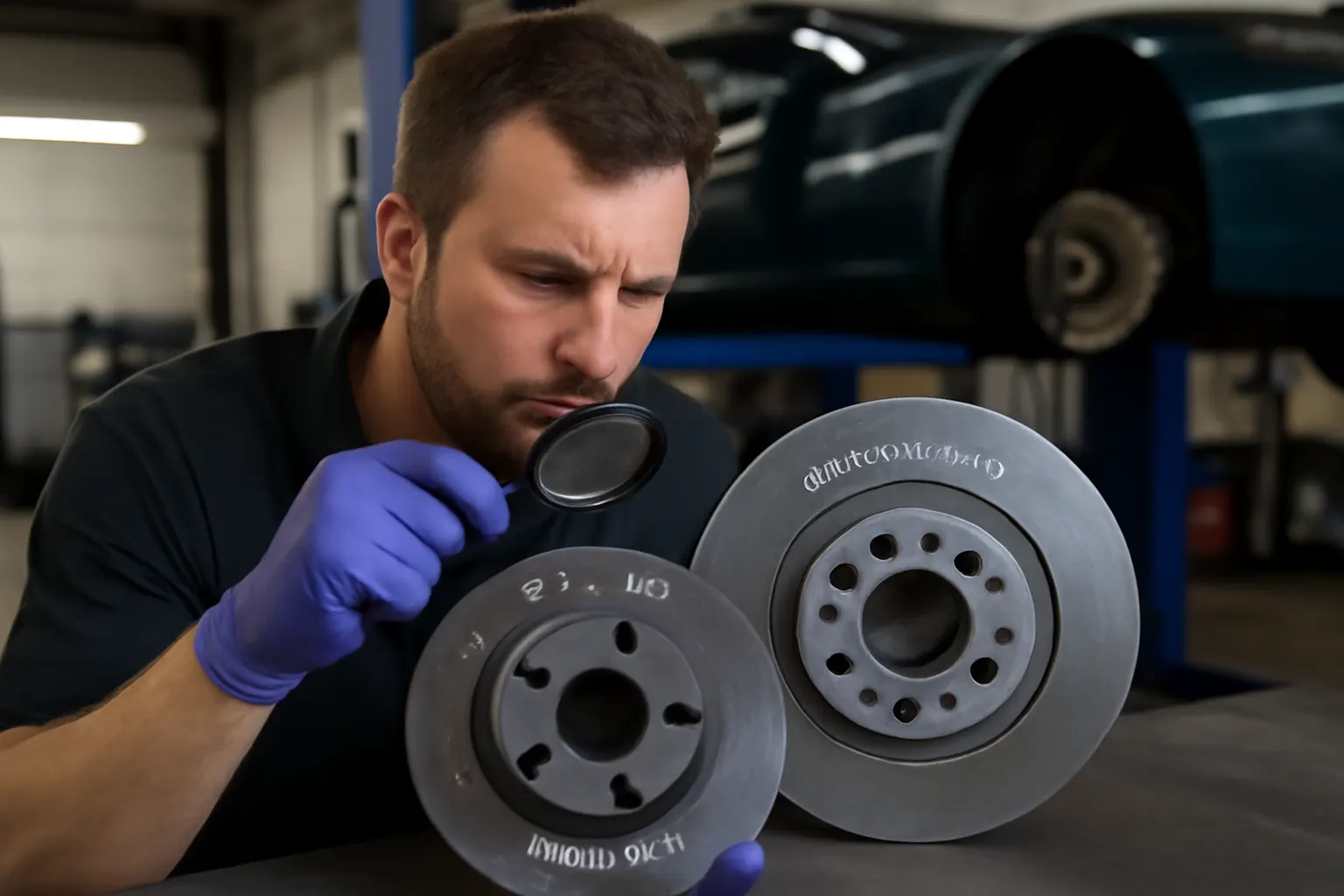
Beyond printed or labeled part numbers, many components—particularly cast or machined items—carry “engineering stamps.” These can include:
- Date codes: Indicating production month and year
- Supplier marks: Identifying the original manufacturer
- Material codes: Detailing alloy composition (critical for structural or safety parts)
- Quality control stamps: Confirming batch testing or NHTSA compliance
Understanding these secondary codes is essential for restorers and those sourcing used or NOS (new old stock) parts.
Common Pitfalls: Where Decoding Goes Wrong
Despite the logic behind engineering codes, several pitfalls can trip up even experienced technicians:
- Misreading similar codes: Some codes differ by a single digit or letter, reflecting a major engineering change (e.g., brake caliper piston size)
- Overlooking revision suffixes: An “AA” versus “AB” suffix may indicate a critical update for safety or performance
- Assuming visual similarity equals compatibility: Two control arms may look identical but have different metallurgy or geometry
- Ignoring regulatory updates: Codes may change to reflect new safety or emissions standards (SAE Standards)
- Relying on aftermarket catalogs instead of genuine code references
Diagnostic Checklist: Verifying Aston Martin Part Numbers
Before sourcing or installing any Aston Martin component, use this checklist to avoid common mistakes:
- Locate the full part number or engineering stamp on the component or its packaging.
- Cross-reference the code with the vehicle’s VIN and model year.
- Check for revision suffixes (e.g., AA, AB, BA) and investigate their meaning.
- Look for material and supplier codes if sourcing safety-critical parts (suspension, brakes, airbags).
- Consult official Aston Martin documentation or a trusted specialist for ambiguous codes.
- Verify compliance with safety and equipment standards (NHTSA guidelines).
- Double-check for overlapping model years—Aston Martin frequently updates components mid-year.
- If restoring a classic, match casting numbers and date codes to the original build period.
- Document the code and source for future maintenance records.
- Use trusted suppliers—preferably those specializing in Aston Martin Genuine Parts.
Engineering Codes and Regulatory Compliance
Aston Martin, like all manufacturers, must comply with evolving global safety and emissions standards. Engineering codes are updated to reflect:
- NHTSA safety recalls or updates: Parts affected by recalls receive new codes or suffixes (NHTSA Recalls).
- Material upgrades: Driven by SAE or EU standards for crashworthiness or corrosion resistance (SAE Standards).
- Emissions controls: New codes for exhaust, fuel, and engine management parts as per DOE fuel efficiency guidelines.
When decoding, always prioritize the latest engineering code for safety- or emissions-critical components.
Application Examples: Real-World Aston Martin Code Decoding
Let’s walk through two scenarios:
Scenario 1: Sourcing a DB9 Lower Control Arm
- Original part code: 6G33-3B438-AB
- Revised code: 6G33-3B438-AC
The suffix “AB” to “AC” may reflect a geometry update or new material. Installing an “AB” arm on a later DB9 could lead to alignment issues or premature bushing wear. Always confirm the correct code for your VIN and build date.
Scenario 2: Classic Restoration—DB5 Cylinder Head
- Casting number: 370/2315
- Date code: 5/65
Matching these numbers to the original build sheet ensures the car retains authenticity and value. Installing a later cylinder head (even if visually similar) could affect performance and reduce collector value.
Sourcing Genuine Aston Martin Parts: Best Practices
Why Genuine Codes Matter
Using parts with the correct engineering codes ensures:
- Precise fitment: Avoids modification and maintains design intent
- Safety compliance: Meets the original crash, handling, and emissions standards
- Warranty eligibility: Many Aston Martin warranties require OEM or code-matched replacements
- Resale value: Especially critical for classic or limited-production models
Where to Find Reliable Codes
- Official Aston Martin EPC (Electronic Parts Catalog): The gold standard for current and superseded codes
- Specialist suppliers: Many provide cross-reference charts for old and new codes
- Restoration experts: For classics, consult Classic Aston Martin Restoration Essentials
- AutoPartEx’s Aston Martin category: Our listings highlight verified engineering codes for every part
Installation and Fitment: Avoiding Surprises
Even with the correct code in hand, installation requires careful attention:
- Check physical markings: Some parts are reboxed or relabeled—always verify the stamp on the part itself.
- Test fit before full installation: Especially for structural or body components.
- Compare old and new parts: Look for subtle differences in casting, machining, or finish.
- Update maintenance records: Document the code and install date for future reference.
For detailed maintenance and installation guides, see our Aston Martin DB Series Maintenance Guide.
Maintenance Implications of Incorrect Engineering Codes
Installing a part with the wrong code can have long-term consequences:
- Premature wear: Mismatched bushings, bearings, or seals
- Electrical faults: Incompatible sensors or modules
- Handling or braking issues: Incorrect geometry or material
- Diagnostic confusion: Trouble codes that don’t match the installed component
- Potential safety risks: Especially with airbags, suspension, or braking systems
Routine maintenance should always include a check of visible engineering stamps—especially after previous repairs or when buying a used Aston Martin.
Engineering Codes and Fuel Efficiency
Aston Martin codes extend to engine management and fuel system components. With modern vehicles, even a minor code revision in a fuel injector, sensor, or ECU can affect:
- Fuel economy (DOE Fuel Efficiency)
- Emissions compliance
- Engine performance and drivability
Always confirm that any replacement engine or fuel system component matches the latest engineering code for your vehicle’s build date and market.
Material Technologies and Engineering Codes
Aston Martin’s use of advanced materials—aluminum, magnesium, carbon fiber—means material codes are critical. For example:
- Chassis and body panels: Material code differences can affect crash safety, weight, and corrosion resistance
- Suspension components: Alloy changes may be invisible but critical for strength and fatigue life
Refer to engineering codes and, when in doubt, consult a specialist or Aston Martin Genuine Parts resource.
Buying Guidance: Genuine vs. Aftermarket and Code Verification
Risks of Aftermarket Parts Without Proper Codes
- Unknown material properties: Especially risky for safety-critical parts
- Potential fitment issues: Even small dimensional differences can cause major problems
- No guarantee of regulatory compliance: May not meet NHTSA or SAE standards
How to Spot Genuine Aston Martin Parts
- Engineering code present and matches EPC listing
- Quality control stamps and supplier marks
- Correct packaging and labeling
- Supplier provides documentation or traceability
See our guide on How to Spot Genuine Aston Martin Parts for a detailed comparison.
AutoPartEx: Your Partner in Accurate Aston Martin Parts Sourcing
AutoPartEx specializes in expert-vetted Aston Martin components, with every listing verified against the manufacturer’s engineering codes and regulatory standards. Our platform:
- Highlights engineering codes and revision suffixes for every part
- Links codes to model, year, and VIN compatibility
- Provides cross-reference tools for old and new codes
- Connects you to restoration and maintenance resources
For a curated selection and peace of mind, explore our Aston Martin parts category or consult our Aston Martin Genuine Parts page.
Expert Action: Steps for Accurate Aston Martin Parts Replacement
- Identify the part’s engineering code—locate the full number and any stamps.
- Cross-reference with your VIN and build date using the EPC or trusted supplier.
- Check for any updated or superseded codes—install only the latest approved version.
- Verify material and supplier codes for structural or safety-critical items.
- Document the code and installation in your maintenance log.
- Consult expert resources—AutoPartEx, restoration guides, or your local Aston Martin specialist.
- If in doubt, do not install—seek clarification before proceeding.
Conclusion: Engineering Codes as the Foundation of Aston Martin Reliability
Understanding and applying Aston Martin engineering codes is not just a matter of paperwork—it’s essential for maintaining the performance, safety, and value of your vehicle. From the latest Vantage to a cherished DB5, correct code identification ensures every replacement part meets the marque’s legendary standards. Use the resources, checklists, and expert guidance in this article to decode with confidence and keep your Aston Martin at its best.