Spotting Counterfeit Aston Martin Parts
Counterfeit Aston Martin parts are a growing threat to vehicle safety, performance, and long-term value. This guide delivers immediate, practical steps to help you identify fake components—before they compromise your Aston Martin’s integrity. Whether you’re sourcing parts for a DB11 restoration or routine Vantage maintenance, knowing how to spot and avoid counterfeits is essential. If you need a trusted source, start with our Aston Martin OEM & Genuine Auto Parts: Technical Sourcing, Heritage, and Fitment | AutoPartEx page for verified options and compatibility guidance.
Why Counterfeit Parts Are a Critical Issue for Aston Martin Owners
Counterfeit auto parts are not just a nuisance—they’re a direct risk to your safety, your car’s performance, and the preservation of Aston Martin’s legendary craftsmanship. The National Highway Traffic Safety Administration (NHTSA) warns that fake parts can fail prematurely, cause accidents, and even void manufacturer support. For Aston Martin owners, the hidden cost of a counterfeit part can be catastrophic, jeopardizing the very qualities that define the marque: precision engineering, advanced materials, and uncompromising safety standards.
The Hidden Problem: How Counterfeit Parts Enter the Aston Martin Supply Chain
The global market for counterfeit automotive parts is booming, with luxury brands like Aston Martin being prime targets. Sophisticated forgeries can infiltrate online marketplaces, independent repair shops, and even some third-party distributors. Counterfeiters exploit the complexity of the supply chain, mimicking packaging, serial numbers, and even QR codes. This makes detection challenging, especially for rare or high-demand components such as brake rotors, lighting assemblies, and electronic control modules.
The Cost of Counterfeits: Safety, Performance, and Value Risks
Safety Hazards
Fake Aston Martin parts often use substandard materials and skip critical quality controls, leading to failures in high-stress scenarios. For example, counterfeit brake pads may crumble under heat, while imitation airbags may not deploy correctly—placing lives at risk (NHTSA Equipment). Even seemingly minor components, such as bushings or fasteners, can cause cascading failures if they don’t meet original engineering tolerances.
Performance Degradation
Aston Martin engineers design every component for a precise fit and function. Counterfeit parts frequently disrupt fuel efficiency, handling, and NVH (noise, vibration, and harshness) characteristics. According to the U.S. Department of Energy, improper materials or dimensions can reduce overall vehicle efficiency and longevity (DOE Fuel Efficiency).
Diminished Vehicle Value
Beyond immediate risks, counterfeits can erode your Aston Martin’s value. Incorrect or non-OEM parts in the service history may raise red flags for future buyers and can complicate insurance claims or restoration projects.
Technical Deep Dive: What Makes an Aston Martin Part Genuine?
Engineering and Materials
Aston Martin parts are engineered to exacting SAE and manufacturer standards, utilizing advanced materials such as aerospace-grade aluminum, carbon fiber composites, and proprietary alloys (DOE Materials Technologies). Genuine parts undergo rigorous testing for tensile strength, corrosion resistance, and fitment precision.
Manufacturing Traceability
Every authentic Aston Martin component is marked with unique batch codes, serial numbers, and sometimes holographic security labels. These identifiers allow traceability back to the original manufacturing lot, ensuring accountability and compliance with global safety regulations.
Packaging and Documentation
OEM parts come in branded packaging with detailed installation instructions, warranty cards, and sometimes QR codes linking to manufacturer databases. Counterfeiters may replicate packaging, but close inspection often reveals inconsistencies in print quality, font, or the presence of typographical errors.
Practical Inspection Steps: How to Spot a Counterfeit Aston Martin Part
Spotting a counterfeit part requires a combination of visual inspection, documentation review, and supplier vetting. Use the following checklist whenever you source Aston Martin parts:
Counterfeit Aston Martin Parts Inspection Checklist
| Step | What to Check | Red Flags |
|---|---|---|
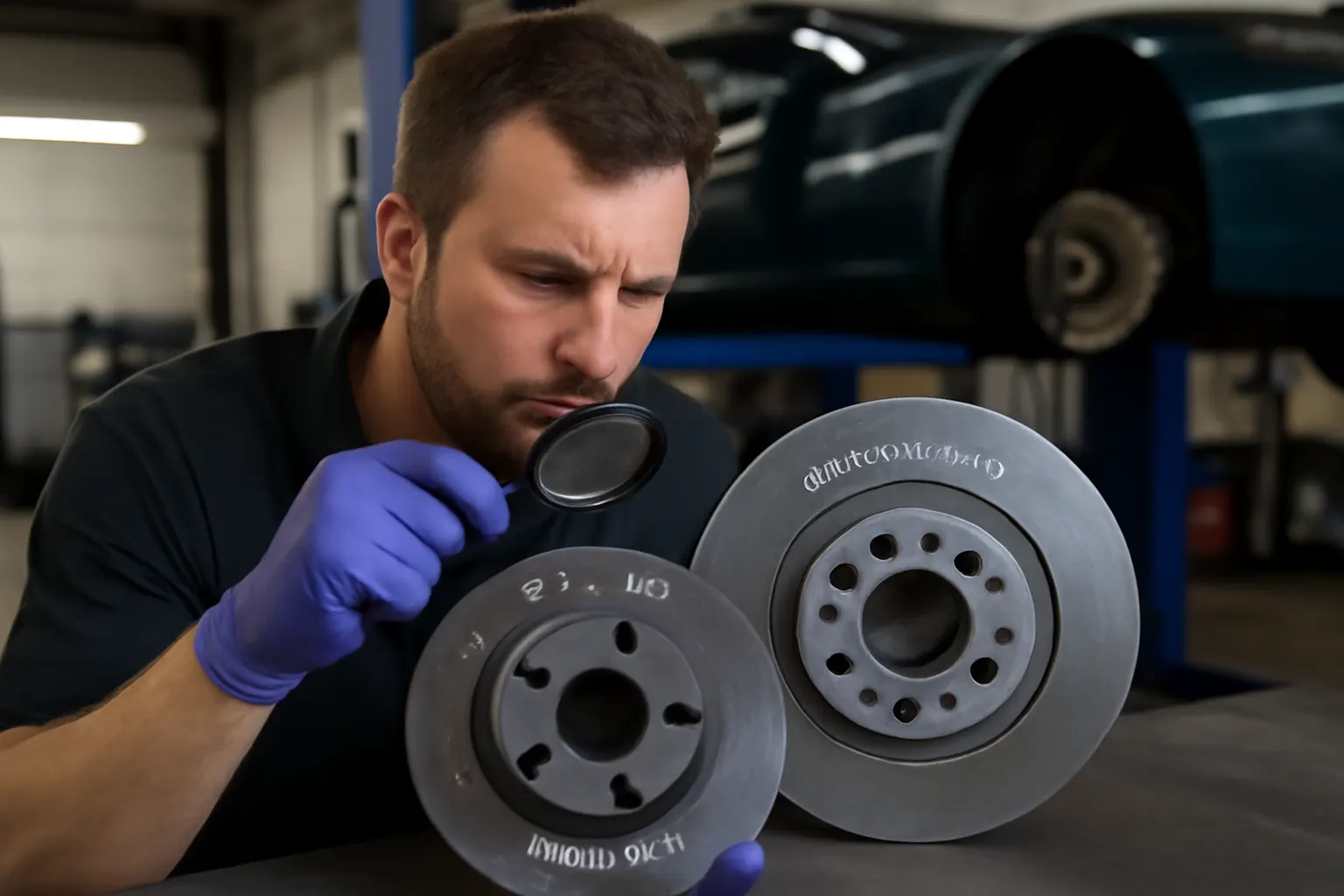
| Visual Inspection | Surface finish, casting marks, paint quality | Rough edges, uneven paint, poor machining |
| Branding | Aston Martin logos, part numbers, holograms | Misspellings, missing logos, low-quality printing |
| Serial Numbers | Match numbers to manufacturer’s database | Serial doesn’t match OEM records or is missing entirely |
| Packaging | Quality of box, labels, manuals | Generic boxes, blurry labels, missing documentation |
| Materials | Weight, feel, and material consistency | Feels lighter, plastic instead of metal, poor fit |
| Documentation | Installation guides, warranty cards | No paperwork, vague or generic instructions |
| Supplier Reputation | Reviews, certifications, return policy | No verifiable history, reluctance to provide details |
Supplier Vetting: Choosing a Trustworthy Source
Even with the best inspection practices, your safest bet is to source parts from vetted suppliers. Look for the following:
- Authorized Aston Martin Dealers: These offer direct access to OEM parts with full traceability and manufacturer support.
- Reputable Specialists: Established independent suppliers with a track record in Aston Martin parts, clear return policies, and customer testimonials.
- Certifications: Look for suppliers who can provide documentation of authenticity, such as certificates of conformity or direct invoices from Aston Martin.
- Transparent Communication: Avoid sellers unwilling to answer detailed questions about sourcing, batch numbers, or warranty coverage.
For a curated list of trusted sources, visit our Aston Martin OEM & Genuine Auto Parts: Technical Sourcing, Heritage, and Fitment | AutoPartEx page.
Commonly Counterfeited Aston Martin Parts: What to Watch For
Certain Aston Martin components are more frequently targeted by counterfeiters due to their high demand and replacement frequency. Be especially vigilant with:
- Brake Rotors and Pads: Counterfeits often use inferior friction materials, leading to rapid wear and reduced stopping power (Aston Martin Brake Components & Sourcing).
- Lighting Assemblies: Headlights and tail lights are expensive and commonly imitated, but may lack correct beam patterns or weather sealing.
- Electronic Control Modules (ECUs): Fake ECUs may not communicate properly with the vehicle’s CAN bus, causing warning lights or drivability issues.
- Body Panels and Trim: Aftermarket or counterfeit panels may not match paint codes or fitment, leading to poor aesthetics and potential corrosion.
- Filters and Consumables: Oil, air, and cabin filters are easy to fake but crucial for engine protection and performance.
Diagnostic Techniques: Confirming Authenticity Beyond the Surface
Physical and Digital Verification
- Batch and Serial Number Lookup: Cross-reference the part’s serial number with Aston Martin’s official database or through your authorized dealer.
- Material Testing: For critical components, some shops offer non-destructive material analysis (e.g., XRF scanning) to verify alloy composition.
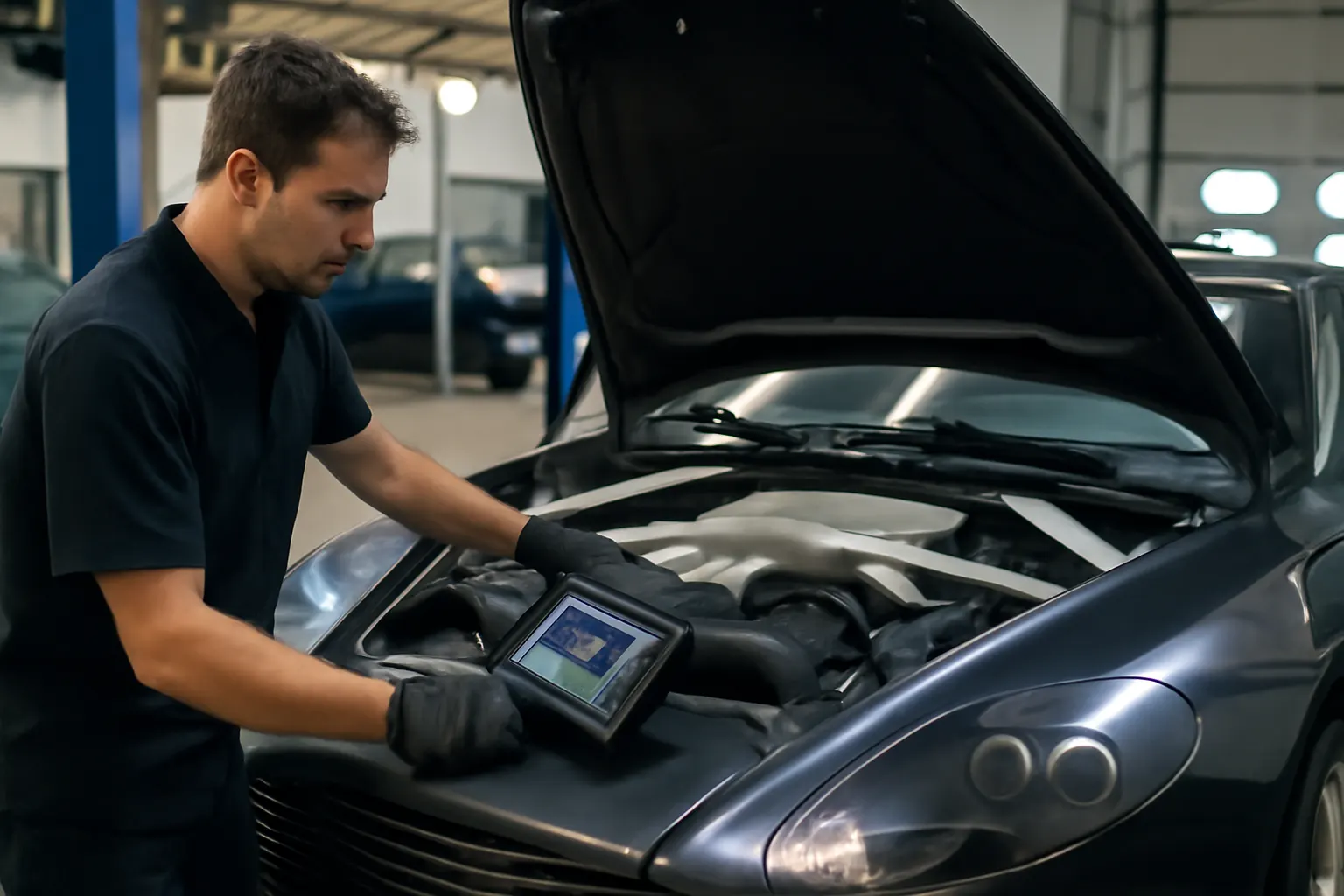
- Software Scans: Use diagnostic tools to check if electronic components (sensors, ECUs) communicate correctly with the vehicle.
Fitment and Installation Checks
- Dry Fit Before Use: Temporarily install the part without full assembly. Genuine parts should align perfectly with factory tolerances.
- Performance Monitoring: After installation, monitor for unusual noises, warning lights, or performance drops—these may indicate counterfeit or defective parts.
For more on fitment, our Aston Martin Parts Compatibility Guide provides detailed information on cross-model and year compatibility.
Real-World Scenarios: What Happens When Counterfeit Parts Are Installed?
Case Study 1: Counterfeit Brake Pads
An Aston Martin V8 Vantage owner sourced brake pads from an online marketplace. Within 2,000 miles, the pads crumbled under moderate braking, causing rotor scoring and a near loss of braking power. Post-failure analysis showed the pads were made from low-grade resin and lacked the heat resistance of genuine parts.
Case Study 2: Fake ECUs
A DB9’s “check engine” light persisted after the installation of a suspiciously cheap ECU. Diagnostics revealed the module failed to communicate with several onboard systems, leading to erratic engine behavior and eventual immobilization.
Case Study 3: Imitation Filters
A routine oil change with a counterfeit filter led to oil starvation and engine knock in a Rapide S. The filter’s bypass valve was missing, causing catastrophic engine wear.
The Role of Regulatory Standards and Recalls
NHTSA and SAE Oversight
The NHTSA maintains stringent guidelines for automotive safety equipment and regularly issues recalls for defective or counterfeit parts (NHTSA Recalls). SAE International develops the standards that underpin OEM part design and testing (SAE Standards). Counterfeit parts almost never meet these requirements, putting vehicles and occupants at risk.
Recall Lookups
Always check the NHTSA recall database when sourcing used or NOS (new old stock) parts, especially for safety-critical systems such as airbags, seatbelts, and braking components.
Sourcing Strategies: How to Avoid Counterfeit Aston Martin Parts
Buy Direct or Through Authorized Channels
Whenever possible, purchase directly from Aston Martin dealers or their officially recognized partners. This is the most reliable way to ensure authenticity and warranty coverage.
Request Documentation
Ask for original invoices, certificates of authenticity, and batch numbers. Legitimate suppliers will provide these without hesitation.
Avoid “Too Good to Be True” Deals
Deep discounts or unbranded packaging are red flags. Aston Martin parts command a premium for a reason—quality, engineering, and provenance.
Use Traceable Payment Methods
Pay via methods that provide buyer protection and transaction records. This helps in case of disputes or return requests.
Installation and Maintenance Guidance for Genuine Parts
Pre-Installation Checks
- Inspect Parts on Arrival: Before installation, review the checklist above and document the part’s condition with photos.
- Test Fitment: Dry-fit the part to ensure correct alignment and compatibility.
- Consult Service Manuals: Use Aston Martin’s official service documentation for torque specs and installation sequences.
Post-Installation Monitoring
- Initial Performance Assessment: After installation, test the vehicle in a controlled environment to confirm correct operation.
- Routine Inspections: Schedule regular checks on newly installed components, especially if sourced from third parties.
For more on keeping your Aston Martin in peak condition, see our Maintaining Your Aston Martin: Service Intervals and Pitfalls editorial.
Fitment and Compatibility: Why It Matters
Aston Martin vehicles are engineered with tight tolerances and bespoke components. Even minor deviations in dimensions, materials, or assembly can lead to fitment issues, abnormal wear, or system errors. Genuine parts are designed to integrate seamlessly with your specific model and year, preserving the driving dynamics and reliability Aston Martin is known for.
For detailed compatibility information, consult our Aston Martin Parts Compatibility Guide.
The AutoPartEx Approach: Trusted Sourcing and Technical Support
At AutoPartEx, we understand the unique challenges of sourcing authentic Aston Martin parts. Our platform connects owners and technicians with verified suppliers, detailed technical fitment data, and expert guidance for every stage of the ownership journey. We rigorously vet our partners and provide transparent documentation for every part listed.
When you use AutoPartEx, you gain peace of mind knowing your Aston Martin is maintained with components that meet or exceed OEM standards. Explore our Aston Martin OEM & Genuine Auto Parts: Technical Sourcing, Heritage, and Fitment | AutoPartEx page for a curated selection and support from our technical team.
Expert Action: What to Do If You Suspect a Counterfeit Part
- Stop Using the Vehicle: For safety-critical parts, immediately cease driving until authenticity is confirmed.
- Document Everything: Take detailed photos of the part, packaging, and installation site.
- Contact the Supplier: Request proof of authenticity and original purchase documentation.
- Report to Authorities: Notify Aston Martin, NHTSA, or local consumer protection agencies if fraud is suspected.
- Replace With Genuine Parts: Source a verified replacement from an authorized dealer or trusted supplier.
Conclusion: Protecting Your Aston Martin’s Legacy
Counterfeit parts undermine the safety, performance, and heritage of your Aston Martin. By following rigorous inspection steps, sourcing from trusted suppliers, and leveraging expert resources like AutoPartEx, you can safeguard your investment and driving enjoyment. Stay vigilant, consult technical guides, and never compromise when it comes to authenticity.