Counterfeit Alfa Parts: What to Watch For
Counterfeit Alfa Romeo parts are a growing risk for enthusiasts, daily drivers, and professional technicians alike. If you’re sourcing replacement or upgrade components for your Alfa, knowing how to spot fake parts—and verify authentic ones—can prevent costly mistakes, safety issues, and disappointing performance. In this guide, the AutoPartEx Technical Editorial Team details exactly what to watch for, how to confirm authenticity, and the step-by-step actions you should take to protect your Alfa Romeo investment.
For the most up-to-date fitment data and model-specific Alfa Romeo part sourcing, see our Alfa OEM & Aftermarket Auto Parts: Technical Guide, Sourcing & Fitment | AutoPartEx.
Immediate Answer: How to Spot Counterfeit Alfa Romeo Parts
The quickest way to spot counterfeit Alfa Romeo parts is to check for the following red flags:
- Unusual packaging: Genuine Alfa parts use high-quality, branded packaging with accurate part numbers and barcodes.
- Suspiciously low prices: If a deal looks too good to be true, especially from non-reputable sellers, it likely is.
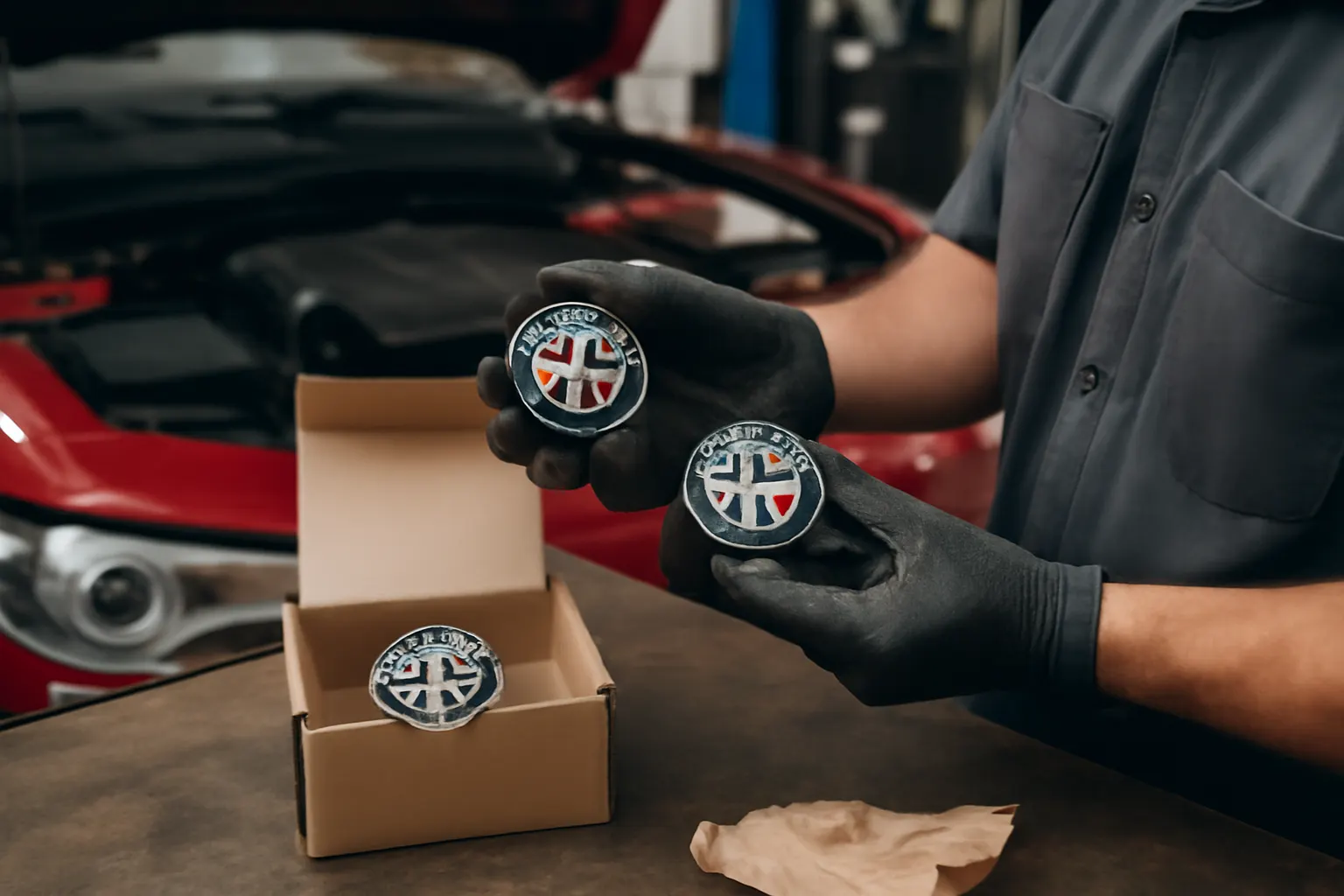
- Inconsistent branding or labeling: Misspellings, faded logos, or mismatched fonts on the part or box are common signs of counterfeits.
- Poor material quality: Genuine Alfa parts use specific alloys, coatings, and finishes that counterfeiters rarely replicate.
- Missing certifications or documentation: Authentic parts often include manufacturer’s certificates or QR codes for verification.
- Seller reputation and traceability: Only buy from authorized Alfa Romeo dealers or well-established aftermarket suppliers.
If you’re uncertain, cross-reference the part number and supplier information with official Alfa Romeo documentation or a reputable technical guide. Never install a part you suspect is counterfeit—doing so can compromise safety, performance, and even void your insurance.
The Hidden Problem: Counterfeit Parts Are More Common Than You Think
Counterfeit automotive parts are not just a problem for luxury vehicles or rare classics—they are a daily threat in the global replacement parts market. According to safety agencies, millions of counterfeit parts circulate annually, with suspension components, brake pads, sensors, and even fasteners being among the most commonly forged items.
For Alfa Romeo owners, the risk is amplified:
- Low-volume production: Alfa Romeo’s limited-run models create a lucrative market for counterfeiters, who exploit short supply and high demand.
- Complexity and specificity: Alfa’s engineering means that even minor deviations in material or fitment can cause major issues.
- Online marketplaces: The rise of global e-commerce makes it easier for counterfeiters to reach unsuspecting buyers, often with convincing listings and fake reviews.
The result? Owners pay for “OEM-quality” but receive substandard or outright dangerous components. These parts not only jeopardize the vehicle’s reliability but also pose real safety risks—especially in critical systems like brakes, steering, and airbags.
Expanding the Problem: Safety, Performance, and Regulatory Risks
Safety Hazards
Counterfeit Alfa Romeo parts may look the part, but they almost never meet the rigorous engineering and safety standards required by original equipment manufacturers (OEMs). According to the National Highway Traffic Safety Administration, counterfeit parts have been linked to:
- Brake failure due to low-grade friction materials
- Airbag malfunction or non-deployment
- Electrical shorts from substandard wiring
- Suspension collapse from weak alloys
These failures can lead to accidents, injuries, or even fatalities—risks that far outweigh any perceived savings.
Performance Degradation
Alfa Romeo vehicles are engineered for precise handling, efficiency, and performance. Counterfeit parts often:
- Increase fuel consumption due to improper fit or material drag (see Fuel Efficiency)
- Cause engine misfires or poor throttle response
- Accelerate wear on adjacent components, leading to cascading failures
Regulatory and Insurance Complications
If a counterfeit part causes an accident or mechanical failure, owners may face:
- Denied insurance claims
- Failed safety inspections
- Regulatory fines or forced recalls
For classic Alfa Romeo restorations or collector vehicles, using counterfeit parts can also destroy provenance and resale value.
Technical Deep Dive: What Makes an Alfa Part “Genuine”?
Materials and Manufacturing Standards
Genuine Alfa Romeo parts are manufactured to precise specifications using advanced materials and processes. For example:
- Metallurgy: Suspension arms, brake calipers, and drivetrain parts use specific alloys for strength, durability, and weight savings (Materials Technologies).
- Coatings and treatments: OEM parts use anti-corrosion coatings and thermal treatments that counterfeiters rarely replicate.
- Dimensional accuracy: Tolerances are tightly controlled, ensuring proper fit and function.
Certification and Traceability
Authentic Alfa parts typically include:
- Unique part numbers and barcodes: Directly traceable to Alfa Romeo’s global parts catalog.
- Holograms or tamper-evident labels: Difficult for counterfeiters to reproduce accurately.
- Documentation: Certificates of authenticity or QR codes that can be verified online.
Compliance with Industry Standards
OEM and reputable aftermarket parts comply with international standards (e.g., SAE, ISO) for safety and performance (SAE Standards). Counterfeit parts usually lack this compliance, even if they display fake markings.
Where Counterfeit Alfa Parts Commonly Appear
Counterfeiters target both high-value and high-turnover Alfa Romeo parts. Watch out especially for:
- Braking systems: Pads, rotors, calipers, and ABS sensors
- Suspension and steering: Control arms, bushings, tie rods
- Engine components: Timing belts, gaskets, filters, sensors
- Electrical systems: Ignition coils, ECUs, wiring harnesses
- Body parts: Badges, grilles, lighting assemblies
Online marketplaces, auction sites, and even some brick-and-mortar “discount” suppliers may unknowingly (or knowingly) stock counterfeit inventory. Rarity, high demand, and lack of transparency increase the risk.
Diagnostic Checklist: Is This Alfa Romeo Part a Counterfeit?
Use this checklist before you buy or install any Alfa Romeo part:
| Checkpoint | What to Look For | What to Do If Suspicious |
|---|---|---|
| Packaging | High-quality, correctly branded, no misprints | Compare with OEM box photos |
| Part Number | Matches Alfa Romeo catalog, not generic or missing | Verify with official sources |
| Price | Within 10–20% of typical market price | Avoid deals that are too low |
| Seller Reputation | Authorized dealer or established aftermarket supplier | Check reviews and credentials |
| Physical Inspection | No rough edges, casting marks, or inconsistent finishes | Reject if materials feel cheap |
| Documentation | Includes certificate, hologram, or QR code | Scan or check authenticity |
| Country of Origin | Matches Alfa’s known suppliers (Italy, EU, etc.) | Be wary of unknown origins |
If a part fails two or more of these checks, do not install it—return it and report the seller.
Sourcing Authentic Alfa Romeo Parts: Best Practices
Buy from Authorized Dealers
The most reliable way to avoid counterfeits is to purchase directly from Alfa Romeo dealerships or their certified parts departments. These sources guarantee:
- Genuine, warrantied parts
- Proper documentation
- Up-to-date fitment and compatibility data
Use Reputable Aftermarket Suppliers
If you’re sourcing non-OEM parts (for upgrades or cost savings), stick with well-known brands and established aftermarket distributors. Look for:
- Transparent sourcing and certification
- Clear return policies
- Technical support and installation guidance
Consult our Alfa OEM & Aftermarket Auto Parts: Technical Guide, Sourcing & Fitment | AutoPartEx for a curated list of reliable Alfa Romeo parts suppliers.
Avoid High-Risk Marketplaces
Exercise caution on global e-commerce sites, auction platforms, and peer-to-peer marketplaces. If you must use these sources:
- Research the seller’s history extensively
- Request original photos and documentation
- Pay with traceable, protected payment methods
Installation and Fitment: How Counterfeit Parts Compromise Your Alfa
Fitment Issues
Counterfeit parts often fail to match OEM tolerances. This leads to:
- Difficult or impossible installation
- Excessive play or tightness, causing premature wear
- Misalignment with adjacent components
For example, a counterfeit suspension bushing may be a few millimeters off, resulting in clunks, handling instability, or accelerated tire wear.
Safety Compromises
Improperly fitting brake pads, rotors, or steering components can cause:
- Reduced braking force
- Uneven wear and vibration
- Increased risk of catastrophic failure
Always cross-check fitment using a trusted resource like our Alfa Model Fitment & Compatibility Guide before installation.
Maintenance Risks: The Long-Term Cost of Counterfeit Parts
Accelerated Wear and Damage
Counterfeit Alfa parts may appear to function initially but often:
- Wear out far faster than genuine components
- Cause collateral damage to connected systems (e.g., oil leaks from poor gaskets damaging sensors or wiring)
- Require more frequent replacements, negating any up-front savings
Diagnostic Confusion
Non-genuine sensors, ECUs, or electrical parts can cause:
- Diagnostic trouble codes (DTCs) that are difficult to trace
- Intermittent failures, leading to repeated service visits
- Compatibility issues with Alfa’s onboard diagnostics
Maintenance Schedule Disruption
Counterfeit filters, fluids, or belts can throw off your maintenance intervals, leading to missed services or unexpected failures. For a reliable service schedule, consult our Alfa Maintenance Intervals & Service Checklist.
The Economic Impact: Saving Now, Paying Later
Many Alfa owners are tempted by cheap replacement parts, but the economic reality is stark:
- False savings: Counterfeit parts may cost 30–60% less, but their lifespan is often a fraction of OEM.
- Repeat labor costs: Replacing a failed counterfeit part means paying for labor twice—or more.
- Potential for major repairs: Engine or transmission failures caused by fake gaskets, belts, or sensors can cost thousands.
- Resale value: Documented use of counterfeit parts can reduce a vehicle’s value or make it unsellable to discerning buyers.
Regulatory Oversight and the Role of Standards
Safety Regulations
The National Highway Traffic Safety Administration (NHTSA) and similar agencies regulate automotive parts for safety, but enforcement is challenging with counterfeit imports. Always check for NHTSA or equivalent certification on safety-critical items.
Industry Standards
Legitimate Alfa Romeo parts comply with SAE standards for material quality, dimensional accuracy, and performance. Counterfeiters rarely meet these standards, even if they copy the markings.
Recalls
Counterfeit parts are not subject to official recalls. If your Alfa is affected by a recall, only genuine parts from authorized dealers will resolve the issue. See the NHTSA Recalls Database for current Alfa Romeo recalls.
What to Do If You Suspect a Counterfeit Alfa Part
- Do not install the part: Even if it appears to fit, using a counterfeit can be dangerous.
- Contact the seller: Request documentation or a return/refund.
- Report the issue: Notify Alfa Romeo customer service, the marketplace, and relevant authorities (e.g., NHTSA).
- Document everything: Take photos of the part, packaging, and correspondence.
- Consult a trusted technician: If the part is already installed and you suspect it’s counterfeit, have your Alfa inspected by a qualified mechanic.
Expert Solution Path: Protecting Your Alfa from Counterfeit Parts
- Educate yourself and your service provider: Share this guide with your mechanic or restoration shop.
- Build a relationship with a trusted supplier: Stick with authorized Alfa Romeo dealers or vetted aftermarket sources.
- Keep a parts log: Document every replacement part, with receipts and supplier information, for future reference.
- Use fitment guides and technical documentation: Confirm compatibility and authenticity before purchase and installation.
- Participate in Alfa Romeo forums and communities: Share experiences and warnings about known counterfeit sources.
For comprehensive fitment data, sourcing recommendations, and technical support, AutoPartEx offers dedicated Alfa Romeo resources—see our Alfa OEM & Aftermarket Auto Parts: Technical Guide, Sourcing & Fitment | AutoPartEx and Alfa Restoration Case Studies.
Why Trust AutoPartEx for Alfa Parts Guidance?
AutoPartEx combines technical rigor, verified data, and hands-on experience to help you keep your Alfa Romeo running at its best. Our editorial team draws on official manufacturer sources, industry standards, and real-world diagnostics to deliver actionable advice. Whether you’re restoring a classic Alfa or maintaining a modern Giulia, our guides ensure you avoid the pitfalls of counterfeit parts and source only the best for your vehicle.
Take Action: Secure Your Alfa’s Value and Safety
Counterfeit Alfa Romeo parts are a real and rising threat, but with the right knowledge and resources, you can avoid them. Always verify authenticity, use trusted suppliers, and refer to authoritative technical guides. If in doubt, consult with an Alfa Romeo specialist or reach out to the AutoPartEx team for sourcing and fitment support.
For more on authentic Alfa parts, model-specific fitment, and restoration insights, start with our Alfa OEM & Aftermarket Auto Parts: Technical Guide, Sourcing & Fitment | AutoPartEx.