Classic Alfa Maintenance: Sourcing Discontinued Parts
Maintaining a classic Alfa Romeo is a rewarding pursuit—until you need a part that’s been out of production for decades. The thrill of driving a vintage Alfa is only matched by the challenge of keeping it roadworthy, especially as original components become harder to find. This comprehensive guide explores proven strategies for sourcing discontinued Alfa Romeo parts, ensuring your classic remains authentic, safe, and enjoyable to drive.
If you're searching for genuine Alfa Romeo parts, fitment resources, or engineering insights, start with the Alfa Auto Parts: Genuine Alfa Romeo Parts, Fitment & Engineering | AutoPartEx hub for the most up-to-date inventory and compatibility data.
The Immediate Answer: Where to Find Discontinued Alfa Romeo Parts
For most classic Alfa Romeo owners, the first question is simple: Where can I find discontinued parts that fit and function as intended? The answer is a blend of specialized suppliers, networking with enthusiast communities, leveraging fitment guides, and learning to identify authentic components. Essential sources include:
- Classic Alfa Romeo specialist retailers (both online and brick-and-mortar)
- International Alfa Romeo clubs and forums
- Salvage yards and vintage automotive dismantlers
- Reputable online auction platforms
- Remanufacturers and reproduction part suppliers
- Alfa Romeo Fitment Guide for compatibility checks
This multi-pronged approach increases your chances of finding the right part—whether it’s a rare trim piece, period-correct brake caliper, or a hard-to-source timing belt tensioner.
Hidden Problem: The Risks of Substituting or Improperly Sourced Parts
While the urge to get your classic Alfa back on the road is strong, sourcing parts from questionable origins or substituting with “close enough” alternatives can introduce significant risks:
- Safety Compromises: Non-genuine or ill-fitting parts may not meet the original engineering or safety standards, potentially endangering vehicle occupants (NHTSA Equipment).
- Performance Degradation: Incorrect materials or tolerances can affect engine performance, fuel efficiency, or braking effectiveness (DOE Fuel Efficiency).
- Loss of Authenticity: For collectors, using non-original components can impact the vehicle’s value and historic integrity.
- Recalls and Compliance: Unvetted parts may not comply with recall replacements or regulatory standards (NHTSA Recalls).
Understanding these pitfalls is essential before making any purchase or installation decision.
The Deeper Challenge: Why Classic Alfa Parts Become Discontinued
The scarcity of vintage Alfa Romeo parts is rooted in several technical and economic realities:
- Low Production Volumes: Many classic Alfa models were produced in limited quantities, reducing the pool of available spares.
- Supplier Attrition: Original equipment manufacturers (OEMs) and their suppliers may have ceased operations or retooled for newer models.
- Changing Materials and Standards: Advances in engineering, materials science, and safety (see SAE Standards) mean that old part numbers are often superseded by modern equivalents that may not be a direct fit.
- Aging Stock: Even “new old stock” (NOS) parts can degrade over time, especially rubber, plastic, and electronic components.
This context explains why sourcing original parts is often a hunt requiring technical knowledge, patience, and networking.
Building Your Sourcing Strategy: A Step-by-Step Checklist
To maximize your chances of finding the right discontinued Alfa Romeo part, follow this structured approach:
Classic Alfa Romeo Parts Sourcing Checklist
-
Identify the Exact Part Needed
- Obtain the correct Alfa Romeo part number via service manuals or VIN decoding (Alfa Romeo VIN Decoding & Part Compatibility).
- Determine if there are known supersessions or alternate part numbers.
-
Authenticate the Part
- Reference Identifying Genuine Alfa Parts: Packaging & Markings for distinguishing original from reproduction or counterfeit parts.
-
Search Specialist Suppliers
- Prioritize vendors specializing in classic Alfa Romeo models.
- Check inventory on Alfa Auto Parts: Genuine Alfa Romeo Parts, Fitment & Engineering | AutoPartEx.
-
Engage with Alfa Romeo Communities
- Post wanted ads on forums and club boards.
- Attend classic car meets or swap events.
-
Explore Salvage and Dismantlers
- Contact yards known for European or Italian classics.
- Inspect condition and authenticity before purchase.
-
Consider Remanufactured or Reproduction Parts
- Assess quality and adherence to original specifications.
- Confirm compatibility using fitment guides.
-
Document and Track Your Search
- Keep records of part numbers, suppliers, and correspondence for future reference.
Diagnosing Part Compatibility: Avoiding Fitment Surprises
A common frustration is discovering that a sourced part doesn’t fit or function as required. Here’s how to minimize this risk:
- Use VIN and Model Data: Reference your Alfa’s VIN to confirm chassis, engine, and production year specifics (Alfa Romeo VIN Decoding & Part Compatibility).
- Consult Fitment Guides: Reliable guides cross-reference part numbers and model applications (Alfa Romeo Fitment Guide).
- Compare Physical Dimensions: When possible, measure the original part and compare with the replacement.
- Check Engineering Standards: Ensure the part meets relevant standards for materials and tolerances (SAE Standards).
Thorough pre-purchase research reduces installation headaches and returns.
Inspecting Used and NOS Parts: What to Watch For
When buying used or “new old stock” components, perform a detailed inspection:
- Rubber and Plastic Degradation: Look for cracks, brittleness, or discoloration—these materials can fail even if unused.
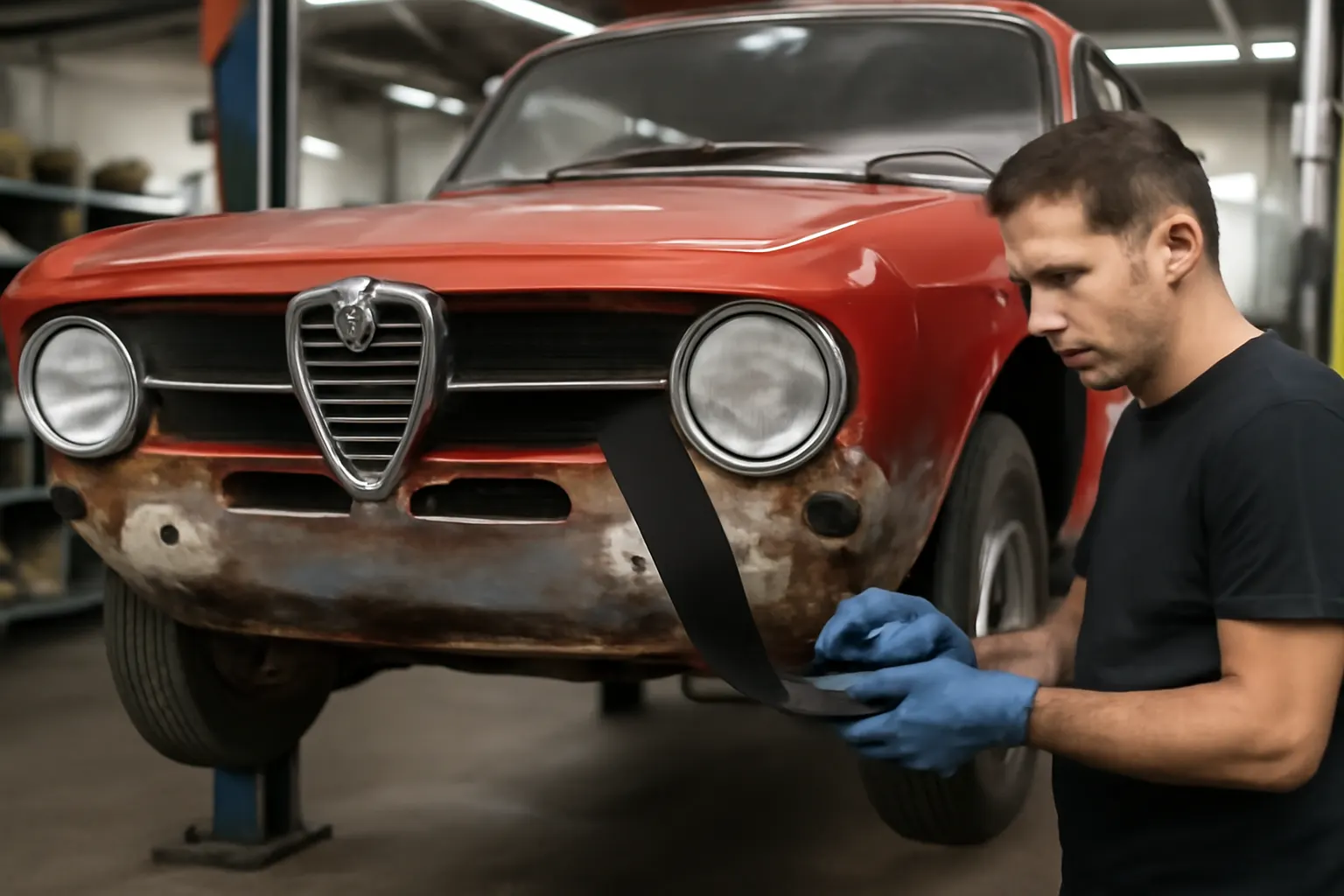
- Corrosion and Metal Fatigue: Examine metal parts for rust, pitting, or warping, especially on brake, suspension, and engine components.
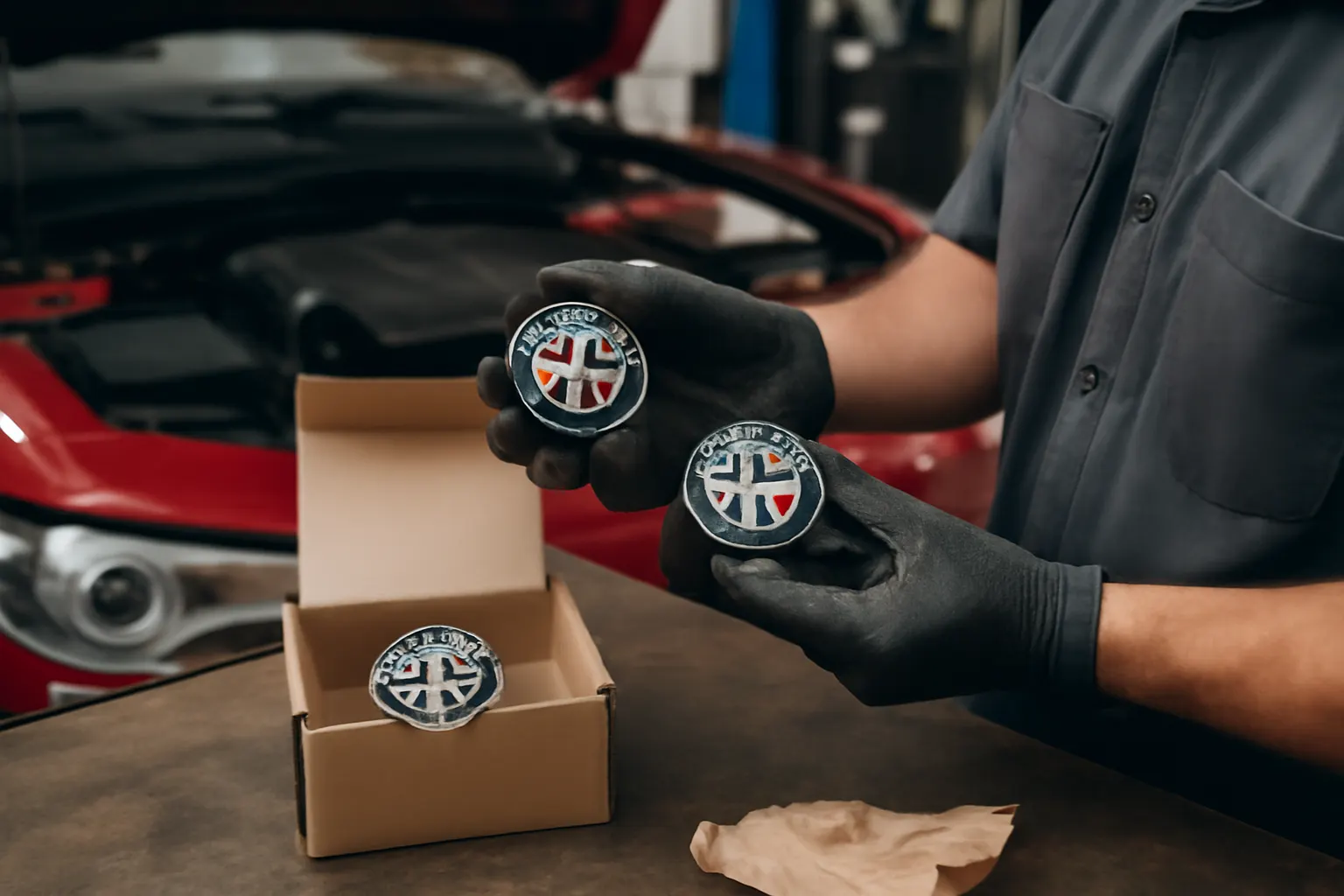
- Packaging and Markings: Authentic Alfa Romeo parts have specific markings and packaging cues (Identifying Genuine Alfa Parts: Packaging & Markings).
- Functional Testing: If possible, bench-test switches, relays, and electrical items before installation.
A careful inspection is critical for both safety and longevity.
Navigating Reproduction and Remanufactured Parts
When original parts are truly unavailable, high-quality reproductions or remanufactured components can be a viable solution. Considerations include:
- Source Credibility: Choose suppliers with a track record of engineering accuracy and quality control.
- Material Specification: Confirm that modern materials match or exceed the original’s properties (DOE Materials Technologies).
- Fitment Guarantee: Look for clear return policies and fitment support.
- Community Feedback: Consult Alfa forums and clubs for user experiences with specific reproduction parts.
Not all reproductions are created equal—due diligence is essential.
Salvage Yards and Dismantlers: Maximizing Success
Salvage operations can yield rare treasures, but success depends on preparation:
- Research Yards Specializing in European Classics: These are more likely to have Alfa Romeo inventory.
- Bring Tools and Reference Materials: Be ready to verify part numbers and remove parts yourself if needed.
- Inspect Donor Vehicles: Assess the condition and originality of the donor vehicle to gauge part viability.
- Negotiate Pricing: Be prepared to negotiate, especially for bulk or hard-to-move items.
Persistence pays off—some parts are only available from donor vehicles.
Leveraging Alfa Romeo Owner Communities
The Alfa Romeo community is a powerful resource for parts sourcing:
- Club Networks: Join local and international Alfa Romeo clubs for access to member inventories and swap meets.
- Online Forums: Participate in model-specific forums, where experienced owners often have surplus parts or leads.
- Social Media Groups: Facebook and other platforms host active Alfa groups with buy/sell threads.
- Event Participation: Attend classic car events, where parts trading is common.
Building relationships with fellow enthusiasts often leads to rare finds and insider advice.
Using Online Marketplaces and Auctions Safely
Platforms like eBay and specialist auction sites can be valuable but require caution:
- Vet Seller Reputation: Prioritize sellers with high ratings and positive feedback for classic Alfa parts.
- Request Detailed Photos: Ask for images of markings, packaging, and any wear or damage.
- Clarify Return Policies: Ensure you can return the part if it’s incorrect or not as described.
- Beware of Counterfeits: Cross-check part details with Identifying Genuine Alfa Parts: Packaging & Markings.
Online sourcing expands your reach but increases the need for due diligence.
Avoiding Common Pitfalls: Safety, Recalls, and Compliance
Classic Alfa maintenance isn’t just about sourcing parts—it’s about ensuring continued safety and compliance:
- Check for Recalls: Even vintage vehicles may have outstanding safety recalls (NHTSA Recalls).
- Verify Equipment Standards: Components affecting braking, steering, or lighting should meet current safety standards (NHTSA Equipment).
- Don’t Compromise on Critical Parts: For brakes, suspension, and steering, prioritize original or certified reproduction parts.
A shortcut on safety can have long-term consequences for both vehicle and occupants.
Installation and Maintenance: Getting the Most from Sourced Parts
Proper installation is as important as the part itself. Best practices include:
- Follow Factory Service Manuals: Use Alfa Romeo’s official procedures for installation and torque specifications.
- Inspect Mating Surfaces: Clean and check all surfaces before fitting new or used parts.
- Replace Gaskets and Seals: Even if the old ones look serviceable, new seals prevent leaks and future failures.
- Test After Installation: For safety-critical systems (brakes, steering), perform thorough functional checks.
Ongoing maintenance is essential—periodically inspect sourced parts for signs of wear or degradation.
Authenticity and Value: Preserving Your Alfa’s Heritage
For collectors and purists, authenticity matters:
- Maintain Documentation: Keep records of every part sourced, including provenance and installation details.
- Use Genuine Parts Where Possible: This preserves vehicle value and originality.
- Disclose Reproductions: If you use reproduction or remanufactured parts, document them for future owners.
A well-documented maintenance history enhances both pride of ownership and resale value.
The AutoPartEx Advantage: Your Partner in Classic Alfa Maintenance
At AutoPartEx, we understand the unique challenges of classic Alfa Romeo ownership. Our platform connects enthusiasts with:
- Curated Genuine and Reproduction Parts: Carefully vetted for fitment and quality.
- Expert Fitment Guides: Alfa Romeo Fitment Guide ensures you get the right part the first time.
- VIN Decoding and Compatibility Tools: Verify part numbers and applications with confidence.
- Technical Support: Our editorial team and partner network are ready to assist with sourcing, diagnostics, and installation.
Explore our Alfa Auto Parts: Genuine Alfa Romeo Parts, Fitment & Engineering | AutoPartEx page for the latest inventory and resources tailored to your vintage Alfa.
Expert Action: Start Your Classic Alfa Parts Search Today
Don’t let discontinued parts stall your passion for classic Alfa Romeo motoring. Begin by:
- Identifying your exact part needs using VIN and fitment guides.
- Connecting with reputable suppliers and Alfa Romeo enthusiast networks.
- Leveraging AutoPartEx’s resources for authentic, safe, and compatible components.
With the right approach and support, your classic Alfa can continue to deliver driving joy and historic value for years to come.
References
- Fuel Efficiency – United States Department of Energy
- Vehicle Safety and Equipment – National Highway Traffic Safety Administration
- Vehicle, Car Seat, Tire, and Equipment Recalls – National Highway Traffic Safety Administration
- SAE Standards – SAE International
- Materials Technologies – United States Department of Energy