How to Verify AMC OEM Part Authenticity
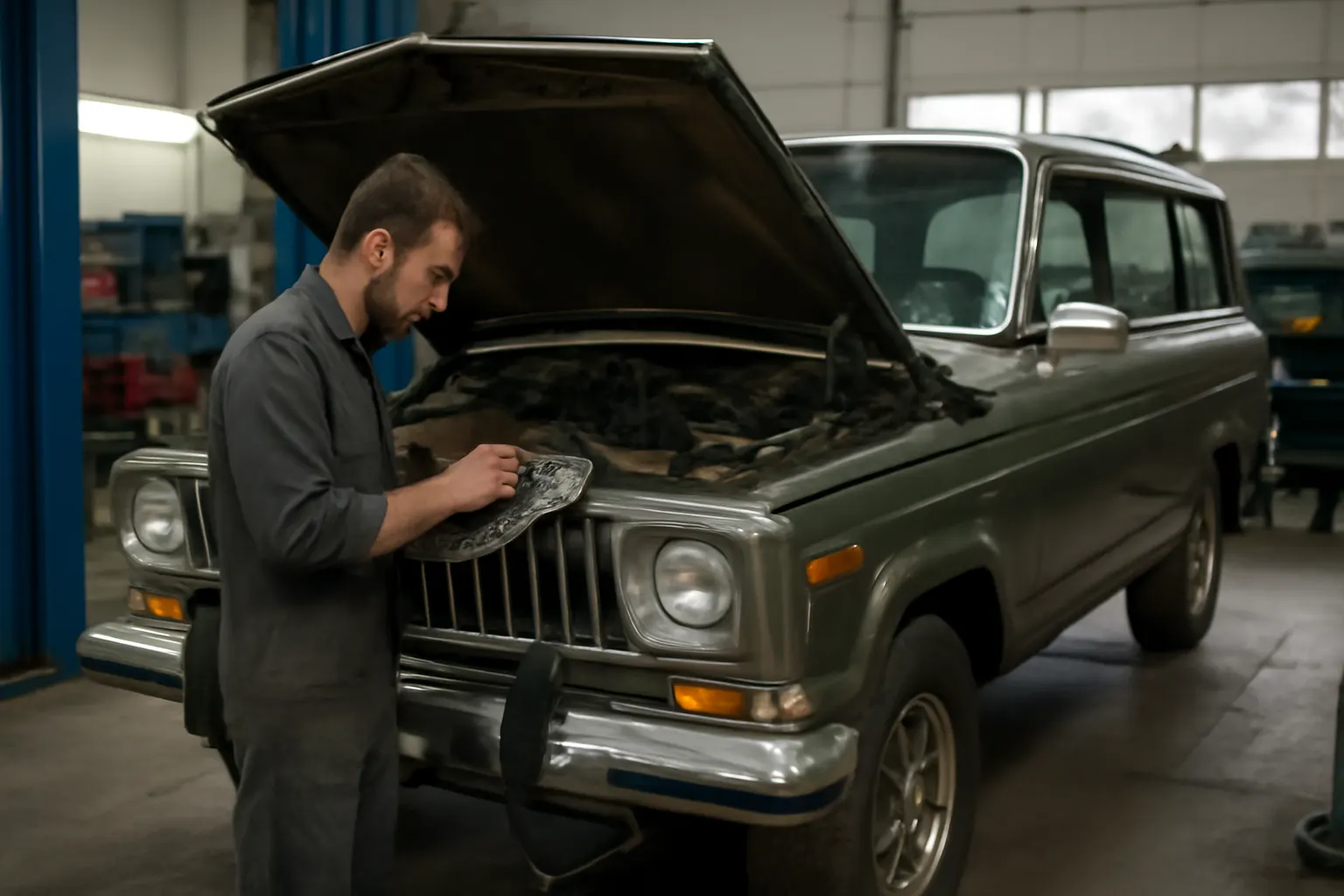
When restoring or maintaining a classic American Motors Corporation (AMC) vehicle, nothing is more critical than ensuring the parts you install are genuine OEM. Authentic AMC parts not only preserve your vehicle’s value and originality but also guarantee safety, fitment, and performance that aftermarket alternatives or counterfeits simply cannot match. This comprehensive guide from AutoPartEx delivers practical, step-by-step strategies for verifying AMC OEM part authenticity, distinguishing true factory components from reproductions and fakes using real-world examples, part number decoding, material analysis, and expert inspection techniques.
Whether you’re sourcing AMC engine components, suspension parts, or rare trim pieces, the risks of counterfeits and reproductions are real—and increasing as the AMC collector market grows. Start your authenticity journey with this authoritative guide, and for a broader look at AMC replacement and restoration, visit the AMC Auto Parts: Authentic Replacement & Restoration Guide | AutoPartEx.
The Immediate Answer: Key AMC OEM Authenticity Indicators
If you’re holding an AMC part in your hands or browsing an online listing, focus on these immediate identifiers to spot a genuine OEM piece:
- AMC Part Numbers: True AMC parts display a part number in a specific format (typically 7 digits, sometimes prefixed by “GR” or “AM”), often cast, stamped, or printed directly onto the component or its packaging.
- Logo and Branding: Look for the AMC logo, “American Motors,” or the “Jeep” emblem (for post-1970s AMC/Jeep crossover parts) in correct fonts and locations.
- Material Quality: OEM AMC parts utilize period-correct materials—cast iron, stamped steel, specific plastics—matching factory standards of the era.
- Finish and Markings: Original finishes (e.g., phosphate, zinc, or black oxide coatings), color codes, and date stamps are consistent and clean, not “aged” or artificially distressed.
- Packaging: Genuine AMC parts often come in branded boxes or bags with period-correct graphics and part numbers, sometimes including instruction sheets.
If your part passes these initial checks, it’s likely authentic—but deeper verification is essential, especially for high-value or safety-critical components.
The Hidden Problem: AMC Counterfeits and Reproductions
The AMC enthusiast community faces a growing challenge: as original parts become scarce and values climb, counterfeiters and reproduction manufacturers target rare AMC components. These “fakes” can appear convincing, sometimes even using old molds or forging part numbers, but they often fail in key areas:
- Safety and Performance: Counterfeit engine, suspension, or brake components may use subpar materials, risking failure and compromising vehicle safety. The National Highway Traffic Safety Administration warns that non-genuine parts often lack proper testing and certification.
- Fitment Issues: Reproductions may have incorrect dimensions, mounting points, or tolerances, leading to installation headaches or functional problems.
- Collector Value: Installing non-authentic parts can diminish your AMC’s originality and resale value, especially for rare models or concours-level restorations.
Because AMC ceased operations decades ago, the supply of true NOS (new old stock) parts is finite. As such, learning to spot and verify authentic AMC parts is a vital skill for restorers and collectors.
Why AMC OEM Authenticity Matters: Technical and Historical Stakes
Beyond the surface, the authenticity of AMC parts impacts several crucial domains:
Safety and Vehicle Integrity
Genuine AMC parts were engineered and tested to meet period safety standards, often in compliance with evolving federal regulations. For example, the NHTSA’s guidelines (Vehicle Safety and Equipment) emphasize that only certified equipment provides the performance and reliability expected by vehicle manufacturers and owners. Inferior counterfeits may not meet these standards, risking mechanical failure or even recall complications.
Performance and Efficiency
OEM AMC engine, drivetrain, and suspension components are designed for optimal fit and function. According to the U.S. Department of Energy, original parts contribute to proper fuel efficiency, emissions, and drivability—attributes that aftermarket or counterfeit parts rarely match.
Historical and Collector Value
For AMC enthusiasts, authenticity is paramount. Only genuine AMC parts preserve the historical integrity and collector value of classic vehicles. Concours judges, appraisers, and serious buyers will scrutinize part numbers, finishes, and even packaging when determining a vehicle’s originality.
Decoding AMC Part Numbers: The Bedrock of Authenticity
One of the most reliable ways to confirm AMC part authenticity is by decoding and cross-referencing the part number:
AMC Part Number Formats
- Seven-Digit Numeric: Most AMC parts use a 7-digit number (e.g., 3209867). This number may be cast, stamped, or printed on the part or its packaging.
- Prefix and Suffix Codes: Some parts have prefixes such as “GR” (Group Replacement) or suffixes indicating revisions or supersessions.
- Casting Numbers: On cast metal parts (engine blocks, manifolds, brackets), look for casting numbers and date codes. These should match known AMC numbering conventions and production years.
Cross-Referencing
- Factory Literature: Use AMC parts catalogs, factory service manuals, and period dealer bulletins to cross-check part numbers.
- Reputable Databases: Online resources and enthusiast forums often maintain comprehensive AMC part number lists, but always verify against original literature when possible.
Red Flags
- Missing or Altered Numbers: Absence of a part number, or evidence of grinding/overstamping, is a warning sign.
- Incorrect Fonts or Formats: OEM AMC part numbers have consistent font styles and sizes. Odd spacing, mismatched fonts, or off-center stamping often indicate a reproduction.
Material Analysis: Identifying Period-Correct Construction
Material quality is a telling indicator of AMC OEM authenticity. Here’s how to assess:
Metals
- Cast Iron and Steel: AMC used specific alloys for engine, drivetrain, and suspension parts. Look for heavy, robust construction and correct grain or casting marks.
- Sheet Metal: Body and trim pieces should match original gauge and finish. Reproductions may feel lighter, thinner, or have sharp edges.
Plastics and Rubber
- Plastics: AMC plastics (dash panels, knobs, lenses) have a distinct texture, color, and sometimes a subtle “AMC” mold mark.
- Rubber: OEM rubber bushings, grommets, and seals are dense and well-formed. Reproductions may be softer, shinier, or lack correct part numbers.
Coatings and Finishes
- Phosphate, Zinc, and Black Oxide: AMC used specific coatings for corrosion resistance and appearance. Genuine finishes are even and durable; reproductions may chip, flake, or appear “too new.”
If in doubt, compare your part to a known original or consult period-correct restoration guides.
Authentic Markings and Logos: What to Look For
AMC was meticulous about branding and identification. Here’s what authentic markings look like:
- AMC Logo: Often found on engine parts, electrical components, and some trim, the logo should be crisp, with correct proportions and no “bleeding” or blurring.
- “American Motors” or “Jeep” Text: Especially on packaging and documentation; font and placement should match period marketing materials.
- Date Codes and Batch Numbers: Many AMC parts have date stamps (e.g., “6-73” for June 1973) or batch codes, often in a specific location or format per component type.
Checklist: AMC OEM Markings
| Feature | Authentic AMC Part | Possible Reproduction/Counterfeit |
|---|---|---|
| Part Number | Correct format, clear stamping | Missing, altered, or incorrect format |
| AMC Logo/Branding | Present, crisp, correct font | Absent, blurry, wrong font |
| Date/Batch Codes | Present, matches production period | Absent or nonsensical |
| Material Quality | Period-correct, robust | Inferior, too light/heavy, odd finish |
| Packaging | AMC-branded, period graphics | Generic, modern, or unbranded |
Packaging and Documentation: Clues from the Box
Original AMC parts often come in distinctive packaging:
- Branded Boxes and Bags: Look for AMC, Jeep, or “American Motors” logos, period-correct fonts, and accurate color schemes.
- Instruction Sheets: Many NOS parts include installation instructions or warranty cards with AMC branding and part numbers.
- Aging and Storage: Genuine NOS packaging may show signs of age—yellowing, shelf wear—but should not look artificially distressed or “antiqued.”
Be wary of parts sold as “NOS” in generic or obviously modern packaging, or with photocopied instructions.
Real-World Examples: Spotting Fakes vs. Originals
Let’s examine a few high-risk AMC parts and what distinguishes OEM from fakes:
AMC Engine Valve Covers
- OEM: Heavy-gauge stamped steel, crisp “AMC” logo, correct part number stamped on the inside lip, black phosphate finish.
- Reproduction: Lighter metal, logo may be screen-printed or missing, no part number or incorrect format, paint may chip easily.
Suspension Control Arms
- OEM: Correct casting number, smooth welds, black oxide finish, original rubber bushings with AMC batch codes.
- Counterfeit: No casting number, rough welds, glossy paint, bushings feel soft or have no markings.
Dash Knobs and Switches
- OEM: Molded-in “AMC” or part number, period-correct plastic color, tight fit.
- Repro: No markings, color slightly off (too shiny or dull), loose fit or incorrect detent action.
Sourcing Authentic AMC Parts: Where to Buy (and Where to Beware)
Trusted Sources
- Reputable Vendors: Established AMC parts specialists, classic car dealers, or long-standing eBay sellers with excellent feedback and clear photos.
- Swap Meets and Shows: AMC club events, regional swap meets, and national shows are excellent places to find NOS parts and consult with experts.
- Club Networks: AMC owner clubs and forums often have classified sections or “parts wanted” boards.
Red Flags for Counterfeits
- Vague Listings: Sellers who can’t provide clear photos of part numbers, logos, or packaging.
- Too-Good-to-Be-True Pricing: Rare parts priced well below market value are almost always fake.
- “Fits AMC” vs. “AMC OEM”: Watch for language that suggests compatibility but not originality.
Before buying, always request detailed photos and cross-check part numbers and markings against trusted resources.
Inspection Techniques: Hands-On Verification
When you have the part in hand, use these expert inspection steps:
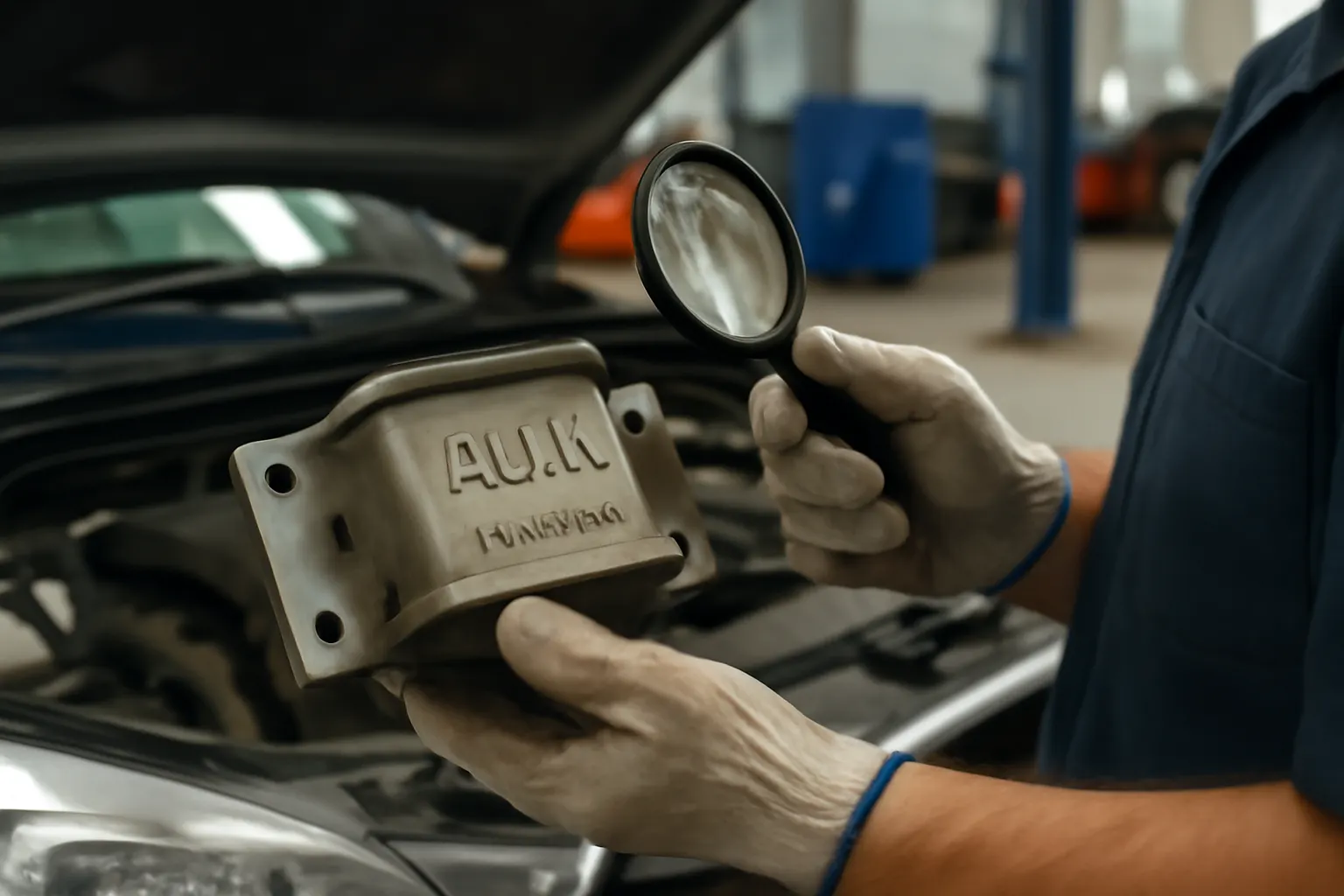
- Visual Inspection: Check for correct part number, logo, and finish using a magnifying glass if needed.
- Weight and Feel: Compare the weight and material to a known original. OEM parts often feel denser and more robust.
- Dimensional Check: Measure mounting points, holes, and lengths against factory specs or an original part.
- Material Testing: For critical parts, consider non-destructive material analysis (e.g., XRF testing) to confirm alloy composition.
- Fitment Trial: Temporarily fit the part to your vehicle (if possible) to check for alignment and proper engagement.
If any detail seems off, consult an AMC specialist or restoration expert before installing the part.
Maintenance and Documentation: Preserving Authentic AMC Parts
Once you’ve verified and installed an authentic AMC part, proper maintenance and documentation are key for long-term preservation:
- Keep Original Packaging: Save boxes, bags, and instruction sheets for provenance.
- Photograph Markings: Document part numbers, logos, and date codes before installation.
- Log Maintenance: Record the installation date, source/vendor, and any maintenance performed in your vehicle’s service history.
- Use OEM-Compatible Fluids and Fasteners: For engine, drivetrain, and suspension parts, use lubricants and hardware specified in AMC service literature to avoid compatibility issues.
This diligence will support your AMC’s provenance and value for future owners and appraisers.
Advanced Authentication: Consulting the Experts
Some AMC parts—especially high-value engine, transmission, or rare trim pieces—may require expert authentication:
- Third-Party Appraisers: Professional appraisers can verify authenticity for insurance, sale, or concours purposes.
- Restoration Specialists: Experienced AMC restorers have hands-on knowledge of period details and can spot subtle differences.
- SAE and NHTSA Standards: For safety-critical parts, ensure compliance with relevant SAE standards and NHTSA guidelines.
When in doubt, never hesitate to seek a second opinion before investing in or installing a questionable part.
Internal Resources: Further Reading and Fitment Guidance
AutoPartEx is dedicated to supporting AMC owners with authoritative guides, fitment references, and sourcing tips. For more in-depth information, explore these related resources:
- AMC engine parts: Detailed listings and fitment notes for AMC engines from 1960s-1980s.
- AMC Engine Rebuild Guide: Step-by-step technical walkthroughs and OEM parts sourcing for AMC engine rebuilds.
- AMC Suspension Fitment Reference: In-depth fitment and authenticity guidance for AMC suspension components.
- Preserving AMC’s Jeep Legacy: Editorial insights on AMC’s impact on Jeep models and the importance of authentic parts.
To browse our full range of AMC auto parts and restoration guides, visit the AMC Auto Parts: Authentic Replacement & Restoration Guide | AutoPartEx hub.
AutoPartEx: Your Trusted AMC Authenticity Partner
AutoPartEx stands at the forefront of authentic AMC parts sourcing and technical guidance. Our commitment to factual accuracy, technical depth, and real-world usability ensures that AMC owners, restorers, and collectors can shop and restore with confidence. Every product listing, fitment guide, and editorial is grounded in verified data and decades of hands-on expertise—so you can preserve AMC history the right way.
Conclusion: Protecting Your AMC Investment
Verifying AMC OEM part authenticity is a multi-layered process—one that requires attention to detail, technical knowledge, and a keen eye for historical nuance. By mastering part number decoding, material analysis, and expert inspection techniques, you can safeguard your AMC’s safety, performance, and collector value. As original AMC parts become increasingly rare, your diligence not only preserves your vehicle but also honors the legacy of American Motors.
For further guidance, sourcing, or technical support, turn to AutoPartEx—your definitive resource for authentic AMC restoration.