Spotting Counterfeit AMC Parts: Collector’s Checklist
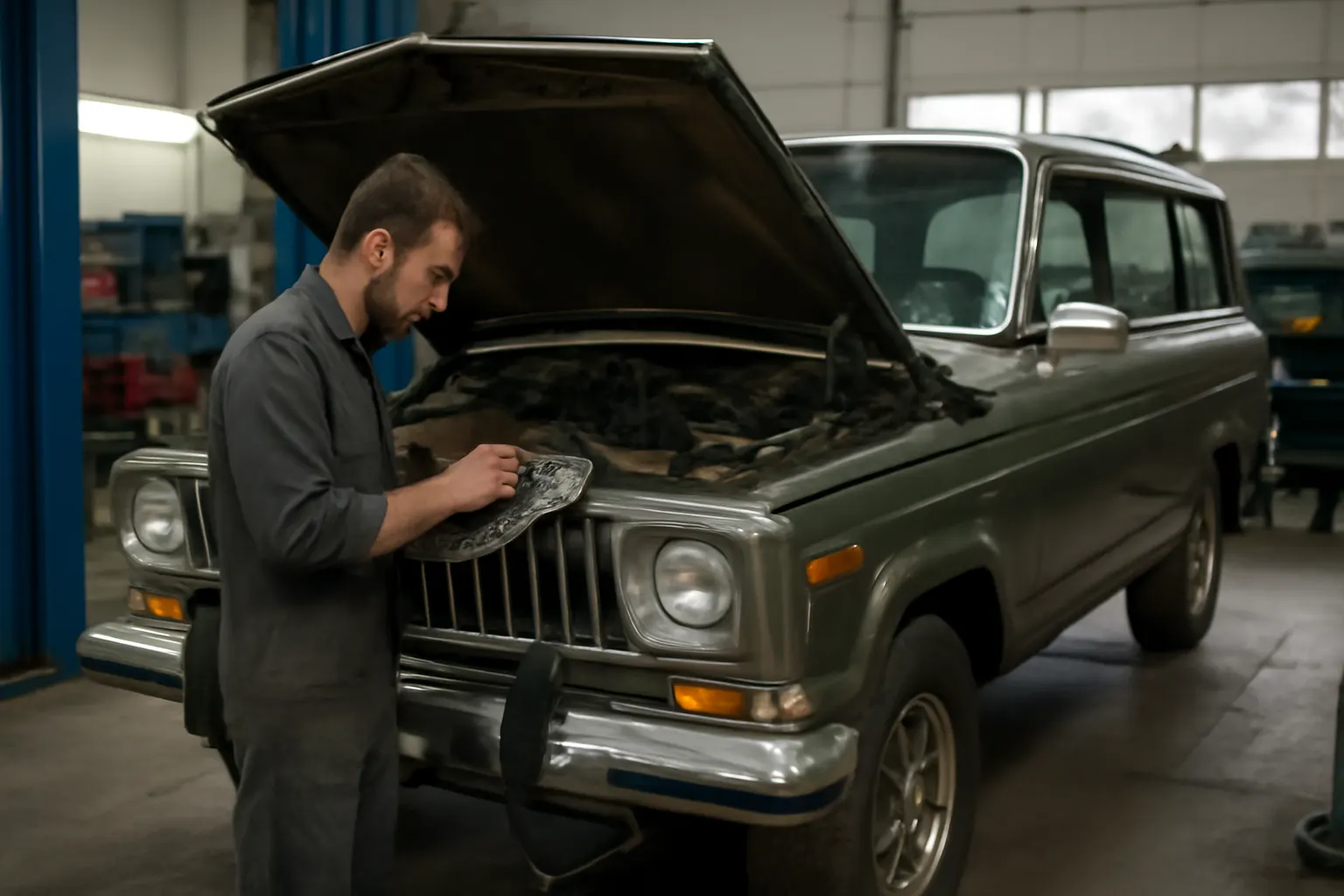
AMC vehicles—whether the classic Javelin, the rugged Eagle, or the revered AMX—hold a special place in American automotive history. For restoration enthusiasts and collectors, sourcing authentic AMC parts is crucial not only for value and originality, but also for safety and performance. However, the rise of counterfeit AMC components has made the marketplace treacherous. This collector’s checklist delivers immediate, actionable guidance for identifying fake AMC parts, complete with detailed authentication tips and practical steps for protecting your investment. For those seeking heritage, fitment, and genuine replacement expertise, our AMC Auto Parts: Heritage, Fitment, and Genuine Replacement Expertise resource provides further depth.
Why Counterfeit AMC Parts Are a Real Threat
At first glance, a counterfeit AMC part might look like the real deal—correct logo, similar packaging, and even the right part number. But beneath the surface, these fakes can undermine your restoration, compromise vehicle safety, and diminish collector value. According to the National Highway Traffic Safety Administration (NHTSA), counterfeit parts often fail to meet safety and performance standards, posing significant risks to classic car owners and enthusiasts 1. With AMC vehicles aging and genuine components becoming rarer, counterfeiters exploit the demand with increasingly sophisticated replicas.
The Hidden Cost: Safety, Value, and Authenticity
Counterfeit AMC parts aren’t just an aesthetic issue—they can introduce hidden dangers. Substandard materials, poor fitment, and lack of testing mean critical systems (like brakes, suspension, and engine components) may fail unexpectedly. The NHTSA highlights that non-genuine parts can void safety compliance, lead to recalls, and jeopardize not only the vehicle but also its occupants 1. For collectors, the use of counterfeit parts can also erode resale value, authenticity, and the historical integrity of AMC restorations.
Understanding the Marketplace: Why AMC Parts Are Targeted
AMC vehicles, produced from the 1950s through the 1980s, have a passionate following. As original AMC parts become scarcer, prices rise—making them a lucrative target for counterfeiters. Online auction sites, swap meets, and even some specialty retailers occasionally (knowingly or not) offer replicas or outright fakes. The complexity is compounded by AMC’s corporate history, with parts sometimes branded under Jeep, Rambler, or other AMC-acquired marques. This creates confusion and opens further opportunities for counterfeit parts to slip through the cracks.
Counterfeit AMC Parts: What to Watch For
Spotting a fake AMC part requires a sharp eye, a methodical approach, and an understanding of what distinguishes genuine components. Here are the most common areas where counterfeit AMC parts appear:
- Emblems and Trim: AMC logos, badges, and decorative trim are frequently reproduced.
- Braking Components: Pads, rotors, and master cylinders are safety-critical and commonly targeted.
- Engine Components: Carburetors, fuel pumps, and gaskets are often counterfeited due to their demand.
- Body Panels: Fenders, hoods, and door skins sometimes arrive as “NOS” (new old stock) but are actually new reproductions.
- Electrical Parts: Alternators, starters, and wiring harnesses are often cloned with subpar materials.
Collector’s Checklist: How to Authenticate AMC Parts
Use this detailed checklist to evaluate AMC parts before purchase or installation. Each step is designed to help collectors and restorers avoid costly mistakes and maintain the integrity of their vehicle.
1. Inspect Packaging and Labeling
- Original AMC packaging should show period-correct fonts, part numbers, and logos.
- Barcodes and holograms: Modern reproductions may feature generic barcodes or missing AMC holograms.
- Manufacturer details: Genuine parts often list the original AMC supplier or a known OEM partner.
2. Examine Casting Numbers and Markings
- Casting numbers: Cross-check against AMC parts catalogs or the AMC Engine Identification & Rebuild Guide.
- Date codes: Authentic parts often have date codes consistent with the vehicle’s build date.
- Logo accuracy: AMC logos should have correct proportions and sharp edges; blurring or off-center printing is a red flag.
3. Assess Material Quality
- Weight: Counterfeit parts often weigh less due to inferior materials.
- Finish: Look for uniform finishes; pitting, bubbling, or inconsistent chroming suggests a fake.
- Material composition: When possible, compare to known originals—magnet tests, density, and even sound can reveal discrepancies.
4. Check Fitment and Dimensions
- Fitment: Use the AMC brake parts catalog or AMC engine components selector to confirm dimensions.
- Mounting points: Misaligned or oddly spaced holes are a sign of poor reproduction.
- Tolerance: Genuine AMC parts have precise tolerances; excessive play or tightness on installation is suspicious.
5. Require Documentation and Provenance
- Receipts or invoices: Request original paperwork when possible.
- Seller reputation: Research the vendor’s history with AMC parts.
- Photos of part in situ: Ask for images of the part installed on a similar vehicle.
6. Cross-Reference with Trusted Sources
- Use AMC parts manuals: Compare numbers, diagrams, and photos.
- Consult AMC collector forums: Community knowledge can help verify authenticity.
- Contact AMC specialists: Restoration shops and reputable suppliers can provide expert opinions.
Deep Dive: Technical Differences Between Genuine and Counterfeit AMC Parts
Counterfeit AMC parts often fail to meet the technical standards required for safety and performance. Here’s how:
Material Science and Structural Integrity
Authentic AMC components were built to standards that balanced weight, strength, and durability. The U.S. Department of Energy notes that advanced materials—such as specific steel alloys, aluminum castings, and engineered plastics—were chosen for their performance characteristics 2. Counterfeiters, seeking to cut costs, often use generic or recycled metals that lack the required tensile strength and corrosion resistance. This is especially dangerous for structural and safety-critical parts like suspension arms and brake rotors.
Manufacturing Tolerances
Genuine AMC parts were produced with strict tolerances, as defined by both AMC and industry standards (such as those published by SAE International 3). Counterfeits are frequently manufactured using lower-precision molds or outdated equipment, resulting in parts that may not fit correctly or perform as intended. Even a 1mm deviation in a brake caliper mounting hole can compromise brake performance and safety.
Surface Finishing and Coatings
Proper finishing—whether paint, chrome, anodizing, or phosphate coating—protects AMC parts from corrosion and wear. Counterfeit parts often skip or inadequately apply these treatments, leading to premature failure or visible degradation. This is particularly noticeable on exterior trim, fasteners, and under-hood components.
Diagnostic Techniques: How Collectors and Mechanics Spot Fakes
Visual Inspection with Magnification
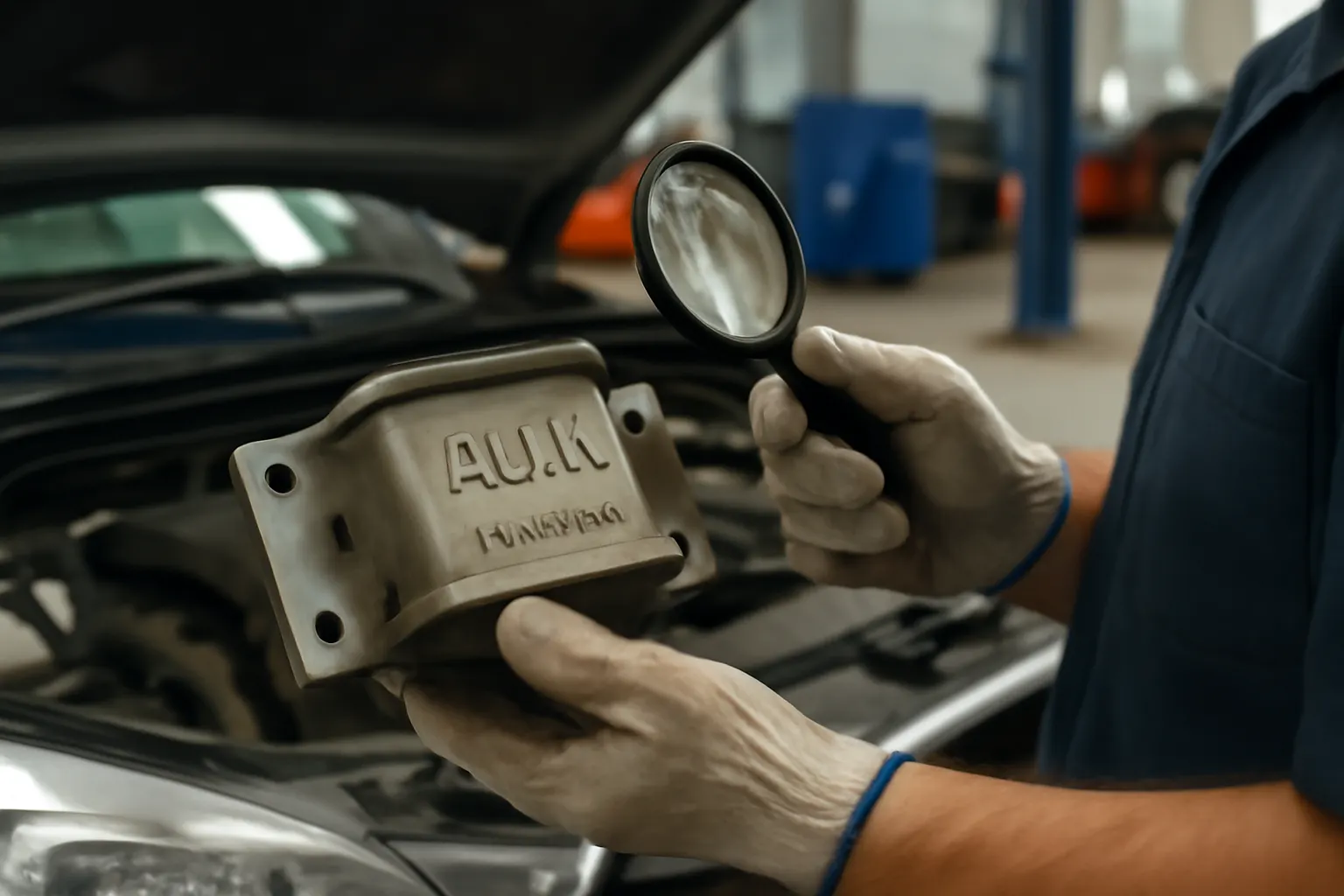
A jeweler’s loupe or magnifying glass can reveal surface flaws, stamped numbers, or logo inconsistencies that are invisible to the naked eye. Compare suspect parts to known originals, focusing on:
- Edge sharpness of logos and numbers
- Uniformity of finish
- Micro-pitting or tool marks not present on genuine parts
Weight and Density Testing
Use a digital scale to compare the weight of suspect parts to originals. Significant differences (more than 5-10%) often indicate the use of inferior materials or hollow construction.
Magnet and Hardness Testing
Many AMC metal parts are made from specific ferrous alloys. A simple magnet test can reveal if a part that should be steel is instead made from a non-magnetic alloy, indicating a counterfeit. For more advanced collectors, hardness testing (using Rockwell or Brinell methods) can confirm material composition.
Dimensional Verification
Using calipers or micrometers, measure critical dimensions and compare to technical documentation or trusted reference parts. Even small discrepancies can signal a fake.
Sourcing Genuine AMC Parts: Where to Buy and What to Avoid
When sourcing AMC parts, prioritize reputable vendors and established networks. Here’s how to minimize risk:
- Buy from known AMC specialists: Reputable restoration shops and parts suppliers are less likely to offer counterfeits.
- Avoid too-good-to-be-true deals: Deeply discounted “NOS” AMC parts on auction sites often signal fakes.
- Request detailed photos: Ask for close-ups of markings, packaging, and any unique features.
- Use internal resources: Leverage the Sourcing Genuine AMC Parts in a Modern Marketplace guide for vendor recommendations and marketplace strategies.
The Role of Documentation: Protecting Provenance and Value
Authenticity is not just about the part itself, but also its documented history. Collectors should:
- Maintain detailed records: Save all receipts, correspondence, and photos relating to each AMC part.
- Photograph before and after: Take images of the part as received, during installation, and once in place.
- Register rare parts: For extremely rare or valuable AMC components, consider registering them with a recognized AMC club or registry.
This documentation not only supports authenticity but can also boost resale value and help resolve disputes if a part’s legitimacy is questioned in the future.
Case Study: Counterfeit AMC Brake Components
Brake parts are among the most frequently counterfeited AMC components. Here’s a real-world diagnostic scenario:
- Situation: A collector sources a set of AMC Javelin front brake rotors advertised as NOS.
- Red flags: Packaging is generic, with a faint AMC logo; casting numbers are present but font is slightly off.
- Testing: The rotors weigh 8% less than a confirmed original; finish is uneven; mounting holes are slightly misaligned.
- Outcome: The parts fail a fitment test on the vehicle, confirming they are not genuine AMC rotors.
This highlights the importance of thorough inspection, weight comparison, and fitment testing. For collectors restoring brake systems, refer to the AMC Brake System Restoration: Step-by-Step for authentic part sourcing and installation guidance.
Expert Tips: Avoiding Counterfeit AMC Parts
- Network with other collectors: Community knowledge is invaluable for spotting new counterfeit trends.
- Attend AMC-focused events: Swap meets and shows offer opportunities to handle and compare genuine parts.
- Stay updated on recalls: Monitor the NHTSA recalls database for AMC-related safety issues linked to aftermarket or counterfeit components.
- Invest in reference materials: Original AMC parts catalogs, service manuals, and restoration guides are essential tools.
What To Do If You Suspect a Counterfeit
If you believe you’ve purchased or received a counterfeit AMC part:
- Do not install the part.
- Contact the seller immediately and request clarification or a refund.
- Report the incident to the NHTSA and relevant AMC clubs or registries.
- Share your experience with the AMC collector community to warn others.
AutoPartEx: Your Partner in Authentic AMC Restoration
AutoPartEx is committed to helping collectors and restorers source authentic AMC auto parts, maintain historical accuracy, and ensure vehicle safety. Our platform provides robust verification tools, access to trusted vendors, and a knowledge base grounded in technical standards. For further details on AMC part fitment, technical specifications, and restoration advice, explore our AMC Auto Parts: Heritage, Fitment, and Genuine Replacement Expertise and related guides.
Summary: Protecting Your AMC Investment
Spotting counterfeit AMC parts requires vigilance, technical knowledge, and a methodical approach. By following the checklist above—inspecting packaging, verifying casting numbers, assessing material quality, and demanding documentation—collectors can safeguard their vehicles, maintain authenticity, and preserve value. Stay connected with the AMC community, leverage trusted resources, and always prioritize safety and provenance in every restoration project.
References
- Vehicle Safety and Equipment – National Highway Traffic Safety Administration
- Materials Technologies – United States Department of Energy
- SAE Standards – SAE International
Footnotes
-
Vehicle Safety and Equipment – National Highway Traffic Safety Administration, https://www.nhtsa.gov/equipment ↩ ↩2
-
Materials Technologies – United States Department of Energy, https://www.energy.gov/eere/vehicles/materials-technologies ↩
-
SAE Standards – SAE International, https://www.sae.org/standards ↩