
AMC Rambler Auto Parts
AMC Rambler Auto Parts & Model Maintenance Guide
The AMC Rambler is a cornerstone of American automotive history, produced by American Motors Corporation (AMC) from 1958 through 1969 across multiple body styles and mechanical configurations. Revered for its practicality, engineering simplicity, and robust build quality, the Rambler spans a range of sedans, wagons, convertibles, and hardtops. As an emblem of mid-century innovation, the Rambler's enduring legacy is reflected in its ongoing restoration scene and active enthusiast community. For owners and restorers alike, sourcing correct-fit AMC Rambler auto parts is essential to preserve authenticity, safety, and drivability. This page is designed to provide a comprehensive overview of model-specific parts needs, service planning, and technical fitment challenges unique to the Rambler platform.
Many AMC Rambler owners and enthusiasts are unaware of the nuanced risks associated with maintaining and restoring these classic vehicles. Hidden beneath the Rambler’s straightforward exterior are challenges tied to part scarcity, age-related material fatigue, and platform-specific fitment concerns. Over the decades, original AMC parts have become increasingly rare, and aftermarket compatibility is often inconsistent. Subtle differences in trim, drivetrain, and production year can result in significant fitment issues, especially with suspension, brake, and interior components. Additionally, the age of these vehicles means that even well-preserved Ramblers may face deterioration in critical systems such as fuel delivery, brakes, and electrical wiring, which are not always evident during casual inspection.
Common issues for the AMC Rambler stem from its evolving manufacturing standards, drivetrain variations, and the limited interchangeability of certain mechanical components. Engine options ranged from inline-6 to V8s, each with unique mounting, cooling, and fueling requirements. Platform updates throughout the 1960s introduced incompatibilities between early and late Rambler models, particularly in brake hardware, suspension geometry, and electrical harnesses. Many original parts have been discontinued, and reproduction alternatives may require modification or adaptation. Owners frequently encounter difficulties sourcing correct bushings, weatherstripping, ignition parts, and trim pieces—problems compounded by a lack of standardized documentation across Rambler sub-models and production years.
Addressing AMC Rambler maintenance and restoration begins with precise diagnostics and a methodical approach to service planning. Owners should reference VIN and body tag data to verify production year, engine type, and factory-installed options before sourcing replacement parts. Cross-referencing original AMC part numbers, where available, ensures compatibility and fitment accuracy. When OEM or NOS (New Old Stock) parts are unavailable, carefully selected aftermarket and reproduction components can offer viable solutions—though attention to material quality and installation requirements is crucial. Specialized suppliers and enthusiast forums provide valuable insights into part sourcing, interchange guides, and model-specific service bulletins. By leveraging trusted resources such as the AMC Rambler Fitment Guide and AMC Rambler Restoration Mistakes, and adhering to best practices for classic vehicle maintenance, Rambler owners can achieve reliable operation and preserve the vehicle’s historical integrity.
Filter AMC Rambler Parts
Other AMC Models
42 AMC Rambler Auto Parts
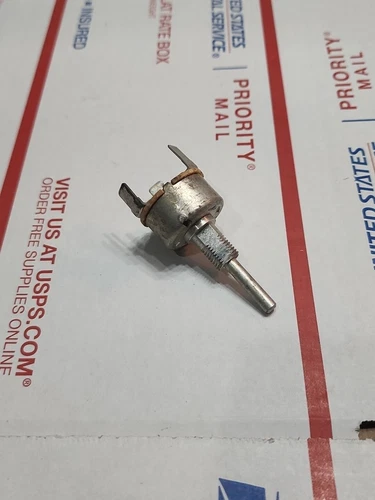


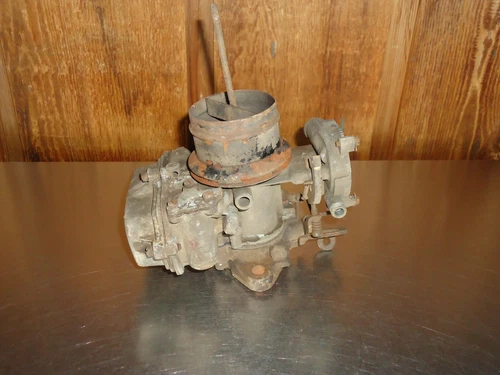
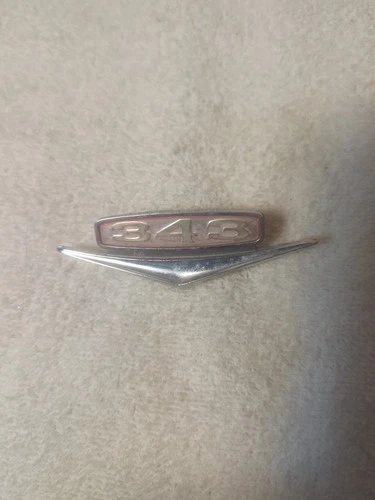
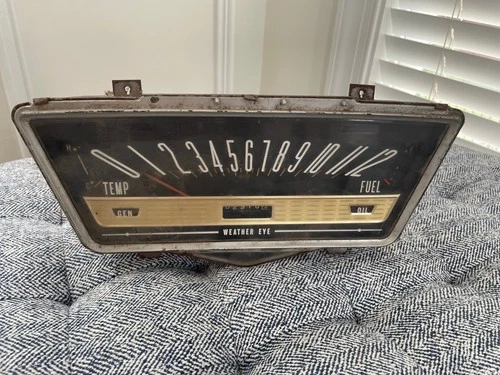
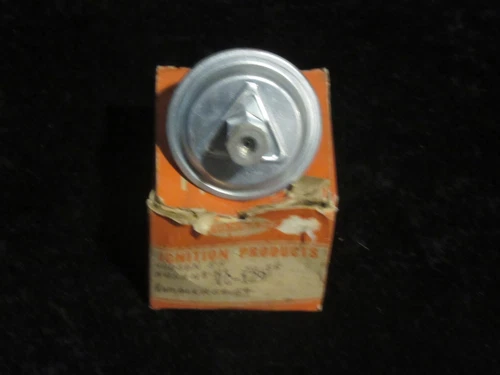
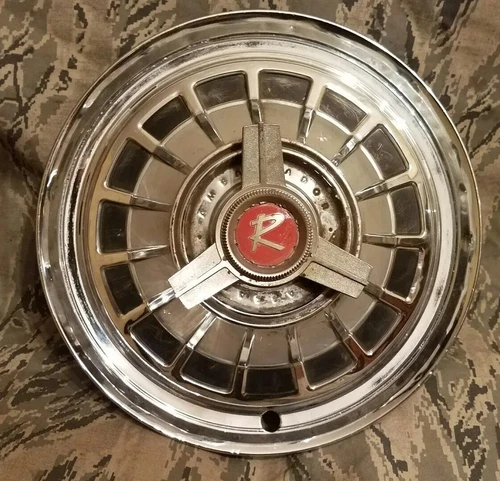
More AMC Rambler options
Filtering for AMC RamblerBrowse nearby inventory for this model without leaving the page. Use search to filter by price, part number, or city.
No Data Available
Please check back soon when more inventory is available for this part.
Expert AMC Rambler Specs, Sourcing Strategy, and AutoPartEx Solutions
Over time, the AMC Rambler’s value proposition shifted from basic economy to more refined transportation, reflected in both mechanical and cosmetic upgrades. This progression complicates restoration projects: for example, the introduction of new heater core designs, upgraded brake boosters, or modified wiring harnesses in mid-1960s models can cause confusion when ordering parts. Furthermore, AMC’s practice of using vendor-supplied components—tailored to specific model years—means that even common items like fuel pumps, water pumps, or distributor caps may require precise identification.
Service intervals for a Rambler must account for the harsher demands placed on materials over decades of use. Chassis lubrication, brake fluid flushes, and cooling system maintenance are non-negotiable tasks. Original rubber components are particularly vulnerable to dry rot and should be inspected and replaced where necessary. Electrical reliability is another key area: brittle insulation or corroded connectors can lead to intermittent faults that are difficult to diagnose without a systematic approach. When sourcing parts, it is recommended to reference AMC factory manuals and cross-check part numbers with reputable suppliers.
The scarcity of certain NOS and OEM pieces has led to a vibrant reproduction market, but not all aftermarket offerings meet original specifications. It is not uncommon for reproduction weatherstripping or trim to require fitting adjustments or additional adhesives. Owners should seek out suppliers with a proven track record and be wary of non-specific or universal-fit components. Engaging with the Rambler enthusiast community—through forums and specialist clubs—can provide valuable recommendations and firsthand experiences regarding parts quality and supplier reliability. Ultimately, a methodical and well-documented strategy will yield the best results for AMC Rambler maintenance and restoration.
AMC Rambler Service Quick Reference
Engine & Drivetrain Types
Inline-6 (195.6, 232, 258) and V8 (287, 327) engines; manual and automatic transmissions; differences in mounts, fueling, and cooling across years.
Common Parts Needs
Chassis bushings, brake cylinders/shoes, ignition components, fuel pumps, weatherstripping, and electrical connectors—inspect for age and compatibility.
Critical Service Intervals
Oil/filter changes every 3,000 miles, annual brake inspections, coolant flush every 2 years, proactive replacement of hoses, belts, and rubber seals.
Fitment & Compatibility Checks
Always confirm part numbers and compare original components to replacements. Consult AMC factory manuals or trusted guides for each major job.
References
- Vehicle, Car Seat, Tire, and Equipment Recalls - National Highway Traffic Safety Administration, accessed 2024-06-15Cited for recall, manufacturer, and equipment verification.
- Fuel Efficiency - United States Department of Energy, accessed 2024-06-15Supports content on AMC Rambler engine types and fuel system maintenance.
- Materials Technologies - United States Department of Energy, accessed 2024-06-15Used for information on body construction, materials, and restoration best practices.
Related Guides & Articles

Amc Rambler Fitment Guide
Identify the correct AMC Rambler ignition, fuel, and cooling components for your model year with this complete fitment guide. Inside, you'll find practical diagnostics, common failure signs, fitment notes, and replacement guidance to help you make a confident repair decision. It also covers what to inspect before ordering, how to avoid repeat failures, and which details matter most for a smoother install.
View Guide
Amc Rambler Brake Restoration
Learn how to restore AMC Rambler brake systems safely and effectively, from drum brakes to later disc conversion options. Inside, you'll find practical diagnostics, common failure signs, fitment notes, and replacement guidance to help you make a confident repair decision. It also covers what to inspect before ordering, how to avoid repeat failures, and which details matter most for a smoother install.
Read More
Amc Rambler Restoration Mistakes
Explore the most common AMC Rambler restoration pitfalls, focusing on sourcing rare parts and avoiding compatibility errors. Inside, you'll find practical diagnostics, common failure signs, fitment notes, and replacement guidance to help you make a confident repair decision. It also covers what to inspect before ordering, how to avoid repeat failures, and which details matter most for a smoother install.
Read More
Amc Rambler Electrical Diagnostics
Step-by-step AMC Rambler electrical troubleshooting for classic wiring harnesses, fuse panels, and charging systems. Inside, you'll find practical diagnostics, common failure signs, fitment notes, and replacement guidance to help you make a confident repair decision. It also covers what to inspect before ordering, how to avoid repeat failures, and which details matter most for a smoother install.
View Guide