Alfa Restoration Case Studies
Restoring an Alfa Romeo to its original glory is both an art and a science. For enthusiasts and professionals alike, the journey from a weathered classic to a showpiece involves more than elbow grease—it demands technical know-how, strategic parts sourcing, and a deep understanding of fitment challenges unique to the Alfa marque. This comprehensive guide draws from real-world Alfa restoration projects, highlighting sourcing obstacles, technical solutions, and the transformative outcomes that define successful Alfa builds. Whether you’re a seasoned restorer or a first-time Alfa owner, this case study compendium will equip you with actionable insights, fitment checklists, and sourcing strategies. For a deeper dive into Alfa-specific part compatibility, visit the Alfa OEM & Aftermarket Auto Parts: Technical Guide, Sourcing & Fitment | AutoPartEx page.
The Immediate Answer: What Makes Alfa Romeo Restoration Unique?
Alfa Romeo restoration projects stand apart due to the marque’s rich history, distinctive Italian engineering, and the scarcity of authentic parts. Real-world case studies reveal that sourcing high-quality, original, or compatible aftermarket components is often the most significant challenge. Fitment issues, especially for models spanning several decades, require a precise technical approach and a thorough understanding of both OEM and aftermarket solutions. The result: successful restorations depend on blending historical accuracy, modern safety requirements, and practical sourcing strategies.
The Hidden Problem: More Than Just Parts—The Complexities of Alfa Fitment
While many expect the primary hurdle to be locating the right parts, seasoned Alfa restorers know that the real challenge lies in fitment and compatibility. Alfa Romeo’s evolving design language, frequent mid-series changes, and use of unique materials (as detailed by the United States Department of Energy’s Materials Technologies) complicate part interchangeability. Even genuine Alfa components from the same era may require adaptation or modification for a seamless fit. Inadequate fitment can compromise safety, performance, and the authenticity of the restoration, underscoring the need for rigorous technical validation.
Expanding the Problem: Sourcing, Safety, and the Threat of Counterfeit Components
The Sourcing Maze
Alfa Romeo’s limited production runs and model-specific engineering mean that many components—particularly body panels, switches, and trim—are no longer manufactured. Restorers are often forced to navigate a global network of specialist suppliers, salvage yards, and enthusiast forums. This fragmented market increases the risk of acquiring substandard or counterfeit parts, which can jeopardize both restoration quality and vehicle safety.
Safety Compliance and Modern Expectations
Modern safety standards, as outlined by the National Highway Traffic Safety Administration, are often stricter than those in place when classic Alfas were first built. Integrating contemporary safety equipment—such as improved braking systems, lighting, and seatbelts—without compromising the vehicle’s original character is a common challenge. Restorers must balance authenticity with compliance, especially for vehicles intended for road use.
The Counterfeit Conundrum
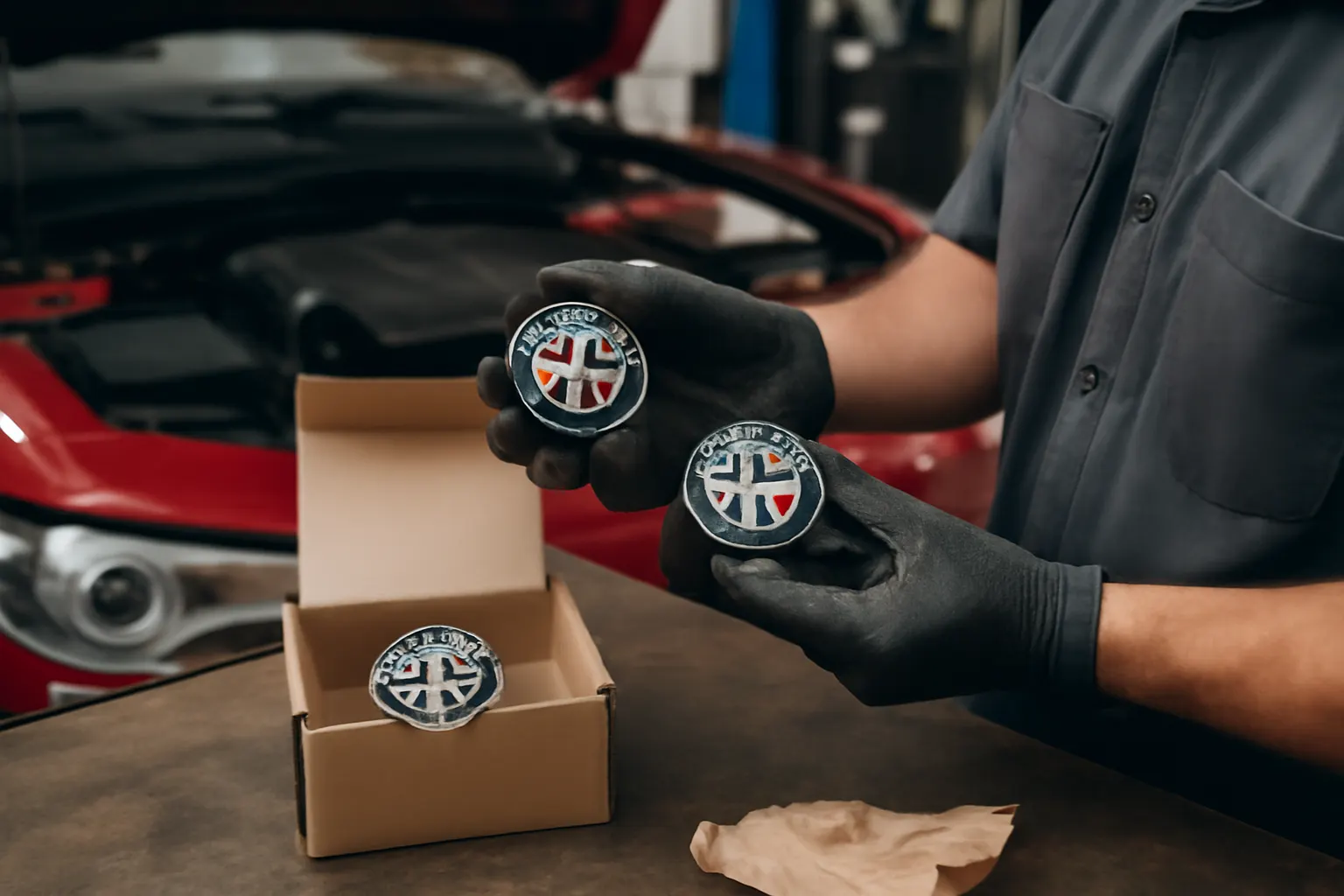
Counterfeit Alfa parts have proliferated in the last decade, with some reproductions nearly indistinguishable from genuine items at first glance. However, these parts can have subpar materials, incorrect tolerances, and even safety-critical failures. For a detailed guide on identifying and avoiding counterfeit Alfa components, see Counterfeit Alfa Parts: What to Watch For.
Case Study 1: 1972 Alfa Romeo Spider Veloce—Bodywork and Structural Challenges
Project Overview
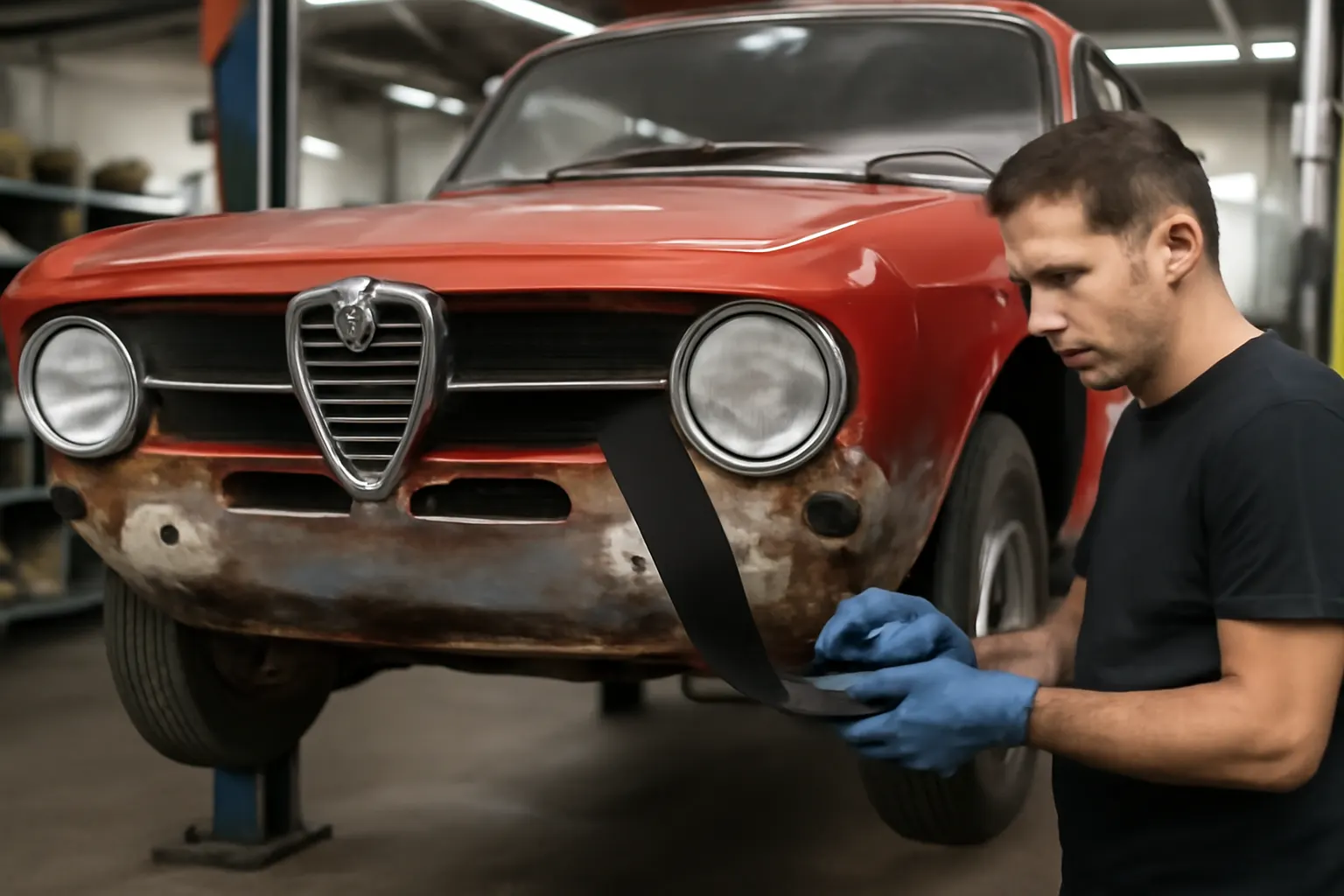
A 1972 Spider Veloce arrived at the shop with extensive rust in the sills, floor pans, and rear arches—a common issue with classic Alfas due to their steel construction and minimal rustproofing. The owner’s goal was a concours-quality restoration, using as many original parts as possible.
Sourcing and Fitment Solutions
- Body Panels: Genuine Alfa panels were unavailable. Aftermarket panels sourced from Italy required extensive test fitting and reshaping to match original contours. The use of modern materials—such as higher-grade steels—was considered, but compatibility with the original structure had to be verified for safety and performance (DOE Materials Technologies).
- Structural Integrity: All welds were cross-checked against factory diagrams and subjected to non-destructive testing to ensure chassis rigidity and alignment.
- Finishing: Period-correct paint formulations were sourced, but modern clear coats were used for durability.
Outcome
The Spider passed safety inspections and achieved high marks in concours judging, thanks to meticulous fitment and a blend of original and modern materials.
Case Study 2: 1985 Alfa Romeo GTV6—Engine and Drivetrain Restoration
Project Overview
The GTV6 is renowned for its Busso V6 engine, but this example suffered from severe internal wear and a failing transaxle. The restoration goal: retain the car’s legendary driving dynamics while improving reliability and efficiency.
Sourcing and Fitment Solutions
- Engine Rebuild: Sourcing OEM pistons and bearings proved impossible. High-quality aftermarket components, manufactured to SAE standards (SAE Standards), were selected for compatibility and durability.
- Fuel Efficiency Upgrades: The original fuel injection system was refurbished, and a modern electronic ignition was installed to improve cold starts and emissions, following guidance from the DOE Fuel Efficiency program.
- Drivetrain: The transaxle was rebuilt with upgraded synchros and seals, and all mounts were replaced with reinforced bushings for improved longevity.
Outcome
The GTV6 now delivers both period-correct performance and improved fuel efficiency, with all upgrades carefully documented for future reference.
Case Study 3: 1967 Alfa Romeo Giulia Sprint GT—Interior and Electrical Overhaul
Project Overview
This early Giulia Sprint GT arrived with a heavily deteriorated interior and non-functioning electrical system. The restoration focused on authenticity while subtly upgrading safety and comfort.
Sourcing and Fitment Solutions
- Interior: Original seat frames were restored, and new seat foams were fabricated to match the original density and shape. Upholstery was sourced from a specialist in Italy, ensuring correct stitching patterns and materials.
- Electrical: The original wiring harness was beyond repair. A reproduction harness, made to factory specifications, was installed. Modern fuses and relays were discreetly integrated to improve reliability and safety (NHTSA Equipment).
- Instrumentation: Original gauges were rebuilt and calibrated, with LED backlighting added for better visibility without altering the appearance.
Outcome
The Giulia’s interior now matches showroom standards, while the electrical system meets modern safety expectations without sacrificing period-correct aesthetics.
Diagnostic Checklists: Assessing Your Alfa Before Restoration
Before embarking on any Alfa restoration, a thorough diagnostic assessment is essential. Use the following checklist to identify key issues and prioritize work:
| Component Area | Inspection Points | Common Issues |
|---|---|---|
| Body/Chassis | Rust, accident damage, panel alignment | Corrosion, poor previous repairs |
| Engine | Compression test, oil leaks, timing chain/belt | Low compression, leaks, wear |
| Drivetrain | Gearbox smoothness, clutch operation, driveshaft | Worn synchros, vibration, leaks |
| Suspension/Steering | Bushing condition, play, alignment | Worn bushings, loose joints |
| Brakes | Pad/disc wear, hydraulic leaks, function | Seized calipers, fluid leaks |
| Electrics | Wiring integrity, lighting, charging system | Brittle wires, inoperative lights |
| Interior | Seat frames, dash cracks, trim condition | Broken frames, faded trim |
A detailed inspection will uncover hidden issues that may impact parts sourcing and restoration planning.
Sourcing Strategies: Navigating the Alfa Parts Landscape
OEM vs. Aftermarket
- OEM Parts: Offer the best fit and authenticity but are increasingly rare, especially for pre-1980 models.
- Aftermarket Parts: Range from high-quality reproductions to poorly made copies. Always verify supplier reputation and, where possible, request detailed specifications and material certifications.
Specialist Suppliers and Networks
- Alfa Specialists: Build relationships with established Alfa parts suppliers who understand the nuances of each model.
- Clubs and Forums: Engage with Alfa Romeo owner clubs and online communities. These networks often have leads on rare parts and can provide firsthand fitment advice.
- Salvage and Donor Cars: When new parts are unavailable, consider sourcing from donor vehicles—though always inspect for wear and verify compatibility.
Counterfeit Avoidance
- Visual Inspection: Check for casting marks, logos, and finish quality.
- Documentation: Request proof of origin or manufacturer certification.
- Expert Validation: When in doubt, consult with experienced restorers or Alfa specialists.
For a comprehensive guide on fitment and compatibility, refer to the Alfa Model Fitment & Compatibility Guide.
Fitment Solutions: Overcoming Compatibility Challenges
Test Fitting and Adaptation
- Dry Fit: Always test fit panels, trim, and mechanical components before final installation. Minor modifications are often necessary, even with genuine parts.
- Measurement and Documentation: Record all deviations from factory specs and document any adaptations for future reference or resale.
Engineering Upgrades
- Material Substitution: Where original materials are unavailable, use modern equivalents that match or exceed OEM strength and safety standards.
- Custom Fabrication: For obsolete parts, consider custom fabrication using CAD and CNC technologies. Ensure all custom parts are tested for fit and function.
Safety and Compliance
- Modern Safety Upgrades: Integrate improved seatbelts, lighting, and braking systems where possible, ensuring compliance with current NHTSA safety standards.
- Documentation: Maintain a detailed record of all modifications and upgrades for legal compliance and future maintenance.
Installation and Assembly: Best Practices for Alfa Restorers
Preparation
- Workspace: Ensure a clean, organized workspace with adequate lighting.
- Tooling: Use model-specific tools where required, especially for engine and suspension work.
- Reference Materials: Always consult factory service manuals and parts diagrams.
Assembly Sequence
- Subassemblies: Build major assemblies (engine, suspension, interior) off the car where possible for easier access and quality control.
- Torque Specifications: Follow Alfa’s torque specs or SAE equivalents for all fasteners.
- Sealing and Protection: Use modern sealants and rust inhibitors on all mating surfaces and cavities.
Quality Control
- Double-Check Fitment: Verify alignment, clearances, and operation of all moving parts.
- Test Runs: Conduct initial start-up and shakedown tests in a controlled environment before road use.
Maintenance Considerations Post-Restoration
Restoration is only the beginning—ongoing maintenance is critical to preserve both performance and value.
Routine Checks
- Fluids: Monitor oil, coolant, and brake fluid levels regularly.
- Fasteners: Periodically check the torque on critical fasteners, especially after the first 500 miles.
- Electrical: Inspect wiring connections and fuse boxes for corrosion or fatigue.
Scheduled Service
- Intervals: Adhere to service intervals outlined in the Alfa Maintenance Intervals & Service Checklist.
- Documentation: Keep a detailed log of all maintenance actions and parts replacements.
Before-and-After Outcomes: Measuring Restoration Success
Performance Benchmarks
- Road Tests: Document acceleration, braking, and handling characteristics before and after restoration.
- Fuel Efficiency: Compare fuel consumption data, especially if modern upgrades were incorporated (DOE Fuel Efficiency).
Visual Impact
- Documentation: Maintain a photographic record of the restoration process, highlighting key improvements.
- Concours Results: Entering judged events can provide valuable feedback on authenticity and quality.
Owner Experience
- Driving Enjoyment: Many Alfa owners report improved driving dynamics and reliability post-restoration, especially when modern materials and safety upgrades are thoughtfully integrated.
Common Pitfalls and How to Avoid Them
Overlooking Fitment Details
- Assumption Trap: Never assume that parts labeled for your Alfa model will fit without modification.
- Solution: Reference factory diagrams, measure twice, and dry-fit everything.
Underestimating Sourcing Time
- Reality Check: Rare parts can take months to acquire.
- Solution: Start sourcing early and build redundancy into your project timeline.
Ignoring Modern Safety Standards
- Risk: Outdated equipment can compromise safety and legal compliance.
- Solution: Integrate modern upgrades discreetly and document all changes.
The AutoPartEx Approach: Your Partner in Alfa Restoration
At AutoPartEx, we recognize that Alfa restoration is a technical journey demanding precision, patience, and expertise. Our resources—such as the Alfa OEM & Aftermarket Auto Parts: Technical Guide, Sourcing & Fitment | AutoPartEx—offer deep dives into model-specific challenges, sourcing strategies, and fitment solutions. Our editorial team collaborates with industry experts and leverages verified standards from organizations like SAE and NHTSA, ensuring you have the most reliable and up-to-date information at your fingertips.
Whether you’re sourcing rare trim for a Giulia, rebuilding a GTV6 drivetrain, or navigating the complexities of counterfeit avoidance, AutoPartEx stands as your trusted technical partner. For additional guidance on fitment and compatibility, or to expand your Alfa parts knowledge, explore our Alfa Model Fitment & Compatibility Guide.
Expert Action: Start Your Alfa Restoration with Confidence
Ready to embark on your Alfa restoration journey? Begin with a comprehensive diagnostic assessment, build your sourcing network early, and rely on technical references to guide each phase. Document all fitment adaptations and upgrades, and never compromise on safety or authenticity. Lean on trusted resources like AutoPartEx for up-to-date technical guides and sourcing support. With diligence, expertise, and the right partners, your Alfa can return to the road with renewed performance, safety, and timeless Italian style.