How to Spot Genuine Aston Martin Parts
Aston Martin vehicles are renowned for their precision engineering, heritage, and performance—qualities upheld only when maintained with genuine parts. Spotting authentic Aston Martin components is crucial for safety, vehicle value, and optimal performance. This practical guide provides clear steps and expert insight to help you distinguish real Aston Martin parts from counterfeits, ensuring your investment is protected and your driving experience remains true to the brand’s legacy. If you’re seeking an immediate source for verified components, the Aston Martin Genuine Parts: Engineering, Heritage & Expert Fitment | AutoPartEx page is a reliable starting point.
Why Genuine Parts Matter: Immediate Answers for Aston Martin Owners
Genuine Aston Martin parts are engineered to meet the brand’s exacting standards for fit, function, and durability. Using authentic components ensures your vehicle maintains its original safety features, performance characteristics, and value. Counterfeit or substandard parts can jeopardize critical systems, compromise driving experience, and even risk your safety. Recognizing genuine parts is not just about brand loyalty—it’s essential for protecting your Aston Martin’s engineering integrity and your investment.
The Hidden Problem: Counterfeit Parts in the Luxury Automotive Market
The high value and desirability of Aston Martin vehicles make them a prime target for counterfeiters. The global automotive aftermarket is flooded with imitation components that may look convincing but fail to meet safety, materials, and engineering standards. According to the National Highway Traffic Safety Administration (NHTSA), counterfeit and substandard parts are a growing concern, contributing to safety recalls, reliability issues, and increased long-term costs for owners (NHTSA Equipment). The challenge is compounded by sophisticated replicas, online marketplaces, and unscrupulous suppliers who exploit gaps in consumer knowledge.
Understanding the Risks: Safety, Performance, and Value Implications
The consequences of installing fake or inferior parts extend beyond aesthetics. Non-genuine components often lack the rigorous testing, precise tolerances, and quality materials specified by Aston Martin and international standards organizations like SAE International (SAE Standards). Risks include:
- Reduced Safety: Substandard brake, suspension, or airbag components can fail prematurely or unpredictably.
- Compromised Performance: Engine, drivetrain, and body parts that don’t meet original specifications can degrade fuel efficiency, handling, and responsiveness (DOE Fuel Efficiency).
- Financial Loss: Counterfeit parts can cause collateral damage, void insurance claims, and reduce resale value.
- Regulatory Issues: Non-compliant parts may trigger recalls or violate safety regulations (NHTSA Recalls).
Understanding these risks underscores the importance of a careful, informed approach to parts sourcing and installation.
Key Features of Genuine Aston Martin Parts
1. Engineering Codes and Part Numbers
Every genuine Aston Martin part bears a unique engineering code or part number, typically etched, stamped, or labeled on the component. These codes correspond to detailed manufacturing records and are traceable through authorized dealers and technical documentation. For guidance, reference our editorial on Understanding Aston Martin Engineering Codes.
Checklist: Validating Part Numbers
- Locate the part number on the component.
- Cross-check with official Aston Martin catalogs or the technical support section of Aston Martin Genuine Parts.
- Verify the number's format—Aston Martin codes follow a specific alphanumeric structure.
- Avoid parts with missing, altered, or poorly printed numbers.
2. Materials and Construction Quality
Genuine components use high-grade materials that meet strict specifications for strength, weight, and durability (DOE Materials Technologies). For example, original Aston Martin body panels might use specific aluminum alloys or carbon composites, while fake parts often substitute cheaper metals or plastics.
Inspection Tips:
- Examine the finish—authentic parts have uniform coatings, precise edges, and consistent coloring.
- Assess weight and rigidity—genuine items often feel more substantial and robust.
- Look for advanced construction methods, such as seamless welds or intricate castings.
3. Packaging, Labels, and Documentation
Authentic Aston Martin parts are supplied in branded packaging with security seals, holograms, and clear labeling. Documentation may include installation instructions, warranty cards, or certificates of authenticity. Counterfeit parts often arrive in generic boxes or unbranded wrapping.
Checklist: Packaging Clues
- Inspect for the official Aston Martin logo and branding.
- Check for tamper-evident seals or holographic security stickers.
- Review included paperwork for spelling errors or poor print quality.
4. Fit and Compatibility
Genuine parts are engineered for precise fitment, ensuring seamless integration with your vehicle’s systems. Non-genuine components may require forceful installation, exhibit misalignments, or interfere with adjacent parts.
Fitment Assessment:
- Test-fit without tools—genuine parts should align perfectly with mounting points.
- Compare dimensions and attachment points with the original part.
- Avoid components that require modification or excessive force to install.
Practical Steps: How to Diagnose Genuine vs. Fake Aston Martin Parts
Spotting a counterfeit isn’t always obvious. Use this structured approach for a thorough evaluation:
Step 1: Source Verification
- Purchase only from authorized Aston Martin dealers, reputable specialist retailers, or vetted online platforms.
- Request proof of authenticity, such as invoices, batch numbers, or supplier credentials.
- Use the Aston Martin parts category on AutoPartEx to find verified listings.
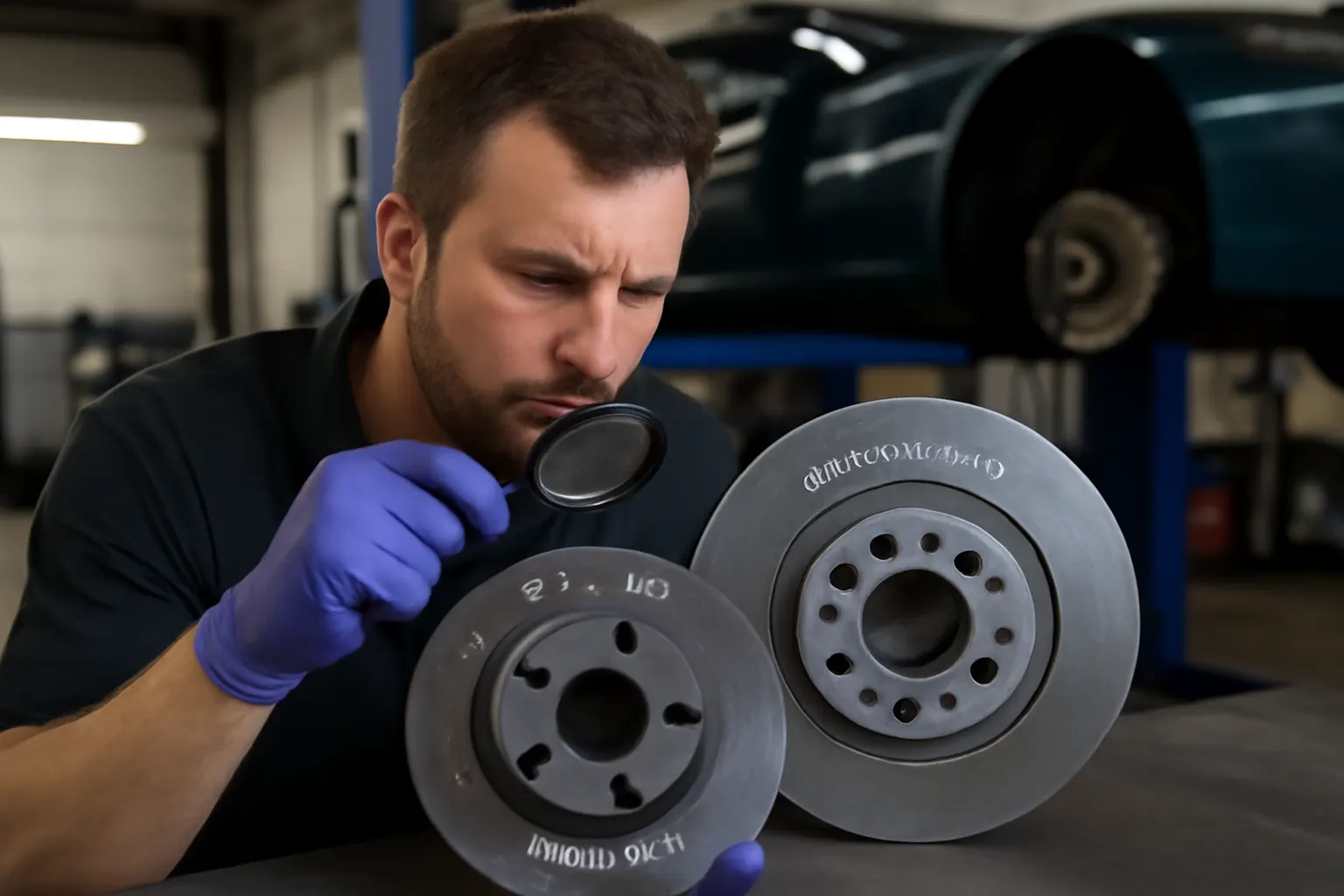
Step 2: Visual and Tactile Inspection
- Examine the part under good lighting, checking for inconsistencies in color, finish, and markings.
- Compare with the original component or official catalog images.
- Feel for weight, texture, and construction quality.
Step 3: Documentation and Packaging Review
- Confirm the presence of official branding, security features, and complete paperwork.
- Look for discrepancies in logos, font styles, or labeling.
Step 4: Engineering Code Cross-Check
- Match part numbers with official Aston Martin records or the Aston Martin Genuine Parts database.
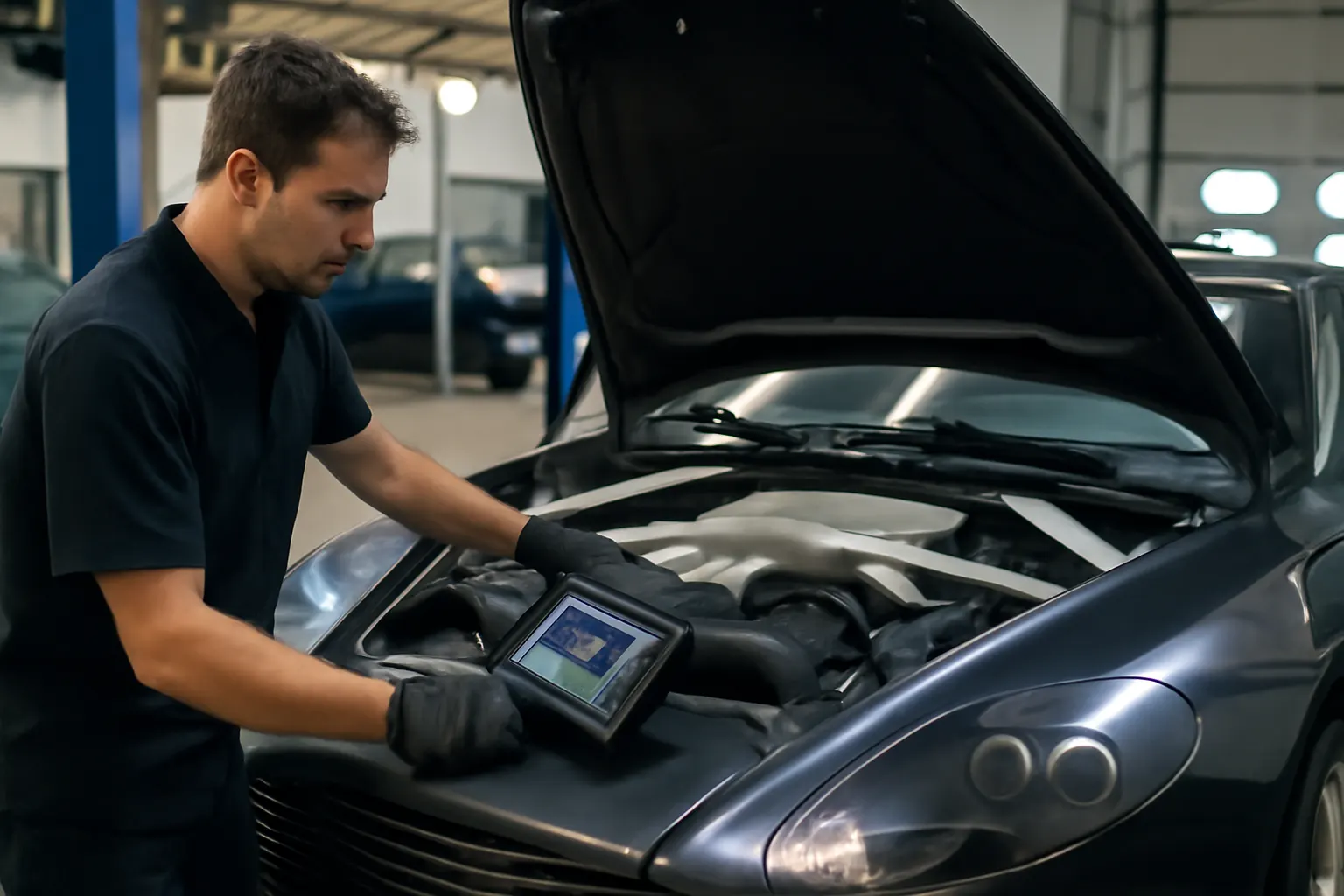
- Use technical support services or consult a specialist if in doubt.
Step 5: Professional Verification
- When in doubt, seek the opinion of an Aston Martin-certified technician or restoration specialist.
- Consider third-party authentication services for rare or high-value parts.
The Role of Standards and Regulatory Compliance
Genuine Aston Martin parts are manufactured to meet or exceed international standards, including those set by SAE International (SAE Standards) and mandated by NHTSA (NHTSA Equipment). These standards govern materials, performance, safety, and environmental impact.
What to Look For:
- Parts should display compliance markings or reference codes.
- Technical data sheets should cite relevant SAE or ISO standards.
- Counterfeit parts rarely provide verifiable compliance information.
Commonly Counterfeited Aston Martin Parts: High-Risk Categories
Certain components are more frequently targeted by counterfeiters due to their demand, cost, and ease of replication. Owners should exercise heightened caution with:
- Brake Pads and Discs: Safety-critical and regularly replaced, these are often copied using inferior materials.
- Body Panels and Trim: High-value exterior pieces attract counterfeiters, especially for classic models.
- Electronic Control Units (ECUs): Complex but lucrative, fake ECUs can cause diagnostic errors and performance issues.
- Emblems and Badges: Visual authenticity is undermined by poor-quality replicas.
- Filters (Oil, Air, Cabin): Simple to copy but can cause engine damage if substandard.
Each of these categories requires extra scrutiny, and it is advisable to consult the Aston Martin DB Series Maintenance Guide for specific part recommendations and maintenance intervals.
Diagnostic Checklist: Spotting a Genuine Aston Martin Part
Use this checklist to systematically evaluate any Aston Martin component before purchase or installation:
| Diagnostic Step | Genuine Part Indicator | Red Flag for Counterfeit |
|---|---|---|
| Source | Authorized dealer, reputable specialist, or AutoPartEx | Unknown seller, online auction |
| Packaging | Branded, sealed, includes paperwork | Generic or unbranded packaging |
| Engineering Code | Matches official records, clear and unaltered | Missing, altered, or inconsistent |
| Material Quality | High-grade, correct finish, solid feel | Cheap, flimsy, rough edges |
| Fitment | Perfect alignment, no modification needed | Requires force or adjustment |
| Documentation | Complete, clear, matches part and vehicle | Missing or poorly printed |
| Compliance Markings | SAE/ISO/NHTSA references present | None or fake markings |
Sourcing Genuine Parts: Where and How to Buy
Authorized Dealerships and Specialist Retailers
The safest route to authenticity is purchasing through official Aston Martin dealerships or authorized specialist retailers. These sources have direct access to factory parts, technical support, and up-to-date catalog information.
Advantages:
- Guaranteed authenticity and warranty support.
- Access to the latest revisions and updates.
- Professional installation and after-sales service.
Trusted Online Platforms
When buying online, use reputable platforms with strict vetting procedures, such as AutoPartEx’s Aston Martin parts category. Look for clear return policies, detailed product descriptions, and visible supplier credentials.
Tips:
- Avoid deals that seem too good to be true.
- Request additional photos and documentation.
- Read buyer reviews and ratings.
Salvage and Classic Restoration Sources
For rare or classic models, restoration specialists and reputable salvage suppliers can be invaluable. However, always insist on provenance documentation and, where possible, third-party authentication. For more on classic sourcing, see Classic Aston Martin Restoration Essentials.
Installation and Fitment: Ensuring Correct Integration
Proper fitment is crucial for both safety and performance. Even a genuine part can cause issues if installed incorrectly or matched to the wrong model year or variant.
Best Practices:
- Reference official service manuals and technical bulletins.
- Use manufacturer-specified tools and torque settings.
- Test systems post-installation for warning lights, leaks, or abnormal noises.
If you’re unsure about installation, it’s always best to have a certified Aston Martin technician perform the work.
Maintenance and Longevity: Protecting Your Investment
Regular maintenance with genuine parts not only preserves your Aston Martin’s performance but also extends its lifespan and resale value. Non-genuine components may require more frequent replacement and can cause premature wear to associated systems.
Maintenance Tips:
- Stick to recommended service intervals.
- Keep detailed records of all parts and service work.
- Use only fluids and consumables that meet Aston Martin specifications.
The AutoPartEx Advantage: Trusted Source for Genuine Aston Martin Parts
AutoPartEx is committed to supporting Aston Martin owners with expert advice, verified parts listings, and technical resources. Our platform connects you with authorized suppliers and specialist retailers, ensuring you have access to genuine components for every model—from modern DB series to classic Vantages.
Why Choose AutoPartEx?
- Comprehensive, curated Aston Martin parts inventory.
- Technical editorial resources and buying guides.
- Direct links to trusted suppliers and restoration experts.
- Community support and up-to-date industry insights.
Explore the Aston Martin Genuine Parts: Engineering, Heritage & Expert Fitment | AutoPartEx page for more information and to start your search with confidence.
Expert Action: What to Do If You Suspect a Counterfeit
If you discover or suspect a counterfeit Aston Martin part:
- Do Not Install: Avoid using the component until its authenticity is confirmed.
- Contact the Seller: Request clarification, documentation, or a refund.
- Report the Incident: Notify Aston Martin customer service and relevant regulatory bodies, such as NHTSA.
- Consult a Specialist: Seek a professional evaluation from an authorized dealer or restoration expert.
- Replace Promptly: Source a verified genuine part and ensure proper installation.
Your vigilance protects not only your own vehicle but also the broader Aston Martin community by discouraging counterfeit trade.
Conclusion: Preserve the Legacy—Insist on Genuine Aston Martin Parts
The legacy and performance of Aston Martin vehicles depend on the quality and authenticity of every component. By following the practical guidance in this article—verifying part numbers, scrutinizing packaging, sourcing from trusted channels, and consulting technical resources—you can confidently maintain your Aston Martin to the highest standard. For ongoing support and access to genuine parts, rely on AutoPartEx and our network of authorized suppliers.
For further reading, explore our Aston Martin DB Series Maintenance Guide or dive into the Aston Martin parts category for curated listings and resources.