How Modern Sensors Improve Vehicle Safety
Modern vehicles are safer than ever, and much of this advancement is thanks to a new generation of body and miscellaneous sensors. These hidden devices—often invisible to drivers—continuously monitor, detect, and respond to potential hazards, turning raw data into life-saving action. In this comprehensive guide, we’ll reveal how these advanced sensors work, the unseen risks they address, and what you need to know to keep your vehicle’s sensor systems performing at their best.
For a broader look at body sensor types and their applications, visit the Sensor (Body, Misc): Complete Guide to Automotive Body Sensors & Miscellaneous Detection Devices category page.
The Immediate Answer: Sensors Are Your Vehicle’s Silent Safety Guardians
Today’s vehicles rely on a network of body and miscellaneous sensors to actively prevent accidents, protect occupants, and enhance driver awareness. These sensors include—but aren’t limited to—blind spot monitors, parking sensors, proximity detectors, rain/light sensors, seat occupancy sensors, and advanced collision detection units. Working together, they provide real-time feedback and automatic intervention, such as pre-charging brakes, tightening seatbelts, or alerting drivers to obstacles they might otherwise miss.
Key Safety Benefits Provided by Modern Body Sensors:
- Accident Prevention: Sensors detect potential collisions, triggering alerts or even automatic emergency braking.
- Occupant Protection: Seat sensors and airbag modules adjust deployment based on passenger presence and size.
- Enhanced Awareness: Blind spot and proximity sensors warn of unseen dangers.
- Reduced Driver Workload: Automatic lighting, wipers, and parking assistance help drivers focus on the road.
Without these sensors, the risk of human error and missed hazards increases dramatically—making them a foundational element of modern vehicle safety.
The Hidden Problem: Sensor Failures Are Often Overlooked—Until It’s Too Late
While sensors are designed for reliability, they are not immune to failure. Many drivers are unaware that a single faulty sensor can compromise multiple safety systems. Unlike mechanical failures, sensor malfunctions may not produce obvious symptoms. A disabled blind spot sensor, for instance, may go unnoticed until a near miss or an accident occurs.
Common Hidden Issues Include:
- Sensor Blindness: Dirt, ice, or damage can block sensor input, rendering safety features inactive.
- Electronic Faults: Wiring issues or component degradation can cause intermittent or silent failures.
- Software Glitches: Outdated firmware or calibration errors can disable entire safety subsystems.
The risk is compounded by the fact that many sensor failures are not immediately detected by the vehicle’s onboard diagnostics. This creates a dangerous gap between perceived and actual vehicle safety.
Problem Expansion: The Complexity and Interdependence of Modern Sensor Networks
Modern vehicles integrate dozens of sensors across their bodies, each feeding data to centralized control modules. These modules make split-second decisions—such as deploying airbags or activating traction control—based on input from multiple sources.
Why This Matters:
- System Interdependence: A single malfunctioning sensor can trigger fault codes or disable safety features across multiple systems.
- Calibration Sensitivity: Even minor misalignment during repairs or windshield replacement can lead to sensor misreads.
- Recall and Compliance Risks: Faulty sensors are a leading cause of vehicle recalls, as tracked by the National Highway Traffic Safety Administration (NHTSA).
As vehicles become more reliant on electronic safety aids, the integrity of every sensor becomes critical—not just for convenience, but for occupant survival in emergencies.
Types of Body and Miscellaneous Sensors Critical to Safety
Understanding the range of sensors involved in modern vehicle safety is essential for diagnostics, maintenance, and upgrades. Below are the most impactful types:
1. Blind Spot Detection Sensors
These radar-based or ultrasonic sensors monitor adjacent lanes and alert drivers to the presence of vehicles in hard-to-see zones. They are especially critical during lane changes and merges.
2. Parking and Proximity Sensors
Located in bumpers, these sensors detect obstacles during low-speed maneuvers, issuing warnings or activating automatic parking functions.
3. Rain and Light Sensors
Mounted near the windshield, these sensors automatically activate wipers and headlights based on environmental conditions, improving visibility and reaction time.
4. Occupant Detection and Classification Sensors
Installed in seats, these sensors determine if a seat is occupied and, in some cases, the occupant’s weight and position. This information is used to safely deploy airbags and activate seatbelt reminders.
5. Collision Detection Sensors
Accelerometers and pressure sensors throughout the body detect rapid decelerations or impacts, triggering emergency responses such as airbag deployment and fuel cut-off.
6. Miscellaneous Body Sensors
Additional sensors include hood latch, trunk closure, door ajar, and tire pressure monitoring sensors (TPMS), each adding layers of safety and convenience.
How Sensors Interface with Safety Systems
Sensors do not operate in isolation. Their data is routed to electronic control units (ECUs) that process information and command safety actions. For example, a proximity sensor may send a signal to the braking ECU to initiate automatic emergency braking if an obstacle is detected.
Key Integration Points:
- Airbag Control Modules: Rely on seat occupancy, belt tension, and impact sensors.
- Stability and Traction Systems: Use yaw, wheel speed, and lateral acceleration sensors.
- Lighting and Visibility Systems: Automated by rain and ambient light sensors.
This integration ensures that safety responses are both rapid and appropriate to the situation, minimizing the risk of injury.
Diagnostic Checklist: Identifying Sensor-Related Safety Issues
Maintaining sensor functionality is critical. Use this checklist to identify potential sensor problems before they compromise safety:
Sensor Safety Diagnostic Checklist
| Symptom | Potential Sensor Issue | Recommended Action |
|---|---|---|
| Warning lights on dashboard | Sensor or wiring fault | Scan with diagnostic tool; inspect wiring |
| Inconsistent auto headlight/wiper | Faulty rain/light sensor | Clean sensor area; test operation |
| Blind spot warning not working | Blocked or damaged sensor | Inspect for dirt/debris; check alignment |
| Airbag/seatbelt warning active | Seat occupancy or belt sensor fault | Test seat/belt sensors; recalibrate as needed |
| Difficulty with parking assist | Malfunctioning proximity sensors | Inspect bumper sensors; check for physical damage |
| False collision alerts | Sensor misalignment or interference | Check sensor mounts; recalibrate |
If any of these issues are detected, immediate attention is required to restore full safety functionality.
Maintenance Best Practices for Body and Miscellaneous Sensors
Routine maintenance of body sensors is often neglected, yet it is essential for reliable operation. Here’s how to keep your vehicle’s sensors in top condition:
- Regular Cleaning: Keep sensor surfaces (especially bumpers, windshields, and mirrors) free of dirt, ice, and debris.
- Visual Inspections: Check sensor housings for cracks, moisture, or signs of impact damage.
- Software Updates: Ensure your vehicle’s software is up to date; manufacturers often release sensor calibration improvements.
- Professional Calibration: After body repairs or windshield replacement, have sensors recalibrated to manufacturer specifications.
- Prompt Repairs: Address any warning lights or diagnostic codes immediately—delays can compromise multiple safety systems.
Refer to Sensor Installation Best Practices for detailed procedures and calibration guidelines.
Installation and Replacement: What to Know Before You Begin
Sensor installation is not always plug-and-play. Many sensors require precise alignment, torque specifications, and post-installation calibration to function correctly.
Key Considerations:
- OEM vs. Aftermarket: Use original equipment (OE) sensors where possible; aftermarket units may require additional programming.
- Calibration Tools: Some sensors (e.g., radar, lidar, camera-based systems) require specialized calibration equipment.
- Fitment Verification: Always verify part numbers and compatibility with your vehicle’s make, model, and year.
Improper installation can lead to false alerts, system deactivation, or even accidental airbag deployment. Consult your service manual or trusted professional for sensor-specific procedures.
Buying Guide: Selecting the Right Sensors for Your Vehicle
When sourcing replacement sensors, attention to detail is vital. Here’s a practical guide to ensure you get the right fit:
- Identify the Sensor Type: Refer to your owner’s manual or service documentation for sensor location and function.
- Check Compatibility: Match part numbers and connector types precisely.
- Research Recalls: Before purchase, check the NHTSA recall database for known issues with specific sensor models.
- Choose Reputable Suppliers: Avoid low-cost, unverified sources—quality and reliability are paramount for safety-critical parts.
- Warranty and Support: Opt for sensors with a solid warranty and technical support.
For a comprehensive overview of sensor categories and sourcing, visit the Sensor (Body, Misc): Complete Guide to Automotive Body Sensors & Miscellaneous Detection Devices page.
The Impact of Materials and Design on Sensor Reliability
Sensor performance is closely tied to the materials and structural integration within the vehicle. Advances in lightweight materials, structural adhesives, and precision molding—outlined by the Department of Energy’s Materials Technologies—have enabled more robust and responsive sensors.
Benefits of Modern Materials:
- Enhanced Durability: Improved resistance to vibration, temperature extremes, and moisture ingress.
- Better Integration: Sensors can be seamlessly embedded in bumpers, mirrors, and glass without compromising aesthetics or aerodynamics.
- Reduced Weight: Contributes to overall vehicle efficiency and handling.
These material advances not only improve sensor longevity but also allow for more complex sensor arrays, supporting features like 360-degree monitoring and advanced driver assistance systems (ADAS).
The Role of Standards and Regulations in Sensor Safety
Automotive sensors are subject to rigorous standards and testing protocols established by organizations such as SAE International. These standards ensure that sensors meet minimum performance and reliability thresholds under a wide range of operating conditions.
Key Points:
- SAE Standards: Define testing, calibration, and interoperability requirements for automotive sensors (SAE Standards).
- NHTSA Oversight: The NHTSA mandates compliance with federal safety regulations, including sensor-related recalls and defect investigations.
- Continuous Evolution: As sensor technology advances, standards are updated to address new risks and applications.
Compliance with these standards is non-negotiable for manufacturers and should be a priority for aftermarket suppliers and installers.
Diagnosing and Resolving Sensor Failures: A Step-by-Step Approach
Sensor diagnostics require a methodical approach to isolate faults and restore system integrity. Here’s a condensed workflow:
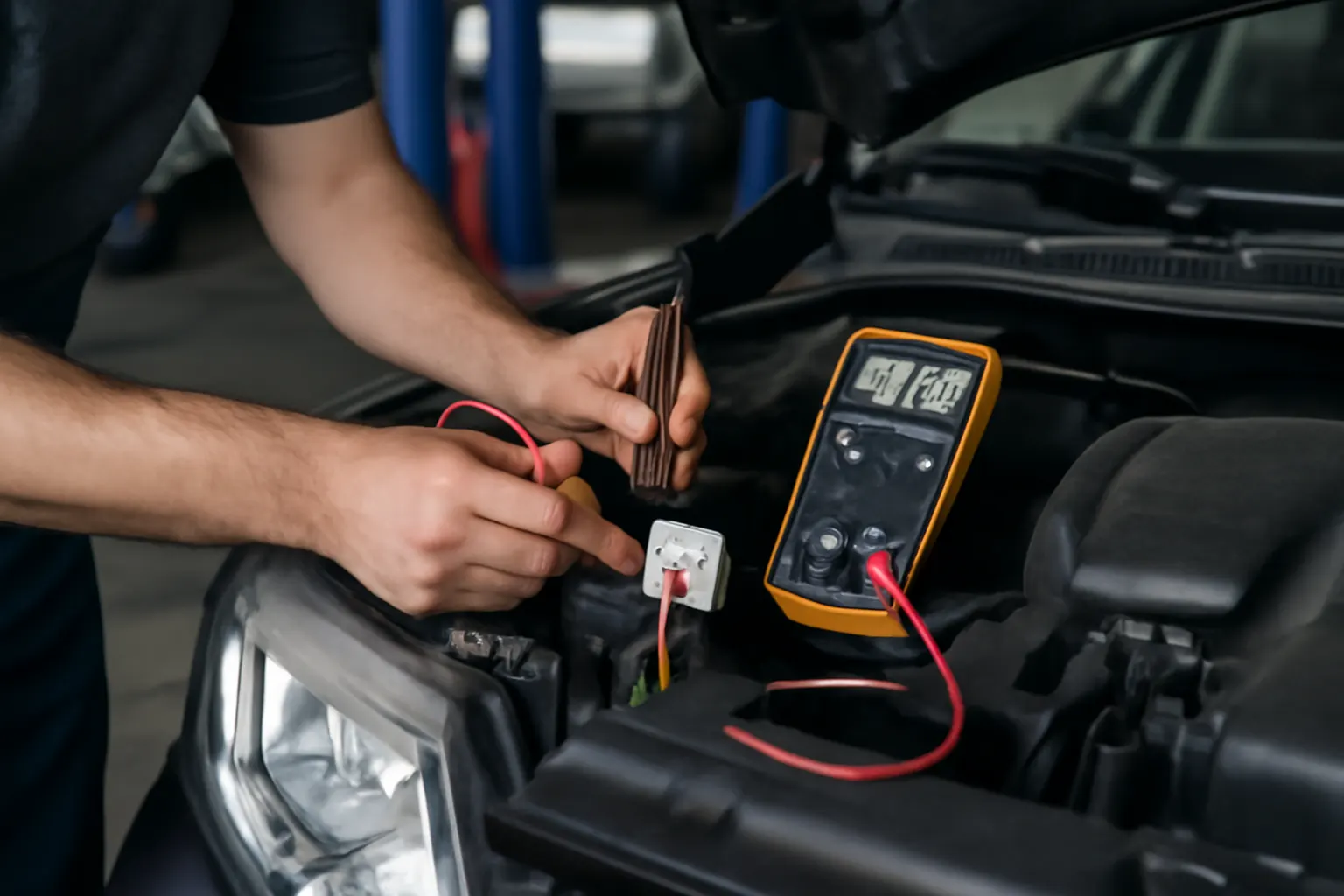
- Scan for Diagnostic Trouble Codes (DTCs): Use an OBD-II scanner to retrieve error codes related to body sensors.
- Visual and Physical Inspection: Check sensor mounts, connectors, and wiring for damage or corrosion.
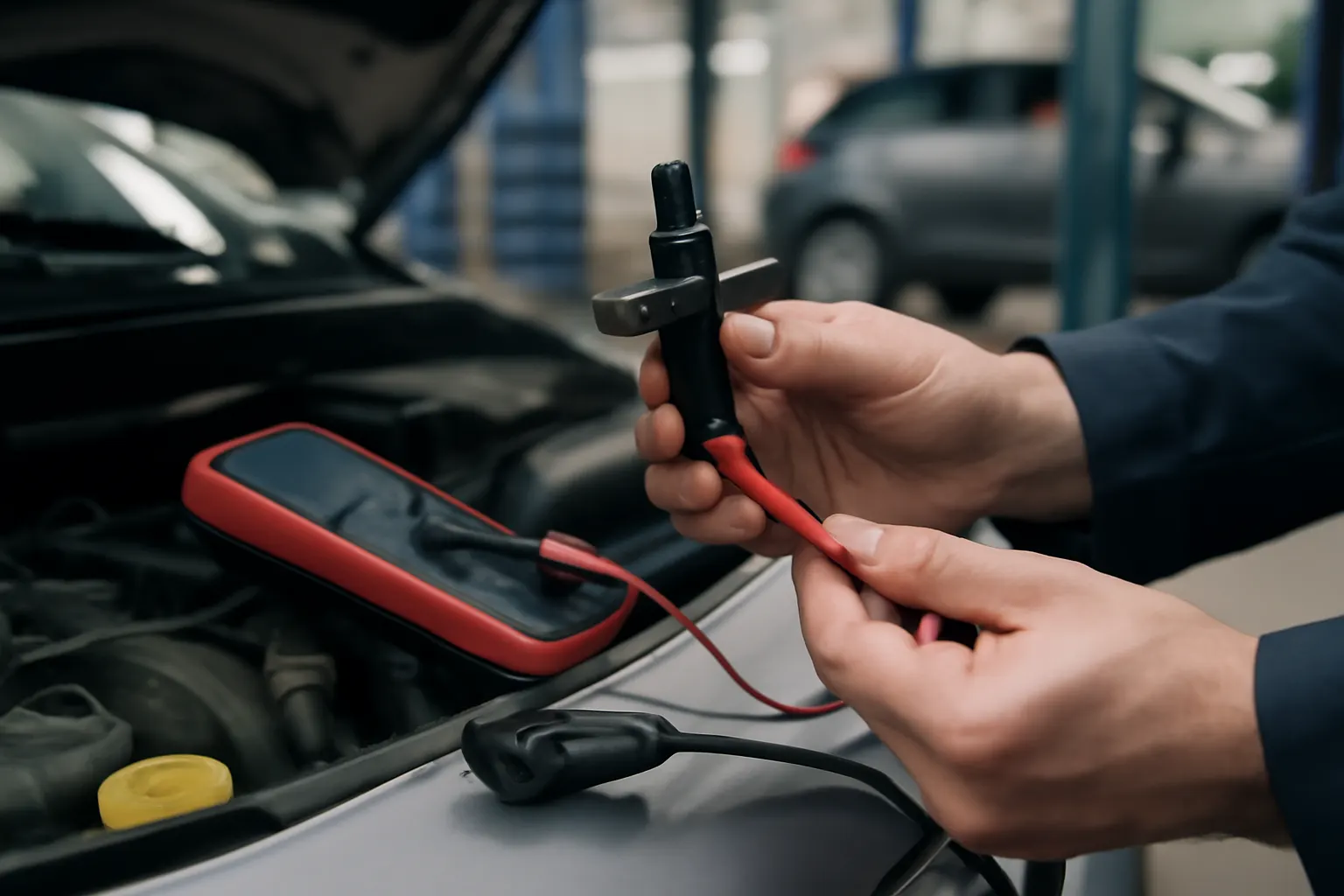
- Functional Testing: Use test equipment to verify sensor output (voltage, resistance, signal).
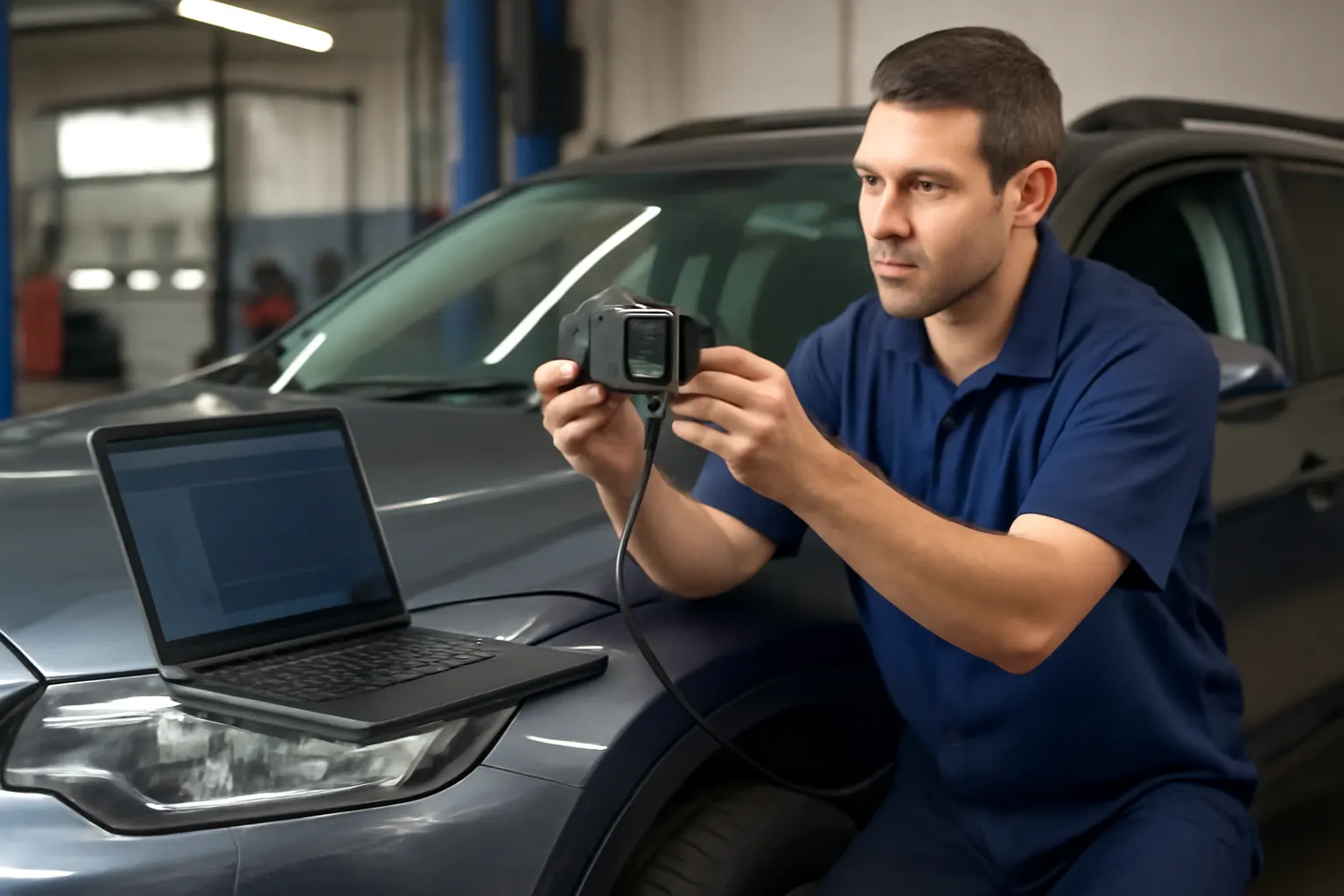
- Calibration and Reset: After repairs, perform system recalibration using manufacturer-approved tools.
- Road Test: Confirm that all safety features are restored and warning lights are cleared.
For an in-depth troubleshooting guide, see Diagnosing Body Sensor Failures: Step-by-Step.
Sensor Technology Trends: What’s Next for Vehicle Safety?
The future of vehicle safety lies in even more sophisticated sensor integration. Upcoming advancements include:
- Sensor Fusion: Combining data from multiple sensors (radar, lidar, cameras) for more accurate hazard detection.
- Artificial Intelligence: Machine learning algorithms that adapt sensor responses to driving conditions and driver behavior.
- Wireless Sensors: Reduction in wiring complexity and improved flexibility in sensor placement.
- Self-Diagnosing Systems: Sensors that can report their own degradation or need for recalibration.
For a detailed look at emerging sensor technologies, visit Sensor Technology Advancements: What’s Next?.
The AutoPartEx Advantage: Your Partner in Sensor Reliability and Safety
At AutoPartEx, we understand the critical role sensors play in protecting drivers and passengers. That’s why we provide:
- Expert Guidance: Detailed technical resources and fitment support for all major sensor types.
- Quality Assurance: Only trusted, standards-compliant sensors from reputable brands.
- Comprehensive Catalog: Full coverage of body, engine, drivetrain, and miscellaneous sensors—see our Sensor (Engine & Drivetrain) category for more.
Whether you’re a DIY enthusiast, fleet manager, or professional installer, AutoPartEx is your source for reliable sensor solutions and up-to-date safety information.
Conclusion: Don’t Overlook the Sensors That Keep You Safe
Modern body and miscellaneous sensors are the unsung heroes of vehicle safety. They operate behind the scenes, preventing accidents, protecting occupants, and enabling advanced driver assistance systems. Yet, their effectiveness depends on proper maintenance, timely replacement, and a clear understanding of their role in your vehicle’s safety ecosystem.
Don’t wait for a warning light or a close call. Regularly inspect, maintain, and update your vehicle’s sensor systems to ensure that every journey is as safe as technology allows.