Sensor Technology Advancements: What’s Next?
Automotive sensor technology is evolving at a breakneck pace—reshaping how vehicles sense, interpret, and respond to their environments. Today’s cars rely on a growing array of body and miscellaneous sensors to improve safety, comfort, efficiency, and autonomy. If you’re a driver, technician, or fleet manager, understanding what’s next in sensor technology is essential for making informed choices about upgrades, maintenance, and future vehicle investments.
This comprehensive guide explores the latest trends, technical breakthroughs, and practical implications of advanced automotive sensors. We’ll cover next-generation sensor types, integration strategies, diagnostic challenges, and how to future-proof your vehicle or workshop. For a foundational overview of current body and miscellaneous sensor types, see our Sensor (Body, Misc): Complete Guide to Automotive Body Sensors & Miscellaneous Detection Devices.
The Immediate Answer: What’s Next in Automotive Sensor Technology?
The next wave of automotive sensor innovation is defined by four major trends:
- Integration of Multi-Modal Sensing: Combining radar, lidar, cameras, and ultrasonic sensors for improved perception and redundancy.
- Miniaturization and Material Advancements: Utilizing lighter, more durable, and cost-effective materials for smaller, more efficient sensors.
- Connectivity and Smart Diagnostics: Enabling real-time data sharing, over-the-air updates, and predictive maintenance through networked sensors.
- AI-Powered Interpretation: Leveraging machine learning to interpret sensor data with greater accuracy, enabling advanced safety features and semi-autonomous driving.
These advancements are not just theoretical—they are already reshaping vehicle design, manufacturing, and aftermarket parts. But with new technology comes new challenges and hidden risks for owners, technicians, and parts buyers.
The Hidden Problem: Complication and Compatibility
While advanced sensors promise greater safety, efficiency, and autonomy, their increasing complexity introduces several challenges:
- Compatibility Issues: New sensor designs may not fit older vehicles or may require substantial adaptation for retrofits.
- Calibration Difficulties: Many modern sensors demand precise calibration and alignment, often requiring specialized tools and software.
- Diagnostic Complexity: Multi-modal and networked sensors can obscure the source of faults, making troubleshooting more difficult.
- Cost and Sourcing: Advanced sensors can be expensive and harder to source, especially for older or uncommon vehicle models.
These issues can lead to increased downtime, higher repair costs, and potential safety risks if not properly managed.
Expansion: How Sensor Advancements Impact Vehicle Systems
The impact of sensor technology advancements extends far beyond the sensor itself. Here’s how:
1. Safety Systems
Modern sensors are foundational to advanced driver assistance systems (ADAS), such as automatic emergency braking, lane-keeping assist, blind spot detection, and adaptive cruise control. According to the National Highway Traffic Safety Administration, sensor-driven safety features are now standard or optional on most new vehicles, directly contributing to crash avoidance and occupant protection.
2. Fuel Efficiency and Emissions
Sensors play a critical role in optimizing engine performance, transmission behavior, and even aerodynamic adjustments. The U.S. Department of Energy notes that advanced vehicle sensors help maximize fuel efficiency and minimize emissions by providing real-time feedback to control systems.
3. Lightweighting and Materials
Sensor miniaturization is closely tied to advances in materials science. Lighter, stronger sensor housings and wiring reduce vehicle weight, contributing to better performance and fuel economy. See Materials Technologies for more on how material advances support the next generation of automotive sensors.
4. Diagnostics and Maintenance
Networked sensors now provide real-time health monitoring and predictive diagnostics, but also add layers of complexity to troubleshooting and repairs. Understanding how to interpret diagnostic codes and sensor data is more important than ever—especially as sensors become more tightly integrated with vehicle networks.
H2: Key Advancements in Sensor Types and Capabilities
Multi-Modal Sensing: The New Standard
Modern vehicles are moving toward sensor fusion—combining data from radar, lidar, ultrasonic, and optical sensors to create a comprehensive view of the vehicle’s surroundings. This redundancy enhances reliability and accuracy, especially in challenging conditions like fog, rain, or low light.
Key Benefits:
- Greater detection range and accuracy
- Improved object recognition and classification
- Enhanced resilience to sensor failure or environmental interference
Solid-State and MEMS Sensors
Microelectromechanical systems (MEMS) and solid-state sensors are replacing older mechanical designs. These new sensors are smaller, more robust, and less prone to wear, making them ideal for harsh automotive environments.
Examples:
- Solid-state lidar for precise distance measurement
- MEMS accelerometers and gyroscopes for stability control and airbag deployment
Smart and Self-Diagnosing Sensors
Sensors now often include onboard diagnostics, enabling them to report their own health status. This supports predictive maintenance and reduces the risk of undetected failures.
Features:
- Built-in temperature, voltage, and performance monitoring
- Automated error reporting to onboard diagnostics (OBD) systems
H2: Integration and Networking—The Connected Sensor Ecosystem
Vehicle Area Networks and Sensor Communication
Modern sensors are not isolated—they are nodes in a complex network, communicating via CAN, LIN, FlexRay, or Ethernet protocols. This networking enables:
- Centralized data processing for ADAS and infotainment
- Faster response times for safety-critical systems
- Easier software updates and system reconfiguration
Over-the-Air (OTA) Updates
Many new vehicles support OTA updates for sensor firmware, improving performance and addressing vulnerabilities without requiring a workshop visit. This capability is critical for maintaining sensor reliability and adapting to emerging threats or regulatory changes.
Checklist: Ensuring Sensor Network Health
- Verify all sensor connections during routine maintenance
- Check for available firmware updates from your vehicle manufacturer
- Use manufacturer-approved diagnostic tools for networked sensor troubleshooting
- Document all sensor replacements and calibrations for future reference
H2: Material Science—Enabling Smaller, Lighter, and More Durable Sensors
Lightweighting for Efficiency
Advanced polymers, composite materials, and lightweight alloys are now common in sensor housings and mounting brackets. These materials reduce overall vehicle weight, supporting better fuel economy and handling.
Material Advances:
- High-strength plastics for corrosion resistance and reduced mass
- Aluminum or magnesium alloys for structural components
- Flexible printed circuits for complex sensor arrays
Durability and Longevity
Sensors must withstand temperature extremes, vibration, moisture, and chemical exposure. Material advancements have dramatically improved sensor lifespan and reliability—critical for safety and warranty compliance.
Maintenance Tip: Always use manufacturer-specified mounting hardware and gaskets to prevent premature sensor failure due to environmental exposure.
H2: Sensor Calibration—Why Precision Matters More Than Ever
The Calibration Challenge
As sensors become more precise and interconnected, calibration becomes both more critical and more complex. Improperly calibrated sensors can cause false warnings, disable safety features, or trigger diagnostic trouble codes (DTCs).
Common Calibration Scenarios:
- Windshield or bumper replacement (affecting camera and radar alignment)
- Suspension repairs (impacting ride height sensors)
- ADAS module updates requiring recalibration of multiple sensors
Best Practices for Calibration
- Use OEM or high-quality aftermarket calibration targets and tools
- Follow step-by-step calibration procedures from service manuals
- Document calibration results for liability and future diagnostics
For a detailed walkthrough, see our Sensor Installation Best Practices.
H2: Diagnostics—Troubleshooting Advanced Sensor Systems
Layered Diagnostic Approach
With multi-modal and networked sensors, effective diagnostics require a systematic approach:
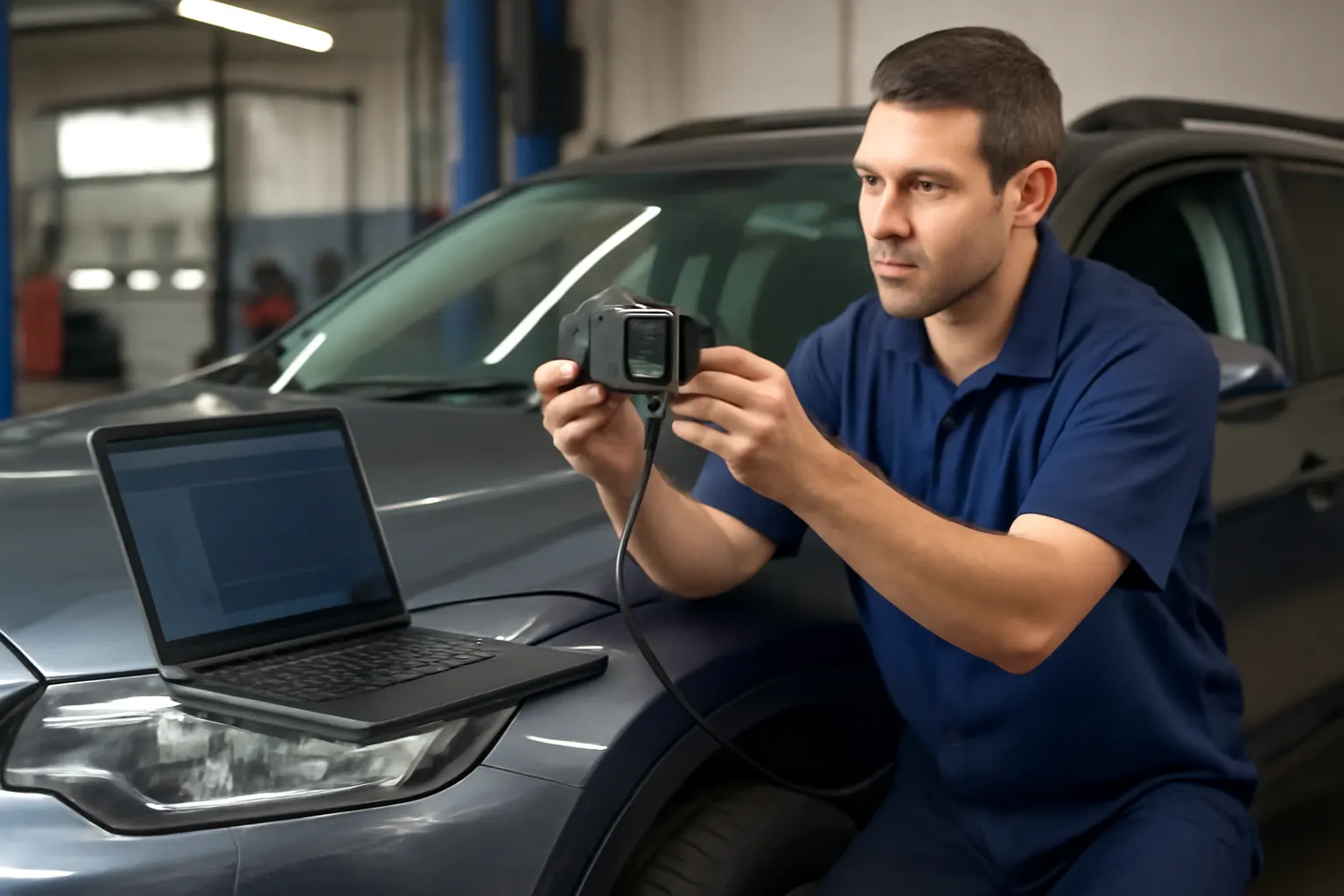
- Initial Scan: Use a professional scan tool to identify DTCs and affected modules.
- Visual Inspection: Check for damaged wiring, connectors, or mounting issues.
- Live Data Analysis: Compare sensor readings in real time to expected values.
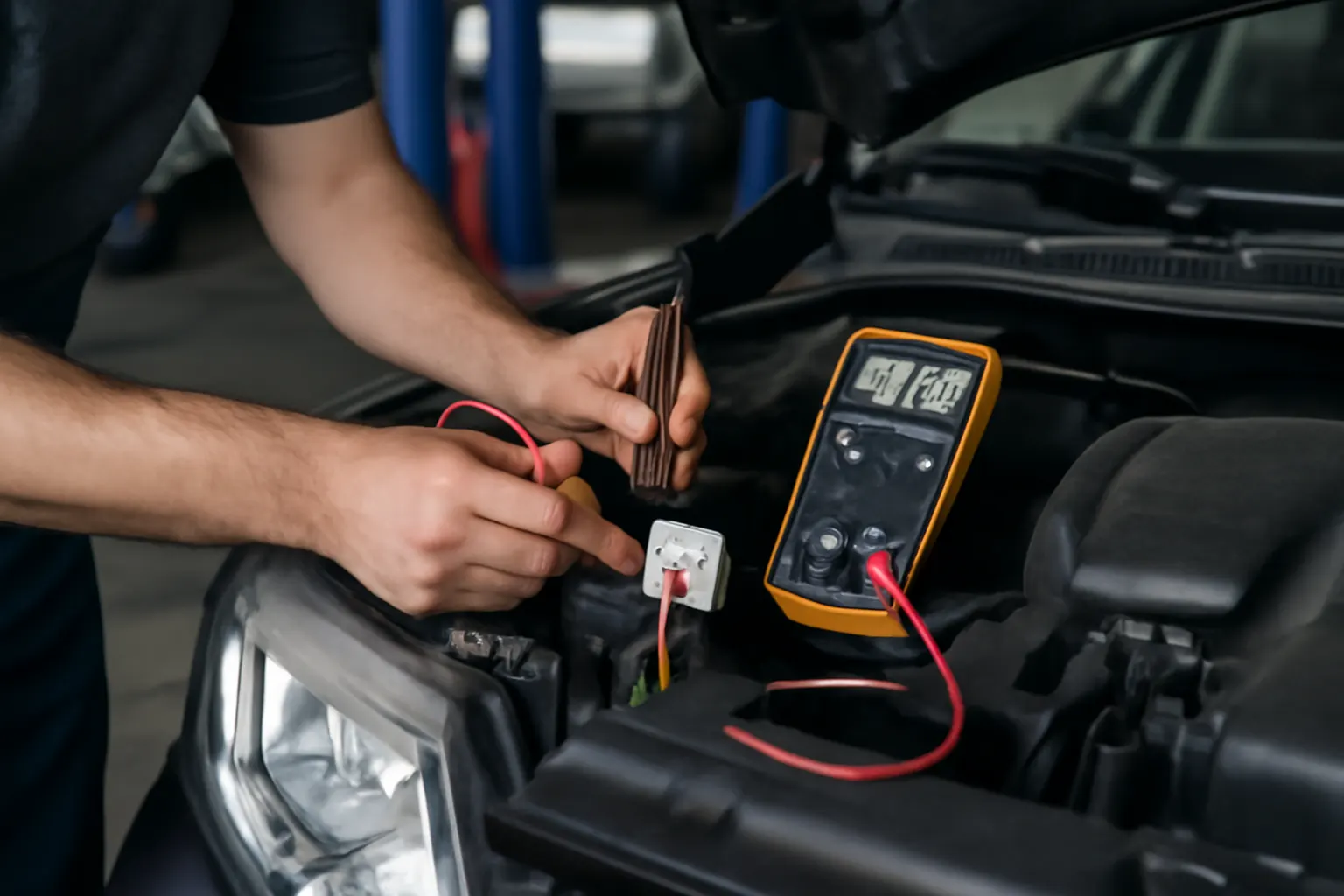
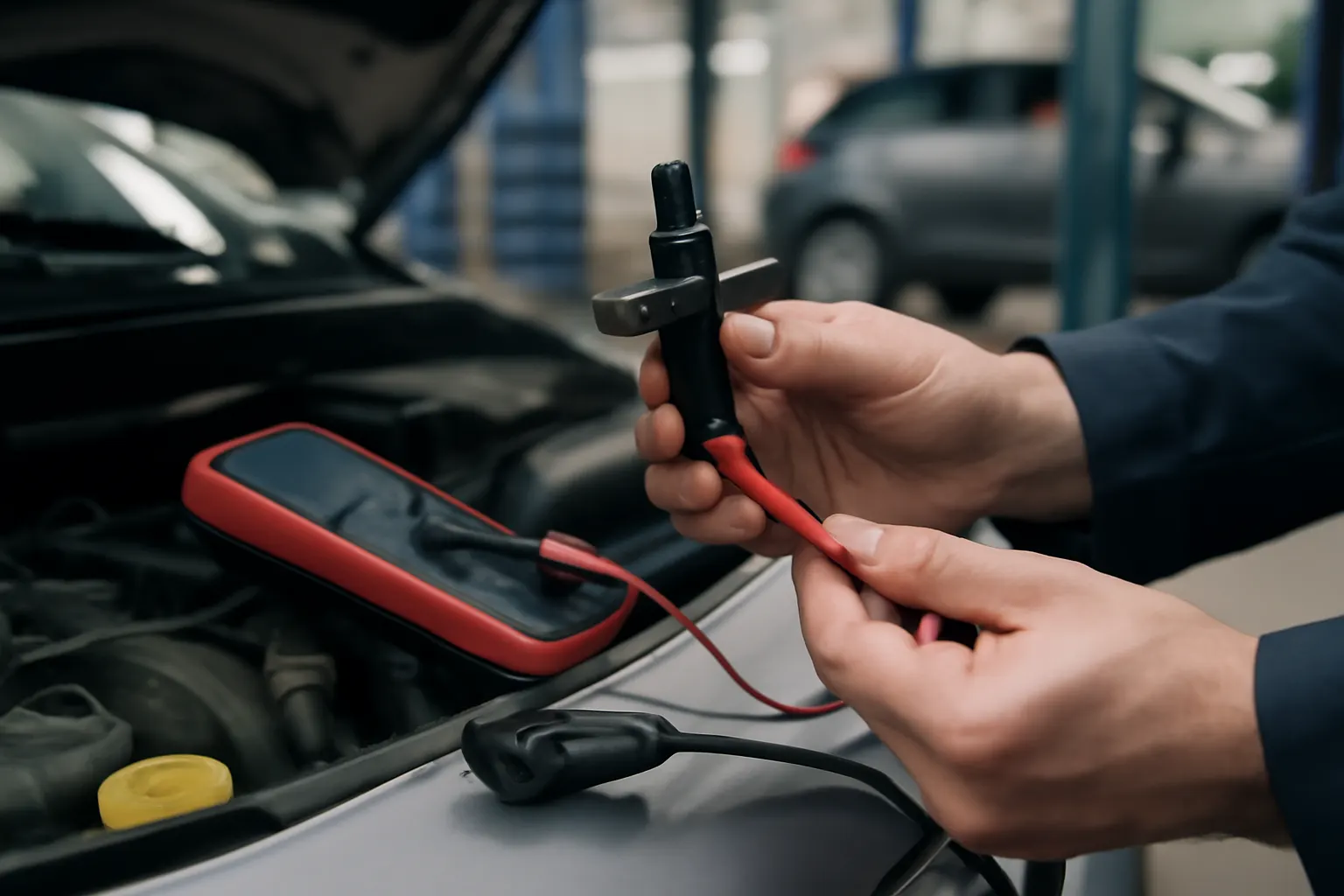
- Component Testing: Use multimeters or oscilloscopes to verify sensor output signals.
- Network Diagnostics: Check communication status and error logs for networked sensors.
Common Diagnostic Pitfalls
- Intermittent faults caused by loose connectors or environmental conditions
- Software bugs affecting sensor communication or interpretation
- Compatibility issues after sensor replacement or vehicle software updates
For step-by-step diagnostic strategies, visit Diagnosing Body Sensor Failures: Step-by-Step.
H2: Sourcing and Selecting the Right Sensors
OEM vs. Aftermarket Sensors
Choosing between OEM (Original Equipment Manufacturer) and aftermarket sensors depends on your vehicle, budget, and technical requirements.
OEM Sensors:
- Guaranteed compatibility and performance
- Higher cost, but lower risk of fitment or calibration issues
Aftermarket Sensors:
- Lower cost and broader availability
- May require adaptation or additional calibration steps
Evaluating Fitment and Compatibility
- Cross-reference part numbers with your vehicle’s VIN and model year
- Confirm sensor specifications (connector type, mounting style, signal output)
- Check for required calibration or programming after installation
Buying Checklist: Sensor Selection
| Step | Task |
|---|---|
| 1. Identify Needs | Determine which sensor(s) require replacement or upgrade |
| 2. Source Parts | Use reputable suppliers—preferably with fitment guarantees |
| 3. Verify Specs | Match part numbers, connectors, and mounting points |
| 4. Check Reviews | Look for proven reliability and compatibility |
| 5. Plan Installation | Prepare required tools and calibration equipment |
H2: Installation—Handling Advanced Sensors with Care
Preparation and Tools
- Gather all required tools (torque wrenches, calibration targets, diagnostic scanner)
- Review installation procedures for your specific vehicle and sensor type
- Disconnect the battery if working near airbags or sensitive electronics
Installation Steps
- Remove old sensor carefully, avoiding damage to wiring or mounts
- Clean mounting surfaces and check for corrosion or debris
- Install new sensor using correct torque specifications
- Connect wiring harness securely and check for proper routing
- Perform any required calibration or adaptation procedures
Post-Installation Verification
- Clear any stored DTCs with a scan tool
- Test sensor operation using live data and functional checks
- Document installation and calibration for future reference
H2: Maintenance—Maximizing Sensor Life and Performance
Routine Inspection
- Inspect sensor housings and connectors for damage or corrosion
- Check wiring harnesses for signs of wear, abrasion, or rodent damage
- Verify sensor mounting and alignment during regular service intervals
Cleaning and Protection
- Use only manufacturer-approved cleaning agents on exposed sensors (e.g., cameras, radar)
- Avoid high-pressure water or abrasive cleaners near sensor locations
- Apply dielectric grease to connectors as recommended to prevent corrosion
Software and Firmware Updates
- Check for manufacturer-issued software updates that affect sensor operation
- Schedule updates as part of routine maintenance, especially for networked sensors
H2: Regulatory and Standards Landscape
Evolving Safety Regulations
As sensor-driven safety features become standard, regulatory requirements are evolving. The NHTSA mandates certain sensor types for crash avoidance and occupant protection. Staying current with these rules is essential for compliance and liability management.
Industry Standards
Organizations like SAE International publish standards for sensor design, testing, and integration. Adhering to these standards ensures compatibility, reliability, and safety across different makes and models.
Tip: Always verify that replacement sensors meet or exceed relevant industry standards.
H2: Future-Proofing—Preparing for the Next Generation
Upgrade Paths
- Evaluate your vehicle’s compatibility with next-generation sensors (e.g., can you retrofit a blind spot monitor or 360-degree camera system?)
- Stay informed about upcoming regulatory changes that may affect required sensor types or calibration procedures
Training and Tools
- Invest in training for technicians on new sensor types, calibration, and diagnostics
- Upgrade diagnostic equipment to support networked and multi-modal sensors
Data Security and Privacy
- Be aware of the data your vehicle’s sensors collect and share
- Follow best practices for protecting personal and diagnostic data—especially for connected vehicles
H2: Expert Perspective—Action Steps for Owners, Technicians, and Buyers
The rapid evolution of automotive sensor technology demands proactive action from everyone in the automotive ecosystem:
- Owners: Schedule regular sensor inspections and software updates; keep records of all sensor-related work.
- Technicians: Stay up to date with training on new sensor types, calibration procedures, and diagnostic strategies.
- Parts Buyers: Source sensors from reputable suppliers, confirm fitment, and verify compliance with safety and industry standards.
For a comprehensive overview of all body and miscellaneous sensor types and how they interact with other vehicle systems, visit our Sensor (Body, Misc): Complete Guide to Automotive Body Sensors & Miscellaneous Detection Devices. To understand the safety impact of modern sensors, see How Modern Sensors Improve Vehicle Safety.
H2: AutoPartEx—Your Partner in Sensor Technology
AutoPartEx is committed to providing the latest information, high-quality parts, and expert guidance for every level of automotive sensor technology. Whether you’re upgrading a late-model sedan, servicing a commercial fleet, or troubleshooting a complex sensor network, our resources and inventory keep you ahead of the curve.
Explore our full selection of Sensor (Body, Misc) and Sensor (Engine & Drivetrain) parts, and access step-by-step guides, diagnostic tools, and real-world fitment advice.