Preventing Water Damage to Vehicle Sensors
Vehicle body sensors are at the heart of modern automotive safety, comfort, and diagnostic systems. From rain sensors that automate wiper activity to door ajar switches, parking proximity sensors, and trunk latch detectors, these components enable critical vehicle functions. However, because many of these sensors are mounted in locations exposed to the elements—doors, bumpers, trunk lids, and body panels—they are especially vulnerable to water intrusion, corrosion, and moisture-related failures. Preventing water damage to vehicle sensors is crucial for maintaining system reliability, safety compliance, and avoiding costly repairs or replacements.
Whether you’re a vehicle owner, technician, or parts buyer, understanding how to protect these sensors from environmental hazards can save you time, money, and frustration. In this comprehensive guide, we’ll cover practical methods to shield body sensors from water damage, discuss the hidden risks moisture poses, and provide actionable steps for diagnosis, prevention, and maintenance. For more information on sensor types and their roles, visit our Sensor (Body, Misc) – Automotive Body Sensors, Diagnostics, and Replacement category page.
Why Water Damage Is a Top Threat to Body Sensors
Immediate Impact: What Happens When Moisture Intrudes
Water, in any form—rain, road spray, car washes, or condensation—can quickly compromise exposed or poorly sealed sensors. The most immediate effects include:
- Short circuits: Water bridges electrical contacts, causing erratic sensor readings or immediate system failure.
- Corrosion: Moisture accelerates oxidation, especially in connectors and circuit traces, leading to progressive signal degradation.
- Intermittent faults: Even minor moisture can cause sensors to behave unpredictably, triggering false warnings or disabling safety features.
These failures can impact critical systems such as automatic door locks, anti-theft alarms, backup sensors, and even airbag deployment logic. The National Highway Traffic Safety Administration (NHTSA) highlights the importance of sensor reliability for vehicle safety and compliance 1.
Hidden Problem: The Slow, Silent Progression of Water Damage
While catastrophic failures grab attention, most water damage is insidious. Moisture can:
- Wick into connectors: Capillary action draws water along wiring, reaching sensitive electronics.
- Compromise insulation: Over time, water degrades insulation and gaskets, making future leaks more likely.
- Accelerate wear: Corrosion weakens terminals, increasing electrical resistance and heat, which further degrades components.
Often, symptoms (such as intermittent warning lights or nonfunctional features) appear long after the initial exposure, complicating diagnosis and repair. Regular inspection and proactive protection are essential to prevent these hidden failures from escalating.
Common Body Sensors Vulnerable to Water Damage
Understanding which sensors are most at risk helps you prioritize protection and inspection. The following body-mounted sensors are particularly susceptible:
- Door Ajar/Closure Sensors: Typically mounted within the door jamb, these switches are exposed to rain, car washes, and condensation.
- Trunk and Hatch Sensors: Positioned in the trunk lid or hatch, they are vulnerable to leaks around weatherstripping.
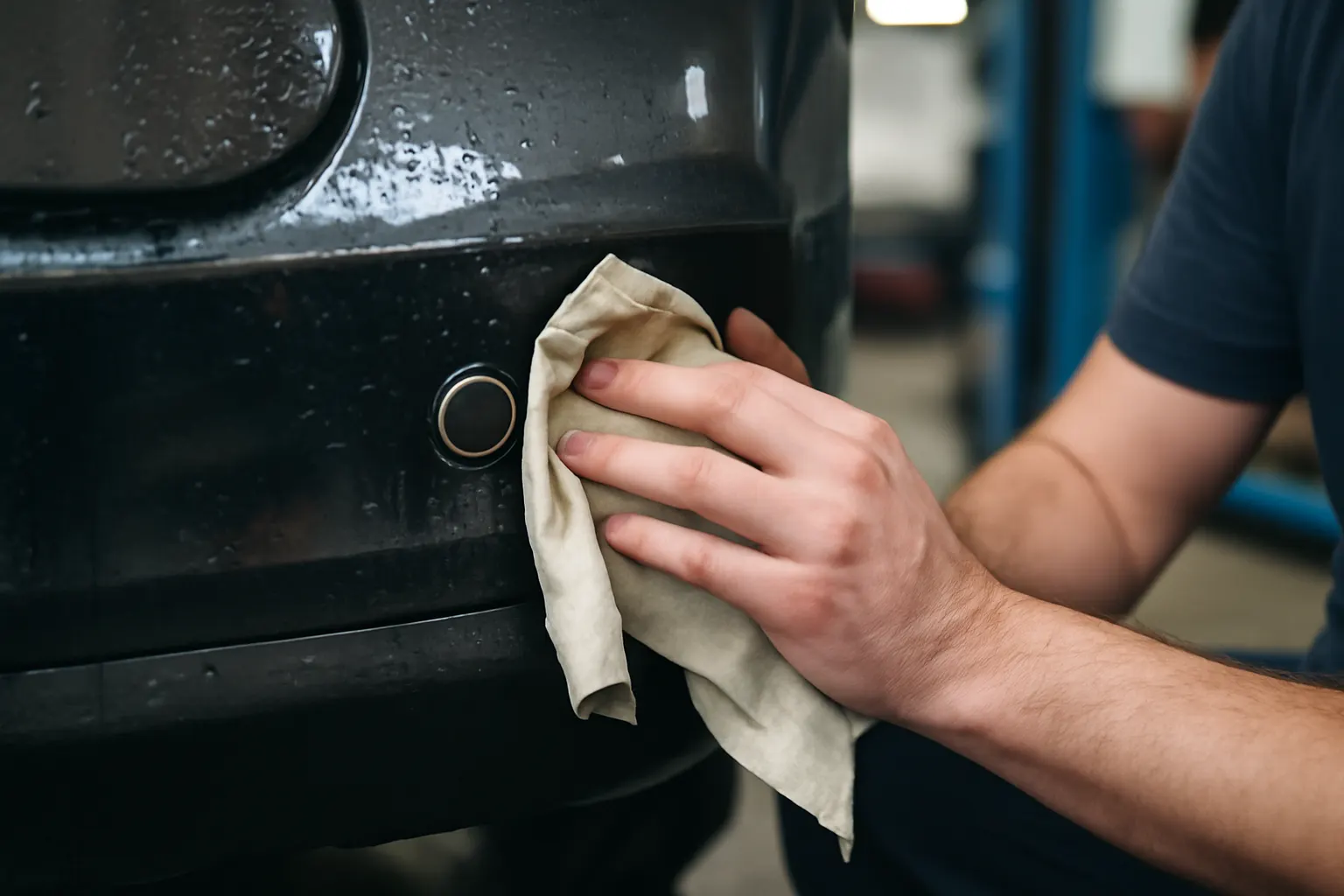
- Parking/Proximity Sensors: Located in bumpers, often exposed directly to road spray, salt, and debris.
- Rain Sensors: Mounted behind the windshield, but sometimes affected by leaks or condensation.
- Mirror and Seat Position Sensors: Near door panels, which may leak or accumulate condensation.
- Fuel Door and Hood Sensors: Exposed to underbody water, especially after driving in heavy rain or through puddles.
Each of these sensors is designed with some level of environmental protection, but age, damage, or improper installation can compromise their defenses.
How Water Breaches Sensor Protection: A Technical Overview
Materials and Design Defenses
Modern vehicles use a combination of advanced materials and design strategies to protect sensors:
- Sealed Connectors: Weatherproof connectors with silicone or rubber gaskets prevent water ingress.
- Encapsulated Electronics: Many sensors are potted in resin to block moisture and vibration.
- Corrosion-Resistant Materials: Terminals and sensor bodies may use plated metals or engineered plastics for durability 2.
Despite these measures, real-world conditions can defeat even the best designs.
Common Failure Points
- Aging or Damaged Gaskets: Over time, rubber seals lose elasticity, crack, or become dislodged.
- Improper Installation: Misaligned connectors or missing seals create entry points for water.
- Physical Damage: Impacts, scrapes, or body repairs can compromise protective housings.
- Thermal Cycling: Repeated heating and cooling causes expansion and contraction, opening microgaps for water intrusion.
Understanding these vulnerabilities is key to effective inspection and maintenance.
Diagnosing Water-Damaged Sensors: Symptoms and Testing
Typical Warning Signs
Water-damaged sensors rarely fail silently. Watch for these indicators:
- Warning Lights: ABS, airbag, or door ajar lights that flicker or remain on.
- Nonfunctional Features: Power locks, trunk release, or parking sensors stop responding.
- False Alarms: Anti-theft systems trigger unexpectedly.
- Intermittent Operation: Features work sporadically, especially after rain or car washing.
Diagnostic Checklist
Use this checklist to identify water damage:
| Symptom | Possible Cause | Diagnostic Step |
|---|---|---|
| Warning light after rain | Moisture in connectors | Inspect and dry connectors |
| Feature works, then stops | Intermittent short or corrosion | Check for green/white residue |
| Multiple sensors fail together | Water wicking along harness | Inspect harness for moisture |
| Sensor fails after car wash | Seal or gasket compromised | Inspect housing and gaskets |
| Unusual odors or visible water | Water pooling inside panels | Remove trim, check for leaks |
For in-depth diagnostic procedures, refer to our Comprehensive Sensor Diagnostics Guide.
Practical Prevention: Keeping Moisture Out
1. Inspect and Maintain Seals and Gaskets
Regularly check the condition of door, trunk, and hatch seals. Look for:
- Cracks, tears, or flattening: Replace any damaged weatherstripping.
- Proper seating: Ensure gaskets are not pinched or misaligned during sensor or trim installation.
- Lubrication: Use silicone spray to keep rubber seals supple and effective.
2. Use Dielectric Grease on Connectors
Applying a thin layer of dielectric grease inside sensor connectors helps:
- Repel moisture: Forms a barrier against water intrusion.
- Prevent corrosion: Inhibits oxidation of metal terminals.
- Ease future maintenance: Prevents connectors from sticking or seizing.
3. Address Body Leaks Promptly
Water entering through body seams, sunroof drains, or window seals can migrate to sensor locations. If you notice damp carpets, water stains, or musty odors, trace and repair leaks immediately.
Advanced Protection Techniques
1. Sensor Relocation and Shielding
In some cases, especially for custom or off-road vehicles, relocating vulnerable sensors to less exposed areas or adding protective shields can dramatically increase longevity.
- Custom splash guards: Deflect road spray away from bumper sensors.
- Additional housings: Enclose trunk or hatch sensors in secondary waterproof boxes.
2. Upgrading to Improved Materials
When replacing sensors, opt for units that use advanced materials:
- Gold-plated terminals: Superior corrosion resistance.
- UV-resistant plastics: Withstand sun exposure and thermal cycling.
- OEM or high-quality aftermarket sensors: Meet or exceed original design standards 2.
3. Harness Routing and Securing
Ensure wiring harnesses are routed away from water pathways and secured with proper clips. Avoid low points where water can collect and wick into connectors.
Cleaning and Drying Water-Exposed Sensors
If you suspect a sensor has been exposed to water:
- Disconnect the battery to prevent accidental shorts.
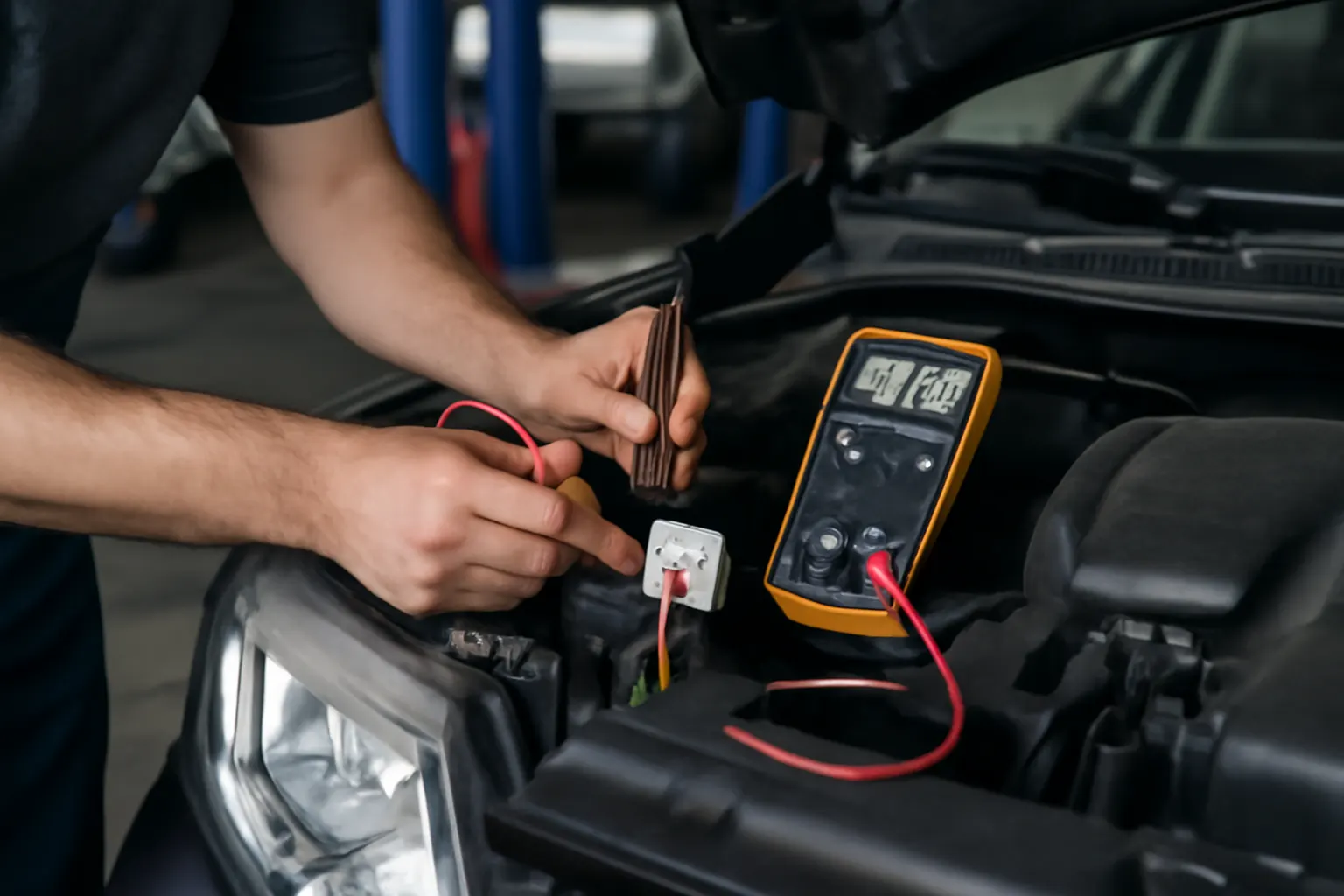
- Remove the sensor and inspect for signs of moisture, corrosion, or residue.
- Clean terminals with electrical contact cleaner and a soft brush.
- Dry thoroughly using compressed air or a low-heat hair dryer.
- Apply dielectric grease before reconnecting.
- Test operation before reassembling trim or panels.
If corrosion is extensive or plastic is cracked, replacement is the safest option.
Choosing Water-Resistant Replacement Sensors
When sourcing replacement sensors, consider the following criteria:
- IP (Ingress Protection) Rating: Higher numbers (e.g., IP67) indicate better dust and water resistance.
- Material Specifications: Look for corrosion-resistant metals, UV-stabilized plastics, and robust gaskets.
- Manufacturer Reputation: Stick to reputable brands or OEM suppliers, as outlined by NHTSA recommendations for safety-critical parts 1.
- Warranty and Support: Favor parts with clear warranty terms and technical support.
For a curated selection of body sensors, see our Sensor (Body, Misc) – Automotive Body Sensors, Diagnostics, and Replacement page.
Routine Maintenance for Long-Term Sensor Health
Proactive maintenance is the best defense against water damage:
- Quarterly Inspections: Check exposed sensors and connectors for signs of wear, corrosion, or water intrusion.
- Seasonal Checks: Before winter and rainy seasons, inspect all body seals and apply lubricant.
- After Exposure: If you drive through deep water or use high-pressure car washes, inspect sensors soon after.
- Keep Drains Clear: Ensure sunroof and door drains are unobstructed to prevent water accumulation inside panels.
A maintenance log helps track service intervals and spot recurring issues.
The Role of Materials Technology in Sensor Protection
Recent advances in automotive materials science have improved sensor durability:
- Nanocoatings: Ultra-thin hydrophobic layers repel water at the molecular level.
- Composite Housings: Lightweight, corrosion-proof composites replace traditional metals.
- Smart Polymers: Seals and gaskets that self-heal minor cracks extend service life 2.
These innovations, supported by research from the United States Department of Energy, are increasingly found in newer vehicles and high-quality aftermarket parts.
Environmental Hazards Beyond Water
While water is the most common threat, sensors also face:
- Road Salt and Chemicals: Accelerate corrosion, especially in northern climates.
- Mud and Debris: Clog sensor housings and block moving parts.
- Extreme Temperatures: Cause condensation inside sealed housings, leading to internal moisture.
Selecting sensors rated for your local environment and maintaining protective coatings is essential for comprehensive protection.
When to Replace vs. Repair Water-Damaged Sensors
Not all water-damaged sensors require immediate replacement. Consider:
- Extent of Corrosion: Light surface corrosion can often be cleaned; heavy pitting or broken terminals require replacement.
- Plastic Deformation or Cracking: Compromised housings cannot reliably be resealed.
- Repeated Failures: If a sensor fails again soon after cleaning, underlying moisture or harness issues may be present. Replace both sensor and affected wiring.
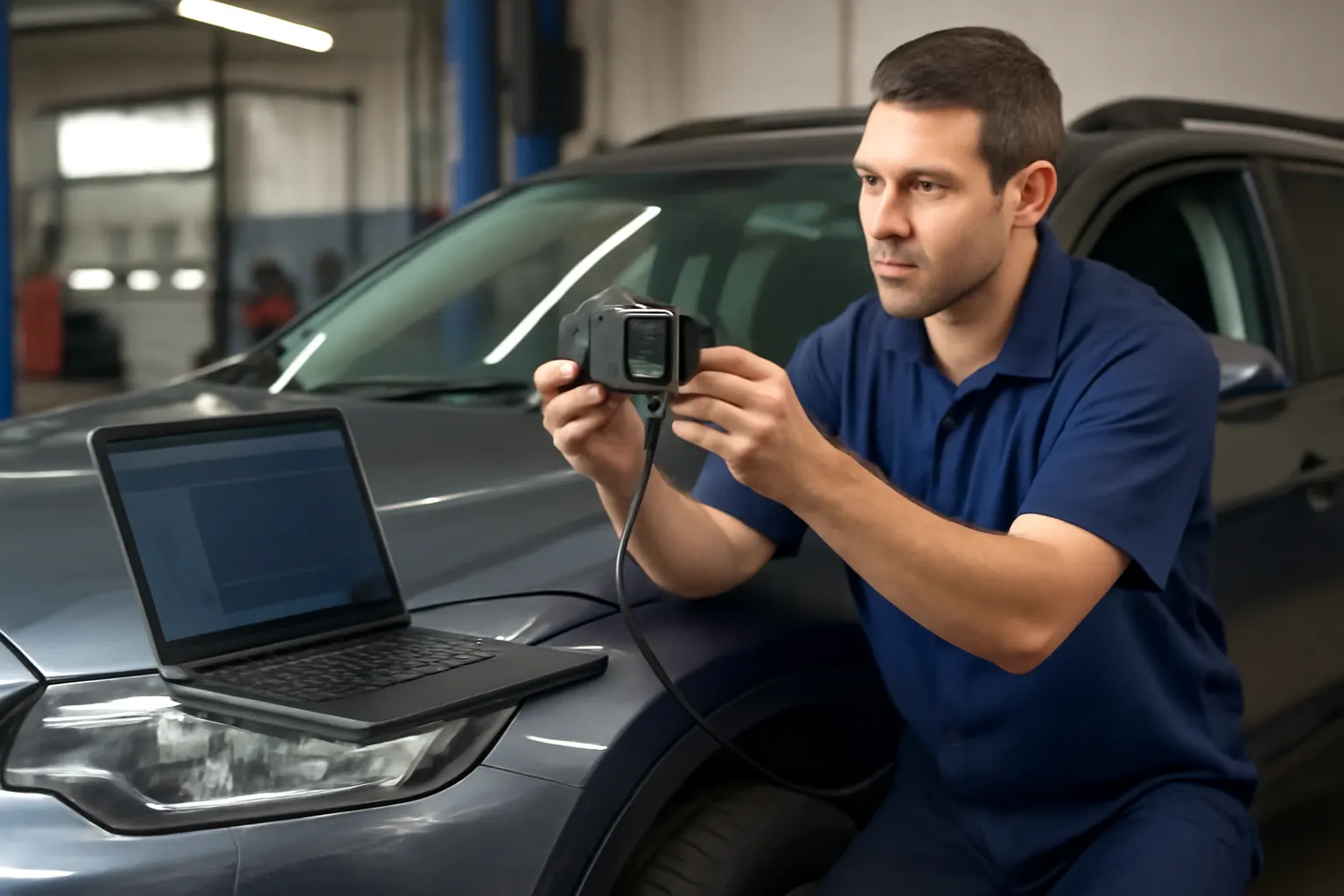
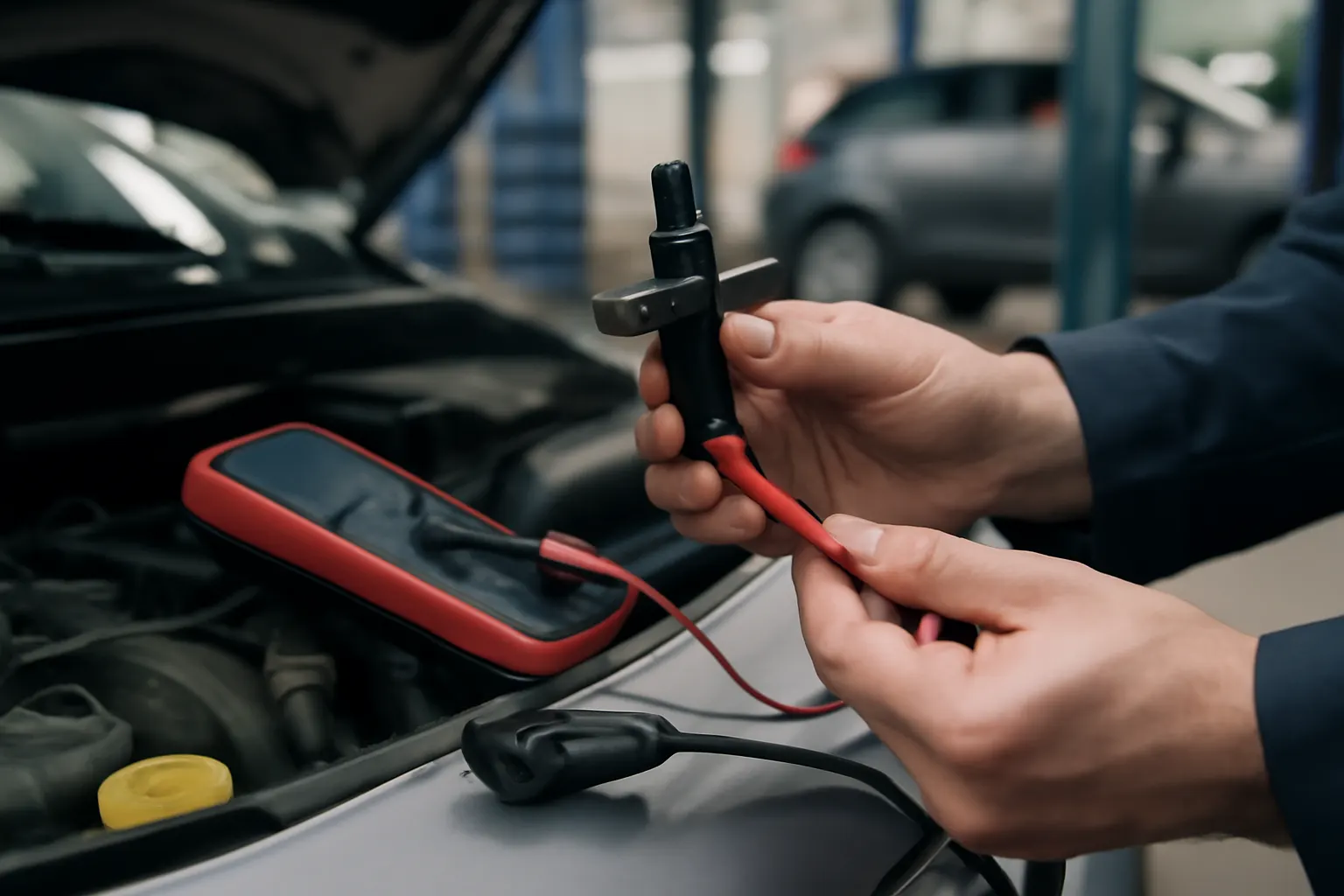
Always verify sensor operation with a scan tool or multimeter after repair or replacement.
Professional Installation and Quality Control
For critical safety sensors—such as those affecting airbags, anti-theft systems, or advanced driver assistance features—professional installation is strongly recommended. Certified technicians:
- Use OEM-approved sealants and materials
- Perform continuity and resistance tests
- Verify sensor operation with diagnostic equipment
- Document installation for safety and compliance
Refer to NHTSA and SAE standards for best practices on sensor replacement and testing 13.
AutoPartEx: Your Partner in Sensor Protection
At AutoPartEx, we understand the vital role body sensors play in modern vehicles. Our curated selection of Sensor (Body, Misc) – Automotive Body Sensors, Diagnostics, and Replacement parts meets or exceeds OEM specifications for water resistance and durability. Our technical resources, such as the Comprehensive Sensor Diagnostics Guide and Body Electrical System Basics, empower you to diagnose, maintain, and protect your vehicle’s sensor network with confidence.
Explore our expert guides, step-by-step installation instructions, and quality parts to ensure your vehicle’s sensors remain reliable, safe, and water-tight—no matter the conditions.
References
- Vehicle Safety and Equipment – National Highway Traffic Safety Administration
- Materials Technologies – United States Department of Energy
- SAE Standards – SAE International