Why Your Car’s Rain Sensor Matters
Rain sensors have become a staple of modern automotive safety, quietly working behind the scenes to enhance visibility and reduce driver workload during adverse weather. If you’ve ever noticed your wipers spring to life the moment raindrops hit the windshield—without you touching a lever—you’ve experienced the convenience and safety benefits of this technology. But what exactly does a rain sensor do, why does it matter, and what happens when it fails? In this comprehensive guide, we’ll break down the crucial role of rain sensors, the hidden risks of malfunction, and how to ensure your vehicle’s system remains reliable. For a broader look at other body and miscellaneous sensors, visit our Sensor (Body, Misc): Comprehensive Guide, Diagnostics, and OEM Parts category.
The Immediate Value of Rain Sensors
At their core, rain sensors automatically detect moisture on your windshield and activate the wiper system accordingly. This automation is more than a convenience—it’s a fundamental safety feature. By immediately clearing your field of view without requiring manual intervention, rain sensors allow you to keep your hands on the wheel and eyes on the road, especially as weather conditions change rapidly.
Key Benefits at a Glance
- Enhanced Safety: Immediate response to rain, sleet, or snow maximizes visibility.
- Reduced Driver Distraction: No need to manually adjust wiper speed.
- Optimized Wiper Performance: Sensors adjust wiper frequency based on rainfall intensity.
- Extended Wiper Life: Only operate when necessary, reducing unnecessary wear.
The Hidden Problem: When Rain Sensors Fail
While rain sensors are designed for reliability, failure is not uncommon—especially as vehicles age or after windshield replacements. A malfunctioning rain sensor can lead to delayed or absent wiper activation, forcing the driver to react manually, sometimes in hazardous conditions. Worse, intermittent or false activation can distract or annoy the driver, undermining the very safety the system is meant to provide.
Common Symptoms of Failure
- Wipers do not activate in rain, or activate erratically.
- Wipers run at incorrect speeds regardless of rainfall.
- Warning lights or error messages related to the sensor system.
- Unusual clicking or relay noises from the wiper module.
Why Rain Sensor Reliability Is Critical
The National Highway Traffic Safety Administration (NHTSA) recognizes visibility as a primary factor in accident prevention, especially in wet weather 1. Even a momentary loss of visibility can be catastrophic. Rain sensors, by instantly responding to changing conditions, help close this critical safety gap. Their failure, however, reintroduces the risk of human error and delayed reaction times.
Impact on Advanced Driver Assistance Systems (ADAS)
Modern vehicles often integrate rain sensors with ADAS features, such as automatic emergency braking and lane-keeping assist. A failed rain sensor can compromise these systems, as many rely on clear windshield visibility for cameras and sensors to function optimally.
How Rain Sensors Work: The Technical Breakdown
Rain sensors typically use optical or infrared technology. An emitter sends light through the windshield; when rain is present, the light is scattered, and the sensor detects the change in reflection. This triggers the wiper system to activate or adjust speed.
Types of Rain Sensors
- Optical Sensors: Use light beams and photodiodes to detect moisture.
- Capacitive Sensors: Detect changes in conductivity when water is present.
- Hybrid Sensors: Combine multiple detection methods for greater accuracy.
Each design requires precise calibration and installation—especially after windshield replacement or repair.
Diagnosing Rain Sensor Issues: A Step-by-Step Checklist
When you suspect your rain sensor is malfunctioning, a systematic approach can save time and prevent unnecessary part replacement. Here’s a practical diagnostic checklist:
-
Visual Inspection:
- Check for cracks, chips, or foreign objects near the sensor area on the windshield.
- Ensure the sensor housing is securely attached and free of condensation.
-
System Self-Test:
- Many vehicles allow a system self-test via the onboard diagnostics menu.
- Observe for error codes or warning messages.
-
Simulated Rain Test:
- With the ignition on, use a spray bottle to mist the windshield near the sensor.
- Observe if the wipers activate and adjust speed accordingly.
-
Connector and Wiring Check:
- Inspect sensor wiring for corrosion, loose connections, or pinched wires.
- Check fuses and relays associated with the wiper system.
-
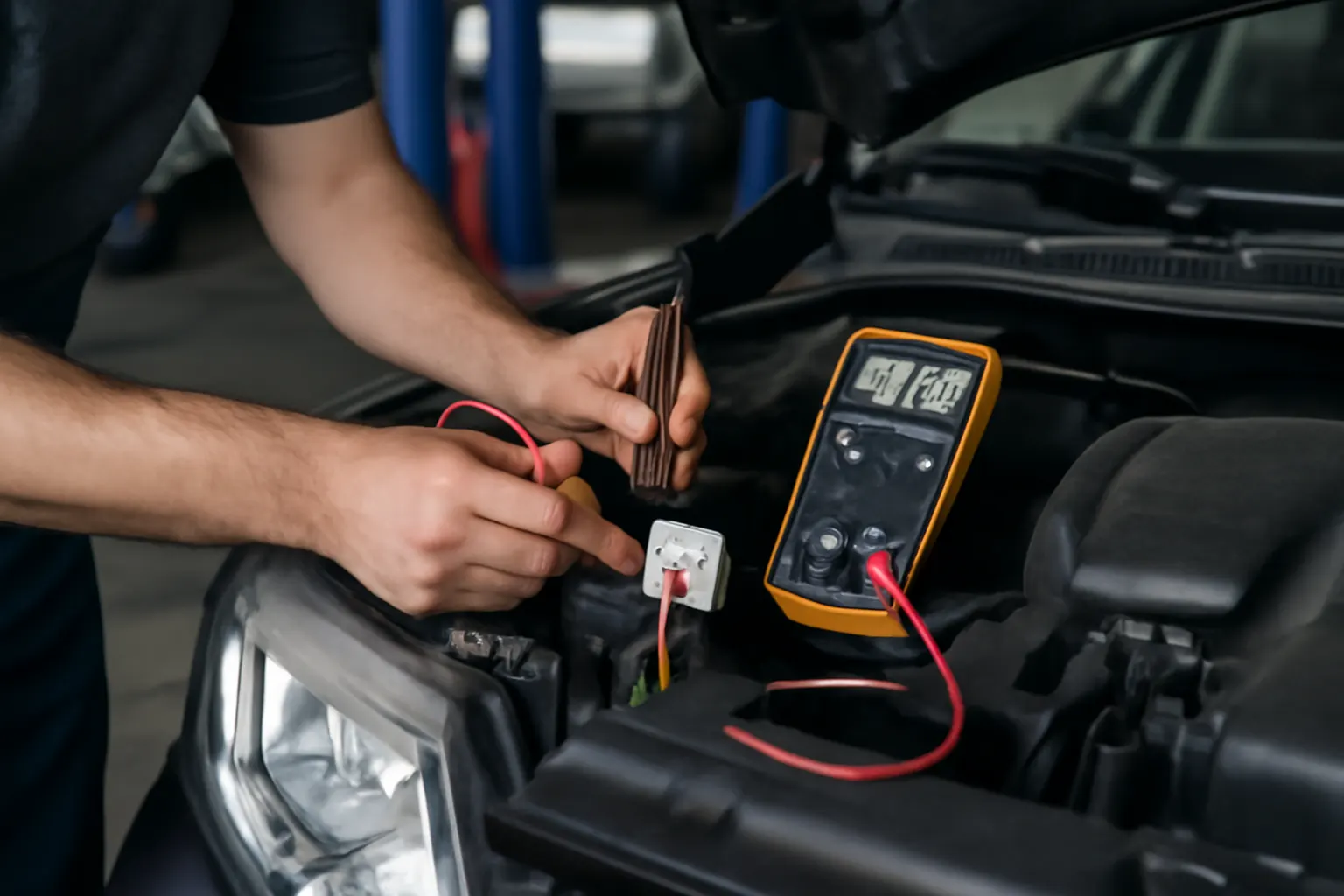
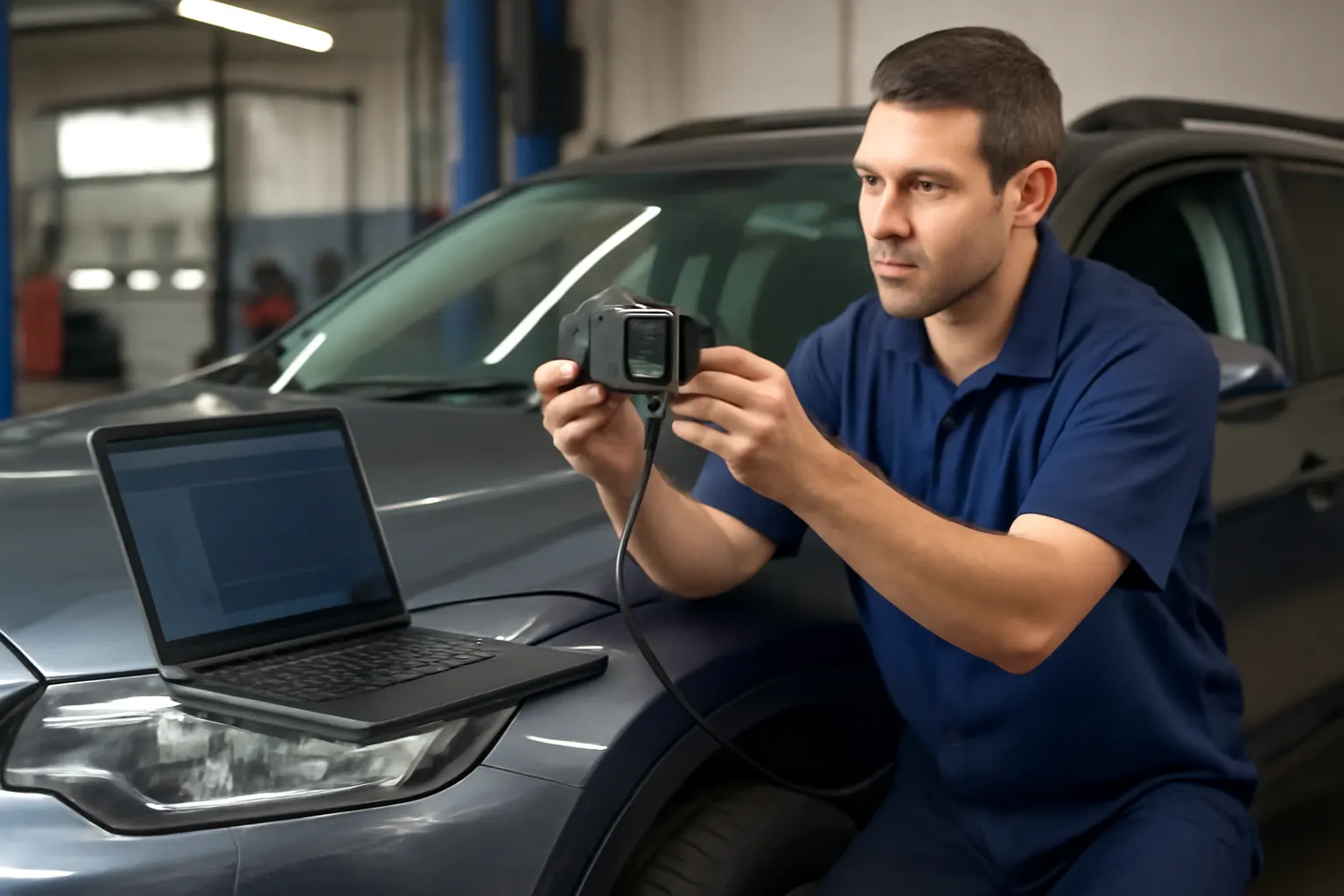
Scan Tool Diagnostics:
- Use an OBD-II scanner to check for stored fault codes related to the rain sensor or wiper control module.
-
Calibration Verification:
- If the sensor was recently disturbed (e.g., windshield replaced), verify calibration via the vehicle’s service menu or a professional scan tool.
If you’re not confident in your diagnostic skills, refer to our sensor diagnostic resource for more detailed procedures.
Rain Sensor and Windshield Replacement: The Overlooked Challenge
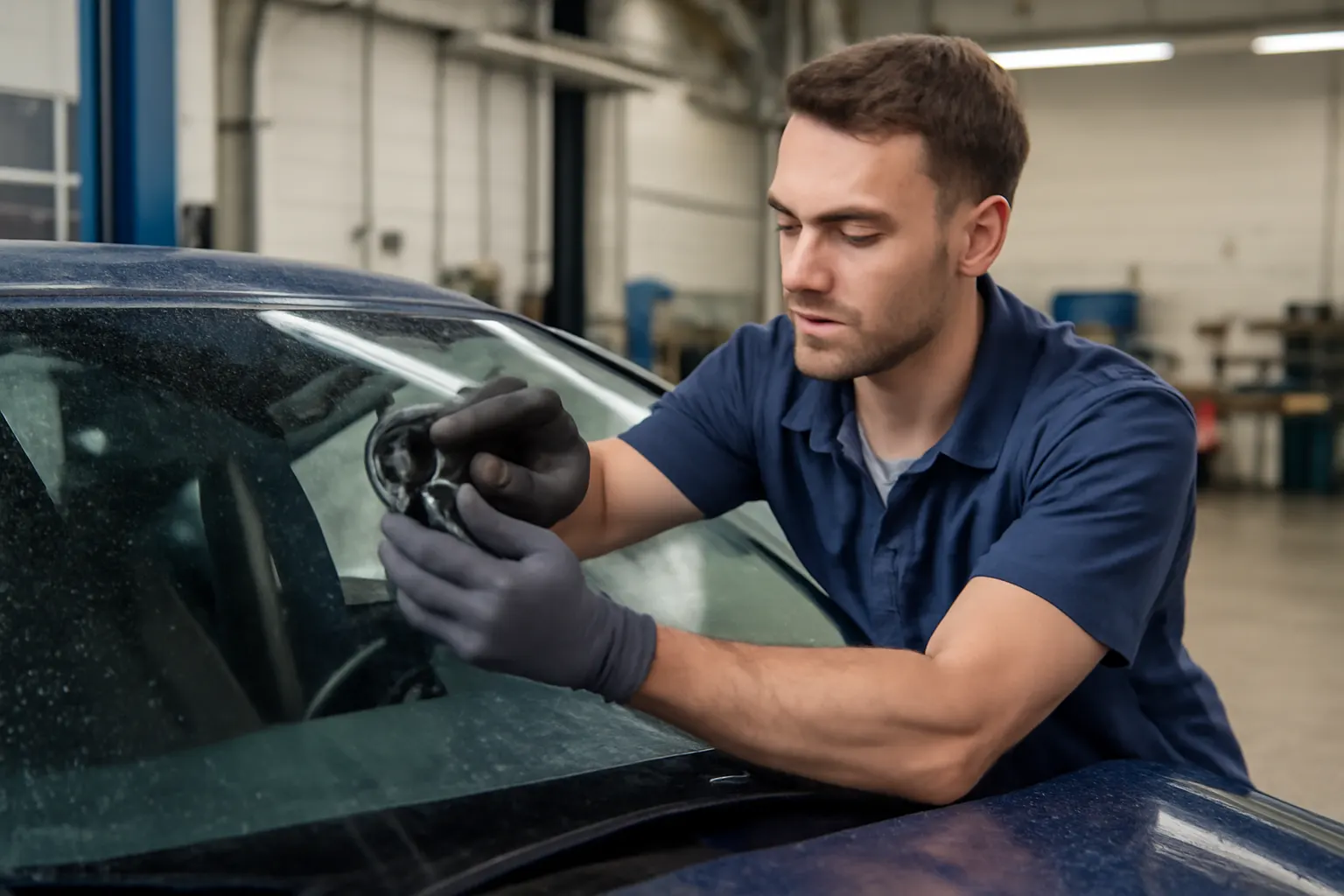
A significant hidden problem arises when a windshield is replaced. Rain sensors must be carefully detached, preserved, and recalibrated to function correctly with the new glass. Improper handling can lead to sensor misalignment or failure, which may not be immediately apparent.
Best Practices for Windshield Replacement
- Always use OEM or OEM-equivalent glass with the correct sensor mounting area.
- Ensure the sensor is reinstalled using approved adhesives and mounting pads.
- Perform post-installation calibration per the manufacturer’s specifications.
If issues persist after replacement, revisit the diagnostic checklist to ensure proper installation and calibration.
Rain Sensor Maintenance: Keeping the System Reliable
While rain sensors are low-maintenance, a few simple steps can help ensure long-term reliability:
- Keep the Windshield Clean: Dirt, oil, and film can interfere with sensor accuracy.
- Avoid Aftermarket Windshield Coatings: Some hydrophobic treatments can disrupt sensor operation.
- Inspect After Glass Work: Always verify sensor function after windshield repair or replacement.
- Check for Software Updates: Some vehicles require periodic software updates to maintain sensor compatibility.
The Broader Role of Body Sensors in Automotive Safety
Rain sensors are just one piece of the modern vehicle’s sensor suite. Other body sensors—such as ambient temperature, door ajar, and trunk sensors—play critical roles in safety, comfort, and vehicle diagnostics. A holistic approach to sensor maintenance can prevent cascading failures and ensure all systems work in concert.
For more on the importance of these systems, see our feature: Ambient Temperature Sensors: Small Parts, Big Impact.
Sourcing OEM and Aftermarket Rain Sensors
When replacement is necessary, sourcing the correct rain sensor is essential. Fitment, compatibility, and quality can vary widely between OEM and aftermarket options.
Buying Guidance
- Check Compatibility: Use your vehicle’s VIN or consult the manufacturer’s parts catalog.
- Prioritize OEM or Certified Aftermarket: OEM sensors guarantee fit and function. Certified aftermarket parts can offer cost savings but should meet or exceed OE specifications.
- Beware of Counterfeits: Only purchase from reputable suppliers with clear return policies.
For a comprehensive list of compatible sensors and fitment guidance, visit our Sensor (Body, Misc): Comprehensive Guide, Diagnostics, and OEM Parts page.
Installation Tips: Getting It Right the First Time
Proper installation is critical for rain sensor performance:
- Cleanliness is Key: Ensure the windshield and sensor mounting area are spotless.
- Follow Torque Specs: Do not overtighten mounting brackets or housings.
- Use Approved Adhesives: Only use adhesives or gels specified by the manufacturer.
- Calibrate After Installation: Many vehicles require a calibration process via the onboard system or a scan tool.
Incorrect installation can lead to persistent issues, including false positives, non-activation, or system error codes.
Troubleshooting Persistent Problems
If your rain sensor continues to malfunction after replacement or repair, consider these advanced troubleshooting steps:
- Check for Software Incompatibility: Some modules require firmware updates after sensor replacement.
- Inspect for Electrical Interference: Aftermarket electronics or poorly shielded wiring can disrupt sensor signals.
- Assess Windshield Quality: Non-OEM glass may have incorrect optical properties, affecting sensor performance.
- Consult a Specialist: Persistent issues may require dealer-level diagnostics or OEM technical support.
The Link Between Rain Sensors and Vehicle Recalls
In rare cases, widespread rain sensor failures have led to manufacturer recalls. The NHTSA maintains a searchable database of equipment recalls, including windshield and sensor issues 2. If you suspect your vehicle’s rain sensor problem is part of a larger defect, check the recall database and contact your dealer for resolution.
The Future of Rain Sensors: Integration with Smart Systems
As vehicles become more autonomous, rain sensors are increasingly integrated into smart systems that control not only wipers, but also headlamps, ADAS cameras, and even adaptive cruise control. The reliability and accuracy of these sensors will only become more critical as vehicles take on more driving responsibilities.
AutoPartEx: Your Partner in Sensor Diagnostics and Replacement
At AutoPartEx, we understand that sensor reliability is non-negotiable for modern vehicle safety. Whether you’re a DIYer, fleet manager, or repair professional, our curated selection of OEM and high-quality aftermarket sensors ensures you get the right part the first time. Our technical guides, like How to Diagnose Body Sensor Failures, and detailed fitment data empower you to maintain and repair your vehicle with confidence.
For even more in-depth information, sourcing guidance, and diagnostic support, explore our full range of sensor-body-misc resources.
Conclusion: Don’t Overlook Your Rain Sensor
While often overlooked, your car’s rain sensor is a frontline safety device. Its seamless operation ensures optimal visibility and reduces distraction in challenging weather. Failure to maintain or properly replace this component can have far-reaching consequences, from reduced safety to ADAS malfunction. With the right diagnostic approach, sourcing strategy, and installation care, you can keep your rain sensor—and your entire sensor suite—functioning as intended.
References
- Vehicle Safety and Equipment – National Highway Traffic Safety Administration
- Materials Technologies – United States Department of Energy
- Vehicle, Car Seat, Tire, and Equipment Recalls – National Highway Traffic Safety Administration