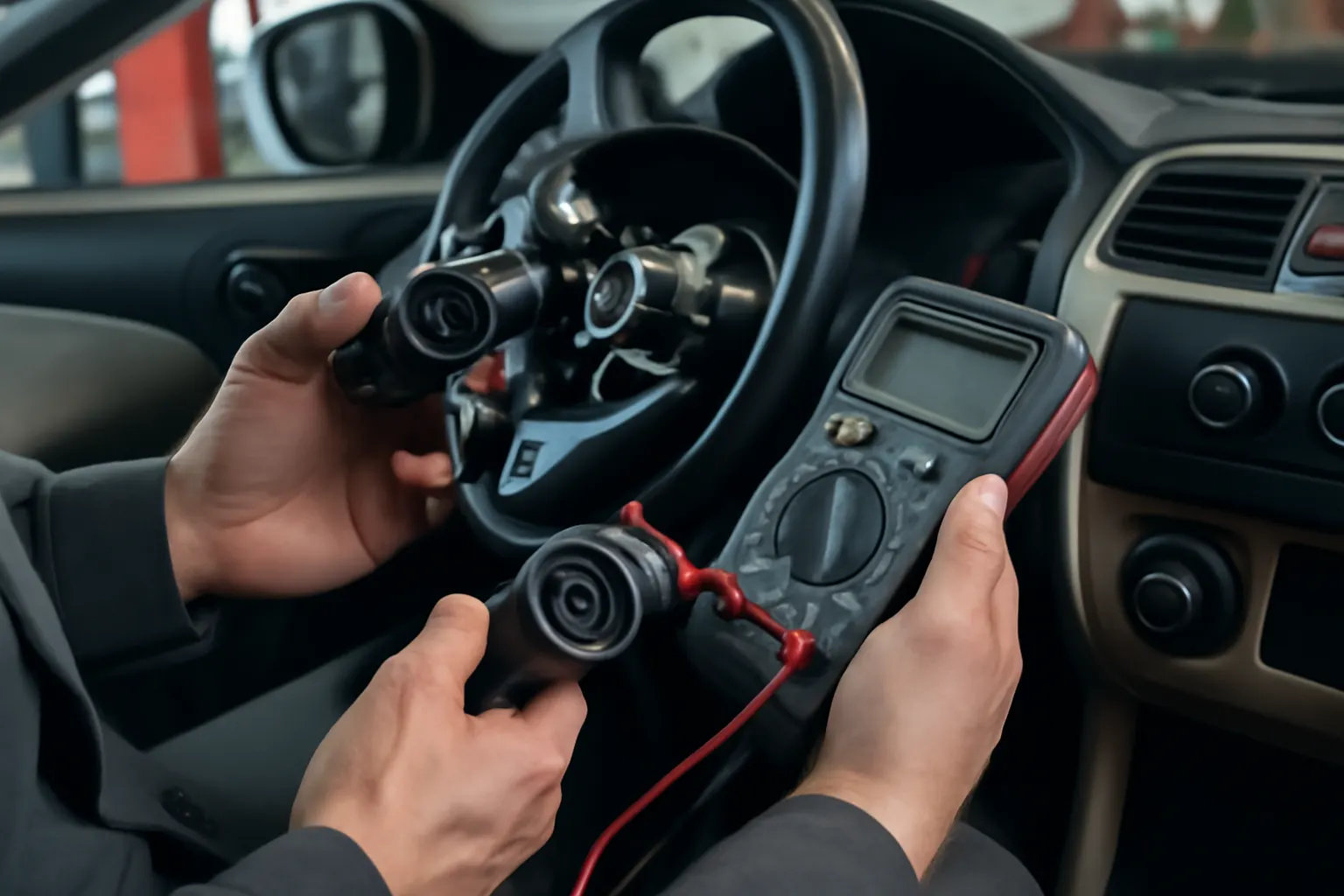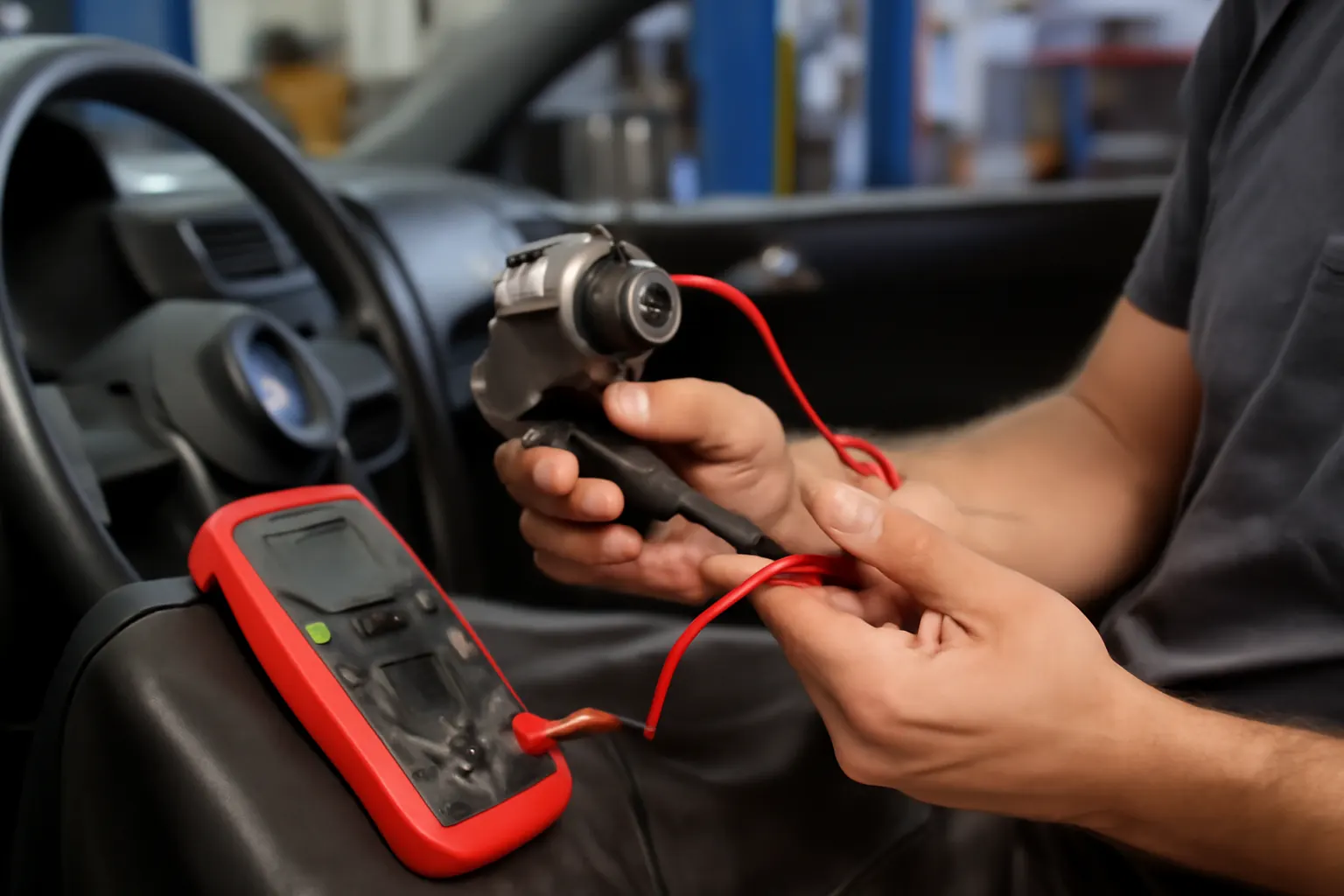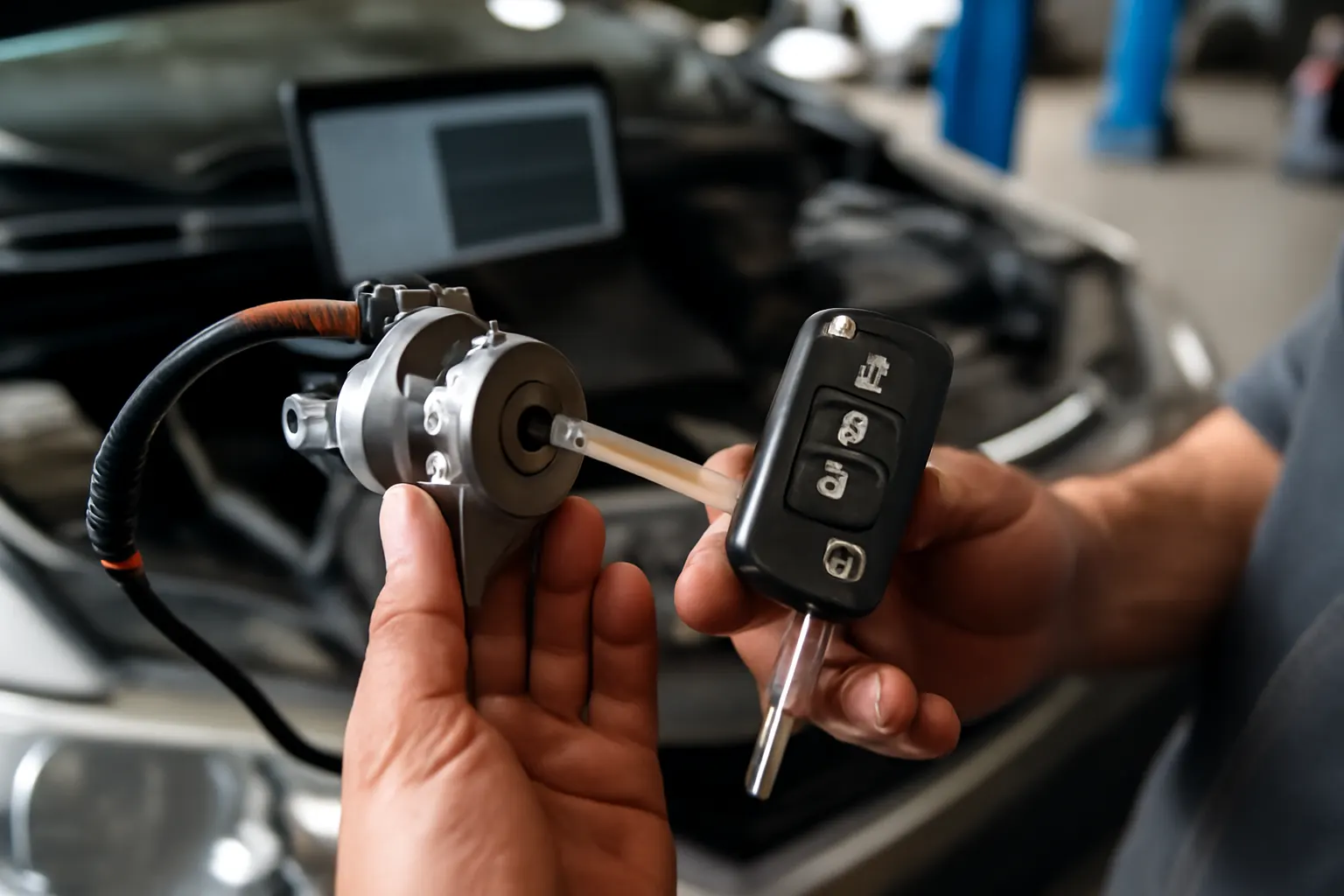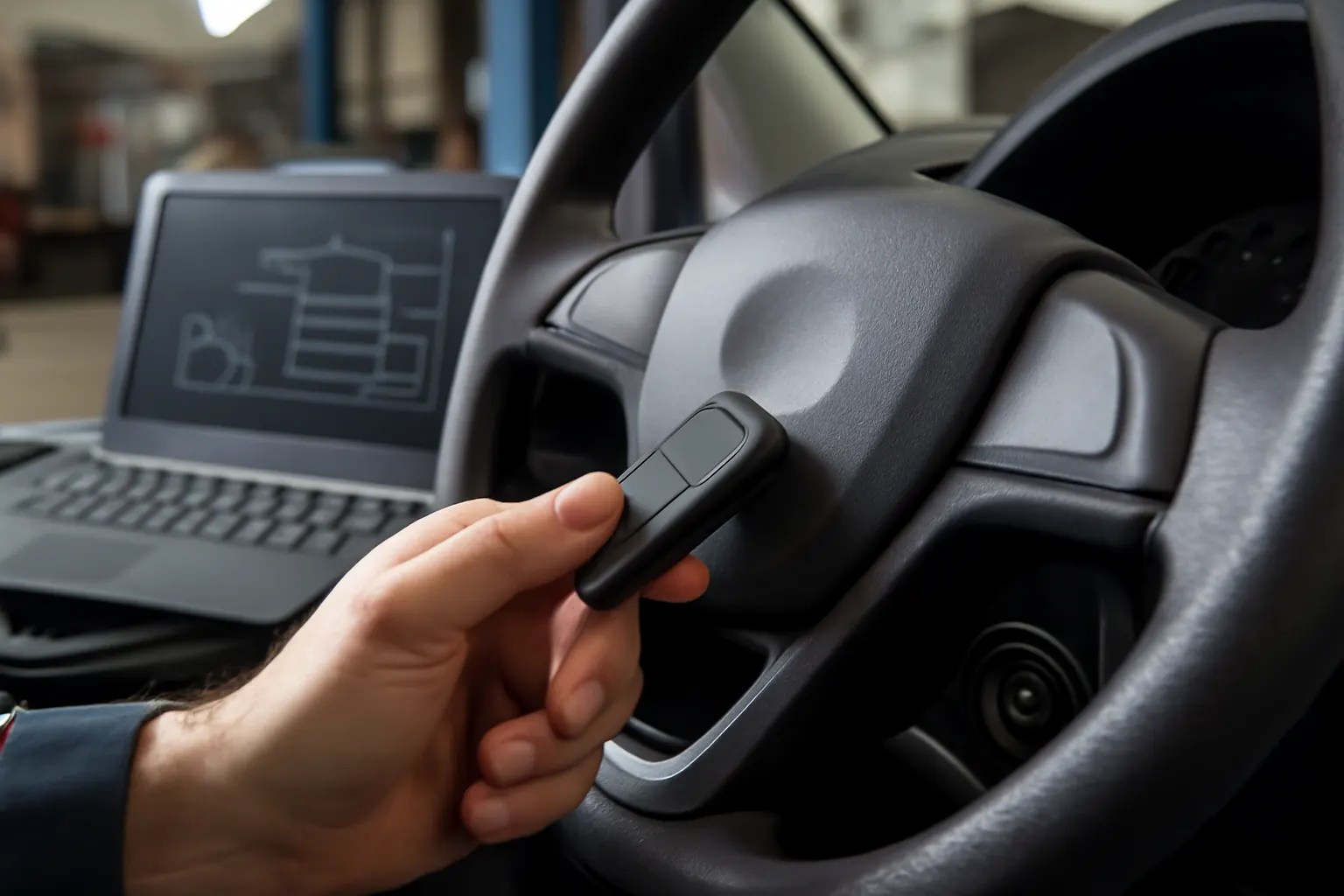
The Evolution of Vehicle Security: From Keys to Smart Switches
Advances in vehicle security have fundamentally changed the way we start, protect, and interact with our cars. The humble ignition switch—once a simple mechanical device—has evolved into a sophisticated electronic gatekeeper, integrating advanced anti-theft features and seamlessly connecting with modern vehicle networks. This evolution impacts not only how vehicles are protected from theft but also how technicians diagnose, service, and replace these critical components. In this article, we’ll trace the journey from traditional key-based ignition switches to today’s smart, programmable systems, and provide actionable guidance for owners and professionals navigating this new landscape.
For a comprehensive overview of ignition switch fundamentals and their role in modern vehicles, visit our Ignition Switches: The Critical Link in Modern Vehicle Starting and Security category page.
The Immediate Answer: Ignition Switches Are Now Security Hubs
Today’s ignition switches are no longer simple on-off devices. In modern vehicles, they serve as the first line of defense against theft, integrating electronic immobilizers, encrypted communications, and even biometric authentication. This shift means that replacing or repairing an ignition switch is now a high-stakes procedure, requiring specialized tools, programming knowledge, and a clear understanding of system integration.
- Old Approach: Simple mechanical key turns cylinder, closes contacts, starts vehicle.
- Modern Approach: Key or fob transmits encrypted signal, switch verifies authorization, communicates with ECU, and only then enables ignition or push-button start.
The upshot: Modern ignition switches are essential components of a vehicle’s security ecosystem, and any work involving them must be approached with technical precision and awareness of their critical role.
The Hidden Problem: Security Upgrades Complicate Repairs and Diagnostics
While enhanced security features have drastically reduced theft rates, they’ve also introduced new hurdles for owners and technicians:
- Complex Diagnostics: No-start conditions may now be caused by failed transponders, immobilizer mismatches, or software glitches rather than just a worn tumbler or failed electrical contact.
- Programming Requirements: Replacing a faulty ignition switch or key fob often requires dealer-level scan tools and manufacturer-specific procedures.
- Parts Compatibility: Not all aftermarket switches or keys are compatible with advanced OEM security systems, increasing the risk of no-starts or security lockouts.
- Cost and Downtime: Repairs are more expensive and time-consuming due to the need for specialized equipment and expertise.
These challenges make it essential to understand not just the mechanical side of ignition switches, but also the electronic and networked aspects that define modern vehicle security.
How Did We Get Here? The Evolution of Ignition Switch Security
From Simple Keys to Integrated Locks
Early automobiles featured rudimentary ignition systems—often just a toggle switch and a removable key. The primary function was to prevent unauthorized use, but these systems could be easily bypassed with basic tools.
- 1920s–1940s: Basic key switches and steering wheel locks were introduced, but theft was still relatively straightforward.
- 1950s–1970s: Manufacturers began integrating ignition switches with steering column locks and standardized key patterns, marginally improving security.
The Rise of Electronic Immobilizers
The late 1980s and 1990s saw a wave of innovation driven by rising auto theft rates and regulatory pressure:
- Transponder Keys: Embedded chips in the key communicate with the ignition switch, requiring a correct code before the engine will start.
- Immobilizer Systems: Electronic modules monitor key input and disable fuel or ignition circuits if an unauthorized key is detected.
The Smart Switch Era
Modern vehicles have taken these concepts further:
- Push-Button Start: Fobs transmit rolling codes; switches only activate if the correct encrypted signal is present.
- Biometric and Touch Sensors: Some luxury vehicles now use fingerprint or facial recognition for added security.
- Network Integration: Ignition switches are nodes on the vehicle’s CAN (Controller Area Network) bus, communicating with ECUs, immobilizers, and telematics systems.
This rapid evolution has made ignition switches deeply intertwined with overall vehicle safety and security.
Key Technologies and Security Features in Modern Ignition Switches
Understanding the technologies inside today’s ignition switches is crucial for anyone involved in diagnostics, repairs, or upgrades.
1. Transponder Key Systems
- How They Work: The key contains a passive RFID chip; when inserted or detected near the switch, it transmits a unique code. The ignition switch reads the code and passes it to the vehicle’s immobilizer controller.
- Failure Points: Lost keys, failed transponders, or mismatched programming can all cause no-start issues.
2. RFID and Rolling Code Fobs
- How They Work: Fobs use rolling (changing) codes to prevent replay attacks. The ignition switch and fob must be synchronized.
- Failure Points: Battery failure, desynchronization, or interference can prevent recognition.
3. CAN Bus Integration
- How They Work: Ignition switches communicate with other vehicle modules via digital networks, enabling advanced diagnostics and remote start/stop features.
- Failure Points: Network faults, module mismatches, or software bugs can disable the ignition system.
4. Physical Security Enhancements
- Steering Column Locks: Mechanically or electronically actuated to prevent steering without proper authorization.
- Anti-Tamper Shields: Hardened housings or covers deter drilling and forced entry.
Diagnosing Security-Related No-Start Conditions
With these new technologies, classic “no-start” diagnostics have changed. Here’s a structured approach for modern vehicles:
Diagnostic Checklist for Security-Related No-Starts
- Check for Security Indicator Lights
- Most vehicles illuminate a security or immobilizer icon if an authorization fault is detected.
- Verify Key/Fob Functionality
- Test with a known-good spare key or fob.
- Replace fob battery if necessary.
- Scan for Diagnostic Trouble Codes (DTCs)
- Use a professional scan tool to check for immobilizer, key, or network faults.
- Inspect Physical Switch and Lock
- Look for signs of tampering, wear, or damage.
- Test Communication with Immobilizer and ECU
- Confirm that the ignition switch is sending proper signals to the immobilizer and ECU.
- Check for Software Updates or Recalls
- Some no-starts are caused by software bugs or known faults; check for technical service bulletins (TSBs) or recalls.
For a deep dive into step-by-step no-start troubleshooting, see our guide: Diagnosing No-Start Conditions: Ignition Switch Edition.
The Impact of Security Evolution on Replacement and Repair
Why Replacement Is No Longer “Plug and Play”
Replacing an ignition switch today can involve:
- Key/Fob Reprogramming: New switches and keys must be programmed to the vehicle’s immobilizer system.
- VIN Synchronization: Some vehicles require the new switch to be “married” to the vehicle’s VIN through a scan tool.
- Component Initialization: Modules may need to be reset or initialized to recognize the new switch.
Common Pitfalls
- Aftermarket Compatibility: Not all aftermarket switches or keys are compatible with OEM immobilizer systems.
- Lockout Risks: Improper installation or programming can trigger anti-theft lockouts, requiring dealer intervention.
- Warranty and Safety Issues: Using non-approved parts or bypassing security features can void warranties or compromise safety.
Choosing the Right Ignition Switch: What to Look For
When sourcing a replacement ignition switch or key, consider:
Sourcing Checklist for Modern Ignition Switches
- OEM vs. Aftermarket: OEM parts guarantee compatibility but may cost more. High-quality aftermarket options are available, but always verify immobilizer and CAN bus compatibility.
- Programming Requirements: Confirm whether the part requires dealer-level programming or if it can be paired using aftermarket scan tools.
- Physical Fitment: Even if the electronics match, ensure the switch physically fits your vehicle’s column or dashboard.
- Security Features: Check for anti-tamper shields, steering lock integration, and other security enhancements.
- Supplier Reputation: Use trusted sources with a track record of quality and support.
Installation and Programming Best Practices
Proper installation and programming are critical for both function and security. Here’s how to approach modern ignition switch replacement:
Step-by-Step Installation Overview
- Disconnect the Battery: Prevents accidental airbag deployment or module damage.
- Remove Trim and Access Panels: Gain access to the switch and associated wiring.
- Document Wiring and Connector Locations: Take reference photos if needed.
- Remove Old Switch: Follow manufacturer-specific procedures to avoid damaging steering lock or immobilizer components.
- Install New Switch: Ensure secure mounting and correct alignment.
- Reconnect Wiring: Double-check all connectors for proper fit.
- Program New Keys/Switch: Use a scan tool to program keys and synchronize the switch with the immobilizer and ECU.
- Test Operation: Verify that the vehicle starts, all security lights clear, and no DTCs are present.
For detailed tools, tips, and programming steps, see our editorial guide: Replacing an Ignition Switch: Tools, Tips, and Programming.
Maintenance and Prevention: Keeping Your Ignition System Secure
Maintenance Tips
- Protect Keys and Fobs: Avoid exposing to moisture, extreme temperatures, or physical damage.
- Replace Fob Batteries Regularly: Prevents lockouts and ensures reliable operation.
- Check for Software Updates: Some manufacturers release security patches via dealer networks.
- Inspect for Wear or Tampering: Regularly check the ignition switch and surrounding trim for signs of forced entry or unusual wear.
Preventing Security Breaches
- Avoid Aftermarket “Bypass” Devices: These can compromise safety and make your vehicle easier to steal.
- Secure Spare Keys: Never leave spares in or near the vehicle.
- Disable Unused Fobs: If a fob is lost, have it deactivated by a professional.
The Role of Standards and Regulations in Ignition Switch Security
Regulatory Drivers
Government agencies and standards bodies have played a major role in shaping ignition switch security:
- NHTSA Equipment Regulations: Mandate minimum security and safety requirements for ignition systems and anti-theft devices 1.
- SAE Standards: Define testing, durability, and communication protocols for electronic ignition and immobilizer systems.
Recall and Compliance Considerations
- Safety Recalls: Faulty ignition switches have been the subject of major recalls due to unintended shut-offs or security vulnerabilities.
- Compliance: Always verify that replacement switches meet or exceed OEM and regulatory standards to maintain safety and functionality.
The Broader Impact: Security, Safety, and Vehicle Performance
Security and Safety Are Intertwined
A compromised ignition switch can lead to:
- Increased Theft Risk: Outdated or bypassed security features make vehicles easy targets.
- Safety Hazards: Faulty switches can cause unintended engine shut-offs, airbag deactivation, or loss of power steering/brakes.
Performance Considerations
- Fuel Efficiency: Modern ignition systems contribute to optimal engine management and fuel efficiency by ensuring precise start/stop control 2.
- System Integration: Ignition switches are now part of a complex network, affecting everything from diagnostics to emissions controls.
Common Myths and Misdiagnoses
Despite advances in technology, misconceptions persist:
- Myth: “A no-start means the battery or starter is bad.”
Reality: Security faults are a leading cause of no-starts in modern vehicles. - Myth: “Any locksmith can program a new key or switch.”
Reality: Many vehicles require dealer-level tools and procedures. - Myth: “Aftermarket switches are always inferior.”
Reality: Quality aftermarket options exist, but compatibility and proper programming are critical.
For more on separating fact from fiction, check out Common Ignition Switch Myths and Misdiagnoses.
Future Trends: What’s Next for Ignition Switch Security?
The next generation of ignition switches will likely feature:
- Biometric Authentication: Fingerprint, facial, or voice recognition for personalized security.
- Mobile Device Integration: Smartphones and wearables as digital keys.
- Remote and Over-the-Air Updates: Security patches and new features delivered without a trip to the dealer.
- Cloud-Based Anti-Theft: Real-time monitoring and immobilization via telematics.
Staying informed about these trends is vital for professionals and enthusiasts alike.
AutoPartEx: Your Partner in Modern Ignition Switch Solutions
Navigating the evolving landscape of ignition switch security demands up-to-date knowledge, quality parts, and reliable support. At AutoPartEx, we specialize in providing:
- OEM and Certified Aftermarket Switches: Compatible with the latest immobilizer and CAN bus systems.
- Technical Resources: In-depth guides, diagnostic tips, and programming support.
- Expert Sourcing: Trusted suppliers and fast fulfillment for both standard and advanced ignition switch needs.
Whether you’re a technician, restorer, or DIYer, AutoPartEx is your go-to resource for ignition switch expertise and parts. Explore our Ignition Switches: The Critical Link in Modern Vehicle Starting and Security section for the latest products and technical articles.
Conclusion: Security, Complexity, and the Path Forward
The journey from traditional keys to smart switches reflects a broader transformation in automotive security and technology. While these advances have made vehicles safer and harder to steal, they have also raised the bar for diagnostics, repair, and replacement. Understanding the evolution of ignition switch technology—and the best practices for working with modern systems—is essential for anyone involved in automotive maintenance or restoration.
As vehicles continue to evolve, staying informed and choosing the right partners for parts and expertise will ensure your repairs are safe, reliable, and future-ready.
References
- Vehicle Safety and Equipment — National Highway Traffic Safety Administration
- Fuel Efficiency — United States Department of Energy
- Materials Technologies — United States Department of Energy
- SAE Standards — SAE International