Common Ignition Switch Myths and Misdiagnoses
Ignition switch problems are among the most misunderstood issues in automotive repair. Myths about their failure modes, symptoms, and replacement costs are widespread, leading to costly misdiagnoses and unnecessary parts replacement. This guide debunks the most persistent ignition switch myths, explains why misdiagnoses are so common, and provides actionable steps for accurate diagnostics—saving both technicians and vehicle owners time and money.
Whether you’re a professional technician, a DIY enthusiast, or simply want to understand how ignition switches impact your vehicle’s reliability and security, this deep dive will clarify misconceptions and help you avoid costly mistakes. For a comprehensive overview of ignition switch operation, design, and evolution, see our Ignition Switches: The Critical Link in Modern Vehicle Starting and Security category resource.
The Immediate Answer: Myths and Misdiagnoses Cost Time and Money
When an engine won’t start, the ignition switch is often blamed. But the reality is that ignition switch failures are far less common than misdiagnoses suggest. Misunderstandings about the switch’s function, failure patterns, and diagnostic procedures frequently result in unnecessary replacements and overlooked root causes.
Key Takeaways:
- Ignition switches are robust, but their symptoms overlap with many other electrical and fuel system faults.
- Accurate diagnosis requires more than a quick “turn the key and see” approach.
- Myths about switch failures often lead to wasted labor, parts, and customer frustration.
The Hidden Problem: Misdiagnosis Is Rampant in Shops and DIY Repairs
Despite advances in vehicle diagnostics, ignition switch misdiagnosis remains a leading cause of unnecessary repairs. Shops—pressed for time and under pressure to deliver results—may replace the ignition switch when the true culprit lies elsewhere in the starting or security system. DIYers, relying on internet forums or anecdotal evidence, are equally susceptible to these pitfalls.
Why does this matter?
- Modern ignition systems are interconnected with security modules, immobilizers, and even body control modules.
- A single misdiagnosis can lead to a cascade of unnecessary parts replacement.
- Overlooking the real root cause can leave a vehicle stranded, compromising safety and reliability.
Myth #1: “If the Engine Won’t Crank, It’s the Ignition Switch”
One of the most persistent myths is that a no-crank condition automatically points to a failed ignition switch. In reality, the switch is just one link in a complex chain that includes the battery, starter relay, starter motor, and security systems.
The Technical Reality
- The ignition switch’s primary role is to route power to the starter circuit and accessory systems.
- Many no-crank issues are caused by corroded battery terminals, weak batteries, failed starter relays, or immobilizer faults.
- According to the National Highway Traffic Safety Administration, electrical system diagnostics should always include checks of related circuits and components.
Diagnostic Tip: Before condemning the switch, verify battery voltage, check for starter relay operation, and confirm immobilizer status.
Myth #2: “All Ignition Switches Fail the Same Way”
Another common misconception is that ignition switches have a single, predictable failure mode. In truth, failure patterns vary based on switch design, vehicle make, and operating environment.
Failure Modes: Not One-Size-Fits-All
- Mechanical wear (key won’t turn, excessive play)
- Electrical contact erosion (intermittent accessory or starter operation)
- Integrated security module failure (no communication with immobilizer or BCM)
- Physical damage (broken key, tampering)
Expert Insight: Some switches fail intermittently, making diagnosis even more challenging. Others may affect only certain circuits (e.g., radio works, but engine won’t crank).
Myth #3: “A Bad Ignition Switch Always Triggers a Check Engine Light”
Many believe that a failing ignition switch will illuminate the check engine light (CEL) or store a diagnostic trouble code (DTC). This is rarely the case.
What the Data Shows
- The ignition switch itself is not typically monitored by the engine control module (ECM).
- Most switch failures do not directly set DTCs unless they interrupt critical communication buses or security modules.
- The SAE International Standards governing OBD-II do not require direct ignition switch monitoring.
Reality Check: Absence of a CEL does not rule out a faulty switch, and presence of a CEL does not confirm it.
Myth #4: “All Ignition Switches Are Simple Mechanical Devices”
While older vehicles used purely mechanical switches, modern ignition switches are sophisticated electronic components, often integrated with anti-theft systems and body control modules.
The Modern Ignition Switch
- May include RFID transponders, smart key readers, and internal microcontrollers.
- Can communicate over vehicle networks (CAN, LIN).
- Replacement may require programming or re-initialization of security systems.
Implication: Incorrect replacement or diagnosis can immobilize the vehicle or trigger additional faults.
Myth #5: “Aftermarket Ignition Switches Are Always Inferior”
Some believe only OEM ignition switches are reliable. However, high-quality aftermarket switches, especially those meeting SAE Standards, can match or exceed OEM performance.
Materials and Manufacturing Advances
- The United States Department of Energy notes that modern materials and manufacturing processes have improved aftermarket component reliability.
- Reputable aftermarket brands often use upgraded contacts, improved plastics, and enhanced anti-tamper features.
Buying Tip: Look for switches that meet or exceed OEM specifications and carry compliance with national safety standards.
The Complexity Behind Ignition Switch Diagnostics
The ignition switch is just one node in a complex web of vehicle electrical and security systems. Its symptoms can mimic or mask issues in:
- Battery and charging system
- Starter circuit (relay, solenoid, wiring)
- Security/immobilizer modules
- Body control modules
- Accessory circuits (radio, HVAC, lighting)
Why Misdiagnosis Happens
- Overlapping symptoms: A failed starter relay and a failed ignition switch may both cause a no-crank condition.
- Intermittent faults: Loose contacts inside a switch may only act up under certain conditions (temperature, vibration).
- Security integration: Modern vehicles may block cranking for security reasons, even if the switch is functional.
Result: Without a systematic diagnostic approach, the real issue is easily missed.
Step-by-Step Diagnostic Checklist: Is It Really the Ignition Switch?
Before replacing any ignition switch, follow this systematic diagnostic process:
-
Verify Battery Health
- Check voltage and load test the battery.
- Inspect terminals for corrosion and tightness.
-
Test for Power at the Starter
- With the key in “start,” check for voltage at the starter solenoid.
- No voltage? Continue diagnostics upstream.
-
Check Starter Relay and Fuses
- Swap relays if possible; inspect related fuses.
-
Evaluate Security/Immobilizer Status
- Look for security indicator lights or messages.
- Attempt to start with a spare key.
-
Inspect the Ignition Switch
- Wiggle the key while observing for intermittent accessory or start function.
- Test for continuity across switch terminals per service manual.
-
Scan for Diagnostic Trouble Codes
- Use a scan tool to check all modules, not just the ECM.
-
Consult Wiring Diagrams
- Trace power flow from battery to starter through the switch.
-
Consider Environmental Factors
- High humidity, water intrusion, or evidence of tampering may point to switch issues.
If all other components test good and symptoms persist, the ignition switch becomes the prime suspect.
Understanding Switch Construction and Failure Patterns
Knowing how ignition switches are designed helps predict failure modes and avoid misdiagnoses.
Mechanical vs. Electrical Failures
- Mechanical: Key won’t turn, lock cylinder binds, excessive play.
- Electrical: No voltage output on key-on, intermittent accessory power, arcing or melted contacts.
Integrated Security
- Many modern switches house immobilizer chips or communicate with the vehicle’s security system.
- Failure here can prevent starting even if the mechanical switch is fine.
- Some vehicles require switch programming after replacement—skipping this step can immobilize the car.
Environmental and Usage Factors
- High-mileage vehicles: Wear and tear on switch contacts.
- Outdoor storage: Moisture intrusion, corrosion.
- Frequent key use: Accelerated mechanical wear.
Real-World Examples of Ignition Switch Misdiagnosis
Case Study 1: The No-Crank Honda
A 2008 Honda Accord presented with intermittent no-crank. Shop replaced the ignition switch—problem persisted. Further diagnosis revealed a corroded ground strap at the transmission. Cleaning the ground restored reliable starting.
Case Study 2: The Security Lockout GM
A 2012 Chevrolet Malibu would not start, displaying “Service Theft System.” Shop replaced the ignition switch, but the issue was actually a failed transponder in the key. Programming a new key resolved the problem.
Case Study 3: The Flickering Accessories Ford
A 2003 Ford Focus lost radio and HVAC intermittently. The ignition switch was replaced, but the issue continued. The culprit? A loose accessory relay in the fuse box.
Lesson: Always complete a full diagnostic process before replacing the switch.
Avoiding Costly Mistakes: The Solution Path
To prevent unnecessary ignition switch replacements and get to the root of starting or accessory problems, follow these best practices:
1. Use a Structured Diagnostic Approach
- Start with the basics: battery, fuses, relays.
- Use wiring diagrams and factory service information.
- Don’t skip security/immobilizer checks.
2. Leverage Scan Tools and Data
- Scan all modules, not just the engine.
- Look for communication faults, security codes, and body control module errors.
3. Test, Don’t Guess
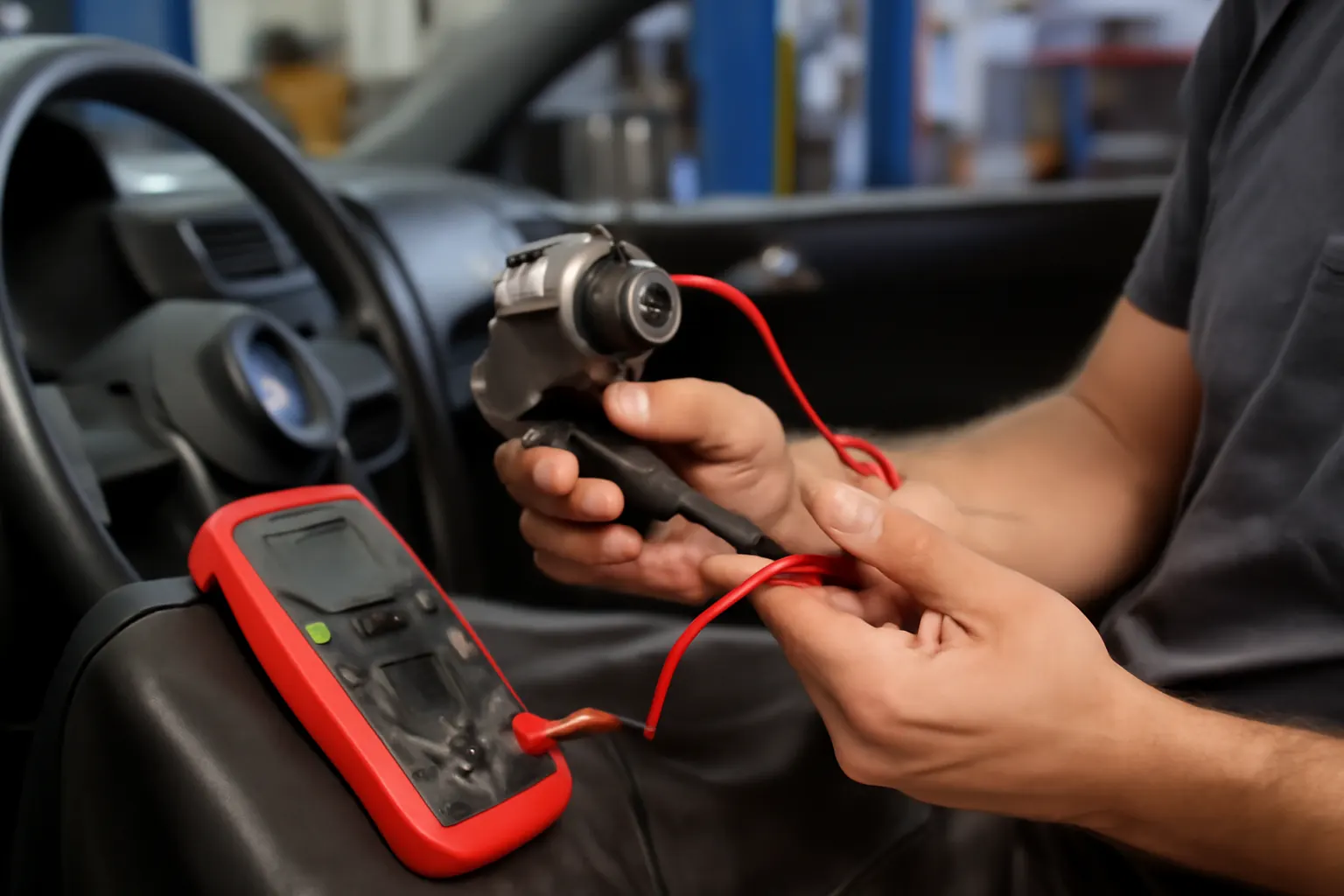
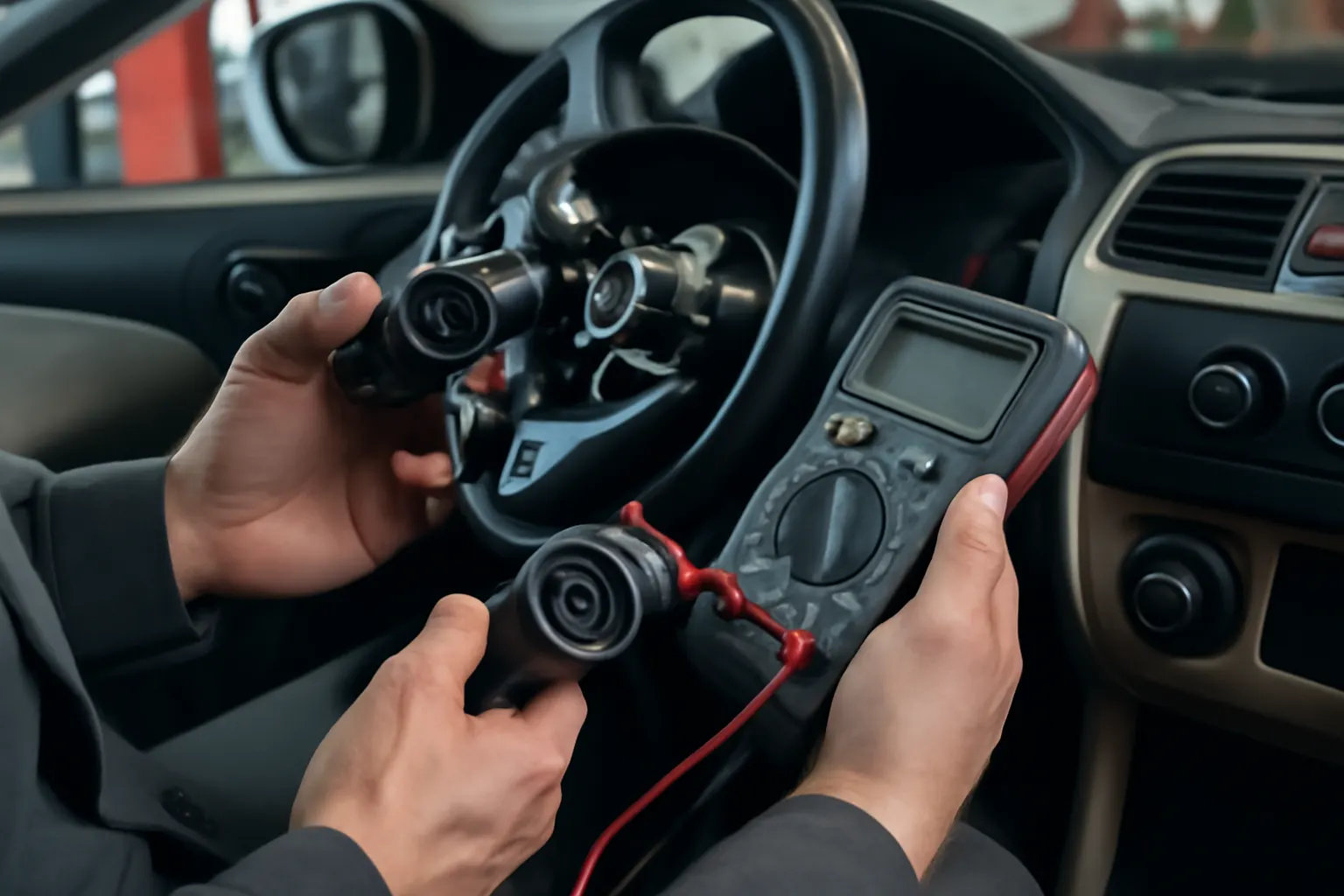
- Use a multimeter to check for voltage and continuity at the switch terminals.
- Confirm that the switch is receiving and outputting power as expected.
4. Understand Vehicle-Specific Switch Features
- Some vehicles require switch programming or key re-learning after replacement.
- Research TSBs (Technical Service Bulletins) for known switch or security issues.
5. Source Quality Replacement Parts
- Choose switches that meet or exceed OEM and SAE International standards.
- Avoid “universal fit” switches for modern vehicles with security integration.
Installation and Programming Considerations
Replacing an ignition switch is more complex than it appears, especially on modern vehicles.
Key Steps for Success
- Disconnect the battery before removal to prevent accidental short circuits.
- Retain all keys and transponders; some vehicles will not start if a key is lost during replacement.
- For vehicles with integrated immobilizers, follow the manufacturer’s key programming or switch initialization procedures.
- Test all accessory and start functions after installation.
For hands-on guidance, see Replacing an Ignition Switch: Tools, Tips, and Programming.
Security and Safety: Beyond the Switch
Ignition switches are increasingly tied to vehicle security and anti-theft systems. Misdiagnosis or improper replacement can compromise both safety and security.
Security Integration
- Many modern vehicles will not allow starting if the security handshake between the key, switch, and module fails.
- Some models will lock out the ignition system for a period after repeated incorrect attempts.
Safety Considerations
- Faulty ignition switches have been subject to high-profile recalls due to stalling and loss of power accessories.
- Always check for open recalls using the NHTSA recalls database.
Maintenance Tips: Prolonging Ignition Switch Life
While ignition switches are robust, proper care can extend their lifespan and reduce the risk of failure.
Maintenance Checklist
- Use lightweight keychains: Heavy keychains accelerate mechanical wear.
- Keep keys and lock cylinders clean: Avoid debris and moisture intrusion.
- Address electrical issues promptly: Flickering accessories or intermittent starts may indicate early switch wear.
- Avoid excessive force: If the key resists turning, investigate before forcing it.
Sourcing the Right Ignition Switch: What to Look For
Not all ignition switches are created equal. When replacement is necessary, consider:
Buying Guidelines
- Compatibility: Confirm fitment for your vehicle’s year, make, and model.
- Quality: Look for switches with compliance to national safety and materials standards.
- Warranty: Reputable brands offer warranties against early failure.
- Supplier Reputation: Choose trusted sources like AutoPartEx for peace of mind.
AutoPartEx: Your Partner in Accurate Diagnosis and Quality Parts
At AutoPartEx, we empower technicians and DIYers with expert guidance, quality parts, and technical resources. Our curated selection of ignition switches meets or exceeds OEM and SAE standards, ensuring safe, reliable operation.
Explore our Ignition Switches: The Critical Link in Modern Vehicle Starting and Security category for in-depth guides, fitment information, and top-rated replacement parts. For troubleshooting no-start conditions, see our editorial Diagnosing No-Start Conditions: Ignition Switch Edition.
Expert Action: Diagnose Before You Replace
The bottom line? Don’t let myths and misinformation drive your ignition switch service decisions. Always:
- Diagnose systematically: Rule out related systems before condemning the switch.
- Consult reliable resources: Use factory information, wiring diagrams, and trusted technical guides.
- Source quality parts: Choose switches that meet safety and performance standards.
- Stay informed: Keep up with evolving ignition switch technology and security integration.
By following these best practices, you’ll avoid costly misdiagnoses, improve repair outcomes, and maintain vehicle safety and reliability.