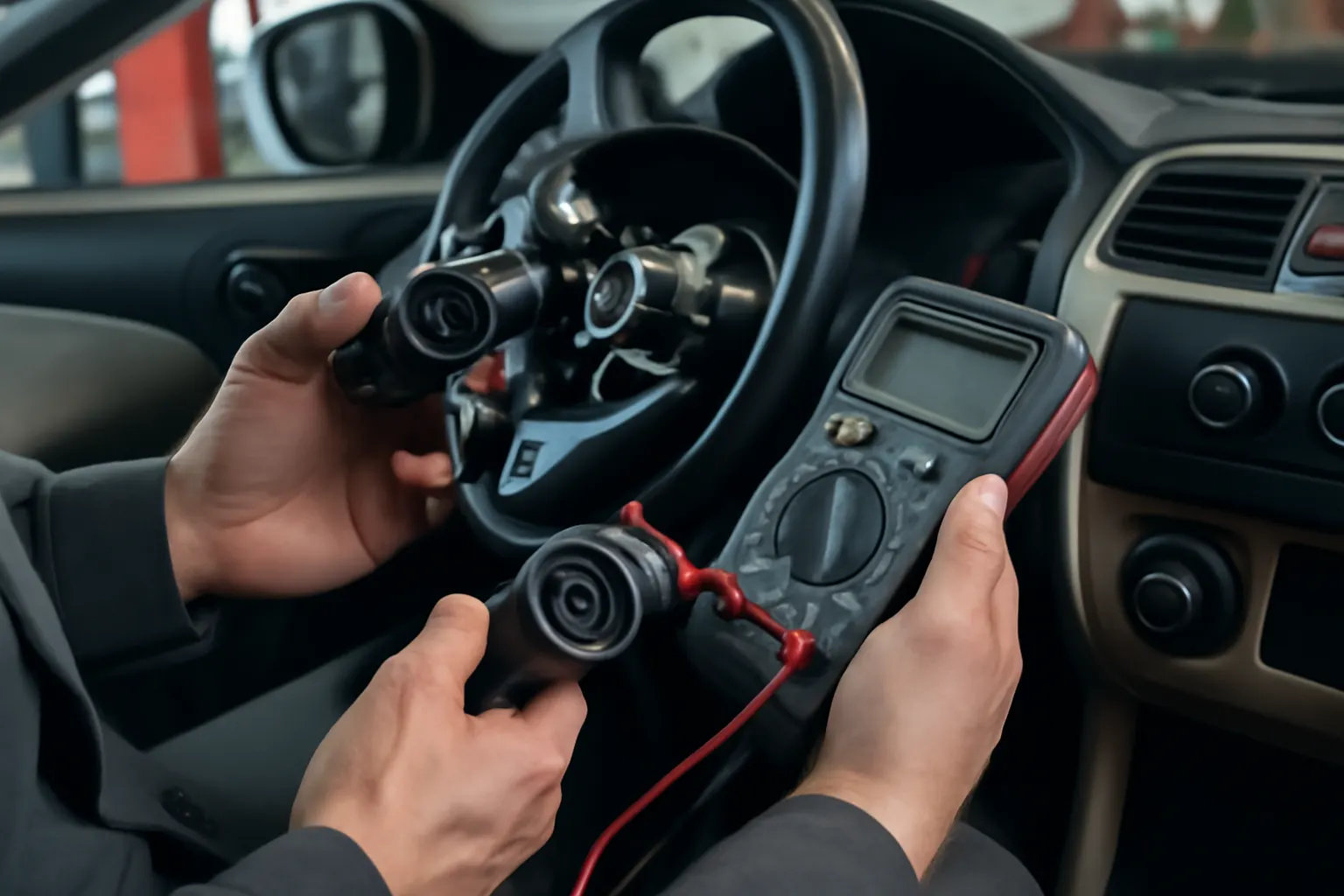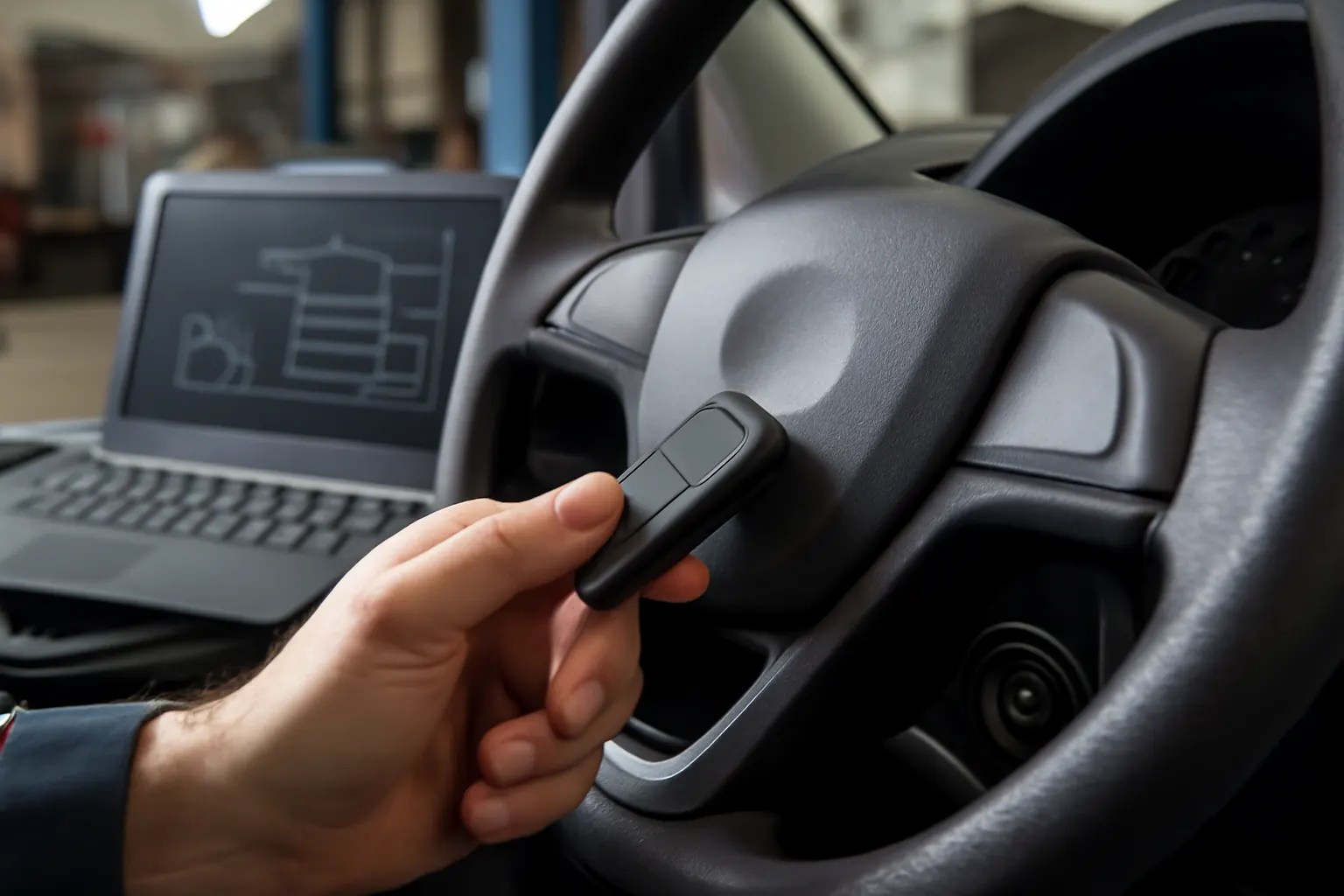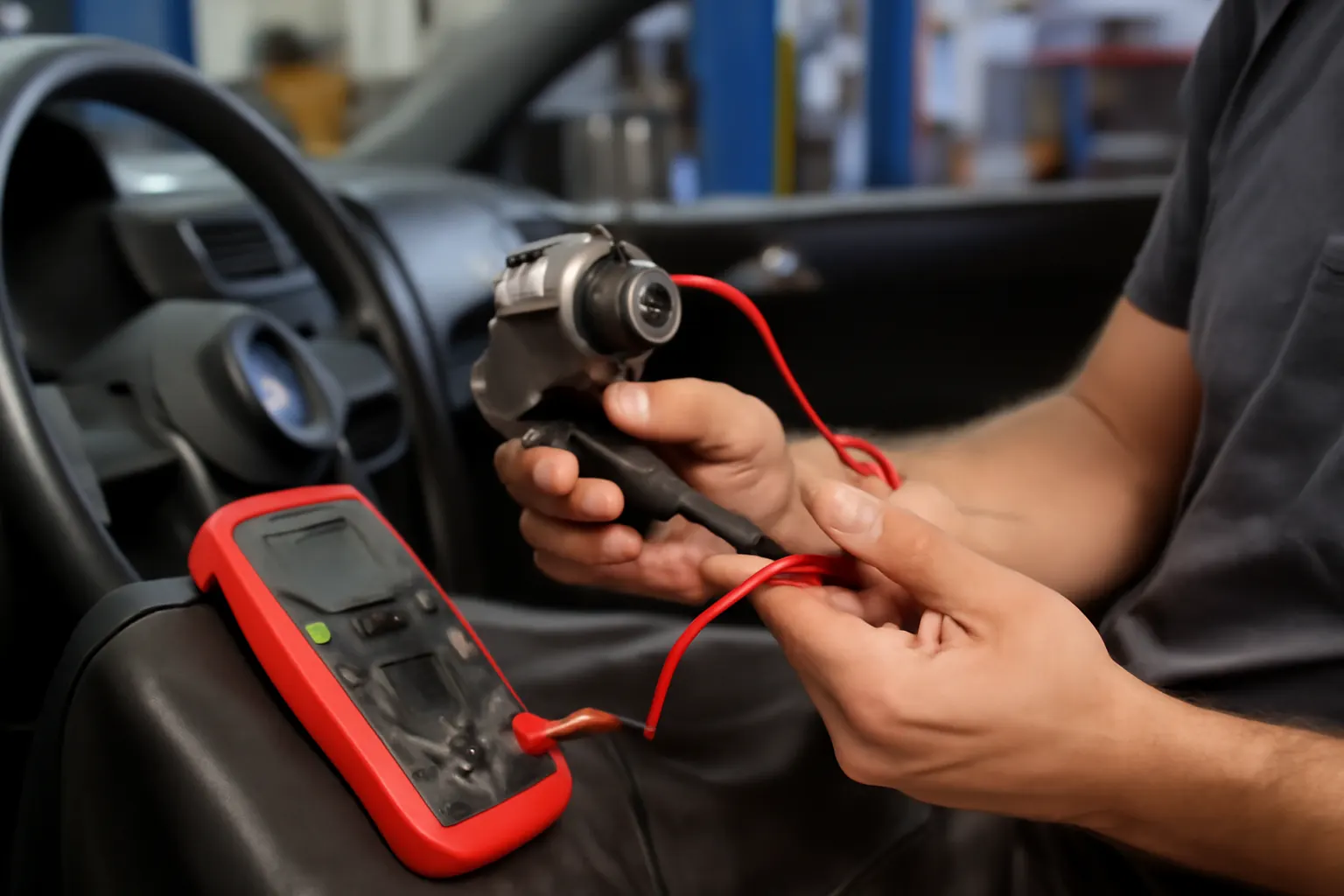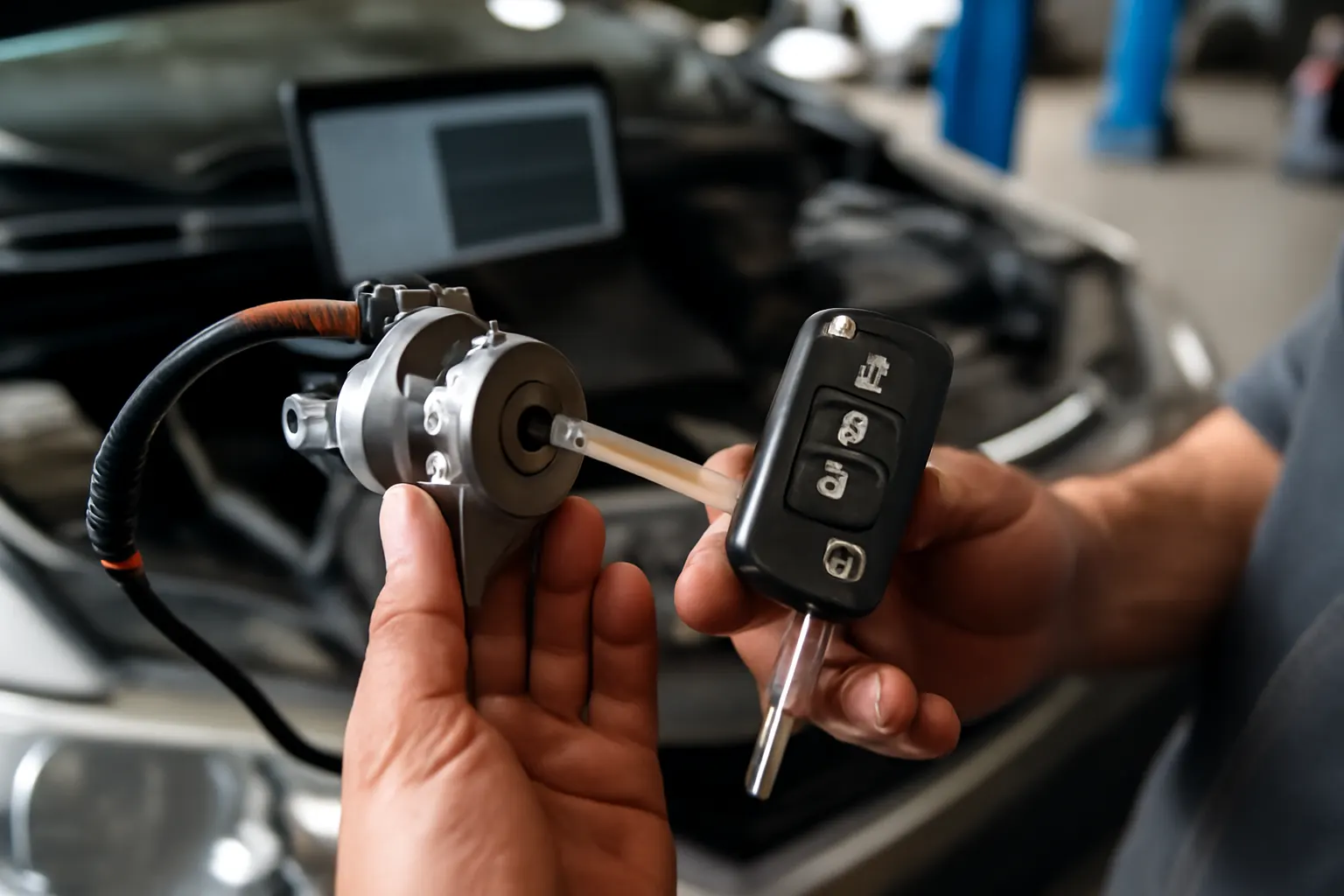
The Evolution of Vehicle Security: From Keys to Smart Switches
Ignition switches are no longer just mechanical devices—they are now sophisticated electronic gatekeepers that protect your vehicle from theft, streamline starting, and integrate seamlessly with advanced safety systems. As the automotive industry pivots toward smarter, more secure vehicles, understanding the evolution of ignition switches is essential for anyone involved in diagnostics, repairs, or upgrades. Whether you’re a seasoned technician, a DIY enthusiast, or simply want to understand what lies beneath the start button, this guide will walk you through how ignition switches have transformed and what that means for modern vehicle security and maintenance.
Quick Answer: Today’s ignition switches are multi-layered security devices that have evolved from simple mechanical keys to complex electronic smart switches. Modern systems integrate transponders, immobilizers, and encrypted communications, making unauthorized starting dramatically more difficult. This evolution enhances safety but also introduces new challenges for diagnostics and repairs. For a foundational overview, see our Ignition Switches: The Critical Link in Modern Vehicle Starting and Security category page.
The Hidden Problem: Security vs. Complexity
While advancements in ignition switch technology have significantly reduced vehicle theft and improved safety, they’ve also created new hurdles for repair and diagnostics. The integration of electronics, immobilizers, and software-based authentication means that a simple ignition switch failure is no longer just a matter of swapping out a mechanical part. Modern ignition systems require specialized diagnostic tools, programming knowledge, and careful sourcing of compatible replacement parts.
Key Issues:
- Increased complexity in troubleshooting no-start conditions.
- Higher costs and longer lead times for replacement and reprogramming.
- Greater risk of misdiagnosis due to overlapping electronic faults.
From Cut Keys to Coded Signals: A Brief History
The Mechanical Era
For much of the 20th century, vehicle security relied on the simplicity of a cut key and a lock cylinder. The ignition switch’s primary job was to complete the electrical circuit needed to start the engine. While robust and easy to service, these systems were vulnerable to “hot-wiring” and other forms of bypass theft.
The Rise of Anti-Theft Features
In the 1980s and 1990s, as car theft surged, manufacturers began integrating anti-theft features directly into ignition switches. Steering column locks, coded keys, and tamper-resistant housings made unauthorized access more difficult, but determined thieves still found ways in.
The Electronic Revolution
The late 1990s and early 2000s marked a turning point: transponder keys and immobilizer systems became standard. These systems used microchips embedded in the key to communicate with the vehicle’s ECU, ensuring that only a correctly coded key could start the engine. This technology drastically reduced theft rates but also increased the complexity of repairs and diagnostics.
How Modern Ignition Switches Work
The Anatomy of a Smart Ignition Switch
Modern ignition switches are no longer isolated components. They are integrated modules that communicate with the vehicle’s body control module (BCM), engine control unit (ECU), and security systems. Here’s what’s typically involved:
- Mechanical Lock Cylinder (if present): Provides a tactile interface for traditional keys.
- Transponder Coil: Detects the presence of a coded key or fob.
- Electronic Switch/Push-Button: Sends start/stop signals to the BCM.
- Immobilizer Module: Verifies the key’s code before allowing the engine to start.
- Encrypted Communications: Prevents signal spoofing and relay attacks.
Smart Keys and Proximity Fobs
Keyless entry and push-button start systems use smart keys or proximity fobs. These devices transmit encrypted signals to the vehicle, which are authenticated by the BCM. Only when the correct signal is detected will the ignition switch allow the vehicle to start.
Security Upgrades: What’s Changed and Why It Matters
Enhanced Theft Deterrence
The integration of immobilizers and rolling code systems has made it nearly impossible to start a vehicle without the correct key or fob. According to the National Highway Traffic Safety Administration (NHTSA), these advancements have contributed to a significant decline in vehicle theft rates over the past two decades NHTSA Equipment.
Increased Diagnostic Complexity
With added security comes added complexity. Diagnosing a no-start condition now involves checking not just the ignition switch, but also the immobilizer, BCM, wiring harnesses, and the key or fob itself. Specialized scan tools are often required to read fault codes and reprogram components.
Impact on Replacement and Repairs
Replacing a modern ignition switch may require:
- Sourcing an exact-match part (often VIN-specific).
- Programming the new switch or key to the vehicle’s ECU.
- Synchronizing immobilizer codes.
Incorrect installation or programming can lead to persistent no-start conditions or security lockouts.
Diagnosing Modern Ignition Switch Issues
Common Symptoms
- No response when pressing the start button or turning the key.
- Security indicator light remains illuminated or flashes.
- Vehicle starts intermittently or stalls shortly after starting.
- Key or fob not recognized by the vehicle.
Step-by-Step Diagnostic Checklist
-
Check for Obvious Mechanical Issues
- Inspect the key/fob for damage or low battery.
- Ensure the steering wheel isn’t locked.
-
Scan for Fault Codes
- Use a professional-grade scan tool to read BCM and ECU codes.
-
Test for Power and Ground
- Verify that the ignition switch is receiving and sending proper voltage.
-
Check Immobilizer Function
- Ensure the immobilizer recognizes the key/fob.
- Look for immobilizer-related fault codes.
-
Verify Communication
- Confirm that the ignition switch communicates with the BCM and ECU.
-
Consult Technical Service Bulletins (TSBs)
- Some issues may be addressed in manufacturer TSBs.
-
Replace or Reprogram as Needed
- If the switch or fob is faulty, replace and program according to manufacturer procedures.
For a deep dive into troubleshooting, see our guide: Diagnosing No-Start Conditions: Ignition Switch Edition.
Replacement and Programming: What Technicians Need to Know
Sourcing the Right Part
Not all ignition switches are created equal. Modern systems are often VIN-specific, with immobilizer codes and unique electrical connectors. Always verify compatibility before ordering.
Programming and Initialization
Most new ignition switches and keys require programming to sync with the vehicle’s security system. This process typically involves:
- Connecting a scan tool.
- Following on-screen prompts to adapt the new part.
- Entering security codes or PINs (often dealer-only).
Failure to program correctly can result in a non-functioning vehicle or even trigger anti-theft lockout modes.
Installation Checklist
| Step | Task | Notes |
|---|---|---|
| 1 | Disconnect battery | Prevents accidental short circuits. |
| 2 | Remove trim and access switch | Use trim tools to avoid damage. |
| 3 | Disconnect wiring harness | Inspect for corrosion or broken pins. |
| 4 | Remove old switch | Retain screws and brackets. |
| 5 | Install new switch | Ensure proper alignment. |
| 6 | Reconnect harness and trim | Double-check all connections. |
| 7 | Program switch/key | Use appropriate scan tool. |
| 8 | Test operation | Verify all ignition and security functions. |
For more on tools and programming, visit: Replacing an Ignition Switch: Tools, Tips, and Programming.
Materials, Standards, and Safety Considerations
Advanced Materials
The United States Department of Energy highlights the use of lightweight, durable materials in modern automotive components, including ignition systems. These materials enhance performance and longevity while reducing vehicle weight, contributing to overall fuel efficiency DOE Materials Technologies.
Compliance with Safety Standards
Ignition switches must comply with rigorous standards set by organizations like the Society of Automotive Engineers (SAE) and NHTSA. These standards cover everything from electrical integrity to resistance to tampering and fire safety SAE Standards.
Recall Awareness
Given the critical role of ignition switches in vehicle safety, they are subject to recalls if defects are identified. Always check for open recalls when servicing or replacing ignition switches. NHTSA maintains an up-to-date recall database NHTSA Recalls.
The Impact of Smart Switches on Vehicle Performance and Efficiency
Integration with Modern Electronics
Today’s ignition switches are deeply integrated with a vehicle’s electronic architecture. They communicate with multiple modules—including those responsible for fuel management, emissions, and safety systems. A malfunctioning switch can trigger cascading errors affecting everything from start/stop functionality to anti-lock brakes.
Fuel Efficiency and Engine Management
The Department of Energy notes that electronic ignition systems play a role in optimizing fuel delivery and combustion timing, contributing to improved fuel efficiency DOE Fuel Efficiency. Smart switches enable seamless coordination between driver input and engine management systems.
Common Myths and Misdiagnoses
Myth: “If the key turns, the switch is fine.”
False. Modern ignition switches may allow the key to turn or the button to be pressed, but if the electronic circuits or immobilizer are compromised, the vehicle will not start. Physical movement is no longer a guarantee of functionality.
Myth: “Any replacement switch will work as long as it fits.”
False. Compatibility now extends beyond physical fitment. The replacement must match the vehicle’s electronic and security specifications, or it may not function at all.
For more on misconceptions, see: Common Ignition Switch Myths and Misdiagnoses.
Sourcing Quality Ignition Switches: What to Look For
Key Criteria
- OEM or OE-Equivalent Quality: Ensures compatibility and reliability.
- VIN-Specific Programming: Guarantees proper immobilizer integration.
- Robust Security Features: Look for switches with advanced encryption and tamper resistance.
- Warranty and Support: Choose suppliers who back their products and provide installation guidance.
Where to Buy
Reputable suppliers—like those featured on AutoPartEx—offer a wide selection of ignition switches for most makes and models, including Acura, AMC, and more. Always verify application data and consult with technical support if in doubt.
Maintenance and Longevity: Protecting Your Security Investment
Preventive Tips
- Avoid Heavy Keychains: Excess weight can damage lock cylinders and switches.
- Replace Key/Fob Batteries Regularly: Low batteries can cause intermittent start issues.
- Keep Electronics Dry: Moisture is a leading cause of electronic switch failures.
- Update Vehicle Software: Manufacturers may release updates that improve security or reliability.
Periodic Checks
- Test all keys and fobs periodically.
- Inspect for warning lights or error messages related to the security system.
- Schedule professional diagnostics if intermittent issues arise.
The Future: Biometrics, Smartphones, and Beyond
Next-Generation Security
The automotive industry is already piloting biometric ignition systems (fingerprint, facial recognition) and smartphone-based access. These systems promise even greater convenience and security but will further increase the need for specialized diagnostic and programming skills.
Implications for Technicians and DIYers
As ignition systems evolve, staying current with training and tools will be critical. Expect to see more software-based service procedures and less reliance on traditional mechanical repairs.
AutoPartEx: Your Partner in Secure Ignition Solutions
At AutoPartEx, we understand that choosing the right ignition switch is about more than just fitment—it’s about ensuring your vehicle’s security and reliability in a rapidly changing technological landscape. Our extensive catalog, technical resources, and expert support help you navigate the complexities of modern ignition systems with confidence.
Explore our full range of Ignition Switches: The Critical Link in Modern Vehicle Starting and Security and related editorial content to stay ahead of the curve.
Expert Action: What to Do Next
- Technicians: Invest in up-to-date diagnostic tools and training for electronic ignition and immobilizer systems.
- DIYers: Use trusted suppliers and follow manufacturer programming procedures to the letter.
- Fleets and Shops: Implement periodic security and software checks to preempt failures and recalls.
For every ignition switch challenge, from sourcing to installation and programming, AutoPartEx has the parts, knowledge, and support you need.