Why Latch Maintenance Matters for Vehicle Safety
Automotive latches are more than just convenience features—they are essential safety components that protect occupants, cargo, and your vehicle’s integrity. Regular latch maintenance is a critical, yet often overlooked, practice that prevents dangerous failures, supports vehicle security, and averts costly repairs. In this article, we’ll explore why maintaining latches matters for safety, the hidden risks of latch neglect, and how you can proactively extend the life and reliability of these vital parts.
If you’re looking for a deeper dive into the variety and function of latches, see our Automotive Latches: The Critical Link in Vehicle Security and Function category.
The Immediate Answer: Latch Maintenance Directly Impacts Your Safety
Every time you close a door, hatch, hood, or trunk, you trust the latch to secure it. If a latch fails, the result can be catastrophic—doors swinging open during travel, hoods flying up and blocking vision, or trunks unexpectedly opening and spilling cargo. According to the National Highway Traffic Safety Administration (NHTSA), faulty latches are a recurring cause of vehicle recalls and are directly linked to occupant ejection and injury risk in crashes1. Regular inspection, cleaning, and lubrication of latches are simple steps that dramatically reduce these risks.
The Hidden Problem: Latch Failures Are Often Invisible—Until It’s Too Late
Many latch issues develop gradually and silently. Corrosion, dirt accumulation, and mechanical wear inside latch assemblies rarely show outward signs before a sudden failure. Drivers may not notice a sticking door handle or a trunk that doesn’t close perfectly—until a minor collision, hard stop, or even a pothole causes the latch to release unexpectedly.
A growing number of NHTSA recalls cite latch defects that could lead to doors opening while driving or hoods releasing at speed2. These failures don’t just threaten safety; they often result in expensive body repairs, water intrusion, and even theft if a compromised latch is exploited.
Why Latch Failures Are a Serious Safety Hazard
Occupant Ejection and Injury Risks
Door latches are designed to withstand significant forces during a crash. If a latch is compromised by rust, misalignment, or mechanical failure, the door may open under impact, increasing the risk of occupant ejection—a leading cause of severe injury and fatality in accidents1.
Loss of Vehicle Control
A hood latch failure can cause the hood to fly open, instantly blocking the driver’s view. This terrifying scenario gives drivers little time to react, often resulting in collisions or off-road excursions.
Cargo Loss and Security Breaches
Trunk and tailgate latch failures can cause expensive cargo loss or allow thieves easy access to your belongings. For commercial vehicles, unreliable latches jeopardize not only safety but also business operations and liability.
The Anatomy of a Latch: How They Work and Why They Fail
Latches are deceptively simple in appearance but are engineered to strict standards. Most automotive latches consist of:
- A striker (mounted to the body)
- A latch mechanism (with pawls and springs)
- An actuator (handle, cable, or electronic release)
- Retention features to prevent accidental opening
Over time, exposure to moisture, road salt, and debris can corrode metal parts or gum up moving components. Springs weaken, plastic parts become brittle, and lubricants dry out. Even advanced electronic latches are vulnerable to sensor failure or wiring issues.
The Society of Automotive Engineers (SAE) sets performance and testing standards for latch assemblies, but real-world conditions often push these components beyond their design limits3.
Recognizing the Signs of Latch Wear and Failure
Early detection is key to preventing latch-related incidents. Watch for these warning signs:
- Difficulty closing or opening doors/trunks/hoods
- Unusual resistance or grinding noises
- Handles or release levers that feel loose or “mushy”
- Doors that “bounce” open after closing
- Warning lights (for electronic latches)
- Visible rust or corrosion near latch assemblies
- Water leaks around doors or trunks
If you notice any of these symptoms, immediate inspection and maintenance are essential. For a hands-on approach, consult our Diagnosing Door Latch Failures: Step-by-Step Guide.
The Real Cost of Ignoring Latch Maintenance
While latches themselves are inexpensive compared to major drivetrain or suspension components, the cost of neglect can be enormous:
- Body and Paint Repairs: A door that swings open at speed can damage fenders, quarter panels, and adjacent vehicles.
- Water Damage: Failed trunk or hatch latches allow rainwater to enter, leading to mold, rust, and electrical issues.
- Theft and Vandalism: Broken latches are an open invitation for thieves.
- Insurance Claims: Many insurance policies exclude coverage for preventable damage due to poor maintenance.
In commercial fleets, latch failures can take vehicles out of service, disrupt deliveries, and result in regulatory penalties.
Latch Maintenance Checklist: Preventive Steps for Every Vehicle Owner
Proper latch care is straightforward and doesn’t require advanced tools. Use this checklist twice a year (or more often if you live in harsh climates):
| Maintenance Task | Description & Tips | Frequency |
|---|---|---|
| Visual Inspection | Check for rust, dirt, and physical damage on latch and striker | Every 6 months |
| Function Test | Open/close doors, trunk, hood—ensure smooth operation | Every 6 months |
| Lubrication | Apply silicone or white lithium grease to moving parts | Every 6 months |
| Tighten Fasteners | Ensure bolts/screws securing latch are snug | Every 6 months |
| Clean Surroundings | Remove debris from weatherstripping and latch recesses | Every 6 months |
| Check Electronic Latches | Inspect wiring/connectors for signs of wear or corrosion | Every 6 months |
| Address Warning Lights | Scan vehicle for latch-related error codes | As needed |
If you encounter a persistent problem, consult your service manual or a professional technician for further diagnosis.
Understanding Latch Recalls and Safety Standards
Latch defects are a top reason for vehicle recalls. The NHTSA maintains a comprehensive database of recalls affecting latches, including doors, hoods, trunks, and even convertible tops2. Manufacturers are required to meet federal safety standards for latch strength, durability, and resistance to accidental opening.
The SAE publishes rigorous engineering standards for latch design and testing, which automakers and suppliers must follow3. However, even compliant latches can fail prematurely due to real-world factors like corrosion, poor lubrication, or manufacturing defects.
Before purchasing a used vehicle, always check the NHTSA recall database to ensure all latch-related recalls have been addressed.
How Environmental Factors Accelerate Latch Wear
Climate and Road Conditions
Regions with high humidity, heavy rainfall, or road salt usage (such as northern winters or coastal areas) are especially tough on latches. Salt and moisture accelerate corrosion, while dust and grit can clog moving parts.
Driving Habits
Frequent door slamming, off-road driving, or carrying heavy cargo can stress latch assemblies. Delivery vehicles, ride-shares, and family vehicles with frequent passenger turnover experience above-average latch wear.
Vehicle Age and Usage
Older vehicles and those with high mileage are at increased risk for latch degradation, especially if previous owners neglected regular maintenance.
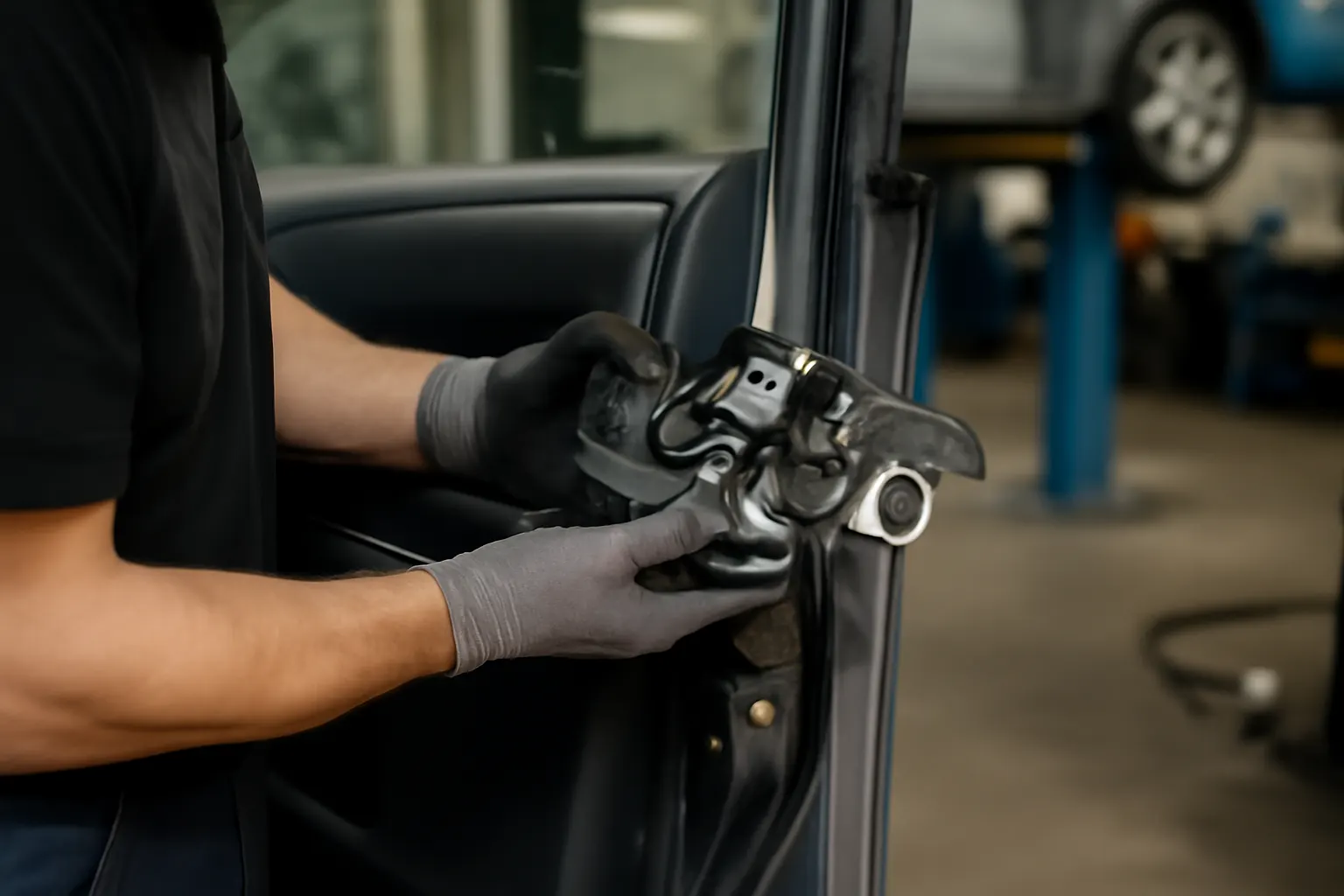
Proactive Latch Maintenance: Step-by-Step Guide
Here’s how to perform basic latch maintenance at home:
- Open the Door/Trunk/Hood: Expose the latch mechanism fully.
- Inspect for Debris and Rust: Use a flashlight to check for dirt, rust, or foreign objects.
- Clean the Latch: Use a soft brush and mild solvent (avoid harsh chemicals) to remove buildup.
- Lubricate Moving Parts: Apply a small amount of silicone spray or white lithium grease to the latch, striker, and hinges. Wipe away excess to prevent attracting dirt.
- Test Operation: Open and close the latch several times to distribute lubricant.
- Check Alignment: Ensure the latch and striker align correctly. Misalignment can cause premature wear.
- Inspect Electronic Components: For vehicles with power latches, check connectors and wiring for corrosion or looseness.
- Reassemble and Re-Test: Confirm smooth, secure operation before closing panels.
For a more advanced approach or to address persistent problems, review our Diagnosing Door Latch Failures: Step-by-Step Guide.
Choosing Quality Replacement Latches
When a latch is worn or damaged beyond repair, replacement is the safest option. Not all latches are created equal—choose parts that meet or exceed OEM specifications and SAE standards. Factors to consider include:
- Material Quality: Prefer stainless steel or corrosion-resistant alloys for longevity.
- Fitment: Ensure the latch matches your vehicle’s make, model, and year.
- Warranty: Look for reputable brands offering product guarantees.
- Ease of Installation: Some latches are bolt-on replacements, while others require more involved procedures.
For more guidance, see Choosing the Right Latch for Your Vehicle.
The Link Between Latch Maintenance, Vehicle Longevity, and Value
A well-maintained latch system preserves your vehicle’s structural integrity and resale value. Prospective buyers and inspectors look for evidence of water intrusion, misaligned doors, and compromised security—red flags often traced to neglected latches.
Regular maintenance also prevents secondary damage: a leaking trunk can corrode wiring harnesses, while a loose hood can damage windshield glass and wipers.
Latch Maintenance and Fuel Efficiency: An Overlooked Connection
While latches themselves are not directly related to fuel economy, their condition can have indirect effects. Poorly closing doors, hoods, or trunks disrupt the vehicle’s aerodynamic profile, increasing drag and reducing efficiency4. Water leaks from failed latches can damage insulation and electronics, leading to further inefficiencies.
For more on maximizing your vehicle’s efficiency, see the U.S. Department of Energy’s Fuel Efficiency resources.
When to Seek Professional Help
While most latch maintenance is DIY-friendly, certain situations require expert attention:
- Persistent Misalignment: If doors or trunks won’t latch securely after adjustment, the striker or hinges may need professional realignment.
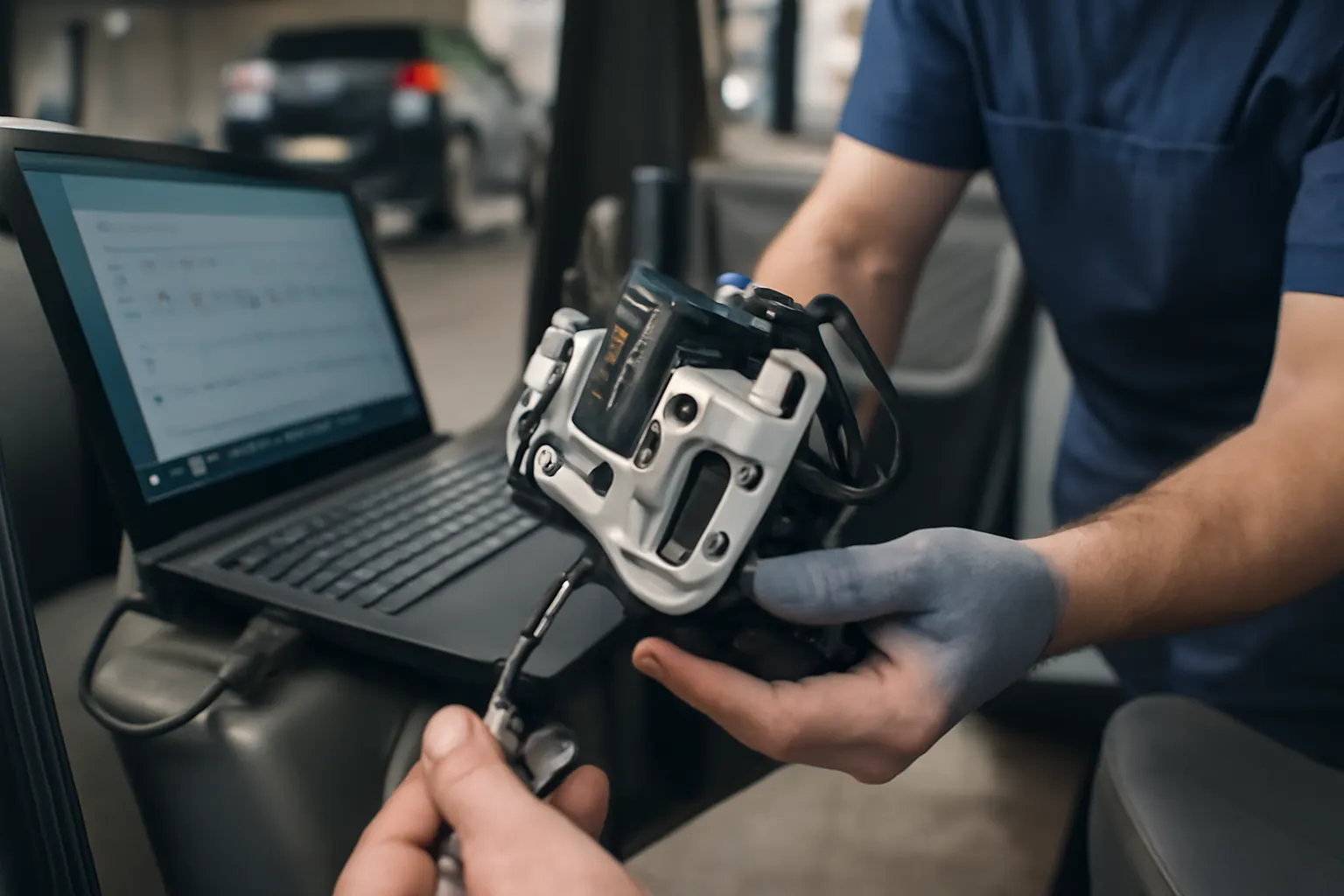
- Electronic Latch Failures: Complex wiring or sensor issues are best diagnosed with professional diagnostic tools.
- Structural Damage: After a collision, latches and mounting points should be inspected and repaired by a certified body shop.
- Recall Repairs: If your vehicle is under recall for latch issues, only authorized service centers should perform the repair.
Integrating Latch Care Into Your Vehicle Maintenance Routine
Don’t wait for a failure to remind you of your latches’ importance. Add latch inspection and lubrication to your regular maintenance schedule—ideally, every oil change or at least twice a year. This habit is especially crucial before winter (to prevent freezing) and after harsh weather or off-road use.
If you’re seeking a comprehensive overview of latch types, evolution, and their role in modern vehicles, explore The Evolution of Automotive Latch Technology.
AutoPartEx: Your Partner in Vehicle Safety and Reliability
At AutoPartEx, we understand that safety is built on attention to detail. Our curated selection of latches and related components meets the highest standards for fit, function, and durability. Whether you’re maintaining a daily driver or restoring a classic, our technical resources and expert support ensure you get the right part—and the knowledge to install it correctly.
Browse our Automotive Latches: The Critical Link in Vehicle Security and Function category to find the exact match for your vehicle, or contact our team for personalized advice.
Conclusion: Don’t Overlook the Small Parts That Make a Big Difference
Latch maintenance is a simple, low-cost practice with high-stakes implications for safety, security, and peace of mind. By recognizing the signs of wear, following a regular maintenance routine, and choosing quality replacement parts, you safeguard yourself, your passengers, and your investment.
Make latch care a priority—because in automotive safety, every detail counts.
References
- Vehicle Safety and Equipment – National Highway Traffic Safety Administration
- Vehicle, Car Seat, Tire, and Equipment Recalls – National Highway Traffic Safety Administration
- Fuel Efficiency – United States Department of Energy
- SAE Standards – SAE International