Why Latch Maintenance Matters for Vehicle Safety
Automotive latches are more than simple mechanical connectors—they are essential for keeping your vehicle, its occupants, and its cargo secure. Regular latch maintenance is a critical, yet often overlooked, aspect of vehicle safety that can prevent unexpected failures, reduce repair costs, and maintain the integrity of your car’s security systems. In this comprehensive guide, you’ll discover the immediate and long-term implications of latch neglect, learn how to spot potential issues before they become emergencies, and see why proactive care is a must for every vehicle owner.
If your goal is to maximize both safety and reliability, understanding the importance of latch maintenance is non-negotiable. For broader context on the function and evolution of these components, explore our Automotive Latches: The Critical Link in Vehicle Security and Function category page.
The Immediate Answer: Latch Maintenance Is a Safety Essential
The safety of your vehicle hinges—quite literally—on the performance of its latches. Whether it’s the door latch keeping passengers secure, the hood latch preventing dangerous engine compartment exposure, or the trunk latch safeguarding your cargo, these components are engineered to withstand years of use. However, like all mechanical parts, latches are subject to wear, contamination, and mechanical fatigue.
Neglecting latch maintenance can lead to sudden failures that compromise occupant safety, allow unauthorized access, or even cause vehicle damage at speed. According to the National Highway Traffic Safety Administration (NHTSA), defective latches have been the subject of multiple recalls due to their direct link to accidental door openings, loss of structural integrity in crashes, and increased injury risk.
Regular inspection, lubrication, and timely replacement of worn latch components are vital steps to ensure your vehicle’s safety systems perform as designed.
The Hidden Problem: Latch Failures Are Often Invisible Until Catastrophic
Most vehicle owners rarely think about their latches until something goes wrong. Unlike high-visibility parts such as tires or wiper blades, latches are tucked away inside doors, trunks, and hoods—out of sight and, too often, out of mind. This invisibility can mask developing problems such as:
- Internal corrosion from water intrusion
- Mechanical wear of moving parts or springs
- Accumulation of dirt and debris interfering with latch engagement
- Fatigue or breakage of plastic or metal components
These issues can progress undetected until the latch fails to secure the door, hood, or trunk. In some cases, the first sign of trouble is a door popping open while driving or a hood unexpectedly releasing at highway speeds—both scenarios with severe safety implications.
Why Latch Failures Are a Growing Concern
Modern vehicles increasingly rely on complex latch systems to meet stringent safety and convenience standards. The integration of electronic actuators, child safety locks, and passive entry systems has added layers of complexity to what was once a purely mechanical device.
According to the NHTSA’s Vehicle, Car Seat, Tire, and Equipment Recalls, latch-related recalls have grown as manufacturers grapple with balancing lightweight materials, durability, and electronic integration. These recalls underscore how critical proper latch function is for vehicle safety and how easily a small oversight can have wide-reaching consequences.
In addition, as vehicles age, exposure to road salts, moisture, and repeated cycles of use make latch degradation more likely. The risk is not limited to older vehicles—manufacturing defects and design flaws can affect even late-model cars.
Technical Deep Dive: How Latches Work and Why They Fail
Anatomy of an Automotive Latch
A typical automotive latch consists of:
- Striker: The fixed post or loop that the latch grabs onto
- Latch Mechanism: Contains the pawl, springs, and levers that engage/disengage the striker
- Release Mechanism: May be a handle, cable, or electronic actuator
- Housing: Protects the internal components from contamination
Advanced latches may include sensors, switches, or integrated electronic locks.
Common Failure Points
- Corrosion: Moisture and road salts attack metal components, weakening springs and causing sticking or binding.
- Wear and Fatigue: Repeated use wears down pawls and pivot points, leading to incomplete engagement or misalignment.
- Contamination: Dirt, grease, and debris can gum up moving parts, especially in unsealed latches.
- Plastic Degradation: Sunlight and temperature extremes cause plastic components to become brittle and crack.
- Electronic Malfunction: Broken wires, failed actuators, or faulty switches can render power latches inoperable.
Understanding these potential failure modes is crucial for targeted maintenance and timely intervention.
The Safety Consequences of Neglected Latch Maintenance
Real-World Risks
Neglecting latch maintenance can result in:
- Unintentional Door Openings: Doors may pop open during driving or in a crash, dramatically increasing ejection and injury risk.
- Hood Release at Speed: A failed hood latch can allow the hood to fly up, blocking the driver’s view and causing loss of control.
- Trunk/Rear Hatch Failures: Compromised trunk latches can lead to water leaks, theft, or cargo ejection.
- Compromised Crashworthiness: Latch integrity is integral to the vehicle’s crash energy management; failure can undermine side-impact or rollover protection.
Regulatory Implications
The NHTSA mandates strict performance standards for latches, particularly for doors and hoods, as outlined in their Vehicle Safety and Equipment guidelines. Non-compliance can result in recalls and manufacturer liability, but the onus for ongoing maintenance falls squarely on the vehicle owner once the car is in service.
Latch-Related Recalls: What They Teach Us
A review of recent NHTSA recall data reveals recurring latch issues:
- Defective Door Latches: Poor material selection or assembly errors leading to doors that won’t stay closed or are difficult to open in emergencies.
- Hood Latch Corrosion: Premature corrosion causing secondary hood latches to fail, increasing risk of hood fly-up incidents.
- Electronic Actuator Failures: Power sliding door latches failing to engage or disengage, trapping occupants or leaving doors unlatched.
Each recall highlights the need for vigilance—not just from automakers, but from owners and service professionals responsible for vehicle upkeep.
Diagnosing Latch Problems: A Practical Checklist
Early detection of latch issues can prevent dangerous failures. Use this checklist during routine inspections or whenever you notice latch-related symptoms:
| Inspection Point | What to Look/Feel For | Action if Problem Found |
|---|---|---|
| Door Latch Operation | Smooth engagement, no sticking or grinding | Clean, lubricate, or replace latch |
| Hood Latch | Secure closure, secondary latch holds hood | Inspect for corrosion, replace if weak |
| Trunk/Hatch Latch | Full closure, no rattling or looseness | Adjust or replace striker/latch |
| Child Safety Locks | Positive engagement/disengagement | Repair or replace faulty mechanism |
| Electronic Actuators | Consistent function, no slow or failed ops | Check wiring, replace actuator |
| Weather Seals | No water intrusion around latches | Replace seals, inspect for rust |
| Visible Corrosion | Rust or flaking near latch/striker | Remove rust, treat, replace as needed |
Regularly performing these checks—especially after exposure to harsh weather or car washes—can catch issues before they escalate.
Maintenance Best Practices for Latches
Cleaning and Lubrication
- Frequency: At least twice a year, and after exposure to salt, mud, or heavy rain.
- Method: Use a non-abrasive brush and mild solvent to remove debris. Apply a manufacturer-recommended lubricant (usually a light grease or silicone spray) to moving parts. Avoid over-lubrication, which can attract dirt.
- Tip: For electronic latches, avoid getting lubricant on sensors or wiring.
Inspection and Adjustment
- Visual Inspection: Look for signs of wear, misalignment, or corrosion.
- Operational Test: Open and close each latch several times, feeling for any resistance or incomplete engagement.
- Adjustment: If doors, trunks, or hoods don’t align properly, adjust the striker or latch position following your vehicle’s service manual.
Replacement
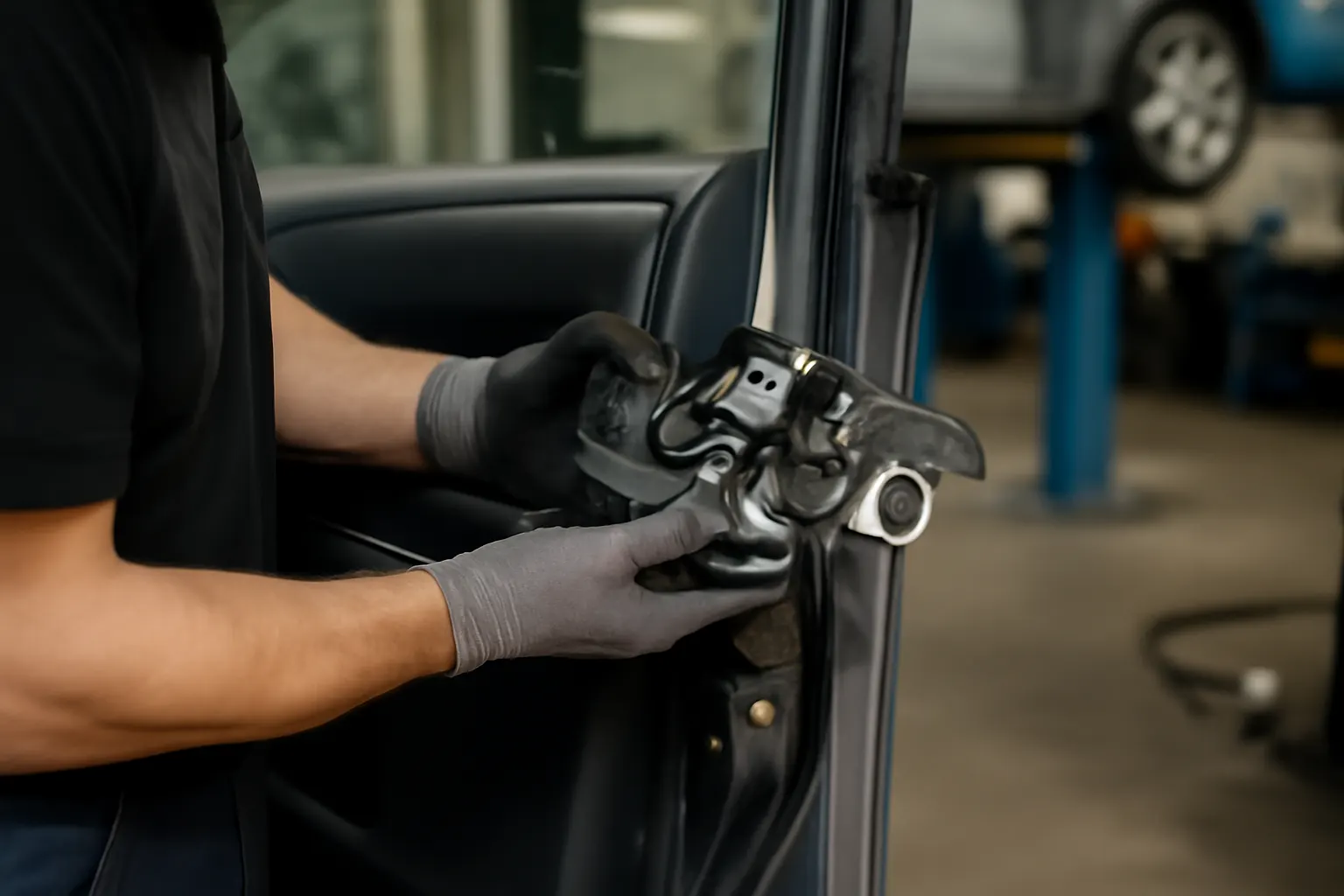
- When to Replace: If a latch fails to hold securely, shows visible damage, or has excessive play, replacement is necessary.
- OEM vs. Aftermarket: Use OEM parts for critical latches, especially on newer vehicles with integrated electronics. Quality aftermarket options may be suitable for older vehicles or non-critical applications.
Advanced Latch Systems: Electronic and Passive Entry Considerations
Modern vehicles increasingly feature sophisticated latch systems:
- Power Door Locks: Integrate electronic actuators for remote operation.
- Passive Entry/Push-Button Start: Use proximity sensors and wireless communication to unlock doors automatically.
- Child Safety and Anti-Theft Features: Include switches and interlocks to enhance occupant safety.
These systems require additional care:
- Battery Health: Weak batteries can cause intermittent latch operation.
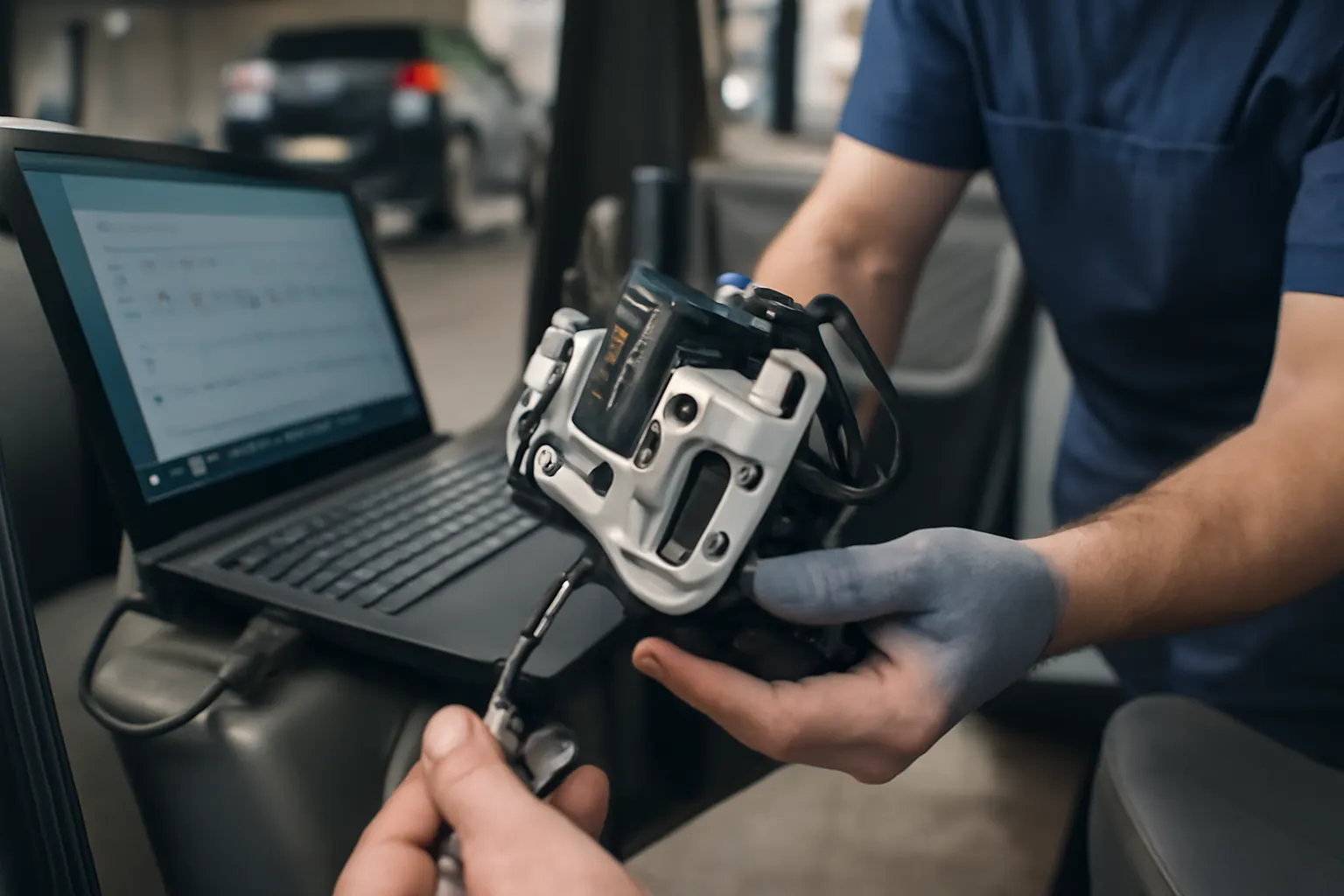
- Electrical Diagnostics: Use a scan tool to check for latch-related fault codes.
- Software Updates: Some latch systems require periodic software updates—check with your dealer or service provider.
If you encounter issues with power or passive entry latches, reference our Diagnosing Door Latch Failures: Step-by-Step Guide for in-depth troubleshooting procedures.
Environmental Factors: How Weather and Road Conditions Affect Latch Longevity
Latches are exposed to a variety of environmental hazards:
- Road Salt and Moisture: Accelerate corrosion, especially in northern climates.
- Dust and Grit: Cause abrasion and binding of moving parts.
- Temperature Extremes: Lead to plastic brittleness and metal fatigue.
- Sunlight (UV Exposure): Degrades plastic latch housings and seals.
To mitigate these effects:
- Rinse underbody and door jambs during winter months.
- Park in shaded or covered areas when possible.
- Apply anti-corrosion sprays to exposed latch components.
Regular maintenance tailored to your local environment significantly extends latch life.
The Cost of Neglect: Repairs, Downtime, and Safety Hazards
Ignoring latch maintenance can lead to:
- Unexpected Repairs: Emergency latch replacements are often more expensive than scheduled maintenance.
- Vehicle Downtime: Inoperative doors or hoods can sideline your vehicle, disrupting daily routines.
- Increased Repair Complexity: Failed latches can cause collateral damage to surrounding panels, wiring, or safety systems.
- Insurance and Liability Risks: Accidents caused by latch failures may complicate insurance claims or expose you to liability.
Proactive care is always less costly than reactive repairs—both financially and in terms of safety.
Sourcing Quality Latch Components
When replacement is necessary, sourcing the right latch is crucial:
- Compatibility: Verify fitment using your vehicle’s VIN, year, make, and model.
- Quality Assurance: Choose parts that meet or exceed SAE or OEM standards. Refer to SAE Standards for technical benchmarks.
- Supplier Reputation: Purchase from reputable suppliers with clear return policies and warranty support.
AutoPartEx offers a curated selection of latches for a wide range of vehicles, ensuring you get components that deliver lasting performance and safety.
Integrating Latch Maintenance Into Your Service Routine
Making latch care part of your regular maintenance schedule is straightforward:
- Add Latch Inspection to Oil Change Intervals: Check all latches every 5,000–7,500 miles or as recommended by your manufacturer.
- Document Findings: Note any issues for follow-up or future reference.
- Schedule Repairs Promptly: Address any latch problems immediately to avoid escalation.
- Educate Drivers and Passengers: Encourage gentle operation of doors, hoods, and trunks to minimize wear.
Professional service providers should include latch checks in multi-point inspections, especially during seasonal maintenance.
AutoPartEx: Your Partner in Latch Safety and Reliability
At AutoPartEx, we recognize that latches are a foundational element of vehicle safety—one that deserves attention equal to brakes, tires, and other critical systems. Our extensive inventory of OEM and premium aftermarket latches, combined with expert technical support, ensures you can maintain or restore the security and function of your vehicle with confidence.
For guidance on selecting the ideal latch for your application, see our Choosing the Right Latch for Your Vehicle resource. To learn more about latch evolution and technology, check out The Evolution of Automotive Latch Technology.
Whether you’re a DIY enthusiast or a professional technician, AutoPartEx is committed to helping you keep your vehicle safe, secure, and on the road.