The Evolution of Automotive Latch Technology
Automotive latches are the unsung heroes of vehicle safety, security, and daily function. From the earliest mechanical catches to today’s electronically integrated systems, latch technology has undergone a remarkable transformation—directly impacting everything from crash safety to fuel efficiency. Whether you’re a technician, enthusiast, or everyday driver, understanding how latch systems have evolved helps you make informed decisions about maintenance, upgrades, and replacements. For a comprehensive overview of latch types and their importance, see our guide on Automotive Latches: The Critical Link in Vehicle Security and Function.
The Immediate Evolution: From Simple Catches to Smart Systems
Modern vehicles rely on a network of latches—doors, hoods, trunks, tailgates, and even fuel doors. These aren’t just mechanical devices; in the latest models, latches are sophisticated mechatronic components, often networked with the car’s electronic control units (ECUs). The evolution has been driven by the need for improved safety, convenience, anti-theft protection, and even fuel economy, as lighter and more reliable latching systems contribute to overall vehicle efficiency.
The Hidden Problem: Latch Obsolescence and New Demands
While latch technology advances, many owners and technicians encounter a crucial problem: older latch systems become obsolete, and newer designs introduce unfamiliar diagnostic and repair challenges. As vehicles age, replacement parts for legacy latch designs can become scarce, while newer electronic latches require specialized diagnostic tools and knowledge. This evolution presents a growing skills gap and parts sourcing challenge for the automotive aftermarket.
Why Latch Technology Matters More Than Ever
Safety and Regulatory Pressure
Latch systems are directly tied to passenger safety. Regulatory bodies like the National Highway Traffic Safety Administration (NHTSA) mandate rigorous standards for latch performance in crash scenarios and child safety. Latch failures can lead to catastrophic outcomes—including doors opening during collisions or improper restraint of cargo, increasing injury risk (NHTSA Equipment).
Security and Anti-Theft
As vehicle theft methods become more sophisticated, so do latching mechanisms. Modern latches often incorporate electronic locks, sensors, and rolling code encryption—making forced entry, relay attacks, and lock picking more difficult.
Efficiency and Material Innovation
Latch technology also plays a surprising role in vehicle efficiency. The U.S. Department of Energy highlights the importance of lightweight, high-strength materials in reducing vehicle weight and improving fuel economy (Fuel Efficiency). Latch housings, strikers, and actuators are now engineered from advanced composites, aluminum, and high-strength steel to shave off grams without compromising durability (Materials Technologies).
A Brief History of Automotive Latch Design
The Mechanical Era: Simplicity and Robustness
Early automotive latches were purely mechanical. Door and hood latches from the 1920s through the 1970s relied on stamped steel components, simple springs, and manual levers. These designs were straightforward to repair and replace, but offered limited security against tampering and often required significant force to operate.
The Rise of Central Locking
By the 1980s, central locking became standard in many vehicles. This innovation allowed all doors to be locked or unlocked simultaneously via a single key or switch. Central locking systems used small electric actuators (solenoids) linked to mechanical latches, improving convenience and basic security.
Integration with Vehicle Electronics
The 1990s and early 2000s saw latches become part of the vehicle’s electronic nervous system. Remote keyless entry, power sliding doors, and trunk releases became common. Latch assemblies now included micro switches, position sensors, and wiring harnesses—enabling features like “door ajar” warnings and automatic relocking.
The Modern Mechatronic Latch
Today’s latches are mechatronic marvels. They may include electronic child locks, anti-pinch sensors, and integration with alarm and immobilizer systems. Some high-end vehicles feature soft-close latches, which gently pull the door shut once it’s nearly closed, using a combination of electric motors and precision gears.
Key Drivers of Latch Innovation
Safety Standards and Crashworthiness
Crash testing and safety ratings have forced latch manufacturers to innovate. Latches must remain secure during side impacts, rollovers, and frontal collisions. This has led to the adoption of double-locking mechanisms, reinforced strikers, and energy-absorbing mounting brackets. Compliance with standards such as those set by the NHTSA and SAE International is mandatory for all OEMs (SAE Standards).
Material Science and Weight Reduction
As automakers chase better fuel economy, every component is scrutinized for weight savings. Latch assemblies are now engineered with lightweight alloys, fiber-reinforced plastics, and corrosion-resistant coatings. These innovations not only reduce mass but also improve longevity and performance in harsh environments (Materials Technologies).
Digital Integration and User Experience
Consumers demand seamless, high-tech experiences. Latch systems now interface with smartphones, proximity sensors, and vehicle telematics. For example, “passive entry” systems allow drivers to unlock and start their vehicles without removing the key fob from their pocket or bag.
Anatomy of a Modern Automotive Latch
To appreciate latch evolution, it’s useful to break down the components of a typical modern latch assembly:
- Housing: Molded from high-strength plastic or lightweight alloys, houses the latch mechanism and protects components from moisture and debris.
- Striker: The fixed post or loop that the latch “hooks” onto, typically bolted to the door frame or body.
- Latch Mechanism: Includes pawls, springs, and gears that engage and release the striker.
- Actuator: Can be mechanical (cable or rod) or electric (motor/solenoid) to trigger latch release.
- Sensors and Switches: Detect latch position (“open,” “closed,” “ajar”) and feed data to the body control module.
- Anti-theft Features: May include deadlocks, tamper sensors, and coded electronic modules.
Diagnosing Latch Failures: The Modern Checklist
With electronic integration comes new failure modes. Diagnosing latch issues now requires a blend of mechanical and electrical troubleshooting:
Latch Failure Diagnostic Checklist
- Physical Inspection: Check for obvious damage, misalignment, or corrosion on latch and striker.
- Operational Test: Verify manual and power operation from inside and outside the vehicle.
- Listen for Sounds: Grinding, clicking, or silence from an electric actuator may indicate internal failures.
- Check Warning Lights: “Door ajar” or “trunk open” indicators can signal sensor or wiring issues.
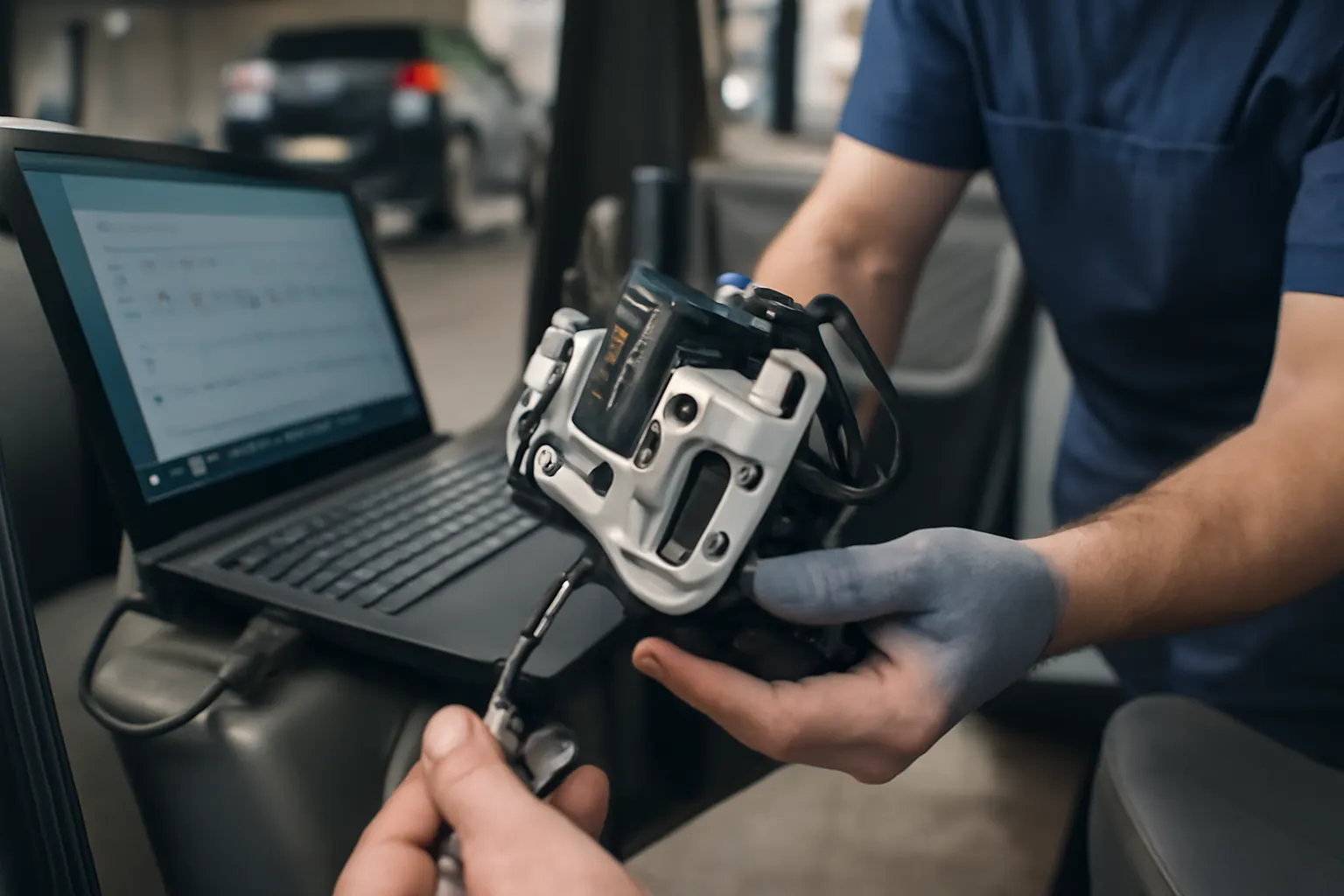
- Scan for Codes: Use an OBD-II scanner to check for body control module (BCM) or door module errors.
- Test Electrical Circuits: Check voltage and continuity at latch connectors.
- Review Central Locking: Confirm all doors lock/unlock via remote and manual switches.
- Evaluate Child Safety Locks: Ensure both mechanical and electronic child locks operate properly.
- Assess Weather Seals: Damaged seals can allow water intrusion, leading to corrosion or electrical shorts.
- Check for Recalls: Search NHTSA recalls for known latch-related bulletins.
For a step-by-step guide to diagnosing latch failures, see our Diagnosing Door Latch Failures: Step-by-Step Guide.
Installation and Replacement: Old vs. New Latch Systems
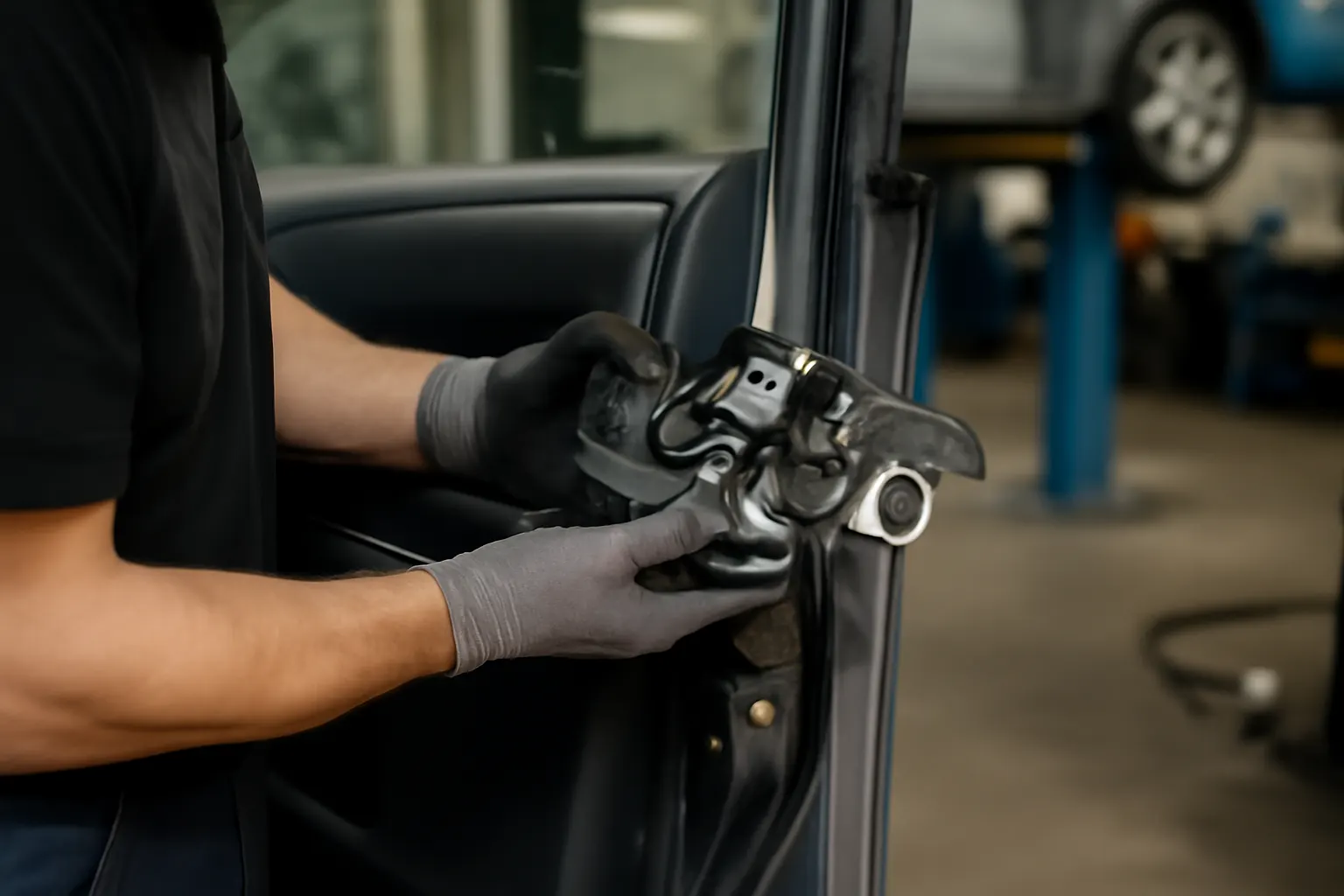
Mechanical Latch Replacement
Replacing an older, purely mechanical latch typically requires:
- Removing the door panel or trim.
- Disconnecting manual linkages and rods.
- Unbolting the latch assembly and striker.
- Reversing the process for installation, ensuring alignment for proper closure.
Electronic/Mechatronic Latch Replacement
Modern latches may require:
- Disconnecting the vehicle battery to prevent electrical shorts.
- Carefully unclipping wiring harnesses and connectors.
- Using a scan tool to reset or calibrate latch position sensors.
- Programming new latches to the vehicle’s security system (in some cases).
- Verifying all electronic functions post-installation.
Tip: Always consult the vehicle’s service manual for model-specific procedures, as improper installation can trigger warning lights or immobilize the vehicle.
Maintenance Strategies for Longevity
Regular maintenance is essential for latch reliability, especially in harsh climates or high-mileage vehicles. Key steps include:
- Lubricate moving parts with a non-gumming, weather-resistant grease.
- Inspect for rust or corrosion on latch and striker surfaces.
- Clean debris from latch housings and drains.
- Test electronic actuators and sensors during routine service.
- Replace worn weather seals to prevent water ingress.
For more on why latch maintenance is critical for safety and reliability, visit Why Latch Maintenance Matters for Vehicle Safety.
Sourcing the Right Latch: Fitment and Compatibility
As latch technology evolves, sourcing the correct replacement becomes more complex. When selecting a replacement latch, consider:
- Vehicle Make, Model, and Year: Even within the same model, latch designs can change mid-generation.
- Door Location: Driver, passenger, rear, sliding, tailgate, or hood latches may differ.
- Mechanical vs. Electronic: Ensure the replacement matches the original system’s type and features.
- OEM vs. Aftermarket: OEM latches ensure direct fit and full compatibility with electronic systems; reputable aftermarket options may offer cost savings but require careful cross-referencing.
- VIN Verification: Use the vehicle identification number to confirm exact part fitment.
For a detailed guide on latch selection, see Choosing the Right Latch for Your Vehicle.
The Impact of Latch Design on Vehicle Performance
Weight Reduction and Fuel Efficiency
A single latch assembly may seem insignificant, but multiplied across every closure point, the weight savings from advanced materials add up. The Department of Energy notes that every 10% reduction in vehicle weight can improve fuel economy by 6–8% (Fuel Efficiency). Modern latch systems utilize aluminum, magnesium, and engineered plastics to achieve these goals without sacrificing strength.
Aerodynamic Considerations
Flush-mounted latches and concealed handles reduce drag, further enhancing efficiency. Some high-performance and electric vehicles now use electronically actuated “pop-out” latches to optimize aerodynamics and styling.
NVH (Noise, Vibration, Harshness) Reduction
Precision latch mechanisms and soft-close systems help minimize rattles and wind noise, contributing to a quieter, more refined ride.
The Role of Standards and Recalls in Latch Development
Regulatory Standards
Latch systems must comply with a web of international standards, including those from SAE International (SAE Standards) and NHTSA (NHTSA Equipment). These standards dictate minimum performance in crash tests, corrosion resistance, and child safety.
Recalls and Field Feedback
Defective latches are a common cause of safety recalls. Manufacturers continuously update designs in response to field failures, regulatory audits, and consumer complaints. Before replacing a latch, check for open recalls to ensure the replacement addresses any known issues (NHTSA Recalls).
Future Trends: The Next Generation of Automotive Latches
Biometric and Smartphone Integration
The future promises latches that open with a fingerprint, facial recognition, or smartphone app—eliminating the need for physical keys entirely.
Active Safety Integration
Advanced driver assistance systems (ADAS) may soon interact with latches, automatically locking doors at speed, or unlocking them after a collision to aid rescue.
Sustainability and Recyclability
Automakers are exploring latch designs that use recycled materials and are easier to disassemble at end-of-life, supporting circular economy goals.
Cybersecurity Concerns
As latches become electronically networked, they present new cybersecurity risks. Protecting latch control modules from hacking and digital relay attacks is an emerging concern for both manufacturers and owners.
Practical Tips for Technicians and DIYers
- Invest in Diagnostic Tools: A scan tool capable of reading body control and door module codes is essential for modern vehicles.
- Stay Informed: Follow manufacturer technical service bulletins (TSBs) and recall notices for the latest latch updates.
- Use Quality Parts: When possible, opt for OEM or high-quality aftermarket latches to ensure safety and reliability.
- Document Repairs: Record all latch replacements and calibrations in the service history for future reference.
- Test Thoroughly: Always verify both manual and electronic latch functions post-repair to prevent comebacks.
AutoPartEx: Your Partner in Latch Selection and Support
At AutoPartEx, we understand the critical role latches play in vehicle safety, comfort, and performance. Our catalog features a wide range of OEM and premium aftermarket latches for all major makes and models, backed by expert fitment guidance and up-to-date technical resources. Whether you’re replacing a worn mechanical latch on a classic or integrating a high-tech mechatronic latch into a late-model vehicle, our team is here to help you find the right part the first time.
Explore our full selection of Automotive Latches: The Critical Link in Vehicle Security and Function or search by manufacturer—such as Acura—to ensure you’re getting the exact fit and features your vehicle requires.
Conclusion: Staying Ahead in the Latch Evolution
The evolution of automotive latch technology reflects the broader shifts in the industry: from pure mechanics to integrated electronics, from heavy steel to lightweight composites, and from basic security to advanced digital control. As vehicles continue to advance, technicians, owners, and parts professionals must keep pace with these changes—balancing safety, convenience, and sustainability.
Understanding latch technology’s past, present, and future ensures you’re prepared to diagnose, maintain, and upgrade these critical components with confidence. For more technical insights, maintenance tips, and the latest in latch innovation, trust AutoPartEx as your go-to resource.
References
- Fuel Efficiency — United States Department of Energy
- Materials Technologies — United States Department of Energy
- Vehicle Safety and Equipment — National Highway Traffic Safety Administration
- Vehicle, Car Seat, Tire, and Equipment Recalls — National Highway Traffic Safety Administration
- SAE Standards — SAE International