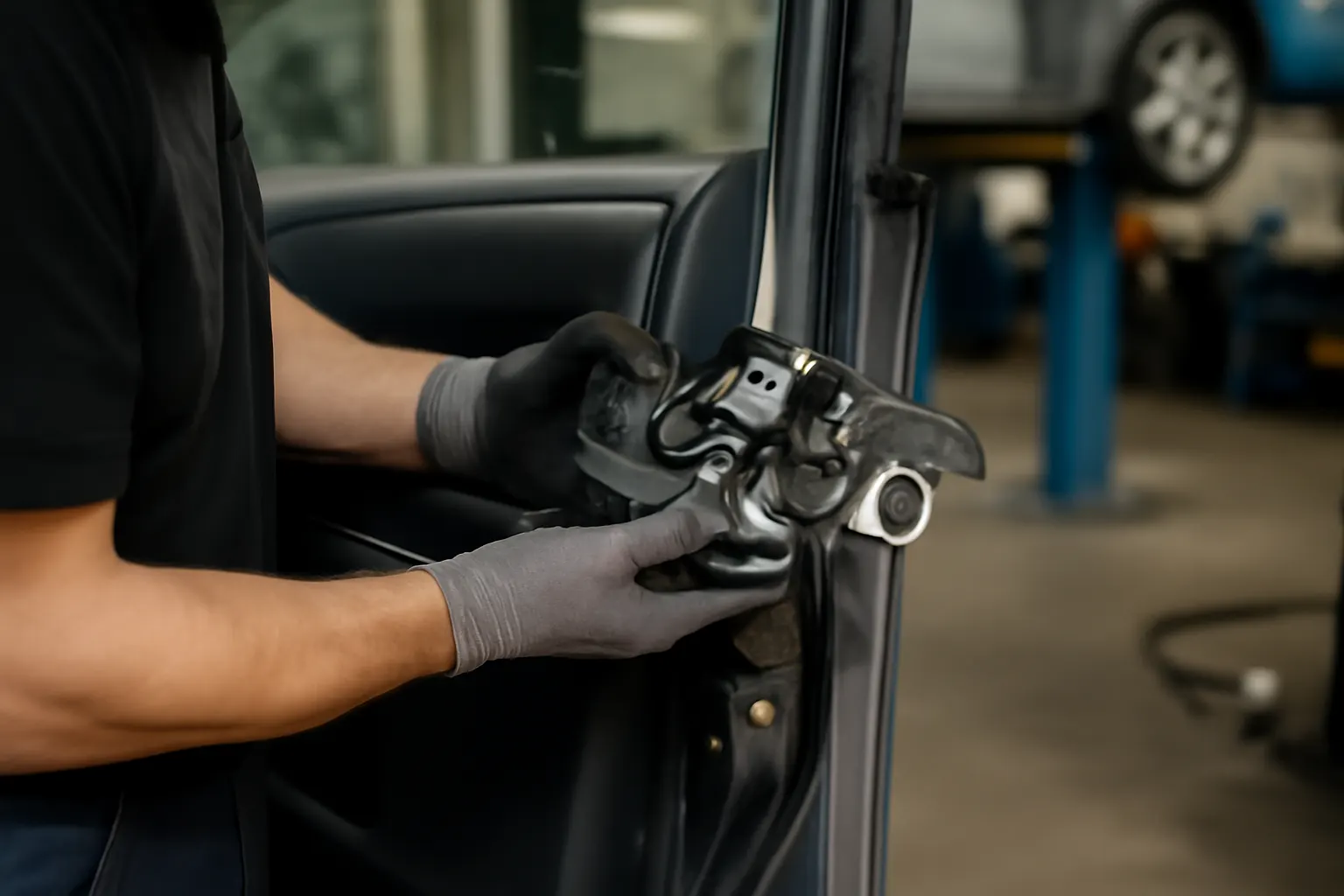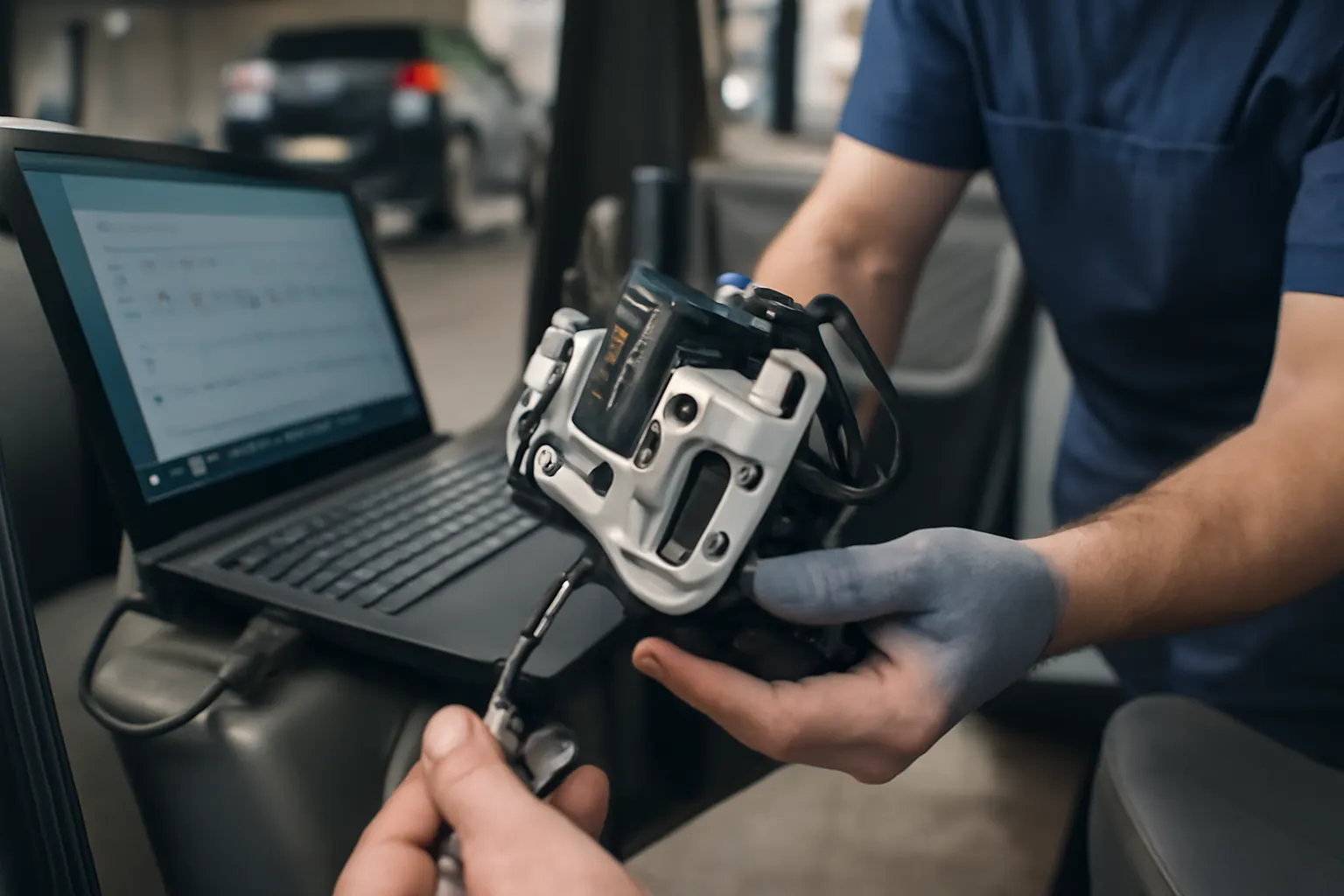
The Evolution of Automotive Latch Technology
Automotive latches have quietly transformed from simple mechanical fasteners into sophisticated, electronically integrated safety and convenience systems. Today’s vehicles rely on advanced latch technologies not only to secure doors, hoods, and trunks, but also to support occupant protection, theft deterrence, and seamless user experiences. Understanding this evolution is essential for anyone sourcing, diagnosing, or maintaining automotive latches—whether you’re a technician, parts buyer, or vehicle owner. In this comprehensive guide, we’ll trace the journey of latch technology from its 20th-century origins to its present-day complexity, and help you navigate the challenges of selection, installation, and maintenance.
If you’re seeking a broader perspective on latch categories and their importance, start with our overview: Automotive Latches: The Critical Link in Vehicle Security and Function. For now, let’s dive into the story of latch evolution and its impact on modern vehicles.
The Immediate Answer: How Latch Technology Has Changed
Automotive latch systems have evolved from basic, manually operated mechanical devices to highly engineered, electronically actuated components. Early vehicles used straightforward lever-and-catch mechanisms, relying on robust steel for durability. Over the decades, advances in materials, design, and electronics have enabled latches to become lighter, more secure, and smarter. Today’s vehicles feature power-operated latches, keyless entry integration, anti-theft sensors, and even “soft-close” functions that automatically secure doors with minimal effort from occupants.
These changes are not just about convenience—they’re integral to vehicle safety, fuel efficiency, and regulatory compliance. Modern latches must meet stringent standards for crashworthiness, child safety, and durability, all while contributing to lighter vehicle structures that improve fuel economy12.
The Hidden Problem: Why Latch Evolution Matters More Than You Think
While latches may seem like minor components, their evolution has introduced new complexities into vehicle repair, diagnostics, and parts replacement. The shift from mechanical to electronic and mechatronic latches means that failures can now stem from wiring faults, module programming errors, or sensor misalignments—not just worn springs or broken pawls. This complexity can lead to misdiagnosis, unnecessary part replacements, and vehicle downtime.
Moreover, the drive for lighter, stronger, and more corrosion-resistant latch assemblies has led to the adoption of advanced materials and coatings. These innovations improve performance, but also require precise fitment and careful handling during installation. Sourcing the correct replacement latch is now a matter of matching not just the physical dimensions, but also the electronic compatibility and materials specification.
From Levers to Logic: The Early Era of Automotive Latches
The earliest automotive latches were purely mechanical. In the 1920s and 1930s, door and hood latches were simple lever-and-catch assemblies, typically made from stamped or cast steel. These mechanisms relied on manually operated handles, basic springs, and a straightforward engagement between the latch and striker.
Key characteristics of early latches:
- Material: Heavy-gauge steel for strength and longevity.
- Operation: Manual actuation via external handles.
- Security: Minimal—locks were often optional, and theft deterrence was primitive.
- Serviceability: Simple to repair or replace, but susceptible to rust and wear.
While these early latches fulfilled their basic function, they offered little in the way of occupant safety or advanced security. As vehicles became faster and more complex, the need for better latching systems grew.
The Safety Revolution: Latches and Crashworthiness
By the 1960s and 1970s, automotive safety became a focus for both manufacturers and regulators. Latch systems were identified as critical to occupant protection, particularly in side-impact and rollover scenarios. The National Highway Traffic Safety Administration (NHTSA) and other agencies introduced standards requiring latches to hold doors closed under specific crash forces3.
Key developments in this era:
- Stronger latch assemblies with improved engagement and higher resistance to accidental opening.
- Introduction of child safety locks for rear doors, preventing accidental opening from inside.
- Standardization of latching points and striker designs for improved crash performance.
These changes elevated the status of latches from convenience items to safety-critical components, making their design, testing, and maintenance a matter of regulatory compliance.
The Materials Leap: Lightweighting and Corrosion Resistance
In the 1980s and beyond, the automotive industry faced increasing pressure to reduce vehicle weight and improve fuel efficiency. According to the U.S. Department of Energy, lightweighting vehicle components—latches included—can significantly enhance fuel economy12. This led to a materials revolution in latch design:
- Use of high-strength, low-alloy steels that offer equivalent strength at reduced weight.
- Adoption of engineering plastics and composites for housings and non-load-bearing parts.
- Advanced coatings and surface treatments to resist corrosion in harsh environments.
These advances made latches lighter and more durable, but also introduced new challenges in terms of compatibility and repairability. Selecting the correct latch now means understanding material specifications as well as mechanical fit.
The Electronics Age: Power Latches and Keyless Entry
The 1990s and 2000s saw the integration of electronics into latch systems. Power door locks, trunk releases, and fuel filler door latches became standard on many vehicles. This era introduced:
- Electric actuators to operate latches remotely via switches or key fobs.
- Central locking systems that secure all doors simultaneously.
- Integration with alarm and immobilizer systems for theft deterrence.
- Sensors and feedback circuits to confirm latch status (open, closed, or ajar).
These features greatly improved convenience and security, but also increased the complexity of diagnostics and repair. A latch failure could now be the result of a blown fuse, failed actuator, or communication error with a body control module.
The Modern Era: Mechatronic and Intelligent Latching Systems
Today’s vehicles incorporate “mechatronic” latches—systems that combine mechanical, electronic, and sometimes even software-controlled elements. Features now available include:
- Soft-close latches that automatically draw doors shut after gentle contact.
- Hands-free power liftgates and sliding doors activated by proximity sensors or gestures.
- Integrated child presence detection and anti-pinch safety functions.
- CAN bus communication for real-time status reporting and diagnostic trouble codes (DTCs).
These systems must meet rigorous standards for safety, reliability, and user experience. Diagnosing and replacing modern latches often requires specialized scan tools and programming procedures.
Understanding Standards and Regulations
Automotive latch systems are subject to a range of standards and regulatory requirements. The NHTSA mandates performance criteria for door latches, hinges, and locks to ensure occupant safety3. SAE International publishes engineering standards for latch testing, durability, and integration with other vehicle systems4.
Key requirements include:
- Retention force: Latches must withstand specific loads during crash testing.
- Child safety: Rear door latches must allow for child safety locks and emergency release.
- Corrosion resistance: Materials and coatings must pass salt spray and environmental cycling tests.
When sourcing or installing replacement latches, always verify compliance with applicable standards to avoid safety and liability issues.
Diagnosing Modern Latch Failures: A Practical Checklist
Given the complexity of today’s latching systems, accurate diagnosis is critical. Here’s a structured approach:
1. Identify Symptoms
- Door, trunk, or hood does not latch or unlatch.
- Power lock/unlock functions intermittently or not at all.
- “Door Ajar” warning remains illuminated.
- Remote keyless entry or soft-close features fail.
2. Mechanical Inspection
- Check latch engagement and striker alignment.
- Inspect for broken springs, bent levers, or physical obstruction.
- Verify that handles and linkages move freely.
3. Electrical/Electronic Diagnosis
- Test actuator operation via direct voltage supply.
- Check wiring harnesses and connectors for damage or corrosion.
- Scan for diagnostic trouble codes (DTCs) using a compatible scan tool.
- Verify module programming and communication.
4. Environmental and Material Factors
- Look for signs of corrosion or water ingress.
- Check that plastic components are not cracked or warped due to heat/UV exposure.
5. Confirm Fitment and Compatibility
- Ensure replacement latch matches OE part number, material, and electrical connector type.
- Confirm software compatibility for programmable latches.
For a detailed, step-by-step guide, see: Diagnosing Door Latch Failures: Step-by-Step Guide.
Selecting the Right Latch: Sourcing and Fitment Essentials
With so many variations in latch design, material, and electronic integration, sourcing the correct replacement is more challenging than ever. Here’s what to consider:
A. Application and Fitment
- Year, make, model, and body style of the vehicle.
- Left/right, front/rear, or specific door/trunk/hood location.
B. Material Specification
- Steel, plastic, or composite construction.
- Corrosion-resistant coatings (zinc, E-coat, etc.).
C. Electronic Integration
- Manual, power, or soft-close operation.
- Number and type of electrical connectors.
- Compatibility with central locking and alarm systems.
D. Regulatory Compliance
- Meets or exceeds NHTSA and SAE standards for crashworthiness and safety.
E. Supplier Quality
- OE, OEM, or high-quality aftermarket brands.
- Warranty and return policy.
For more on choosing the right latch, see: Choosing the Right Latch for Your Vehicle.
Installation Best Practices: Ensuring Performance and Longevity
Proper installation is key to latch performance and safety. Follow these guidelines:
-
Preparation
- Disconnect the battery when working with electronic latches.
- Inspect the mounting area for damage or misalignment.
- Clean and lubricate moving parts as specified by the manufacturer.
-
Installation
- Align the latch and striker precisely to avoid binding.
- Torque all fasteners to specification.
- Route wiring harnesses securely to prevent chafing or pinching.
-
Testing
- Verify manual and power operation before reassembling trim panels.
- Confirm integration with alarm, central locking, and keyless entry systems.
- Check for diagnostic trouble codes and clear as needed.
-
Final Inspection
- Ensure all trim and weatherseals are properly reinstalled.
- Test for water leaks and wind noise.
Maintenance Matters: Extending Latch Lifespan
Routine maintenance can dramatically extend the life of latch systems, especially in harsh climates or high-use vehicles.
Maintenance Checklist
- Annually inspect latches for signs of wear, corrosion, or misalignment.
- Lubricate moving parts with manufacturer-approved grease.
- Clean electrical contacts with contact cleaner if accessible.
- Check weatherstripping and grommets for integrity to prevent water ingress.
- Test all power and soft-close functions regularly.
Neglecting latch maintenance can lead to inconvenient failures or even safety hazards. For a deeper dive, read Why Latch Maintenance Matters for Vehicle Safety.
The Impact of Latch Technology on Vehicle Safety and Efficiency
Advanced latch technology is not just about convenience—it plays a direct role in vehicle safety and efficiency. Modern latches help ensure doors remain closed in collisions, protect young passengers with child safety features, and support theft deterrence through electronic integration. Lightweight latch assemblies contribute to overall vehicle weight reduction, supporting fuel efficiency goals set by regulatory agencies12.
In addition, intelligent latches with real-time diagnostics can alert drivers to unsecured doors or hatches, preventing accidents and damage. As vehicles become more connected and autonomous, latch systems will play an even greater role in occupant safety and vehicle integrity.
The Future of Automotive Latch Technology
Looking ahead, the evolution of latch technology shows no sign of slowing down. Emerging trends include:
- Smart latches with wireless communication for remote diagnostics and over-the-air updates.
- Biometric access using fingerprint or face recognition for entry and personalized settings.
- Active safety integration with advanced driver-assistance systems (ADAS) to automatically secure doors during certain maneuvers.
- Sustainable materials and manufacturing processes to further reduce environmental impact.
As these technologies mature, sourcing, diagnosing, and maintaining latches will require even more specialized knowledge and tools.
AutoPartEx: Your Partner for Advanced Latch Solutions
At AutoPartEx, we understand the critical role latches play in modern vehicles. Our inventory includes the latest OE and high-quality aftermarket latch assemblies, with detailed fitment data and technical support. Whether you’re upgrading to a soft-close system, replacing a faulty actuator, or retrofitting a classic with modern safety features, our expertise ensures you get the right part, every time.
Explore our Automotive Latches: The Critical Link in Vehicle Security and Function category for a full range of latch solutions, and rely on our technical guides for diagnostics, installation, and maintenance tips.
Conclusion: Staying Ahead in Latch Technology
Automotive latch technology has evolved from humble mechanical origins to become a linchpin of vehicle safety, security, and user experience. As latches grow more sophisticated, so do the challenges of sourcing, installation, and maintenance. By understanding the history, current state, and future direction of latch systems, you can make informed decisions—whether you’re a professional technician, a parts buyer, or a dedicated DIYer.
Stay ahead of the curve by partnering with knowledgeable suppliers, following best practices, and keeping up with the latest standards and innovations. Your vehicle—and its occupants—depend on it.
References
- Fuel Efficiency – United States Department of Energy
- Materials Technologies – United States Department of Energy
- Vehicle Safety and Equipment – National Highway Traffic Safety Administration
Footnotes
-
Fuel Efficiency – United States Department of Energy ↩ ↩2 ↩3
-
Materials Technologies – United States Department of Energy ↩ ↩2 ↩3
-
Vehicle Safety and Equipment – National Highway Traffic Safety Administration ↩ ↩2
-
SAE Standards – SAE International ↩