Signs Your Seat Track Needs Replacement
Modern vehicle safety and comfort depend on a fully functional front seat track. If you’re experiencing movement issues, odd noises, or inconsistent seat positioning, your seat track may be failing. This guide reveals the hidden symptoms of seat track wear, the underlying risks of neglect, and actionable steps for early detection and replacement—helping you ensure both safety and OEM fitment. For a comprehensive list of compatible seat tracks and technical fitment guidance, see our Front Seat Track Replacement & OEM Fitment: Technical Guide and Buyer’s Resource.
Immediate Answer: How to Spot a Failing Front Seat Track
A failing front seat track often reveals itself through a range of symptoms: difficulty adjusting the seat, audible clicks or grinding, looseness or wobble during acceleration or braking, uneven movement, or a seat that won’t remain locked in place. These issues not only reduce comfort but can also compromise driver safety and vehicle compliance with federal standards. Recognizing these warning signs early is critical for prompt intervention and continued safety.
Quick Symptom Checklist:
- Seat is hard to move forward or backward
- Grinding, clicking, or popping noises during adjustment
- Seat wobbles or feels loose, especially under load
- Seat does not lock securely into position
- Uneven or jerky seat movement
- Visual signs of rust, bent rails, or missing fasteners
If you notice any of these symptoms, it’s time to investigate further or consult a professional.
The Hidden Problem: Safety and Structural Risks of Ignoring Seat Track Issues
While seat track problems may seem like a minor inconvenience, they represent a deeper threat to vehicle safety and occupant protection. The seat track is the structural interface between the seat and the vehicle chassis. Its integrity is essential for maintaining occupant position during normal driving and, crucially, in the event of an accident.
A compromised seat track can:
- Fail to restrain the occupant during a collision, increasing injury risk
- Cause the seat to detach or shift unexpectedly
- Lead to non-compliance with federal safety standards (as outlined by the National Highway Traffic Safety Administration)
- Undermine the effectiveness of airbags, seat belts, and other restraint systems
These risks are not always immediately obvious but can have catastrophic consequences. Early detection and replacement are not just about comfort—they are about fundamental safety.
Technical Deep Dive: Understanding Front Seat Track Construction and Failure Modes
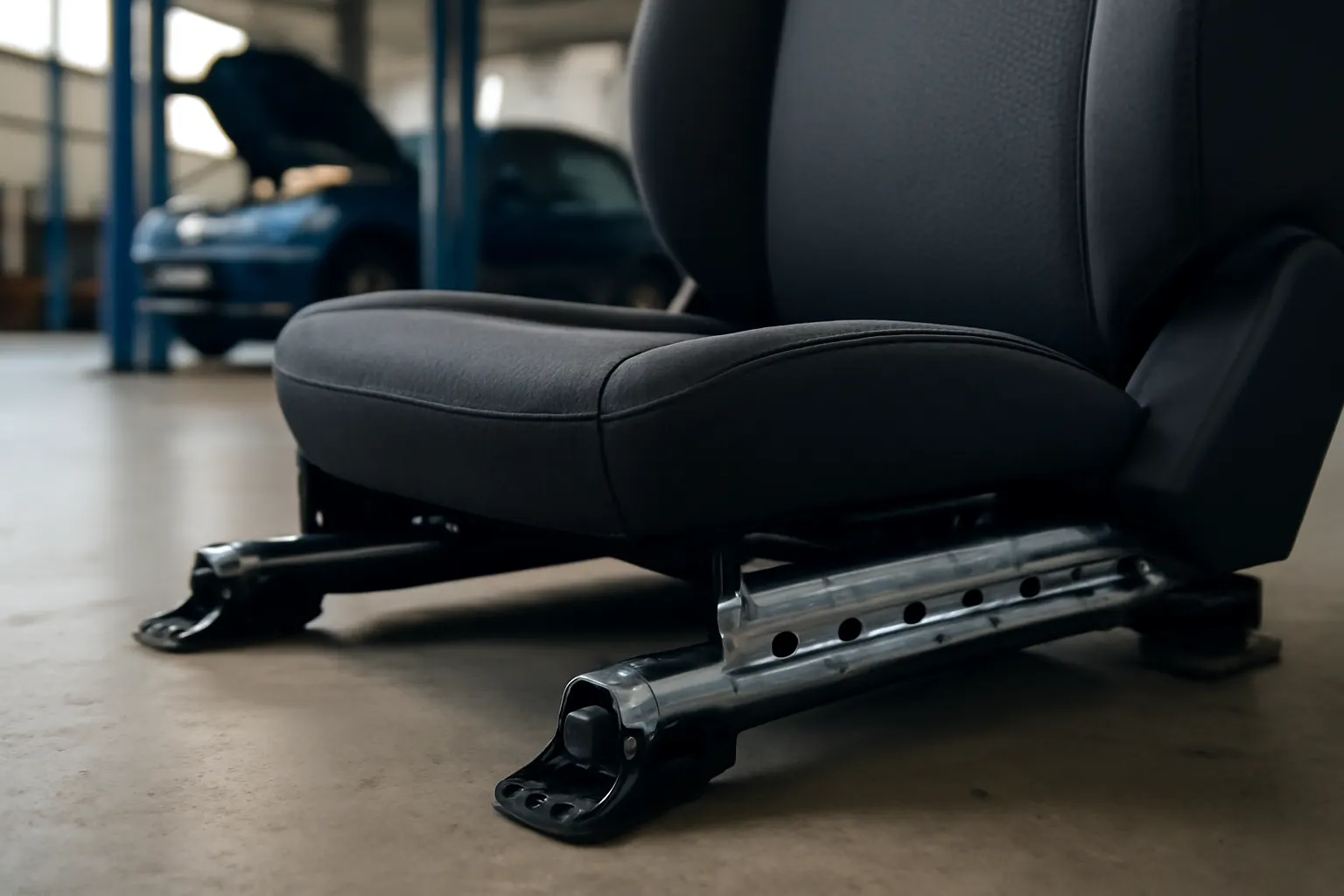
To fully appreciate the importance of a healthy seat track, it’s helpful to understand its design and function. Modern front seat tracks consist of a set of steel or high-strength alloy rails, adjustment levers, locking mechanisms, and sometimes integrated sensors for seat position. The seat track must withstand repeated load cycles, resist corrosion, and maintain precise alignment with the vehicle’s floor structure.
Common Seat Track Failure Modes:
- Wear and Deformation: Over time, repeated seat adjustments and occupant weight can cause metal fatigue, bending, or plastic deformation.
- Corrosion: Moisture, road salt, and spilled beverages can accelerate rust, leading to weakened rails or frozen mechanisms.
- Locking Mechanism Failure: Worn or broken locking pawls can prevent the seat from securing in position.
- Fastener Loosening or Loss: Vibrations may loosen bolts or clips, reducing track stability.
- Misalignment: Impacts or improper installation can cause the rails to misalign, resulting in jerky or uneven movement.
These technical issues often manifest as the symptoms described above. Diagnosing the root cause requires a methodical inspection and familiarity with seat adjustment systems. For a broader look at seat adjustment mechanisms, see Front Seat Adjustment Mechanisms Explained.
Early Detection: Performing a Seat Track Health Check
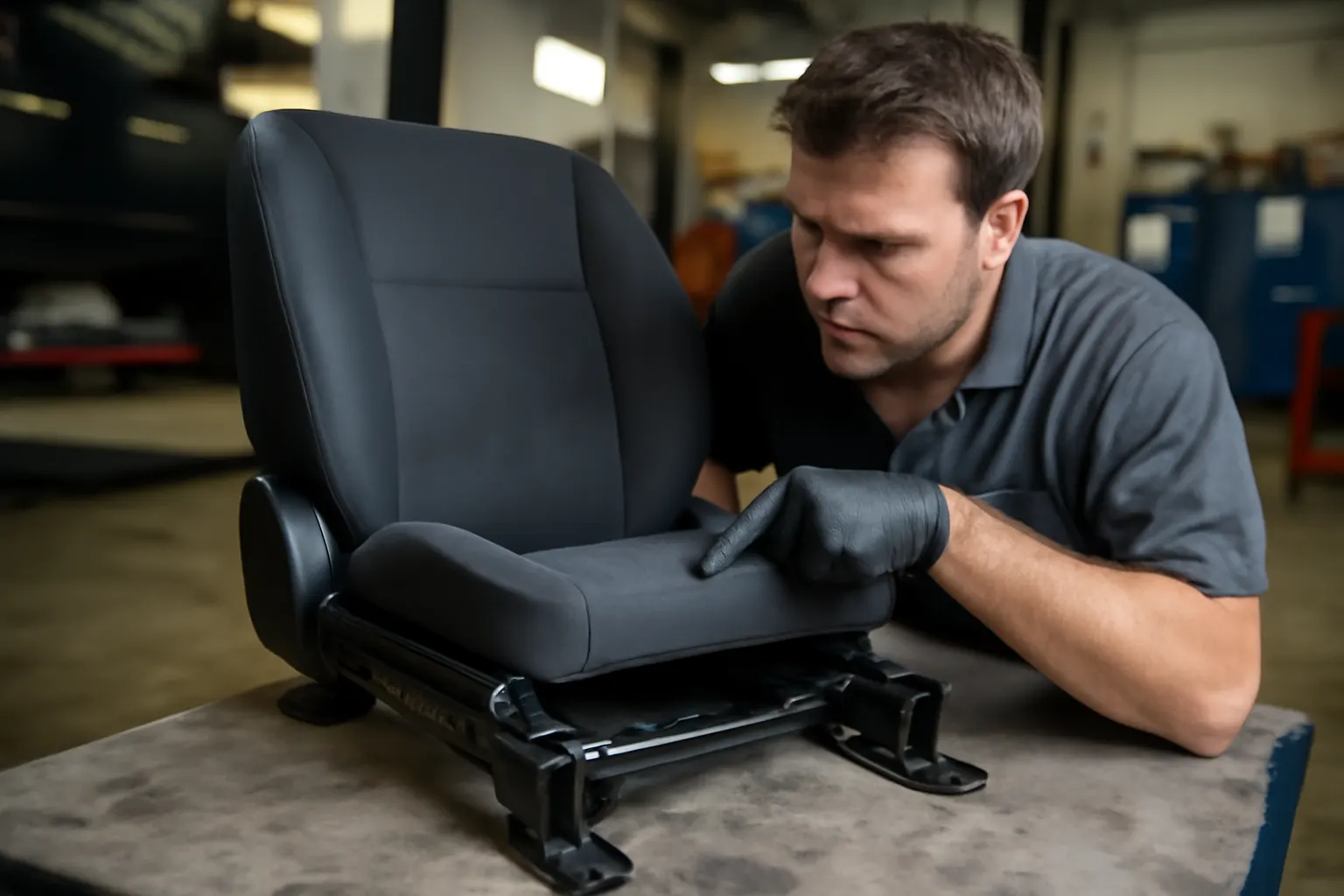
Routine inspection is the best way to catch seat track issues before they escalate. Here’s a step-by-step guide for a thorough seat track health check:
Seat Track Inspection Checklist
| Step | Action | What to Look For |
|---|---|---|
| 1 | Move seat fully forward and backward | Smooth, even motion without resistance or noise |
| 2 | Listen during adjustment | Absence of grinding, clicking, or popping sounds |
| 3 | Test locking mechanism | Seat should lock firmly in each position with no play |
| 4 | Check for wobble | Seat should not shift laterally or rock when pushed |
| 5 | Inspect rails visually | No rust, bends, cracks, or missing fasteners |
| 6 | Check under seat | No debris or foreign objects obstructing the track |
| 7 | Confirm operation of seat sensors (if equipped) | No warning lights or error messages |
Perform this check at least once a year or whenever you notice changes in seat behavior. If you find any issues, further diagnosis or replacement may be necessary.
The Long-Term Risks of Delay: What Happens If You Ignore Seat Track Symptoms?
Ignoring seat track symptoms can have cascading effects on vehicle safety, comfort, and even fuel efficiency. Here’s why prompt action matters:
- Escalating Damage: Minor issues like a loose bolt can quickly escalate to full mechanical failure or catastrophic detachment during a crash.
- Compromised Safety Systems: A misaligned or unstable seat can interfere with airbag deployment and seat belt function, reducing crash protection.
- Legal and Compliance Risks: Vehicles with faulty seat tracks may fail safety inspections or violate federal standards, as detailed by the NHTSA.
- Reduced Resale Value: Potential buyers and dealers may flag seat track issues as a sign of neglect, lowering the vehicle’s value.
- Increased Repair Costs: Delaying repairs can lead to collateral damage in adjacent systems, increasing labor and parts costs.
Addressing seat track issues promptly is a small investment that protects both your wallet and your well-being.
Diagnostic Techniques: How Professionals Identify Seat Track Problems
Professional technicians use a combination of visual inspection, manual testing, and sometimes advanced diagnostic tools to pinpoint seat track faults. Here are some diagnostic steps commonly employed:
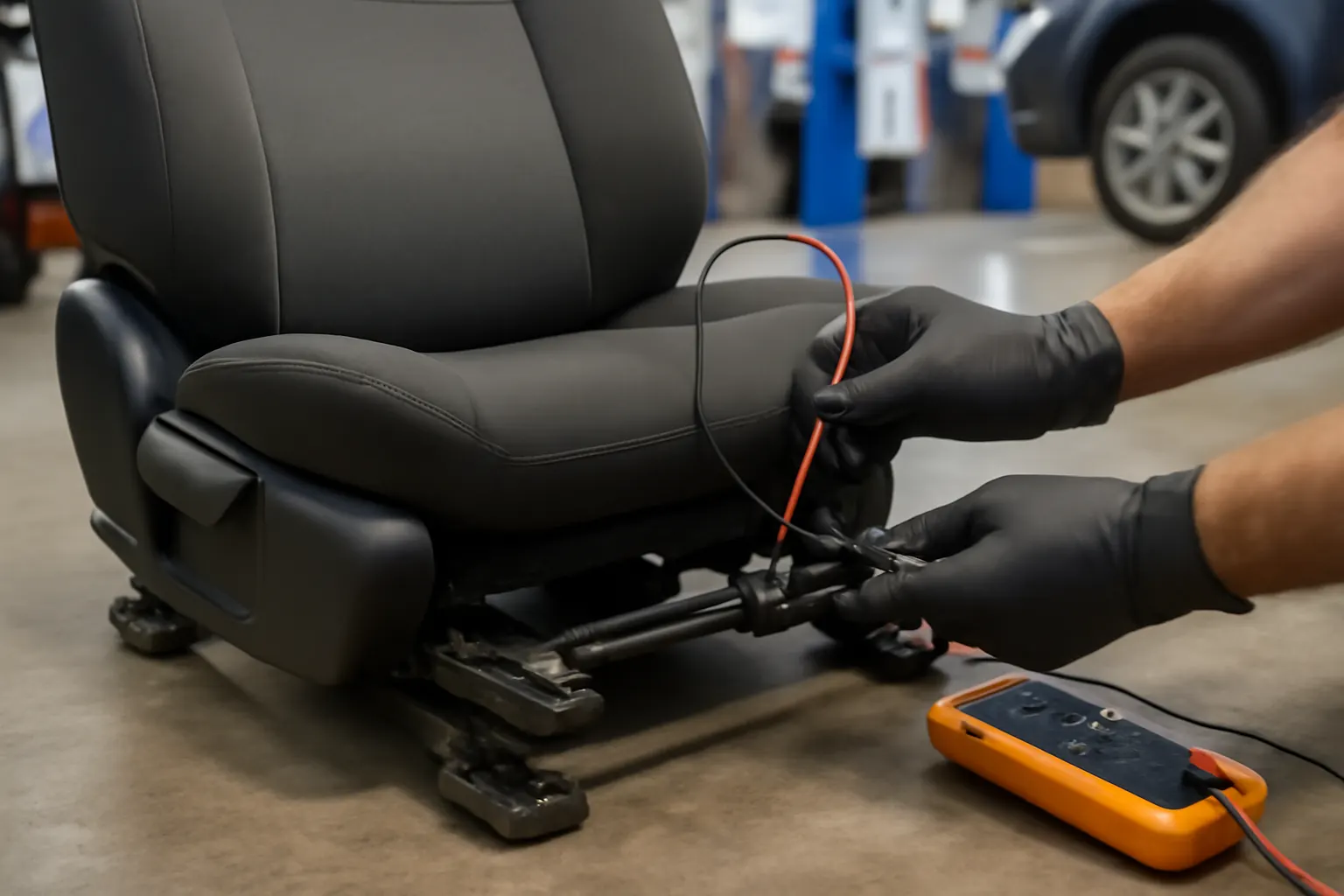
- Physical Manipulation: Applying force to the seat in multiple directions to identify looseness or instability.
- Component Removal: Detaching the seat to inspect the track assembly for hidden damage, corrosion, or broken parts.
- Electronic Diagnostics: For vehicles with power seats or integrated sensors, technicians may use scan tools to check for seat position errors or stored fault codes.
- Reference to Manufacturer Service Bulletins: Technicians consult Technical Service Bulletins (TSBs) for known seat track issues on specific models.
If you’re considering DIY diagnosis, always disconnect the battery before removing power seats to avoid accidental airbag deployment. For detailed step-by-step replacement instructions, see How to Diagnose and Replace Front Seat Tracks.
Sourcing the Right Replacement: OEM vs. Aftermarket Seat Tracks
When it’s time to replace your front seat track, choosing the right part is critical. The main options are Original Equipment Manufacturer (OEM) and aftermarket seat tracks. Each has its pros and cons:
- OEM Seat Tracks: Guaranteed fit and finish, compliance with original safety standards, and compatibility with seat sensors and airbags. Typically more expensive.
- Aftermarket Seat Tracks: Often more affordable and may offer improved features (e.g., corrosion-resistant coatings), but fitment and quality can vary.
Key Considerations:
- Ensure the replacement track matches your vehicle’s make, model, year, and seat configuration.
- Check compatibility with seat airbags, occupancy sensors, and adjustment mechanisms.
- Look for products that meet or exceed SAE standards for safety and durability.
For a detailed comparison, see Choosing Between OEM and Aftermarket Seat Tracks.
Installation Insights: What to Expect During Seat Track Replacement
Replacing a front seat track is a technical task, but understanding the process can help you make informed decisions—whether you DIY or hire a professional.
Typical Steps:
- Disconnect the battery: Prevents accidental airbag deployment.
- Remove seat bolts: Usually four to six bolts secure the seat to the floor.
- Disconnect electrical connectors: For power seats and sensors.
- Lift seat from vehicle: May require a helper due to weight and size.
- Detach seat from track: Remove additional bolts or clips as needed.
- Install new track: Ensure alignment and torque bolts to manufacturer specification.
- Reconnect electrical connectors and battery.
- Test seat movement and locking: Confirm full functionality before driving.
Common Pitfalls:
- Damaging wiring or sensors during removal
- Improper bolt torque leading to future loosening
- Misalignment causing uneven seat movement
If you’re uncertain, professional installation is advisable to ensure safety compliance.
Maintenance Tips: Prolonging the Life of Your Front Seat Track
Preventive maintenance can greatly extend the lifespan of your seat track and reduce the likelihood of unexpected failures.
Maintenance Recommendations:
- Keep tracks clean: Regularly vacuum under the seat to prevent debris buildup.
- Lubricate moving parts: Use manufacturer-approved lubricants to reduce friction and wear.
- Inspect for rust: Treat minor rust spots promptly with rust inhibitor or touch-up paint.
- Check fastener tightness: Periodically verify that all bolts and clips are secure.
- Avoid overloading: Don’t place excessive weight on the seat or use it as leverage when entering/exiting.
By integrating these steps into your regular vehicle care routine, you can avoid many common seat track issues.
Materials and Engineering: Why Seat Track Quality Matters
The seat track’s material composition and engineering directly influence its durability, weight, and safety performance. According to the United States Department of Energy, advanced high-strength steels and lightweight alloys are increasingly used to balance crashworthiness with fuel efficiency.
Material Considerations:
- Steel: Most common, offers high strength but can be prone to corrosion if not properly coated.
- Aluminum Alloys: Lighter, corrosion-resistant, but may be more susceptible to deformation under extreme loads.
- Composite Materials: Rare but emerging, offering weight savings with adequate strength.
Always choose replacement seat tracks that meet or exceed OEM material standards to ensure long-term reliability and compliance.
Impact on Comfort and Ergonomics: More Than Just Safety
A compromised seat track doesn’t just threaten safety—it can also degrade driver comfort and increase fatigue. Poor seat alignment, uneven movement, or a seat that won’t lock into your preferred driving position can lead to:
- Back and leg discomfort on long journeys
- Reduced visibility and control due to improper seating posture
- Difficulty for multiple drivers to find safe seating positions
Investing in a high-quality replacement seat track restores both safety and ergonomic comfort, contributing to a better driving experience.
Advanced Features: Power Adjustment and Integrated Sensors
Modern vehicles often include power-adjustable seats, memory functions, and occupancy sensors integrated into the seat track assembly. When diagnosing or replacing a seat track:
- Verify compatibility with power motors and control modules
- Ensure that seat position sensors are properly aligned and calibrated
- Test all electronic functions after installation
Failure to address these features can result in non-functional seat adjustments or trigger warning lights on the dashboard.
For more on these systems, explore our front seat adjustment components resource.
AutoPartEx: Your Partner in Safe, Reliable Seat Track Replacement
At AutoPartEx, we understand the critical role seat tracks play in both safety and comfort. Our curated selection of front seat tracks—backed by technical fitment data and OEM compatibility—ensures you get the right part the first time. Our editorial and technical resources, including this guide, are designed to empower you with the knowledge to make informed, safe decisions for your vehicle.
For model-specific fitment and installation support, visit our Front Seat Track Replacement & OEM Fitment: Technical Guide and Buyer’s Resource or connect with our expert team for personalized assistance.
Take Action: Don’t Ignore the Warning Signs
If you’ve identified any of the symptoms outlined above, don’t delay. A failing seat track is more than an inconvenience—it’s a direct safety risk that can escalate quickly. Use the checklists and diagnostic steps provided, and consult a professional or trusted parts supplier when in doubt.
With the right approach and resources, you can restore your vehicle’s seat track to OEM standards, ensuring both safety and comfort for every journey.