Front Seat Safety: Diagnosing Track Wear
Front seat safety starts beneath the surface—literally. If your vehicle’s front seat track is worn, loose, or malfunctioning, you’re facing a critical safety risk that can compromise crash protection, driving comfort, and even proper airbag deployment. This guide from AutoPartEx walks you through the signs, causes, and actionable solutions for diagnosing front seat track wear, ensuring your vehicle’s safety and compliance with leading OEM fitment standards.
Immediate Answer: Why Front Seat Track Wear Demands Attention
A worn or damaged front seat track is more than an annoyance—it’s a direct threat to occupant safety. Modern seat tracks are engineered to strict standards for secure anchorage, precise movement, and integration with restraint systems. When these tracks develop play, misalignment, or sensor faults, your seat may not stay anchored in a crash, and safety systems like airbags or seatbelt pretensioners can be compromised. Immediate diagnosis and repair are essential for every vehicle, regardless of age or mileage.
Key Takeaway:
If you notice your front seat shifts unexpectedly, rocks during braking, or won’t lock securely in position, inspect the seat track immediately. Quick action can prevent far greater risks and costly repairs down the line.
The Hidden Problem: Subtle Signs and Overlooked Dangers
Most drivers assume their seat is secure as long as it slides and locks. However, seat track wear often develops gradually and is easy to overlook. The most common early warning signs include:
- Slight rocking or side-to-side movement when cornering or braking
- Audible clicks, pops, or grinding noises during seat adjustment
- Difficulty locking the seat in place, or a lever that feels “loose”
- Unusual seat angle or uneven height after adjustment
Left unchecked, these issues can escalate. Excessive play in the track can allow the seat to detach from its anchor points in a collision, reducing the effectiveness of seat belts and airbags. According to NHTSA equipment safety standards, seat anchorage systems must withstand significant loads—any compromise is a critical violation.
Technical Deep Dive: How Front Seat Tracks Work
To understand how wear develops—and why it matters—let’s examine the front seat track’s role:
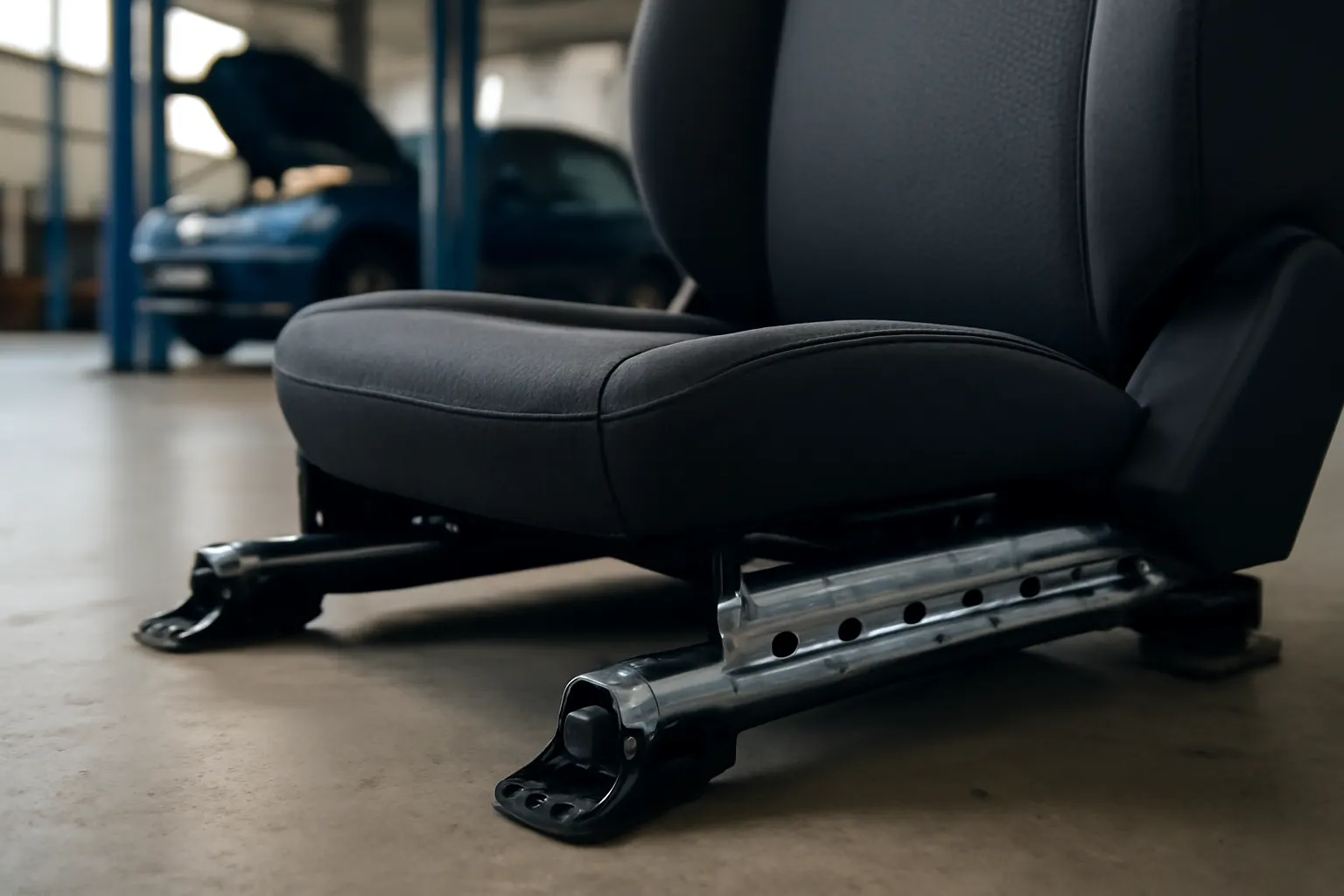
Anatomy of a Front Seat Track
A typical front seat track assembly includes:
- Upper and lower rails: Allow the seat to slide fore and aft
- Locking mechanism: Secures the seat at set positions
- Mounting brackets: Anchor the seat to the vehicle floor
- Adjustment levers and cables: Enable user movement
- Sensors: Detect seat position for airbag and restraint logic
These components must work in precise alignment. Even minor wear in bushings, rollers, or locking pawls can introduce play, which is magnified by the forces of everyday driving and, more critically, by a collision.
Seat Track and Safety System Integration
Modern vehicles integrate seat track position sensors with airbag control modules. If the track is misaligned or its sensor faults, the airbag system may deploy incorrectly or not at all. This is especially critical for vehicles with advanced occupant detection and variable airbag deployment.
Common Causes of Seat Track Wear and Failure
Understanding what leads to seat track problems helps prevent recurrence after repair:
1. Age and Repeated Use
Daily adjustments, especially in vehicles with multiple drivers, wear down bushings, rollers, and locking mechanisms. Over time, metal-to-metal contact or plastic wear can create play.
2. Contamination and Corrosion
Spills, dirt, and road salt can infiltrate tracks, causing corrosion and jamming. Water intrusion is a leading cause of premature seat track rust, especially in regions with heavy winter road treatment.
3. Impact and Overloading
Heavy impacts—such as slamming the seat or rear-ending accidents—can permanently deform seat track rails or brackets. Overloading the seat (carrying extra cargo or standing on the seat) also accelerates wear.
4. Manufacturing Defects or Recalls
Some vehicles are subject to recalls for seat track defects. Check your VIN at the NHTSA recall database to ensure your seat track hasn’t been flagged for replacement.
Step-by-Step: Diagnosing Front Seat Track Wear
A thorough diagnosis combines visual inspection, manual testing, and, for modern vehicles, electronic checks. Use this checklist to systematically assess your seat track:
Seat Track Wear Diagnostic Checklist
-
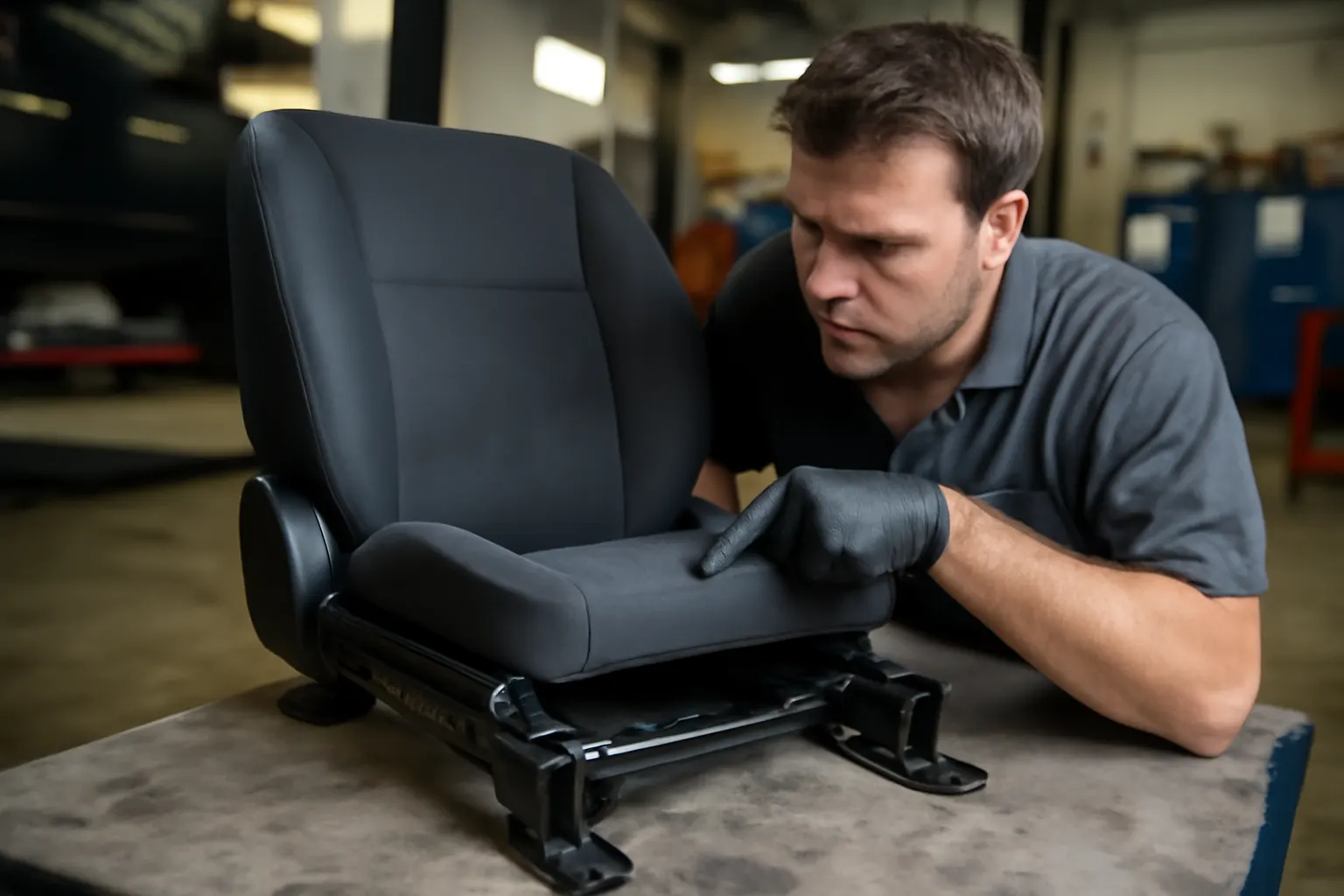
Visual Inspection
- Slide the seat fully forward and backward. Look for rust, bent rails, or foreign debris.
- Inspect mounting bolts for tightness and corrosion.
- Examine the locking pawl and teeth for wear or missing parts.
-
Manual Movement Test
- With the seat locked, push and pull the seat back and forth, and side to side.
- Note any play exceeding 2-3mm, which indicates excessive wear.
-
Adjustment and Lock Function
- Operate the adjustment lever. It should move smoothly and spring back.
- Confirm the seat locks securely at every detent.
-
Noise Assessment
- Listen for clicking, popping, or grinding during seat movement.
-
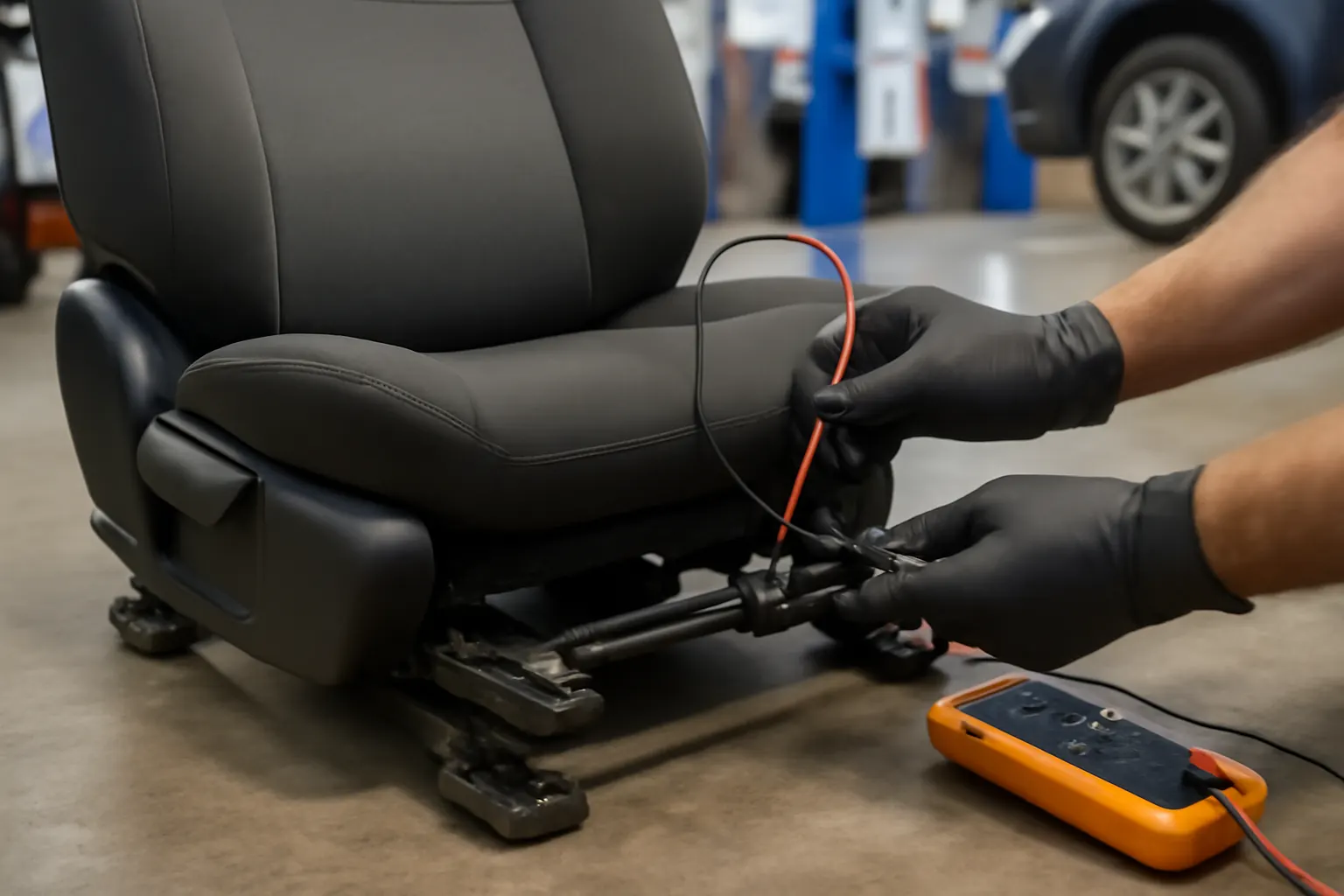
Electronic Sensor Check (if equipped)
- Scan for airbag or occupancy sensor codes with an OBD-II tool.
- Confirm seat position sensors read accurately in the vehicle’s diagnostic menu.
-
Crash History Review
- If the vehicle has been in a collision, inspect for bent or misaligned brackets.
Tip:
Document any findings with photos, especially if seeking warranty or recall coverage.
When to Replace vs. Repair: Making the Right Call
Not all seat track issues require full replacement. Use these guidelines:
-
Replace the seat track assembly if:
- There is visible deformation, severe rust, or missing/broken parts
- The locking mechanism fails to secure the seat at any position
- Sensors are integrated and not serviceable separately
-
Repair or lubricate if:
- The track is dirty or slightly stiff, but undamaged
- Minor play is due to loose mounting bolts (torque to spec)
- Adjustment cables are stretched but intact
For most safety-critical wear, replacement is the only responsible option. Always use direct-fit, OEM-quality components to maintain compliance with NHTSA equipment standards.
Sourcing the Correct Front Seat Track Assembly
Choosing the right replacement is crucial. Here’s how to ensure a perfect fit:
Fitment Factors
- Vehicle make, model, and year: Seat tracks are highly vehicle-specific.
- Seat type: Manual vs. power, driver vs. passenger, heated/cooled options.
- Trim level: Some tracks include wiring for seat position memory or airbags.
- Mounting style: Verify floor bolt pattern and seat-to-track attachment.
For guaranteed compatibility, reference the Front Seat Track Assemblies: OEM Fit, Safety, and Precision | AutoPartEx category. This ensures you’re sourcing assemblies engineered for your specific application and safety requirements.
Installation Insights: What to Expect and Avoid
Replacing a front seat track is a moderate-level DIY task, but attention to detail is critical. Here’s what you need to know:
Tools and Preparation
- Socket set and torque wrench
- Trim removal tools
- Thread locker (as specified by manufacturer)
- Service manual or fitment guide
Step-by-Step Installation Tips
- Disconnect the battery: Prevent accidental airbag deployment.
- Remove seat trim and fasteners: Access the track mounting bolts.
- Unplug electrical connectors: For power seats or sensor-equipped tracks.
- Remove the seat from the vehicle: Take care not to damage wiring.
- Transfer components: Move seatbelt anchors and sensors to the new track if required.
- Install new track: Torque all bolts to spec, apply thread locker where needed.
- Reconnect wiring and battery: Test all seat and safety functions before use.
For detailed procedures, consult the Front Seat Track Replacement Guide and your vehicle’s service documentation.
Advanced Diagnostics: Electronic Sensor Issues
Modern seat tracks often include position or occupancy sensors tied to the SRS (Supplemental Restraint System). Faulty or miscalibrated sensors can:
- Trigger airbag warning lights
- Disable front airbags or seatbelt pretensioners
- Cause incorrect seat memory operation
Troubleshooting Steps
- Use an OBD-II scanner to read fault codes related to seat position or occupancy.
- Inspect wiring harnesses for damage during seat removal or installation.
- Recalibrate sensors as specified in your service manual after replacing the track.
If you encounter persistent SRS warnings after seat track service, professional recalibration or module programming may be required.
Preventive Maintenance: Extending Seat Track Life
You can maximize seat track longevity and prevent future safety issues with these practices:
- Regular cleaning: Vacuum debris from seat rails and lubricate with manufacturer-approved grease.
- Protect from moisture: Address leaks and avoid wetting the interior.
- Gentle operation: Avoid slamming or forcing the seat into position.
- Routine inspection: Check for play or unusual noises during oil changes or interior cleaning.
For more on the impact of advanced materials and corrosion resistance, see Advanced Materials in Modern Seat Tracks.
The Role of Standards and Recalls in Seat Track Safety
Seat tracks are governed by strict standards, such as those outlined by SAE International and enforced by NHTSA. These standards dictate:
- Minimum strength and crash performance
- Durability and corrosion resistance
- Integration with restraint and sensor systems
Manufacturers occasionally issue recalls for seat track defects—these are publicly searchable at the NHTSA recall portal. Always address recall notices promptly to ensure occupant safety.
Fitment and Interior Integration: Matching Trim and Function
Installing a new seat track isn’t just about safety—it’s about maintaining proper fit and finish. Mismatched or ill-fitting tracks can:
- Cause rattles, squeaks, or improper seat alignment
- Interfere with trim panels or carpet
- Prevent full seat adjustment or locking
When sourcing a replacement, ensure compatibility with your vehicle’s Interior Trim and Seat Component Fitment. This protects both the functional and aesthetic aspects of your interior.
The AutoPartEx Advantage: Trusted Fitment and Expertise
When it comes to safety-critical components like front seat tracks, AutoPartEx delivers:
- OEM-quality direct-fit assemblies: Engineered to match original specifications for strength, fitment, and sensor integration.
- Fitment verification: Our catalog ensures you only see parts compatible with your vehicle.
- Guided installation resources: From replacement guides to fitment tips, we support your repair process from start to finish.
- Expert support: Our technical team can assist with diagnosing complex seat or sensor issues.
Explore our Front Seat Track Assemblies: OEM Fit, Safety, and Precision catalog for peace of mind on every drive.
Taking Action: Don’t Ignore the Signs
Front seat track wear is a hidden hazard that deserves immediate attention. Whether you’re a DIY enthusiast or a professional technician, regular inspection and timely replacement of worn seat tracks are essential for vehicle safety and compliance. Use the checklists and resources in this guide to diagnose, source, and install the correct parts—and trust AutoPartEx for quality and support every step of the way.