Advanced Materials in Modern Seat Tracks
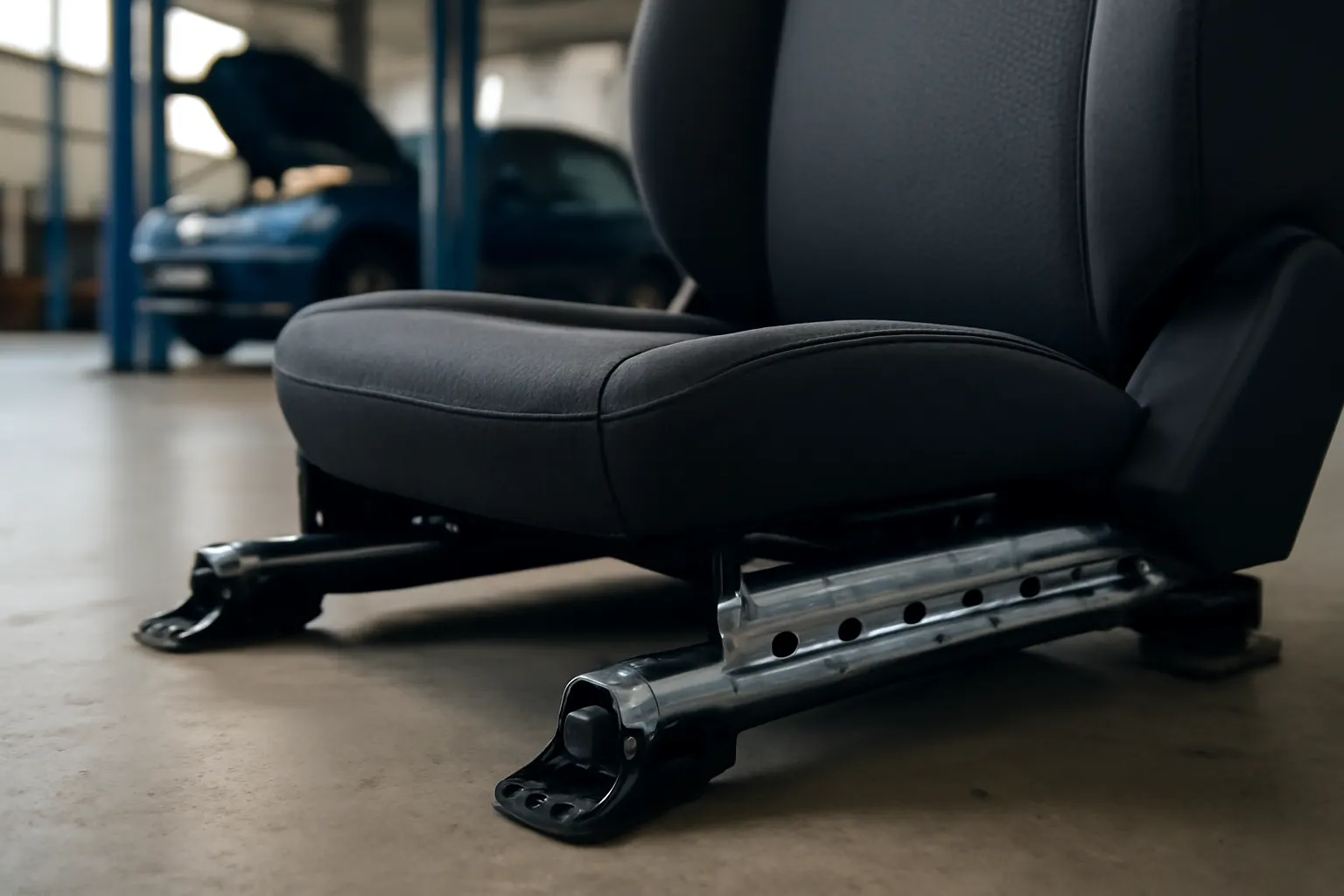
Modern vehicle seat tracks are no longer simple steel rails. Today’s front seat track assemblies rely on advanced alloys and high-performance coatings to deliver lighter weight, improved corrosion resistance, and greater occupant safety. If you’re shopping for a replacement or upgrade, understanding these material innovations is essential for making an informed decision. In this article, AutoPartEx breaks down the latest seat track technologies, the challenges they address, and how to select the right component for your vehicle.
Quick links: Front Seat Track Assemblies: OEM Fit, Safety, and Precision | AutoPartEx.
If you’re looking for OEM-fit front seat track assemblies or want to explore a full range of application-specific options, visit our Front Seat Track Assemblies: OEM Fit, Safety, and Precision category for the latest offerings and fitment guides.
Immediate Answer: Why Advanced Materials Matter in Seat Tracks
Front seat tracks are critical for both comfort and safety. Modern vehicles demand seat tracks that are:
- Lightweight (to improve fuel efficiency),
- Strong (to withstand crash forces and everyday use), and
- Corrosion-resistant (to ensure long-term reliability).
Automakers now use high-strength steels, aluminum alloys, and sophisticated coatings to meet these requirements. These materials extend seat track life, reduce overall vehicle weight, and help manufacturers comply with strict safety and efficiency standards. For drivers, the benefits are tangible: smoother seat adjustment, better crash protection, and fewer long-term maintenance issues.
The Hidden Problem: Traditional Materials and Their Shortcomings
While seat tracks may seem like a “fit and forget” part, their material composition directly impacts performance and safety. Traditional stamped steel tracks, common in older vehicles, are prone to:
- Rust and corrosion (especially in humid or salty environments),
- Deformation under high loads (potentially compromising seat anchoring in a crash), and
- Excessive weight (adding to the vehicle’s overall mass and reducing fuel economy).
These issues can lead to premature wear, noisy operation, or—in worst cases—failure to protect occupants during an accident. The rise in vehicle recalls related to seat track corrosion and breakage underscores the importance of robust materials 1.
Digging Deeper: Technical Demands on Modern Seat Tracks
Front seat tracks must balance a complex set of requirements:
- Static and dynamic load resistance: Tracks must hold up under the weight of the seat, occupant, and shock loads from impacts.
- Precision movement: Tracks need to allow smooth, reliable adjustment with minimal play.
- Corrosion and wear resistance: Tracks are exposed to humidity, spilled drinks, and road salt tracked in on shoes.
- Compatibility with airbags and restraint systems: Tracks must maintain position and integrity during a crash to ensure seat-mounted airbags and seat belts perform correctly.
These demands have pushed OEMs and suppliers to adopt new materials and coatings, as outlined in government and industry research 2.
Advanced Alloys: High-Strength Steel, Aluminum, and Beyond
High-Strength Low-Alloy (HSLA) Steels
The most common upgrade over conventional mild steel is high-strength low-alloy (HSLA) steel. HSLA steels offer:
- Greater yield strength—allowing for thinner, lighter rails without sacrificing durability,
- Improved energy absorption—helping tracks deform in a controlled way during severe impacts, and
- Better corrosion resistance compared to basic carbon steels.
Aluminum Alloys
Aluminum seat tracks are increasingly used in premium and performance applications. Their advantages include:
- Significant weight savings (up to 40% less than comparable steel rails),
- Excellent corrosion resistance (especially with anodized or coated surfaces), and
- High precision in extrusion and machining, allowing for tight tolerances and smooth operation.
However, aluminum is more expensive and may require special fasteners or bushings to avoid galvanic corrosion.
Advanced Composites and Hybrid Designs
Some manufacturers are experimenting with composite-reinforced seat track components or hybrid designs that combine steel, aluminum, and engineered plastics. These designs aim to further reduce weight while maintaining crash safety and long-term reliability.
Next-Generation Coatings: Extending Seat Track Life
Material selection is only half the story. Coatings play a critical role in protecting seat tracks from wear and corrosion.
Zinc-Nickel and Electroplated Coatings
Zinc-nickel electroplating is now standard for many OEM seat tracks. It offers:
- Superior corrosion resistance compared to plain zinc,
- Self-healing properties that help maintain protection even if the coating is scratched, and
- Compatibility with automated assembly and welding processes.
Powder Coatings and E-Coat
Powder coating and electrophoretic deposition (e-coat) add further protection, especially for tracks exposed to the cabin environment. These coatings provide:
- Uniform coverage, even in complex geometries,
- Durability against abrasion and cleaning chemicals, and
- Aesthetic appeal (important when tracks are visible beneath the seat).
Dry Film Lubricants
Some seat tracks receive a dry film lubricant coating, which reduces friction and wear in moving assemblies. This is especially important for power-adjustable tracks, where smooth, quiet operation is expected over the vehicle’s lifetime.
Weight Reduction: Impact on Fuel Economy and Emissions
Reducing the weight of seat tracks may seem minor, but every kilogram counts in modern automotive engineering. Lightweight seat tracks contribute to:
- Better fuel economy (as supported by the U.S. Department of Energy’s research on vehicle lightweighting 2),
- Lower emissions, and
- Improved handling and ride quality.
OEMs often target “gram-by-gram” weight savings in every component, including seat tracks, to meet regulatory and consumer demands for efficiency.
Safety Standards and Regulatory Compliance
Seat tracks are subject to rigorous safety standards set by organizations like the National Highway Traffic Safety Administration (NHTSA) and the Society of Automotive Engineers (SAE) 34. Key requirements include:
- Static and dynamic load tests to ensure tracks do not fail in a crash,
- Corrosion resistance standards to guarantee long-term reliability,
- Compatibility with airbag and restraint systems, and
- Recall monitoring and compliance (seat tracks are a frequent subject of safety recalls when materials or coatings prove inadequate) 1.
When sourcing a replacement, always verify the part meets OEM and regulatory standards.
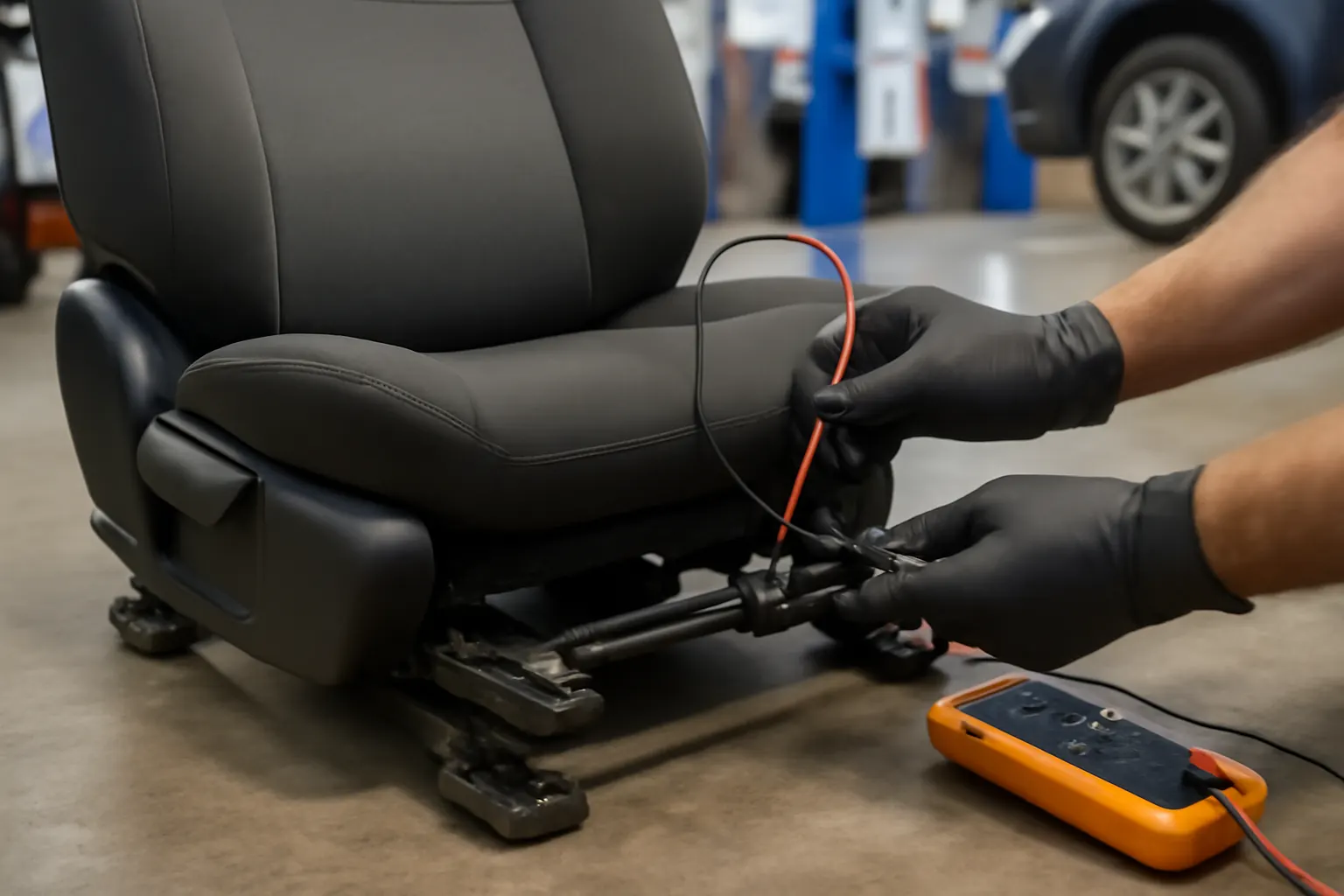
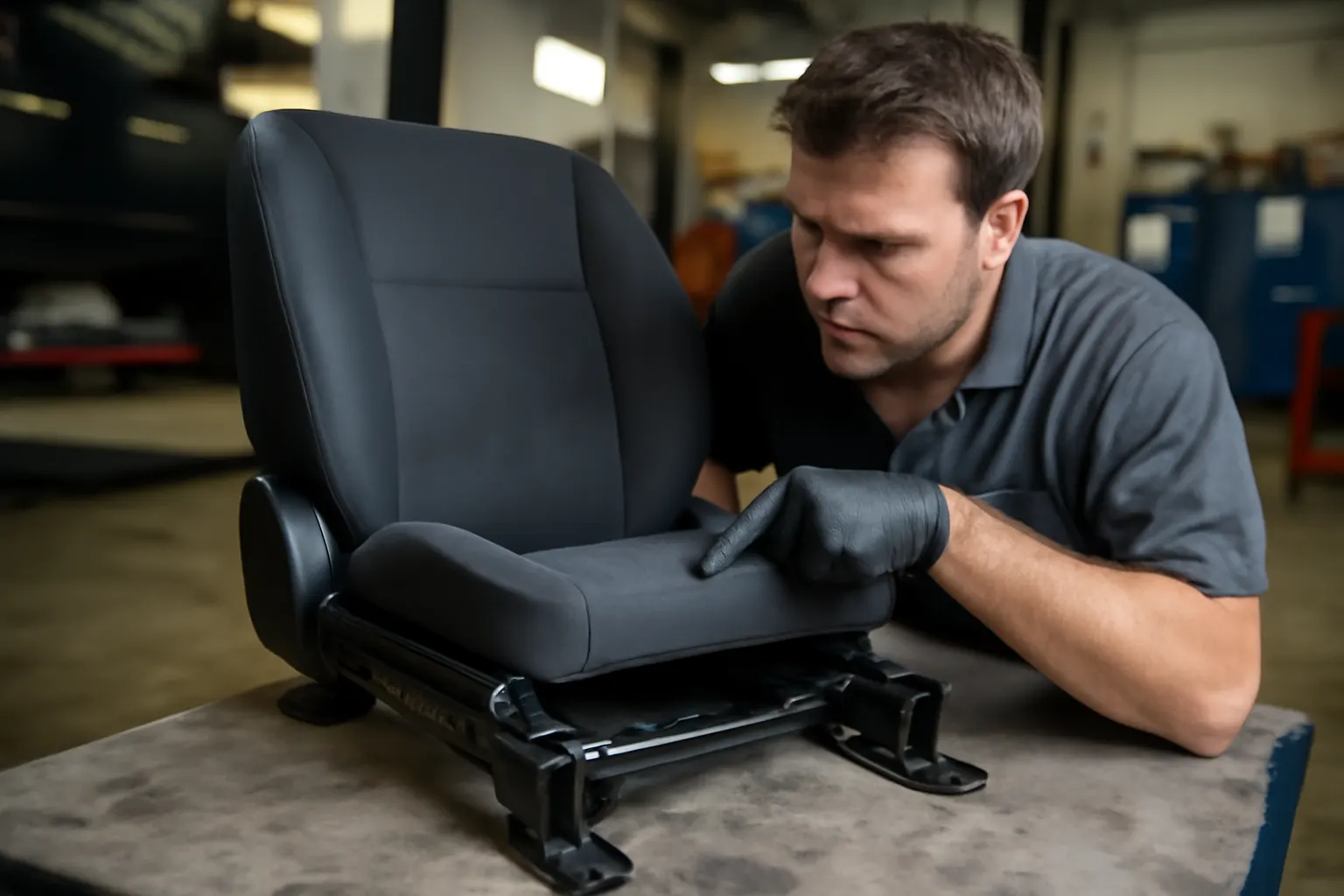
Diagnosing Seat Track Material Issues: What to Look For
If you suspect your seat track is failing due to material problems, watch for:
- Visible rust, pitting, or flaking on the track rails,
- Binding, sticking, or noisy seat adjustment,
- Excessive play or looseness in the seat base,
- Broken or missing fasteners or bushings, and
- Recalls or service bulletins related to your vehicle’s seat tracks (check the NHTSA Recalls Database).
For a more detailed diagnostic process, see our Front Seat Safety: Diagnosing Track Wear guide.
Installation Guidance: Handling Modern Materials Safely
When replacing or installing a modern seat track, keep these tips in mind:
- Use manufacturer-approved fasteners and torque specs. High-strength steels and aluminum alloys may require special bolts or thread-locking compounds.
- Avoid mixing metals. If your new track is aluminum and the mounting hardware is steel, use recommended isolators or bushings to prevent galvanic corrosion.
- Protect coatings. Take care not to scratch or damage protective coatings during installation. Even small nicks can become corrosion sites over time.
- Follow all airbag and restraint system procedures. Many seat tracks are integrated with seat-mounted airbags or seat belt pre-tensioners. Always disconnect the battery and follow OEM instructions.
For a step-by-step walkthrough, see our Front Seat Track Replacement Guide.
Maintenance Tips: Maximizing Seat Track Lifespan
Even advanced materials need proper maintenance to ensure longevity:
- Keep tracks clean and free of debris. Vacuum under the seats regularly to prevent dirt buildup.
- Avoid excessive moisture. Address leaks or spills promptly; use moisture-absorbing mats if necessary.
- Lubricate moving parts as specified. Use only OEM-recommended lubricants; avoid grease that can attract dust or degrade coatings.
- Inspect for corrosion or wear during routine service. Early detection can prevent more serious issues.
A quick maintenance checklist:
| Maintenance Task | Frequency | Notes |
|---|---|---|
| Visual inspection for corrosion | Every 12 months | Look for rust, pitting, or worn coatings |
| Clean tracks and rails | Every 6 months | Use a vacuum and dry cloth |
| Lubricate moving joints | As specified by OEM | Use recommended dry lubricant |
| Check seat mounting bolts | Every 24 months | Retorque to spec if needed |
| Review recall notices | Annually | Check NHTSA database |
Sourcing and Fitment: Choosing the Right Seat Track
When selecting a replacement seat track, consider:
- Material compatibility: Match the original material (steel, aluminum, or composite) for best fit and performance.
- OEM vs. aftermarket: OEM parts guarantee original material specs and coatings; high-quality aftermarket options may offer upgrades.
- Coating type: Prefer parts with zinc-nickel or powder coatings for long-term corrosion resistance.
- Precision and fitment: Ensure the track is designed for your vehicle’s make, model, and seat type.
For more on fitment, see our Interior Trim and Seat Component Fitment guide and browse the Front Seat Track Assemblies: OEM Fit, Safety, and Precision category.
The Role of Advanced Materials in Crash Safety
Modern seat track materials don’t just fight rust—they’re engineered to deform in controlled ways during a collision, absorbing energy and keeping the seat anchored. This is critical for:
- Maintaining proper seat belt geometry,
- Ensuring seat-mounted airbags deploy correctly, and
- Preventing seat detachment or excessive movement in a crash.
OEMs use computer simulations and physical crash tests to validate new alloys and coatings under extreme conditions. Choosing a track with proven crash performance is vital for occupant protection.
Recalls and Lessons Learned: Why Material Innovation Matters
Seat track recalls often stem from material or coating failures. Common issues include:
- Premature corrosion in high-humidity or salt-belt regions,
- Cracking or deformation under impact, and
- Insufficient coating thickness or coverage.
The NHTSA tracks such recalls and mandates corrective action. When shopping for a replacement, check for any outstanding recalls and ensure your new part addresses known material weaknesses 1.
The Future: Smart Materials and Modular Seat Track Design
Emerging trends in seat track technology include:
- Modular track assemblies that can be quickly swapped for service or upgrades,
- Smart sensors embedded in tracks to monitor wear, position, and occupant weight,
- Further adoption of composites for even greater weight reduction, and
- Advanced anti-corrosion treatments that extend service life in harsh environments.
Staying informed about these developments can help you future-proof your vehicle’s interior and safety systems.
AutoPartEx: Your Partner for Advanced Seat Track Solutions
At AutoPartEx, we understand that the right seat track is about more than just fitment—it’s about long-term safety, performance, and peace of mind. Our curated selection of Front Seat Track Assemblies: OEM Fit, Safety, and Precision ensures you get components engineered with the latest alloys and coatings, fully compliant with industry standards.
Browse our Interior Trim Category for related components, or consult our technical guides for installation and diagnostic assistance. Our expert team is here to help you choose the best materials and designs for your vehicle’s needs.
References
- Materials Technologies – United States Department of Energy
- Vehicle Safety and Equipment – National Highway Traffic Safety Administration
- Vehicle, Car Seat, Tire, and Equipment Recalls – National Highway Traffic Safety Administration
- SAE Standards – SAE International