OEM vs. Aftermarket Lamp Wiring Harnesses: What You Need to Know
When your vehicle’s lighting system falters, the culprit is often the lamp wiring harness—a critical but overlooked component. Choosing between an OEM (Original Equipment Manufacturer) and an aftermarket lamp wiring harness can make or break your vehicle’s lighting reliability, safety, and long-term maintenance costs. This guide provides a detailed, technical comparison of both options, focusing on quality, fitment, performance, and what truly matters for automotive professionals and DIYers alike. For a foundational understanding of how lamp wiring harnesses underpin your vehicle’s lighting, see our Lamp Wiring Harness: The Backbone of Reliable Vehicle Lighting category overview.
Why the Choice Between OEM and Aftermarket Matters
At first glance, a lamp wiring harness might seem like a simple assembly of wires and connectors. However, the differences between OEM and aftermarket options are significant. OEM harnesses are engineered to the exact specifications of your vehicle’s manufacturer, ensuring a seamless fit and consistent performance. Aftermarket harnesses, on the other hand, can range from high-quality upgrades to budget alternatives with variable reliability. Your choice impacts not only installation ease but also long-term safety, system diagnostics, and even compliance with critical safety regulations.
The Hidden Pitfalls: What Most Buyers Overlook
Most buyers focus on the visible aspects of a wiring harness—price, advertised compatibility, and perhaps wire gauge. However, crucial factors like insulation material quality, connector design, resistance to corrosion, and adherence to industry standards (such as SAE and NHTSA requirements) often go unnoticed. A poorly chosen harness can lead to chronic electrical issues, increased risk of short circuits, or even vehicle fires—especially as vehicles age and face harsher conditions.
Technical Deep Dive: Materials, Construction, and Safety
OEM Harnesses: The Standard for Consistency
OEM lamp wiring harnesses are built using manufacturer-approved materials, often specified to meet or exceed federal safety and performance standards. Manufacturers leverage advanced materials technologies, such as high-temperature-resistant insulation and precision-molded connectors, to ensure longevity and resistance to vibration and heat cycles common in engine bays and lighting assemblies. According to the United States Department of Energy’s Materials Technologies, advanced materials enhance both performance and durability in automotive systems.
Aftermarket Harnesses: The Spectrum of Quality
Aftermarket harnesses can be engineered to meet or even surpass OEM standards—but not always. The best aftermarket harnesses are constructed with premium copper wiring, upgraded insulation, and sometimes additional features such as protective loom or heat shielding. However, low-cost alternatives may use substandard materials, thinner wires, and connectors that don’t fit precisely, increasing the risk of failure. The National Highway Traffic Safety Administration (NHTSA) stresses the importance of quality in replacement parts, especially those integral to vehicle safety and lighting.
Industry Standards: SAE and NHTSA Compliance
Both OEM and reputable aftermarket harnesses should comply with SAE International standards for automotive wiring and NHTSA safety requirements. These standards dictate everything from wire gauge and color coding to connector retention force and corrosion resistance. Non-compliance can lead to failed inspections, electrical malfunctions, or even safety recalls. Always verify that your chosen harness references relevant SAE standards and is not subject to known NHTSA recalls.
Fitment: The Core of Reliable Installation
OEM Fitment: Plug-and-Play Precision
OEM harnesses are designed for exact fitment—every connector, wire length, and mounting point matches the original design. This ensures quick installation, minimal risk of pinched or stretched wires, and reliable long-term operation. For vehicles with complex lighting systems (such as adaptive headlights or DRLs), OEM harnesses are almost always the safest choice.
Aftermarket Fitment: Universal vs. Direct Replacement
Aftermarket harnesses fall into two categories: universal and direct replacement. Direct replacement harnesses are engineered to match OEM specifications, but quality varies by manufacturer. Universal harnesses often require modification—splicing, crimping, or adapting connectors—which can introduce points of failure if not performed correctly. Always check that the harness is explicitly listed for your vehicle’s year, make, and model, and review user feedback for known fitment issues.
Checklist: Assessing Harness Fitment Before Purchase
- Vehicle Compatibility: Is the harness listed for your exact year, make, and model?
- Connector Type: Do the connectors match the OEM design and pin configuration?
- Wire Lengths: Are the wire runs correct for your vehicle’s lamp locations?
- Mounting Points: Does the harness include all necessary clips and grommets?
- Installation Instructions: Are clear, vehicle-specific instructions provided?
- User Reviews: Are there any reports of fitment or installation problems?
Performance Considerations: Electrical Integrity and Lighting Output
OEM Harnesses: Designed for System Balance
OEM harnesses are engineered for the electrical loads of the factory lighting system. Wire gauge, insulation, and connector quality are chosen to minimize voltage drop and maximize lamp output, ensuring that headlights, taillights, and auxiliary lamps operate at their designed brightness and response times.
Aftermarket Harnesses: Variable Electrical Performance
High-quality aftermarket harnesses may offer performance improvements, such as thicker wires for reduced voltage drop or upgraded insulation for higher-wattage bulbs. However, subpar harnesses can introduce resistance, causing dim lights, flickering, or even premature lamp failure. Always check the manufacturer’s specifications for current-carrying capacity and thermal limits.
Diagnosing Performance Issues
If you’re experiencing lighting problems after a harness replacement, consider the following diagnostic steps:
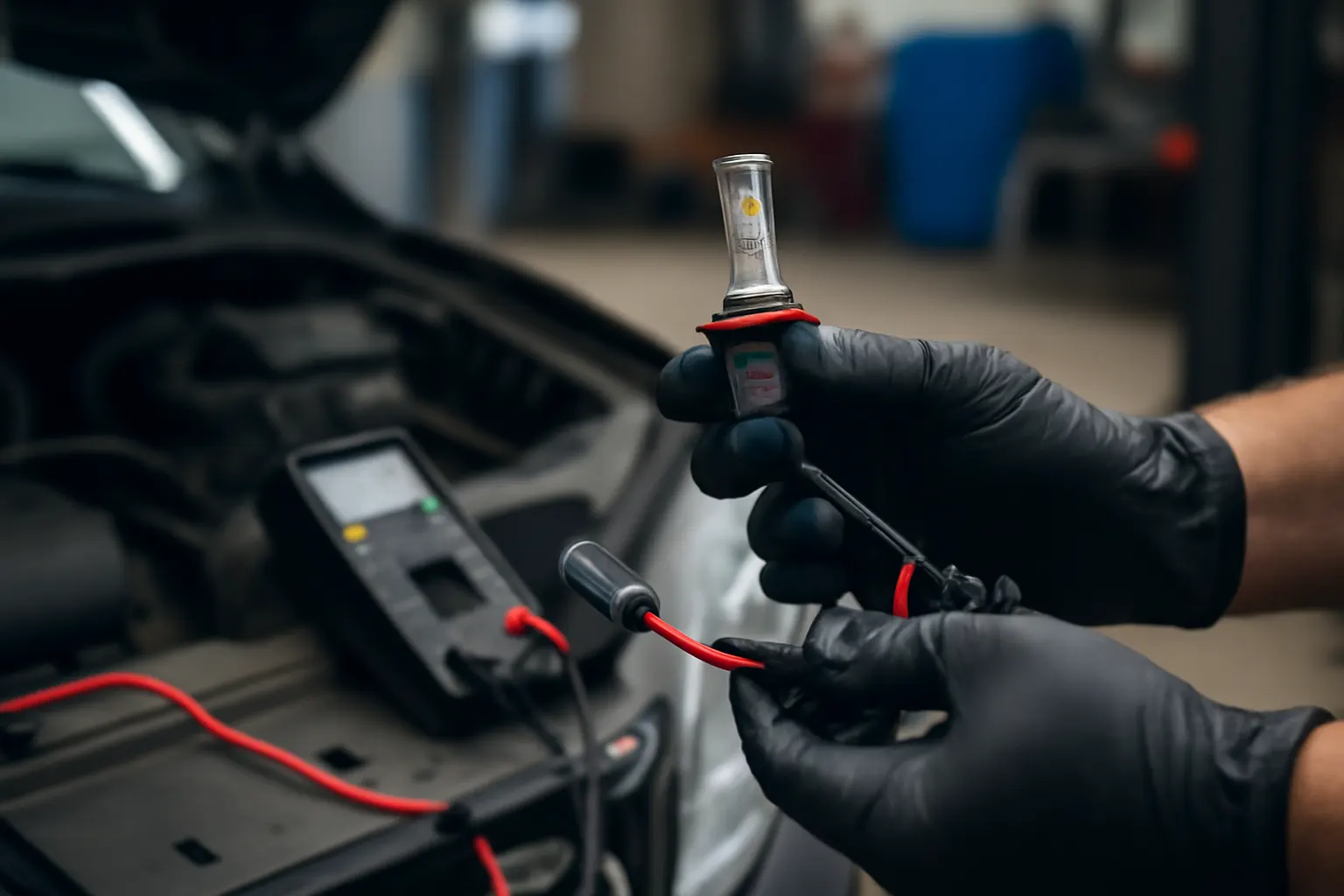
- Check Voltage at the Lamp Socket: Use a multimeter to verify voltage with the lights on. Low voltage may indicate high resistance in the harness.
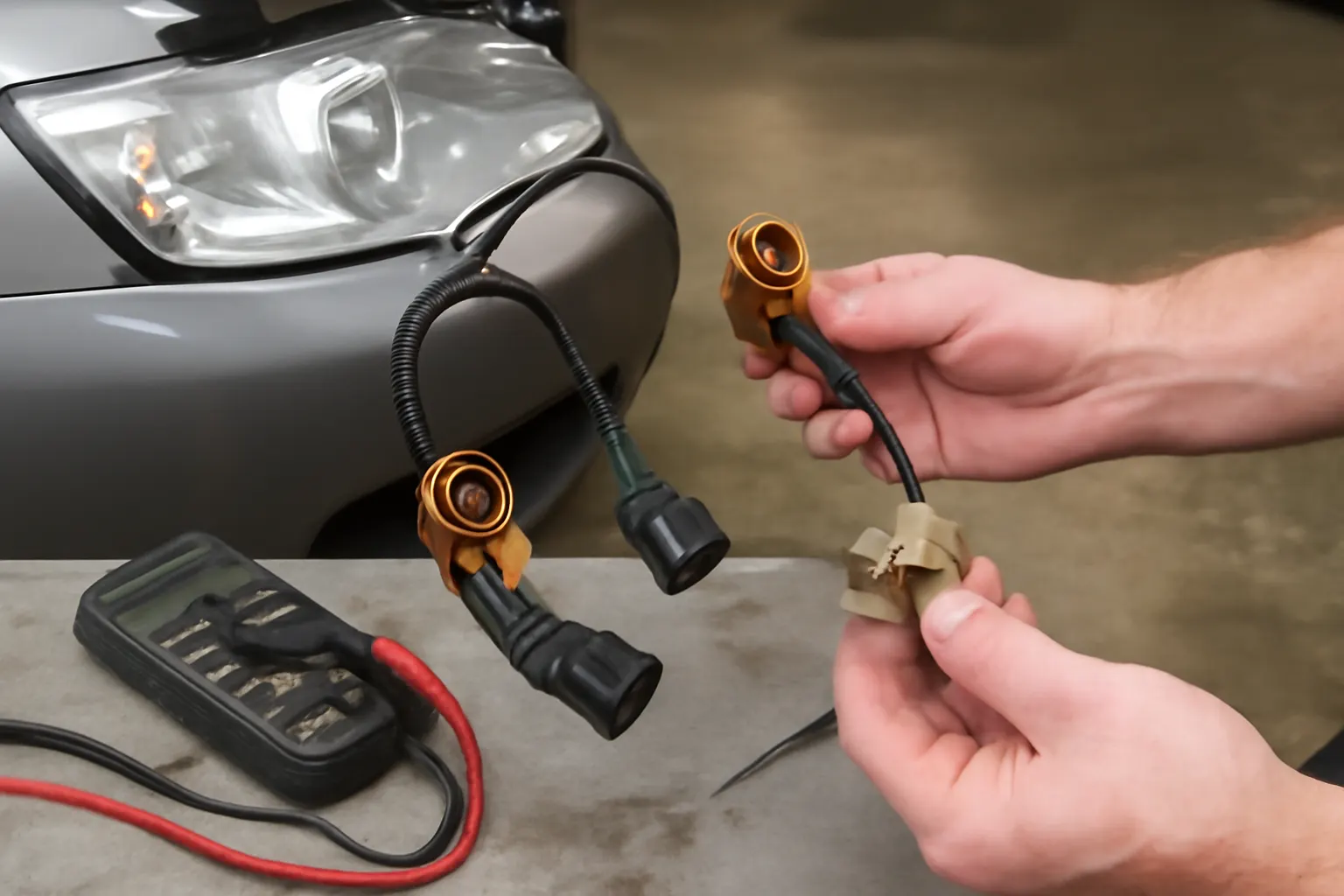
- Inspect Connectors for Corrosion: Poor-quality connectors corrode faster, increasing resistance and causing intermittent lighting.
- Test for Continuity: Ensure each wire passes current without excessive resistance.
- Review Harness Routing: Improperly routed wires can chafe, leading to shorts or open circuits.
For more detailed troubleshooting, consult our guide on Diagnosing Automotive Lighting Electrical Issues.
Durability and Environmental Resistance
OEM Harnesses: Built for the Long Haul
OEM harnesses use materials tested for resistance to heat, moisture, vibration, and chemical exposure. High-quality insulation prevents cracking and hardening, while sealed connectors block water and road salt—a leading cause of corrosion and electrical failure.
Aftermarket Harnesses: Durability Varies Widely
Premium aftermarket harnesses may use similar or upgraded materials, but budget options often cut corners on insulation and connector sealing. In regions with harsh winters or high humidity, inferior harnesses may fail within a few years due to corrosion or insulation breakdown. Look for harnesses with robust weatherproofing and documented material specifications.
Preventive Maintenance
Regardless of harness origin, regular inspection is key. Check connectors for signs of corrosion and wires for abrasion or hardening. Applying dielectric grease to connectors and using protective loom or split tubing can extend harness life. For more on protecting your wiring, see Preventing Corrosion in Automotive Wiring.
Cost Analysis: Upfront vs. Total Ownership
OEM Harness Cost
OEM harnesses are typically more expensive upfront due to rigorous manufacturing, quality control, and the use of proprietary connectors. However, their longevity and predictable fitment can reduce installation time and the likelihood of future repairs.
Aftermarket Harness Cost
Aftermarket harnesses range from low-cost imports to premium upgrades. The initial savings can be significant, but if the harness fails prematurely or causes electrical issues, the total cost (including diagnostic time, replacement labor, and potential collateral damage) can quickly eclipse the OEM option.
Comparative Cost Table: OEM vs. Aftermarket Harnesses
| Feature | OEM Harness | Aftermarket Harness (Premium) | Aftermarket Harness (Budget) |
|---|---|---|---|
| Upfront Cost | $$$ | $$ | $ |
| Fitment | Guaranteed | Usually good | Variable |
| Material Quality | High | High | Low to Medium |
| Installation Time | Minimal | Moderate | High (may require mods) |
| Longevity | 8-15 years+ | 5-10 years | 1-5 years |
| Risk of Electrical Issues | Very Low | Low to Moderate | High |
Safety and Regulatory Compliance
OEM Harnesses: Built to Meet Federal Standards
OEM harnesses are designed to comply with all relevant federal safety standards, including those set by the NHTSA. This ensures reliable operation of critical lighting systems such as headlights, turn signals, and brake lamps—vital for night driving and accident avoidance. OEM parts are also less likely to trigger safety recalls related to electrical equipment.
Aftermarket Harnesses: Buyer Beware
While many reputable aftermarket manufacturers design their harnesses to meet or exceed federal and SAE standards, not all do. Non-compliant harnesses may lack adequate fire resistance, connector retention, or weather sealing. Before purchasing, verify that the harness is not subject to any NHTSA recalls and request documentation on SAE compliance from the seller.
Checklist: Ensuring Regulatory Compliance
- SAE Standards: Does the harness documentation reference relevant SAE standards?
- NHTSA Recall Check: Has the part number been recalled for safety issues?
- UL/CSA Ratings: Are insulation and connectors rated for automotive use?
- Labeling: Are wires color-coded and labeled per industry standards?
Installation Guidance: Best Practices for Professionals and DIYers
Preparation
- Disconnect the Battery: Prevent accidental short circuits.
- Review the Wiring Diagram: Use the factory service manual for your vehicle.
- Inspect Connectors: Clean and repair any corroded mating connectors before installation.
Installation Steps
- Remove the Old Harness: Unclip and disconnect carefully to avoid damaging adjacent wiring.
- Route the New Harness: Follow factory paths to prevent chafing and exposure to heat sources.
- Secure All Mounting Points: Use OEM-style clips and grommets to prevent vibration damage.
- Test All Functions: Turn on all lamps and check for proper operation before reassembling trim or covers.
Common Installation Pitfalls
- Forcing Connectors: If a connector doesn’t fit easily, stop and verify compatibility.
- Improper Splicing: Solder and heat-shrink all splices; avoid tape-only repairs.
- Skipping Dielectric Grease: Apply to all connectors to prevent corrosion.
For advanced lighting upgrades, see our guide on How to Upgrade Your Vehicle's Lighting Safely.
Maintenance and Long-Term Reliability
Inspection Schedule
- Annual Visual Inspection: Check for chafing, exposed wires, and connector corrosion.
- After Heavy Weather: Inspect for water intrusion or salt corrosion, especially in winter climates.
- After Accidents or Repairs: Ensure harnesses weren’t pinched, stretched, or damaged during bodywork.
Cleaning and Protection
- Connector Cleaning: Use electrical contact cleaner annually.
- Protective Loom: Add split loom or conduit in high-wear areas.
- Corrosion Prevention: Reapply dielectric grease as needed.
When to Replace
Replace the harness if you notice persistent lighting failures, visible wire damage, or melted connectors. Early replacement can prevent more costly electrical issues and maintain safety compliance.
Sourcing the Right Harness: What to Look For
OEM Harness Sourcing
- Dealer Parts Department: Ensures genuine fit and quality.
- Reputable Online Retailers: Look for OEM part numbers and manufacturer guarantees.
- Salvage Yards: Only for newer vehicles and if the harness is visibly undamaged.
Aftermarket Harness Sourcing
- Brand Reputation: Research the manufacturer’s track record for reliability.
- Material Specifications: Look for copper wire, high-temp insulation, and sealed connectors.
- Warranty: Prefer harnesses with manufacturer-backed warranties.
- User Reviews: Prioritize harnesses with positive feedback for your specific vehicle.
Red Flags
- No Documentation: Avoid harnesses that don’t list material specs or standards compliance.
- Generic Listings: Be wary of “universal” harnesses unless you have experience adapting them.
- Suspiciously Low Prices: Extreme bargains often signal inferior materials.
When to Choose OEM vs. Aftermarket: Application Scenarios
When OEM Is the Best Choice
- Complex Lighting Systems: Adaptive headlights, auto-leveling lamps, or integrated DRLs.
- Critical Safety Applications: Headlights, brake lights, and turn signals.
- Restoration Projects: Maintaining factory originality and value.
When Premium Aftermarket Makes Sense
- Upgraded Lighting: Higher-wattage bulbs or LED conversions requiring heavier gauge wires.
- Unavailable OEM Parts: For older vehicles where OEM harnesses are discontinued.
- Budget Constraints: When a reputable aftermarket harness meets all quality and fitment criteria.
When to Avoid Budget Aftermarket Harnesses
- Safety-Critical Circuits: Never compromise on quality for headlights or brake lamps.
- Harsh Environments: Regions with extreme weather, road salt, or high humidity.
Integration with Other Vehicle Systems
Lamp wiring harnesses often interface with other electrical systems—such as the main body harness, fuse box, and vehicle control modules. An ill-fitting or poorly designed harness can introduce electrical noise, interfere with diagnostics, or even disable safety features. Always confirm that the harness is compatible with your vehicle’s control modules and doesn’t trigger warning lights or error codes.
AutoPartEx: Your Partner for Reliable Lamp Wiring Harness Solutions
At AutoPartEx, we recognize that the right harness is the backbone of reliable vehicle lighting. Our curated selection includes both OEM and premium aftermarket lamp wiring harnesses, with full transparency on fitment, materials, and compliance. We provide detailed installation guides, expert technical support, and fast shipping to keep your vehicle’s lighting system operating at peak performance. For more information, visit our Lamp Wiring Harness: The Backbone of Reliable Vehicle Lighting category page or reach out to our technical team for personalized guidance.
Conclusion: Making the Right Choice for Your Vehicle
Choosing between OEM and aftermarket lamp wiring harnesses is not just a matter of cost—it’s a decision that affects your vehicle’s safety, reliability, and long-term maintenance. By understanding the nuances of materials, fitment, performance, and compliance, you can select the harness that best meets your needs. Whether you prioritize factory precision or seek a high-performance aftermarket upgrade, always demand documented quality and proven reliability. Your vehicle’s lighting—and your safety—depend on it.