Modern Suspension Sensors Explained
Modern vehicles rely on a sophisticated network of suspension sensors to deliver a smooth ride, enhance safety, and support advanced driver assistance systems (ADAS). These sensors—ranging from ride height and accelerometers to dynamic damper control units—are now integral to chassis management, making them as critical as any engine or braking component. This guide provides a technical breakdown of the latest suspension sensor technologies, how they function, and why their proper operation is vital for both ride quality and vehicle safety.
If you’re looking for a deep dive into the sensor technologies that underpin today’s vehicle dynamics, you’re in the right place. For a broader look at chassis sensors and related diagnostics, see our Sensor (Chassis, Misc): Diagnostics, Replacement & Technical Guide.
The Immediate Answer: What Are Modern Suspension Sensors?
Modern suspension sensors are electronic devices embedded within a vehicle’s chassis and suspension system. Their primary function is to monitor parameters such as ride height, wheel position, acceleration, and road surface feedback. This real-time data is fed to the vehicle’s electronic control units (ECUs), which then adjust suspension settings, optimize damping, and provide crucial inputs to safety systems like anti-lock braking (ABS) and electronic stability control (ESC).
Key Suspension Sensor Types:
- Ride Height Sensors: Measure the distance between the chassis and axles, crucial for air suspension and load leveling.
- Accelerometers: Detect vertical, lateral, and longitudinal movement, feeding data to adaptive damping systems.
- Damper/Strut Position Sensors: Monitor the extension and compression of shocks/struts for real-time damping adjustments.
- Steering Angle and Yaw Rate Sensors: Provide data for dynamic stability and cornering controls.
These sensors collectively allow for features like adaptive suspension, automatic leveling, and active roll mitigation, directly impacting comfort and safety.
The Hidden Problem: Sensor Failures and Their Ripple Effects
While suspension sensors are designed for durability, they are not immune to failure. Exposure to harsh road conditions, moisture, salt, and physical impacts can degrade sensor performance over time. A single malfunctioning ride height or accelerometer sensor can compromise the entire suspension system’s ability to respond to road conditions, leading to poor ride quality, increased tire wear, and diminished safety.
Why This Matters:
Modern vehicles rely on sensor data for real-time adjustments. If a sensor fails, the system may default to a "safe mode," disabling adaptive features or triggering warning lights. In worst-case scenarios, sensor failures can affect braking distances, traction, and even cause the vehicle to fail safety inspections, as monitored by agencies such as the National Highway Traffic Safety Administration (NHTSA).
Expanding the Problem: The Complexity of Modern Chassis Electronics
The integration of suspension sensors with other vehicle systems has made diagnostics and repairs more complex than ever. Unlike traditional mechanical suspensions, modern setups are tightly coupled with the vehicle’s network of ECUs. For instance, a faulty ride height sensor not only impacts air suspension behavior but can also interfere with headlight leveling, adaptive cruise control, and collision avoidance systems.
Interconnected Systems Include:
- Chassis Control Modules: Aggregate data from multiple sensors for coordinated vehicle dynamics.
- Braking and Traction Systems: Use sensor feedback to optimize ABS, ESC, and traction control.
- ADAS (Advanced Driver Assistance Systems): Rely on accurate sensor data for features like lane keeping and emergency braking.
A single faulty sensor can cause cascading errors, making troubleshooting a challenge without proper technical knowledge and diagnostic tools. For more on diagnosing chassis sensor failures, visit our guide on How to Diagnose Chassis Sensor Failures.
Technical Deep Dive: How Suspension Sensors Work
Ride Height Sensors
Function:
Ride height sensors are typically mounted at each wheel or axle. They use potentiometers, Hall-effect devices, or optical encoders to translate the vertical movement between the chassis and the suspension arm into an electrical signal. This data informs the air suspension or electronic damper control systems to maintain optimal ride height, regardless of load or road conditions.
Modern Application:
Luxury vehicles and SUVs with air suspension systems rely heavily on these sensors for automatic leveling and load compensation. Accurate ride height data is also critical for headlight leveling and ADAS sensor alignment.
Accelerometers and G-Force Sensors
Function:
Accelerometers measure the rate of change in velocity in one or more axes (vertical, lateral, longitudinal). In suspension systems, these sensors detect body roll, pitch, and dive, allowing the ECU to adjust damping rates in real time.
Modern Application:
High-performance and premium vehicles deploy multi-axis accelerometers to enable features like active roll stabilization, adaptive damping, and real-time ride quality adjustments.
Damper and Strut Position Sensors
Function:
These sensors, often integrated within the shock absorber or strut assembly, monitor the extension and compression of the suspension. This data helps the ECU determine how much damping force to apply, optimizing comfort and handling.
Modern Application:
Vehicles equipped with adaptive or magnetorheological dampers use this sensor data for millisecond-level adjustments, delivering a balance between sporty handling and ride comfort.
Steering Angle and Yaw Rate Sensors
Function:
These sensors provide data on the steering wheel’s position and the vehicle’s rotational movement around its vertical axis (yaw). This information is vital for stability control systems and dynamic suspension adjustments during cornering.
Modern Application:
Integrated into ESC and ADAS platforms, these sensors help prevent skids and rollovers by modulating suspension and braking responses.
Checklist: Signs of Suspension Sensor Issues
Early detection of sensor problems can prevent costly repairs and maintain vehicle safety. Use this checklist to spot common symptoms of suspension sensor failure:
- Warning Lights: Suspension, ABS, or traction control warning indicators on the dashboard.
- Irregular Ride Height: Vehicle sits unevenly or fails to level under load.
- Poor Ride Quality: Noticeably harsher or bouncier ride, especially on adaptive suspension vehicles.
- Unusual Tire Wear: Abnormal patterns indicating improper suspension adjustment.
- Headlight Misalignment: Automatic headlights point too high or low.
- Loss of Adaptive Features: Disabled or inconsistent performance of adaptive cruise, lane-keeping, or stability control systems.
- Diagnostic Trouble Codes (DTCs): Scan tool reveals codes related to chassis, suspension, or sensor circuits.
If you observe any of these symptoms, consult a professional or refer to our Chassis Electrical System Troubleshooting guide for next steps.
Diagnosing Modern Suspension Sensor Failures
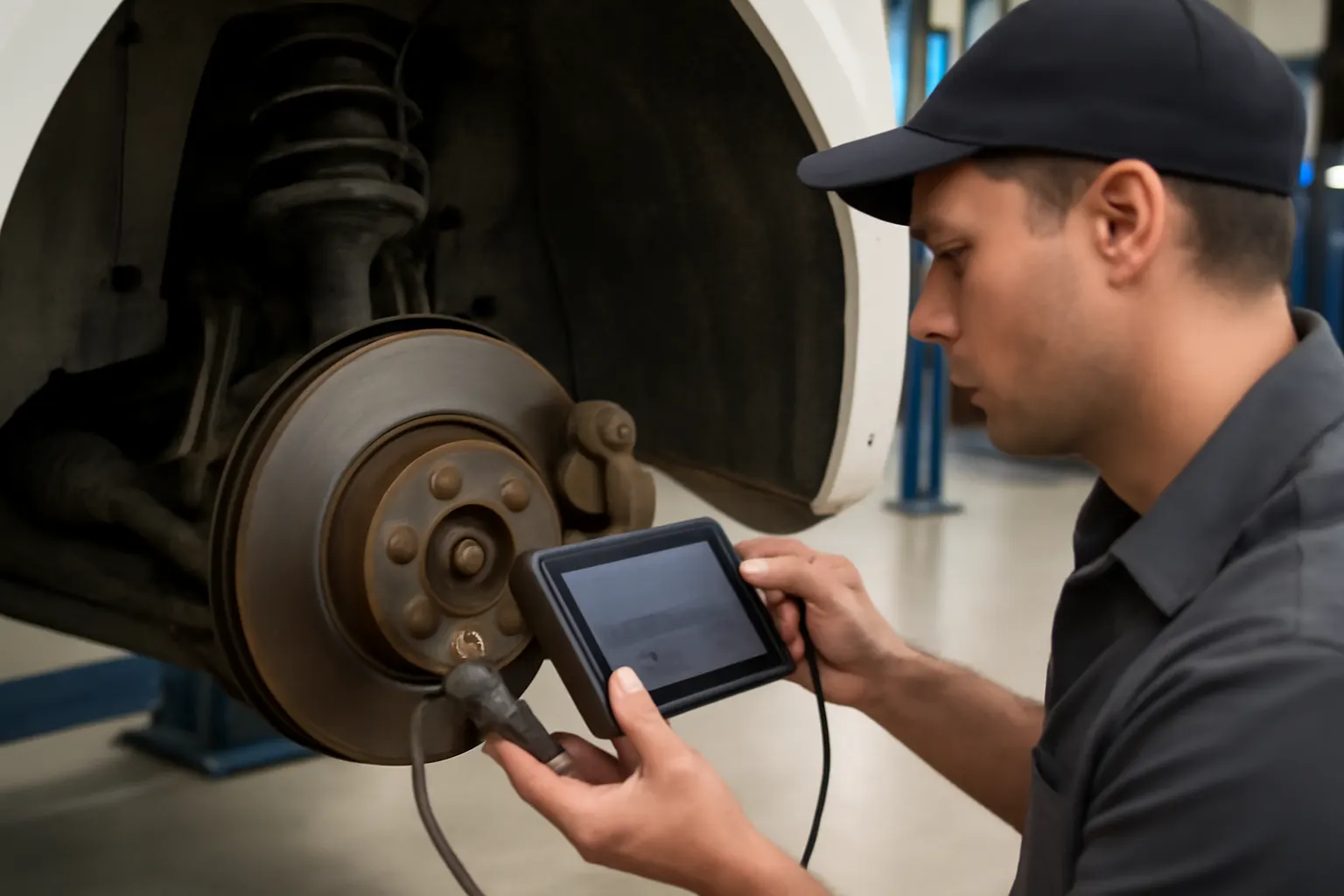
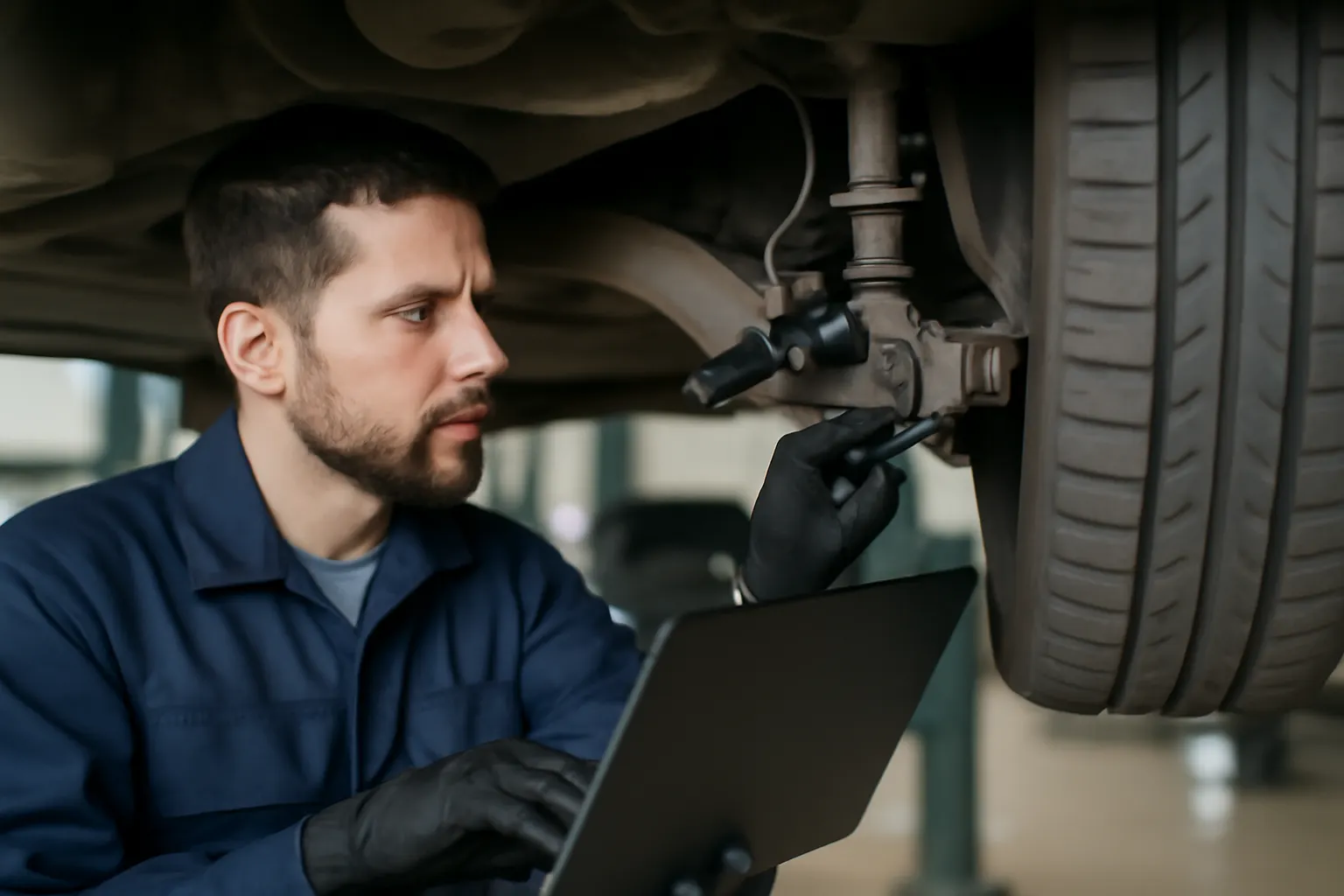
Diagnosing suspension sensor issues requires a systematic approach, as these components are now deeply integrated with vehicle electronics.
Step-by-Step Diagnostic Approach
-
Visual Inspection:
Check sensor mounting locations for corrosion, broken connectors, damaged wiring, or physical impacts. -
Scan for DTCs:
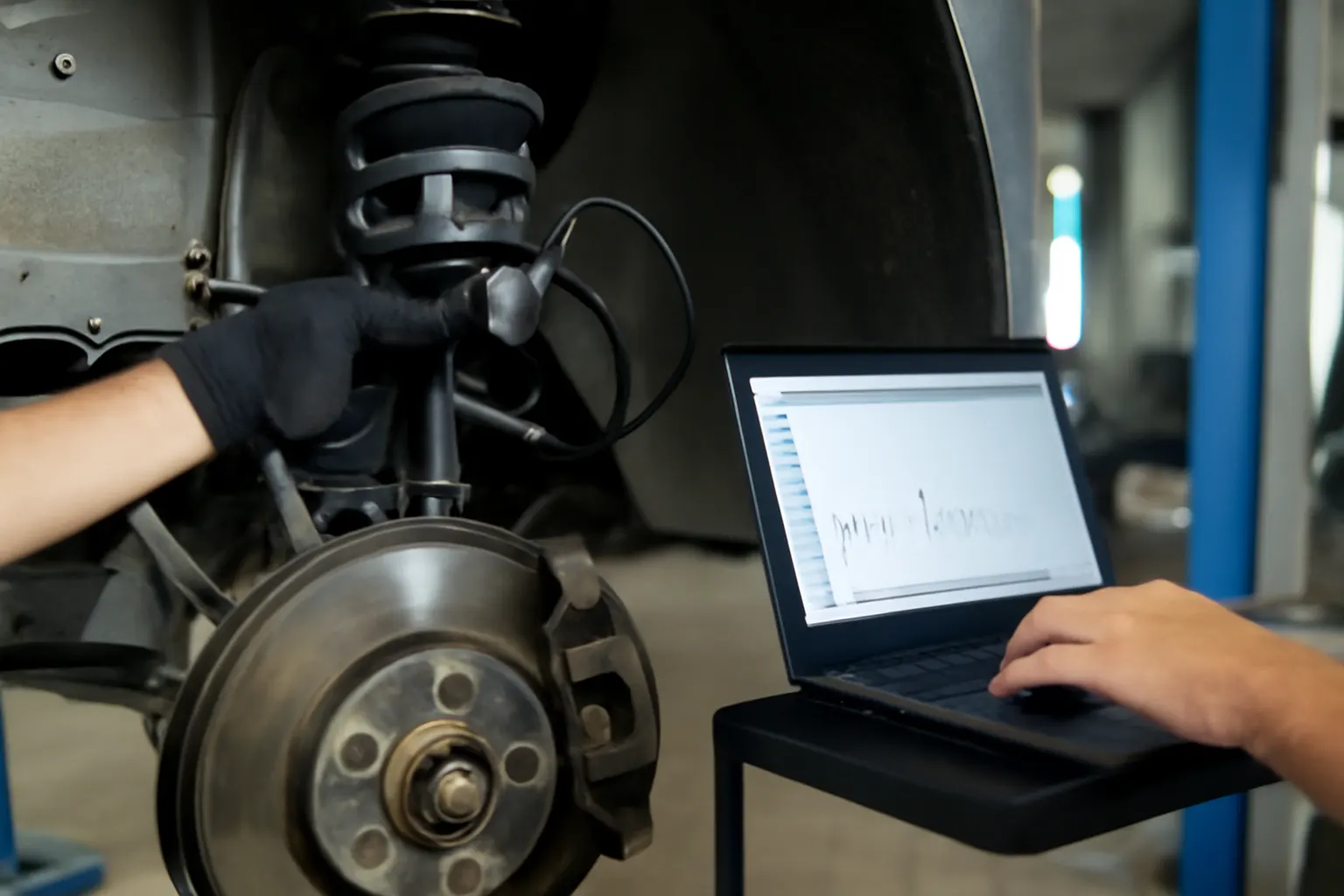
Use an OBD-II or manufacturer-specific scan tool to retrieve chassis and suspension-related codes. Pay attention to codes referencing “ride height,” “accelerometer,” or “damper position.” -
Sensor Output Verification:
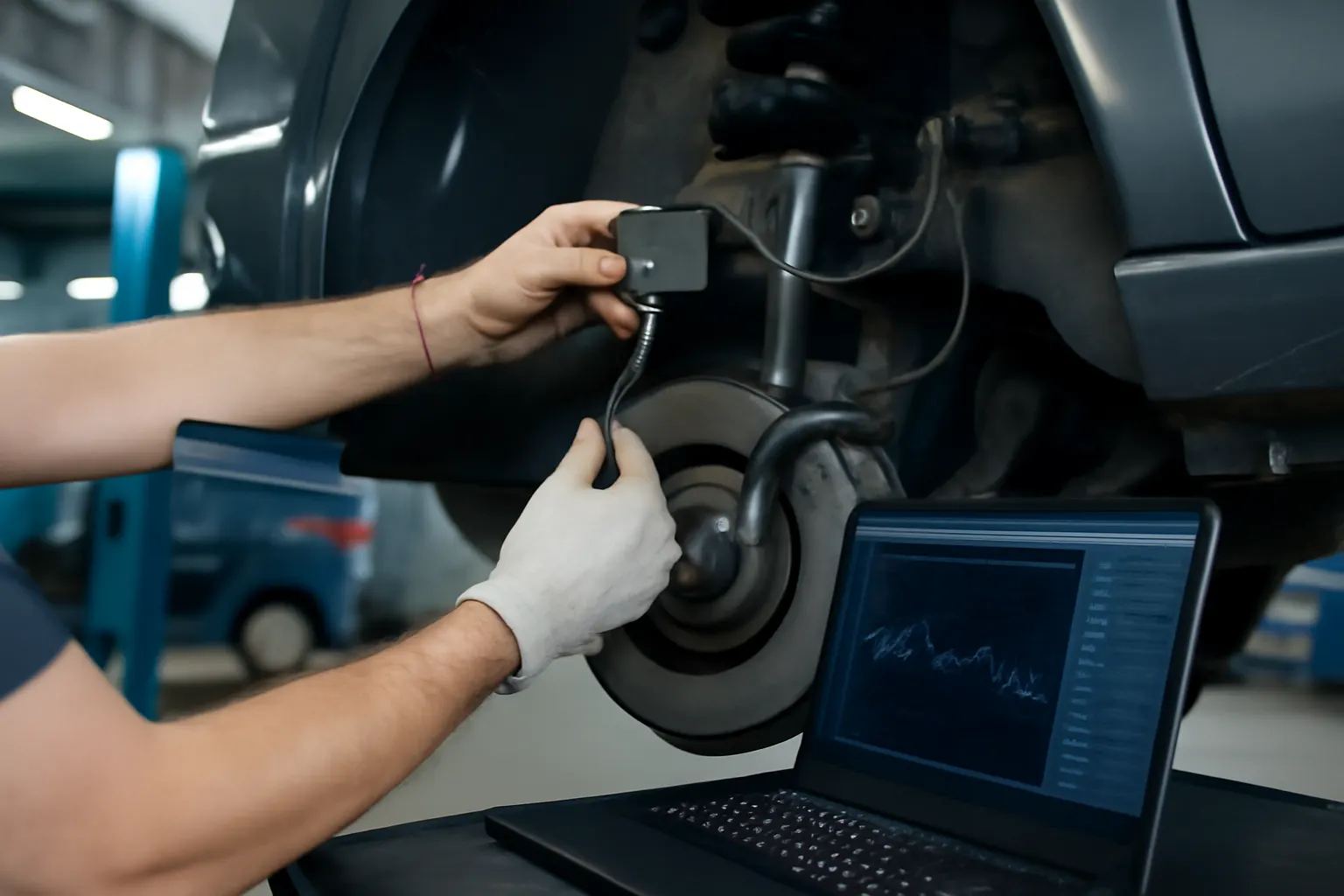
With the appropriate scan tool, monitor real-time sensor data while manipulating the suspension (e.g., bouncing the car or adjusting ride height settings). Look for erratic or non-responsive readings. -
Circuit Testing:
Use a multimeter to check for proper voltage supply, ground, and sensor signal continuity. -
Compare Baseline Values:
Reference the manufacturer’s specifications for normal sensor output ranges. -
Test by Substitution:
If possible, swap suspected faulty sensors with known good units to confirm diagnosis. -
Check for Related Module Faults:
Sometimes, the issue may lie within the control module or its software, not the sensor itself.
For a detailed breakdown of diagnostic procedures, see our in-depth guide: How to Diagnose Chassis Sensor Failures.
Installation and Replacement: Best Practices
Replacing modern suspension sensors is more involved than swapping out a mechanical part. Follow these best practices to ensure reliable operation and system calibration:
Preparation
-
Obtain the Correct Part:
Use the vehicle’s VIN and consult OEM parts diagrams. Suspension sensors are often model- and trim-specific. -
Gather Proper Tools:
Most sensors require Torx, Allen, or specialized sockets. A scan tool is essential for post-installation calibration.
Removal
-
Disconnect the Battery:
Prevents accidental short circuits or triggering airbag systems. -
Access the Sensor:
Remove wheel and inner fender liners if necessary. Take care not to damage adjacent wiring or connectors. -
Unplug and Remove:
Gently disconnect the electrical connector and unbolt the sensor.
Installation
-
Install New Sensor:
Mount the sensor securely and torque fasteners to specification. -
Reconnect Harness:
Ensure connectors are free of corrosion and fully seated. -
Calibrate the System:
Many vehicles require a scan tool calibration or “zero-point” reset after sensor replacement. Follow OEM procedures.
Post-Installation
- Clear Codes and Test:
Erase any stored fault codes and test drive the vehicle. Monitor sensor data to confirm proper function.
Maintenance and Longevity of Suspension Sensors
While suspension sensors are designed for the life of the vehicle, their exposed location means proactive maintenance can extend their service life.
Maintenance Tips
-
Regular Inspections:
During routine service, visually inspect sensors and wiring for damage or corrosion. -
Keep Connectors Clean:
Road salt and moisture can infiltrate connectors. Apply dielectric grease to terminals where appropriate. -
Protect From Impact:
Avoid off-road driving or debris that could physically damage sensors, especially ride height sensors mounted near control arms. -
Monitor Software Updates:
Some sensor-related issues can be resolved with ECU software updates, improving sensor compatibility and function. -
Address Warning Lights Promptly:
Don’t ignore dashboard warnings—early intervention can prevent cascading system failures.
Sourcing the Right Suspension Sensor for Your Vehicle
With the proliferation of sensor types and vehicle-specific calibrations, sourcing the correct replacement sensor is more critical than ever.
Buying Checklist
-
Match by VIN:
Always verify the sensor’s part number using your vehicle’s VIN to avoid compatibility issues. -
Choose Quality:
Opt for OEM or reputable aftermarket brands that meet or exceed SAE Standards. -
Check for Recalls:
Before purchasing, consult the NHTSA recall database to ensure the part is not subject to a recall. -
Verify Return Policy:
Given the complexity and cost of modern sensors, ensure the seller offers a clear return or exchange policy.
For a broad selection of chassis electrical and suspension sensors, explore our chassis electrical parts category.
The Role of Suspension Sensors in Safety and Performance
Suspension sensors are more than comfort enhancers—they are core safety components. The National Highway Traffic Safety Administration (NHTSA) recognizes the role of advanced chassis technology in reducing crash risks and improving occupant protection.
Key Safety and Performance Benefits
-
Shorter Braking Distances:
Adaptive suspension can optimize tire contact and weight distribution for improved braking under emergency conditions. -
Enhanced Stability:
Real-time adjustments to damping and ride height keep the vehicle stable during evasive maneuvers. -
Improved Fuel Efficiency:
By maintaining optimal ride height and reducing aerodynamic drag, active suspensions can contribute to better fuel economy (DOE Fuel Efficiency). -
Support for ADAS:
Accurate sensor data is essential for the correct operation of lane keeping, automatic emergency braking, and other driver aids.
Troubleshooting: Common Pitfalls and How to Avoid Them
Even experienced technicians can encounter challenges when working with modern suspension sensors. Here are some of the most common pitfalls and how to avoid them:
-
Skipping Calibration:
After sensor replacement, always perform the required calibration or zero-point reset. Failure to do so can result in persistent warning lights or erratic suspension behavior. -
Ignoring Wiring Issues:
Many sensor faults are due to corroded or broken wiring, not the sensor itself. Always inspect and test wiring harnesses before replacing components. -
Mixing Sensor Types:
Even within the same model year, suspension systems may use different sensor designs. Always match part numbers and physical characteristics. -
Overlooking Software Updates:
Aftermarket scan tools may not always detect the need for ECU software updates. Consult OEM technical service bulletins (TSBs) when troubleshooting persistent issues.
For an in-depth look at the consequences of ride height sensor failure, see The Hidden Impact of Faulty Ride Height Sensors.
Integration with Advanced Driver Assistance Systems (ADAS)
As vehicles become more autonomous, the interplay between suspension sensors and ADAS grows. Many ADAS features, such as adaptive cruise control, lane centering, and automatic emergency braking, rely on precise vehicle attitude and dynamics data provided by suspension sensors.
Why Precision Matters
-
Sensor Alignment:
Incorrect ride height or body roll data can skew the calibration of radar, lidar, and camera-based systems, potentially leading to false warnings or system deactivation. -
Dynamic Adjustments:
Suspension sensors enable real-time compensation for load and road conditions, ensuring ADAS features remain accurate and effective. -
Regulatory Compliance:
As safety standards evolve, sensor integration will be subject to stricter oversight, making proper maintenance and calibration even more important.
The Future of Suspension Sensors: Trends and Innovations
Suspension sensor technology continues to evolve, with new innovations on the horizon:
-
Solid-State Sensors:
MEMS (Micro-Electro-Mechanical Systems) accelerometers and gyroscopes offer improved reliability and smaller package sizes. -
Wireless Sensors:
Emerging wireless technologies may reduce wiring complexity and improve sensor placement flexibility. -
Predictive Suspension:
Integration with forward-looking cameras and radar allows suspension systems to “read” the road ahead and preemptively adjust damping. -
Self-Diagnosing Systems:
Future sensors may include built-in diagnostics, alerting drivers to impending failures before symptoms arise.
These advancements will place even greater emphasis on the need for high-quality parts, skilled installation, and ongoing maintenance.
AutoPartEx: Your Partner in Chassis Sensor Solutions
At AutoPartEx, we understand the critical role suspension sensors play in modern vehicles. Our technical resources, curated parts catalogs, and expert support help you navigate the complexity of diagnostics, replacement, and system integration.
-
Comprehensive Catalog:
From ride height sensors to advanced accelerometers, we offer OEM and premium aftermarket options for a wide range of vehicles. -
Technical Guidance:
Our editorial team provides step-by-step guides, troubleshooting checklists, and fitment advice to ensure your repair or upgrade is a success. -
Quality Assurance:
Every part in our catalog is vetted for compatibility and compliance with the latest industry standards.
For more detailed technical guides and to browse our complete selection, visit our Sensor (Chassis, Misc): Diagnostics, Replacement & Technical Guide.
Conclusion: The Importance of Suspension Sensor Mastery
Mastery of modern suspension sensor technology is no longer optional for vehicle owners, technicians, or enthusiasts. As the backbone of ride quality, safety, and advanced driving features, these sensors demand careful attention in diagnostics, sourcing, installation, and maintenance. With the right knowledge and resources—such as those provided by AutoPartEx—you can ensure your vehicle delivers the performance, comfort, and safety that today’s technology promises.