The Evolution of Chassis Sensor Technology
Chassis sensor technology has fundamentally reshaped the automotive landscape over the past three decades. From the first wheel speed sensors enabling anti-lock braking systems (ABS) to the sophisticated multi-axis accelerometers and yaw rate sensors driving today’s advanced driver-assistance systems (ADAS), these innovations have made vehicles safer, more responsive, and more efficient. For drivers, technicians, and fleet managers, understanding the rapid evolution of chassis sensors is essential—not just for appreciating the leap in safety and ride quality, but for making informed decisions about diagnostics, repairs, and upgrades. For a comprehensive look at sensor types and selection, see Sensor (Chassis, Misc): Comprehensive Chassis Sensor Selection & Diagnostics | AutoPartEx.
The Immediate Impact: How Chassis Sensors Changed the Game
Chassis sensors first entered the mainstream with the widespread adoption of ABS in the late 1980s and early 1990s. Their immediate impact was dramatic: vehicles could maintain steering control during hard braking, drastically reducing accident rates in adverse conditions. As technology advanced, these sensors became the backbone of electronic stability control (ESC), traction control, and integrated ride management systems, each building on the real-time data provided by an expanding array of sensors.
Today, a modern vehicle’s chassis sensor suite includes:
- Wheel speed sensors
- Yaw rate and lateral acceleration sensors
- Steering angle sensors
- Ride height and load sensors
- Tire pressure monitoring sensors (TPMS)
- Suspension position and damper control sensors
These components work together, enabling not only core safety functions but also adaptive suspension, torque vectoring, and semi-autonomous driving features. The result: vehicles that are safer, more predictable, and more comfortable than ever before.
The Hidden Problem: Complexity and the Cost of Progress
While sensor technology has unlocked remarkable gains in safety and performance, it has also introduced new challenges. Modern vehicles can contain dozens of chassis-related sensors, each critical to the operation of safety systems. As sensor networks grow more complex, so do the risks associated with sensor failure, miscalibration, or incompatibility—issues that can be difficult to diagnose and expensive to repair.
For technicians and DIYers, this means that traditional mechanical troubleshooting is no longer sufficient. Specialized diagnostic equipment, up-to-date technical information, and a thorough understanding of sensor integration are now must-haves in the shop or garage. Additionally, the proliferation of sensors has led to an increase in manufacturer recalls related to sensor faults, as detailed by the National Highway Traffic Safety Administration’s recall database.
The Technical Expansion: Key Milestones in Chassis Sensor Evolution
The Rise of ABS and Initial Sensor Integration
The first generation of chassis sensors focused on wheel speed detection for anti-lock braking. Early systems relied on simple magnetic pickups and toothed reluctor rings. These sensors provided binary information—was the wheel turning or not?—enabling the first ABS controllers to modulate brake pressure and prevent lockup.
From ABS to ESC: Advanced Sensing for Stability
The late 1990s and early 2000s saw the integration of gyroscopic and accelerometer-based sensors. These provided real-time data on vehicle yaw, lateral acceleration, and pitch, allowing for the birth of electronic stability control (ESC). ESC systems could now detect and correct skids, rollovers, and oversteer/understeer situations by selectively braking individual wheels and adjusting engine torque.
Ride Dynamics: Adaptive Suspension and Body Control
By the mid-2000s, chassis sensors were being used to actively manage ride quality and handling. Suspension position sensors, ride height sensors, and damper control modules allowed for adaptive suspension systems that could adjust stiffness and damping on the fly. This not only improved comfort but also enhanced safety by maintaining optimal tire contact and minimizing body roll during aggressive maneuvers.
The Era of Integration: Chassis Sensors and ADAS
Today, chassis sensors are tightly integrated with ADAS features such as lane keeping assist, automatic emergency braking, and adaptive cruise control. These systems rely on a fusion of data from wheel speed, steering angle, yaw rate, and external sensors (like radar and cameras) to maintain vehicle stability and trajectory under a wide range of conditions.
The Underlying Challenge: Diagnosing Chassis Sensor Failures
As the role of chassis sensors has grown, so too has the complexity of diagnosing sensor-related issues. Unlike purely mechanical failures, sensor faults often present as intermittent or ambiguous warning lights, stability control interventions, or degraded ride quality. Complicating matters further, a single failed sensor can disable multiple safety systems.
Common Symptoms of Chassis Sensor Malfunction
- ABS, ESC, or traction control warning lights
- Unexplained stability control activations
- Reduced ride comfort or adaptive suspension errors
- Inconsistent steering response
- Diagnostic trouble codes (DTCs) related to wheel speed, yaw, or ride height
The Diagnostic Process
Accurate diagnosis requires a systematic approach:
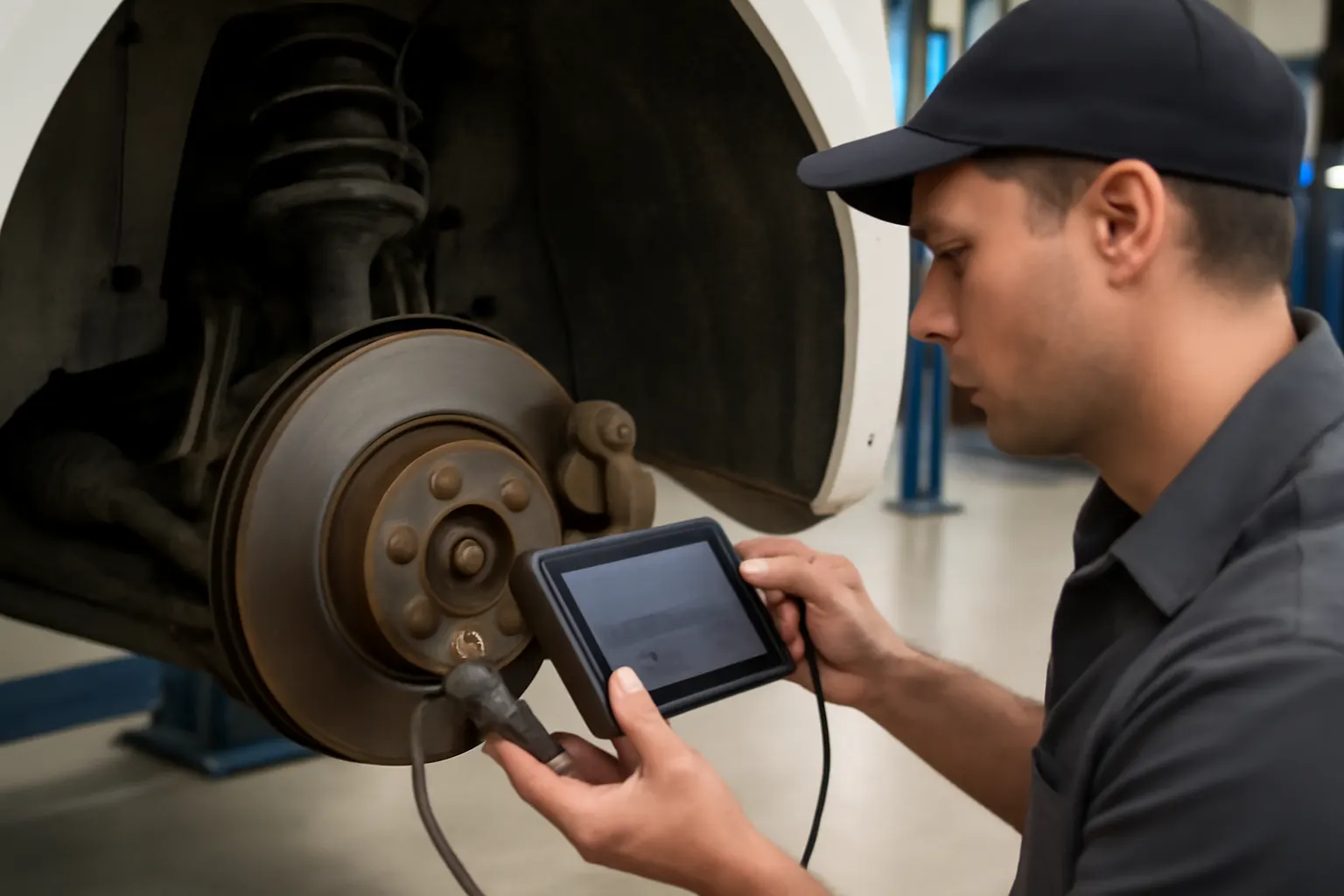
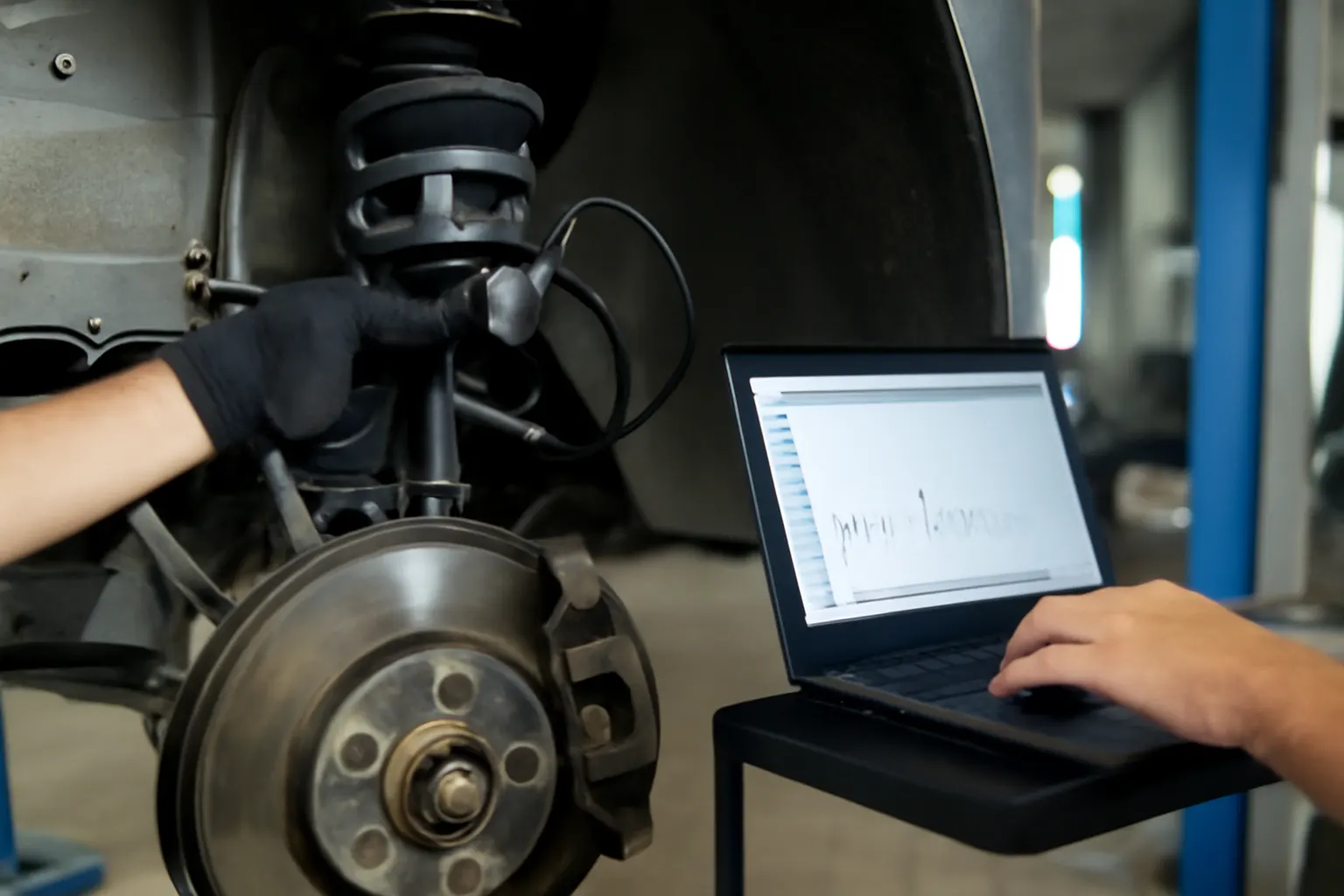
- Scan for DTCs: Use an advanced scan tool to retrieve codes from the ABS, ESC, and suspension modules.
- Visual Inspection: Check sensor wiring, connectors, and mounting points for damage or corrosion.
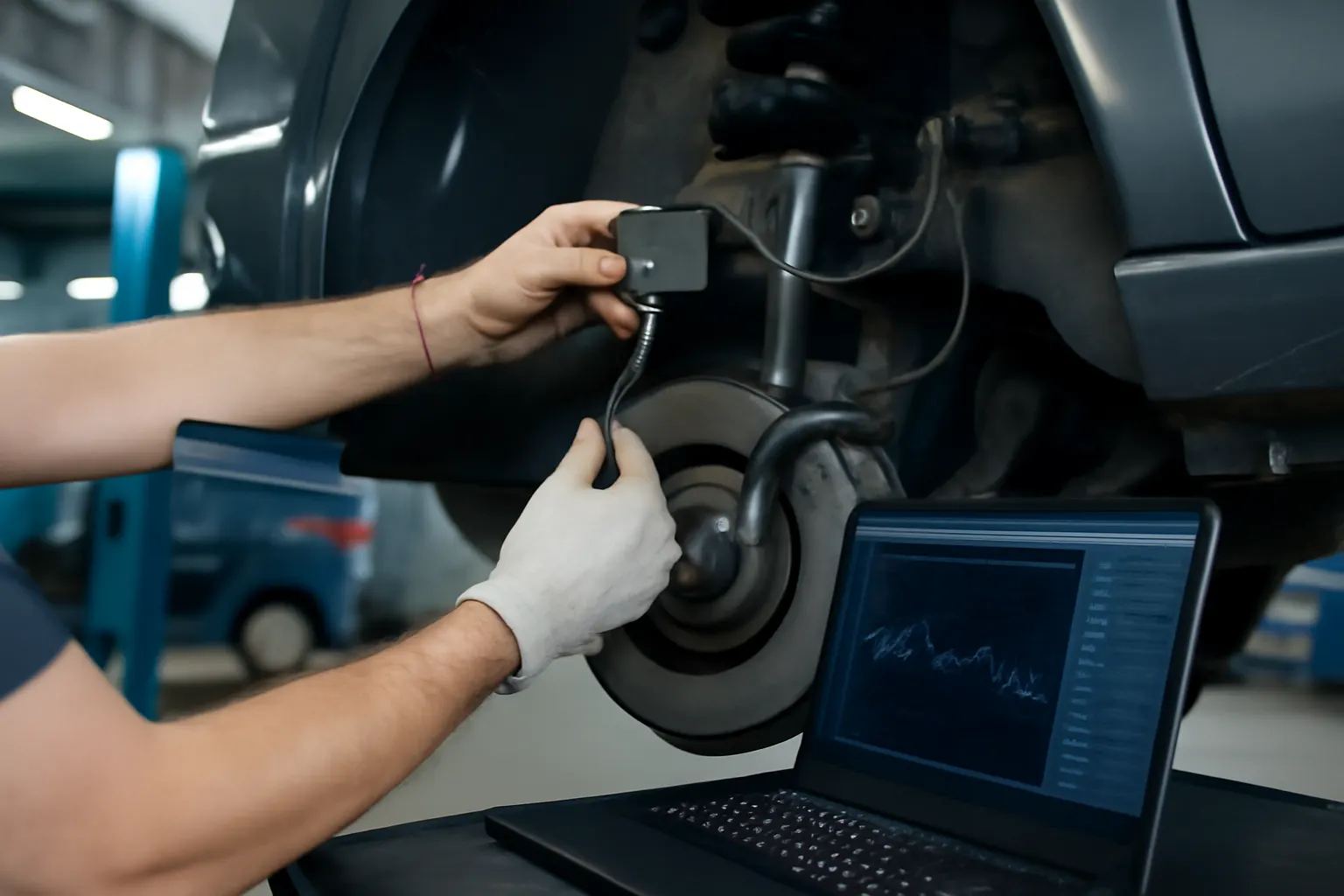
- Live Data Monitoring: Compare real-time sensor outputs to identify outliers or dead sensors.
- Functional Testing: Perform road tests or use manufacturer-specific procedures to verify sensor operation under load.
For a step-by-step guide, see How to Diagnose ABS & Chassis Sensor Failures.
Sensor Reliability and Safety: The Recall Connection
Sensor failures are not just an inconvenience—they can have direct safety implications. The NHTSA tracks recalls related to sensor faults, which can affect everything from ABS and ESC function to ride height and air suspension performance. According to the NHTSA Equipment database, sensor-related recalls are among the most common for modern vehicles, often triggered by water intrusion, faulty solder joints, or software errors.
What Triggers a Sensor Recall?
- High failure rates in the field
- Safety-critical systems disabled by sensor faults
- Non-compliance with federal safety standards
- Potential for unintended vehicle behavior (e.g., loss of stability control)
Staying Ahead of Recalls
Owners and technicians should regularly check for open recalls using the NHTSA recall lookup tool. Addressing sensor recalls promptly is critical for vehicle safety and regulatory compliance.
The Materials Revolution: Lighter, Smarter, More Durable Sensors
Sensor housings and mounting points have evolved alongside the sensors themselves. Early designs used metal or basic plastics, but modern sensors often leverage advanced composite materials for reduced weight and improved environmental resistance. According to the Department of Energy’s Materials Technologies program, lightweight and corrosion-resistant sensor mounts contribute to overall vehicle efficiency and longevity.
Key Advances in Sensor Materials
- Thermoplastics and composites: Reduce weight and improve vibration resistance.
- Potting compounds: Protect sensitive electronics from moisture and chemicals.
- Shielded cabling: Minimizes electromagnetic interference, crucial as vehicles become more electrified.
These advances not only improve sensor reliability but also support the broader push for fuel efficiency and reduced emissions, as documented by the DOE’s Fuel Efficiency resources.
The Integration Challenge: OEM vs. Aftermarket Sensors
With the proliferation of sensors, the replacement parts market has grown more complex. The choice between OEM and aftermarket chassis sensors is not always straightforward. Compatibility, calibration, and quality assurance are major concerns.
OEM Sensors: The Gold Standard
- Designed to exact manufacturer specifications
- Guaranteed compatibility with vehicle control modules
- Often required for warranty and compliance
Aftermarket Sensors: Cost-Effective, but Buyer Beware
- Lower cost, but variable quality and fitment
- May require additional calibration or programming
- Risk of compatibility issues with advanced systems
For an in-depth comparison, see OEM vs. Aftermarket Chassis Sensors: What Matters Most?.
Installation and Calibration: Getting It Right the First Time
Replacing a chassis sensor is rarely a simple “plug-and-play” operation. Most modern sensors require precise installation and, in many cases, post-installation calibration to ensure proper system function.
Installation Checklist for Chassis Sensors
- Verify Part Number: Ensure the sensor matches your vehicle’s year, make, model, and system requirements.
- Inspect Mounting Points: Clean and inspect sensor seats and fasteners for corrosion or damage.
- Torque to Spec: Use a torque wrench to avoid overtightening or under-tightening.
- Route Wiring Carefully: Follow OEM routing paths to prevent chafing or interference.
- Perform Calibration: Use a scan tool to initiate sensor calibration or “relearn” procedures as specified by the manufacturer.
- Test Drive: Confirm system operation and check for any warning lights or DTCs.
Failure to properly calibrate a new sensor can lead to persistent warning lights, degraded system performance, or even unintended vehicle behavior.
Maintenance and Longevity: Extending Sensor Service Life
While many chassis sensors are designed to last the life of the vehicle, real-world conditions—moisture, road salt, vibration, and thermal cycling—can take their toll. Proactive maintenance can help catch issues before they lead to system failures.
Maintenance Tips
- Regular Inspections: Include sensor wiring and connectors in routine underbody inspections.
- Protect Against Corrosion: Apply dielectric grease to connectors where appropriate.
- Monitor for Symptoms: Don’t ignore warning lights or changes in ride/handling—address them promptly.
- Software Updates: Ensure control modules are running the latest firmware, as updates may improve sensor integration and fault tolerance.
The Future: Chassis Sensors and the Path to Autonomy
As vehicles move toward higher levels of autonomy, the role of chassis sensors will only grow. Next-generation systems will rely on even more precise sensor data to enable features like active lane centering, adaptive ride control, and real-time vehicle-to-vehicle (V2V) communication.
Emerging trends include:
- Sensor fusion: Combining data from multiple sensor types (e.g., lidar, radar, inertial) for robust situational awareness.
- Self-diagnosing sensors: Built-in health monitoring to detect drift, failure, or tampering.
- Wireless sensor networks: Reducing wiring complexity and enabling more flexible vehicle architectures.
Manufacturers and suppliers are working closely with standards bodies such as SAE International to ensure interoperability and safety as these new technologies come online.
Real-World Case Studies: Diagnosing Complex Chassis Sensor Faults
Sensor faults are not always straightforward. Intermittent ABS warnings, for example, may stem from wiring damage, sensor misalignment, or even control module issues. Detailed diagnostic case studies, such as those found in Real-World Case Studies: Diagnosing Intermittent ABS Faults, illustrate the importance of methodical troubleshooting and the value of up-to-date service information.
Sourcing the Right Chassis Sensors: What to Look For
When sourcing replacement chassis sensors, consider the following:
- Compatibility: Double-check fitment using your vehicle’s VIN and system details.
- Supplier Reputation: Choose reputable brands or certified aftermarket suppliers.
- Warranty: Look for parts with solid warranty coverage.
- Technical Support: Access to installation guides and technical assistance can be invaluable.
- Return Policy: In case of fitment or quality issues, ensure you can return the part.
For a curated selection of chassis sensors and electronics, visit chassis electronics parts.
The AutoPartEx Advantage: Your Source for Chassis Sensor Solutions
At AutoPartEx, we understand that the evolution of chassis sensors has made vehicle maintenance more complex—but also more rewarding. Our mission is to provide the most comprehensive selection of sensors, technical resources, and expert guidance available. Whether you’re a professional technician, a fleet manager, or a dedicated DIYer, our curated catalog and diagnostic support will help you navigate the challenges of modern chassis electronics.
Explore our full range of Sensor (Chassis, Misc): Comprehensive Chassis Sensor Selection & Diagnostics | AutoPartEx to find the right parts for your application, along with in-depth guides and troubleshooting resources.
Expert Action: Staying Ahead in the Age of Advanced Chassis Sensors
As sensor technology continues to evolve, staying current is essential. Here’s how to keep your skills and your vehicles up to date:
- Invest in Diagnostic Tools: Modern scan tools are essential for reading codes, viewing live data, and performing calibrations.
- Stay Informed: Regularly review manufacturer service bulletins and recall notices.
- Follow Best Practices: Use OEM procedures for installation and calibration.
- Train Continuously: Attend workshops and online courses on new chassis technologies.
- Partner with Trusted Suppliers: Source parts from reputable vendors like AutoPartEx for guaranteed fitment and support.
By embracing continuous learning and leveraging the right resources, you can ensure that your vehicles remain safe, reliable, and at the cutting edge of ride and handling technology.
References
- Vehicle Safety and Equipment – National Highway Traffic Safety Administration
- Vehicle, Car Seat, Tire, and Equipment Recalls – National Highway Traffic Safety Administration
- Fuel Efficiency – United States Department of Energy
- Materials Technologies – United States Department of Energy
- SAE Standards – SAE International