Real-World Case Studies: Diagnosing Intermittent ABS Faults
Intermittent Anti-lock Braking System (ABS) faults are among the most challenging issues faced by technicians and DIYers alike. This article provides practical, real-world case studies from the service bay, highlighting the most common chassis sensor failures and proven repair solutions. If you're troubleshooting elusive ABS warnings, this guide delivers actionable diagnostic steps, repair strategies, and expert insights—backed by industry standards and safety recommendations. For a broader look at sensor selection and diagnostics, refer to our Sensor (Chassis, Misc): Comprehensive Chassis Sensor Selection & Diagnostics hub.
Why ABS Faults Are So Often Intermittent
ABS faults that appear, disappear, and reappear can be infuriating for vehicle owners and technicians. Unlike hard failures (such as a completely severed wire or dead module), intermittent faults are typically triggered only under specific conditions—temperature, vibration, humidity, or even certain driving maneuvers.
Immediate Answer:
Most intermittent ABS faults are caused by marginal connections, sensor degradation, or wiring harness issues that only manifest under particular circumstances. Correctly diagnosing and repairing these faults requires systematic inspection, data analysis, and sometimes, creative troubleshooting.
Hidden Problem: The Complexity of Modern Chassis Sensor Networks
Modern vehicles rely on an intricate network of chassis sensors—including wheel speed sensors, yaw rate sensors, and brake pressure sensors—to feed real-time data to the ABS module. An intermittent failure in any part of this network can trigger ABS warnings, impact safety features, and even affect fuel efficiency and stability control.
The Hidden Issue:
Because these networks are interconnected, a single faulty sensor or corroded connector can generate misleading codes, making root cause analysis especially difficult.
Case Study 1: The Elusive Wheel Speed Sensor Fault
Scenario
A 2017 crossover SUV arrives at the shop with a sporadic ABS warning light. The driver notices it only appears after driving for 10–15 minutes, especially on rainy days. No noticeable braking issues are reported. Initial scan tool diagnostics reveal a stored code for the right rear wheel speed sensor—yet live data shows plausible readings.
Diagnostic Approach
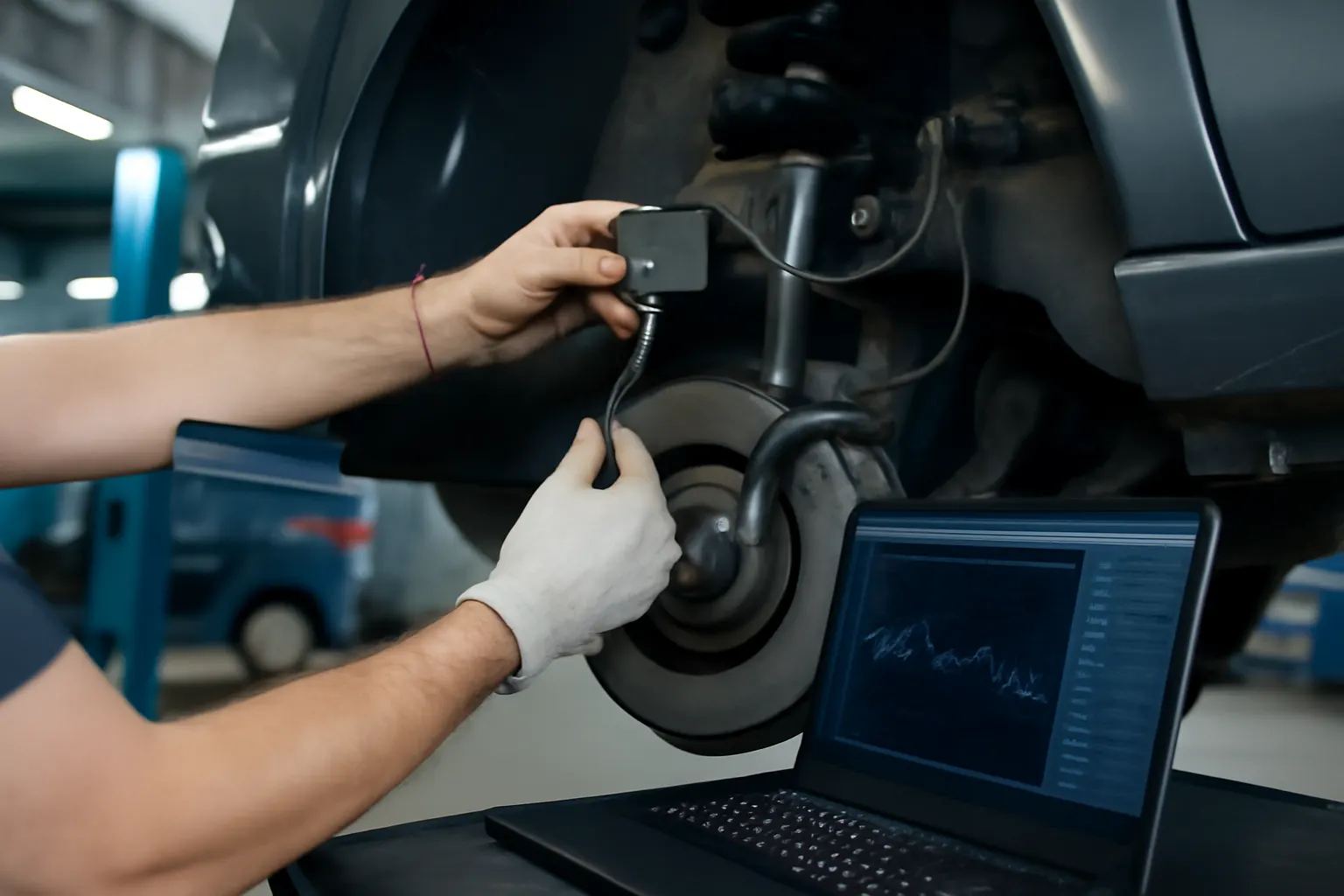
- Visual Inspection: Technician inspects the right rear speed sensor and finds no obvious damage or debris.
- Wiring Harness Check: Upon flexing the harness, the ABS light flickers. Further inspection reveals green corrosion at the connector, hidden beneath a layer of road grime.
- Thermal Testing: With the vehicle elevated, a heat gun is used to warm the sensor and wiring; the fault becomes active again.
Solution
The corroded connector is replaced, and the harness is sealed with dielectric grease. The fault does not return—even after repeated thermal cycling and road testing.
Lessons Learned
- Moisture ingress is a prime cause of intermittent ABS faults.
- Corrosion may not be visible externally; always inspect connectors closely.
- Simulating conditions (heat, moisture, vibration) can help reproduce elusive faults.
Case Study 2: ABS Warning After Suspension Work
Scenario
A 2015 sedan returns to a shop three days after rear strut replacement, reporting an intermittent ABS and traction control warning. The warning appears only after hitting bumps or making sharp turns.
Diagnostic Approach
- Code Retrieval: Multiple codes for rear left wheel speed sensor signal loss.
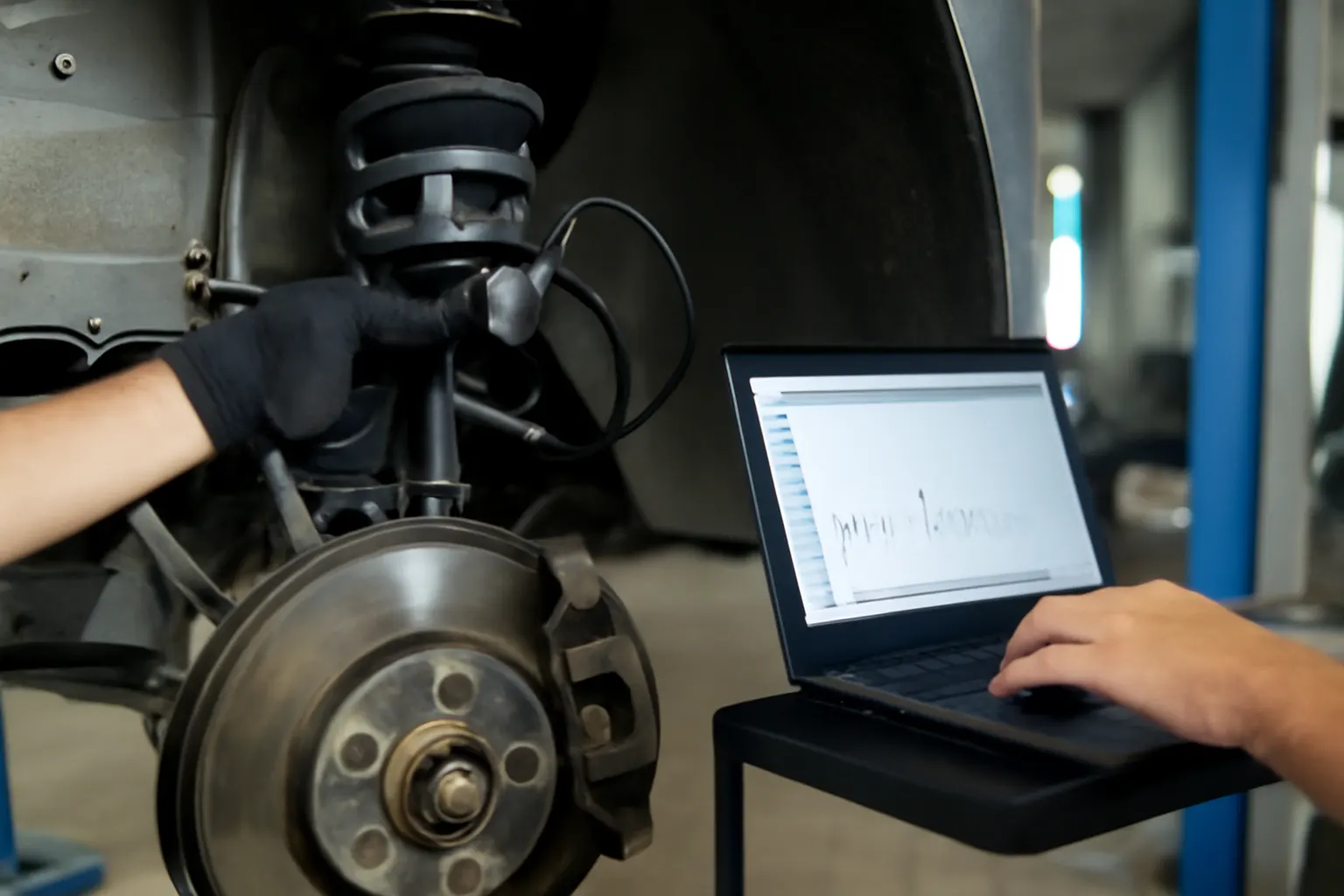
- Physical Inspection: Technician finds the sensor wire stretched taut, routed incorrectly during the strut replacement.
- Wiggle Test: Moving the harness replicates the fault instantly.
Solution
The harness is rerouted with proper slack, and damaged insulation is repaired. A follow-up scan confirms no further codes.
Lessons Learned
- Post-suspension work, always check sensor wiring routing and slack.
- Harnesses must be secured to avoid being pinched, stretched, or chafed during chassis movement.
- Even minor misrouting can cause intermittent faults that only appear under specific suspension articulation.
Case Study 3: Intermittent ABS Activation at Low Speed
Scenario
A 2012 pickup exhibits occasional ABS activation at speeds below 10 mph, especially when coming to a stop. No warning lights are present, but the driver describes "grinding" pedal feedback.
Diagnostic Approach
- Live Data Analysis: Technician monitors wheel speed sensor outputs and notes a sudden drop to zero on the left front sensor below 10 mph.
- Physical Inspection: The sensor appears clean, but the tone ring (reluctor) shows minor surface rust and a tiny crack.
- Oscilloscope Testing: Confirms inconsistent signal amplitude from the affected sensor.
Solution
The tone ring is replaced, and the sensor mounting surface is cleaned of rust and debris. The issue is resolved.
Lessons Learned
- ABS can activate erroneously if a wheel speed sensor signal is corrupted at low speeds.
- Tone rings (reluctors) are critical—rust, cracks, or missing teeth can cause intermittent signals.
- Oscilloscope testing is invaluable for catching brief or low-amplitude dropouts.
The Technical Depth: How Intermittent ABS Faults Impact Safety and Performance
Intermittent ABS faults are not just a nuisance—they can compromise vehicle safety, especially in emergency braking scenarios. According to the National Highway Traffic Safety Administration, ABS is a core safety feature, and any malfunction can affect stopping distances and vehicle control.
Additionally, modern ABS systems are integrated with traction control, electronic stability control (ESC), and advanced driver-assistance systems (ADAS). An intermittent sensor signal can disable these features or cause unpredictable behavior.
Key Technical Risks:
- Loss of ABS Functionality: Even a brief sensor dropout can deactivate ABS, reverting to standard braking.
- False Activation: Corrupted signals can cause unwanted ABS intervention, increasing stopping distances.
- System Interdependence: A single sensor fault may trigger multiple warning lights and disable related safety systems.
Common Root Causes of Intermittent ABS Sensor Faults
Drawing from real-world service data, the following issues are most often responsible for elusive ABS warnings:
- Connector Corrosion: Moisture intrusion leads to intermittent electrical contact.
- Sensor Degradation: Age, debris, or impact damage causes erratic sensor output.
- Wiring Harness Damage: Chafing, stretching, or pinching during repairs or accidents.
- Tone Ring Issues: Rust, cracks, or missing teeth disrupt sensor signals.
- Improper Installation: Sensors not fully seated, incorrect air gap, or misalignment.
- Thermal Effects: Expansion/contraction of components under temperature changes.
- Vibration-Induced Failures: Loose connectors or fatigued wires.
Diagnostic Checklist: Systematic Steps for Intermittent ABS Faults
A structured approach can save hours of guesswork. Use this checklist to guide your diagnosis:
| Step | Action |
|---|---|
| 1 | Retrieve and record all ABS-related trouble codes. |
| 2 | Review freeze-frame and live data for sensor anomalies. |
| 3 | Perform a thorough visual inspection of sensors, wiring, and connectors. |
| 4 | Flex and manipulate harnesses while monitoring live data (wiggle test). |
| 5 | Inspect connectors for corrosion, moisture, or loose pins. |
| 6 | Check sensor mounting and air gap; clean sensor tips if necessary. |
| 7 | Examine tone rings for rust, cracks, or missing teeth. |
| 8 | Use a heat gun or cold spray to simulate temperature extremes. |
| 9 | Where possible, use an oscilloscope to check signal integrity. |
| 10 | Verify correct sensor routing and harness slack, especially after suspension work. |
| 11 | Clear codes and test drive under varying conditions to confirm repair. |
Advanced Diagnostic Tools and Techniques
Diagnostic Scanners and Live Data
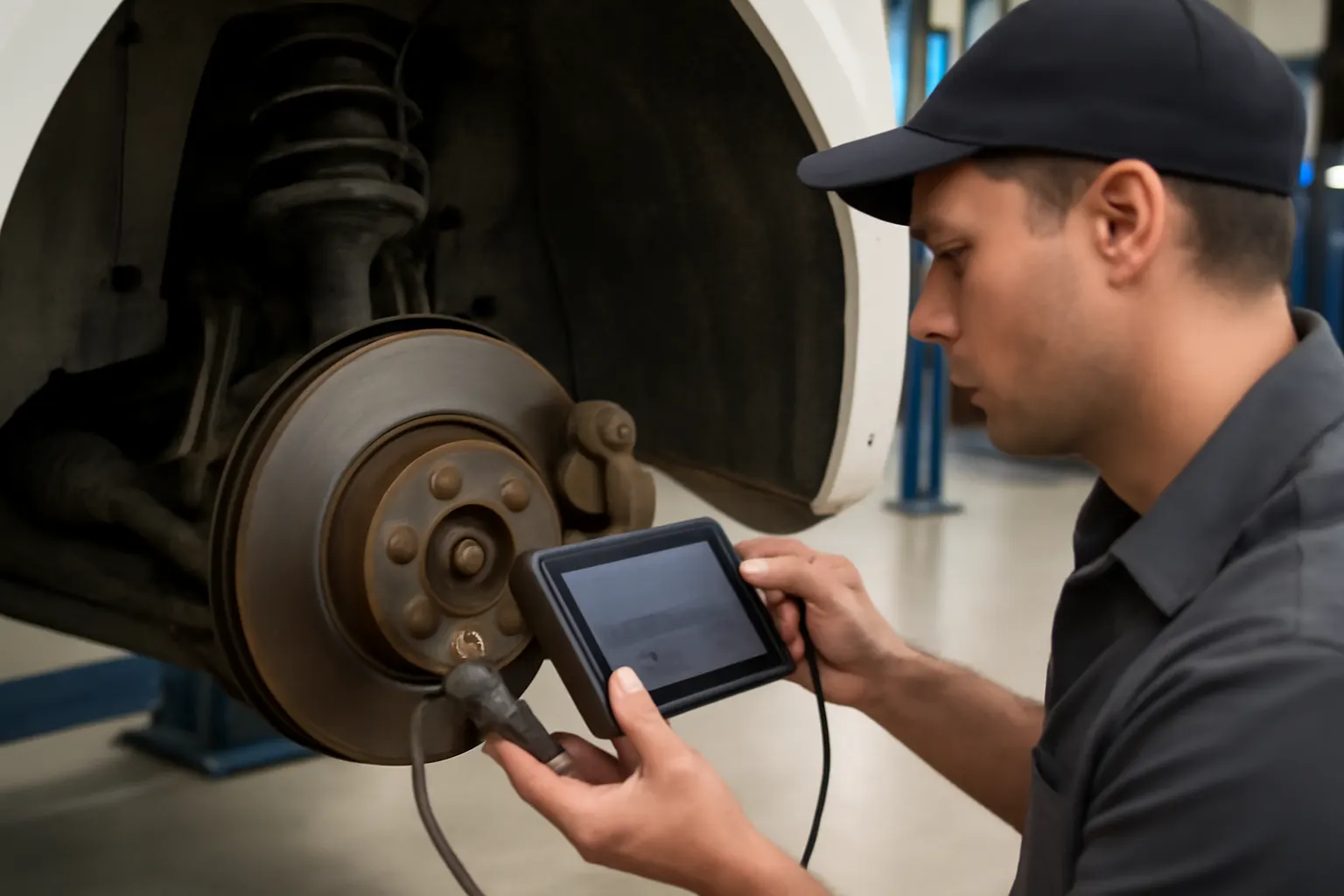
A professional-grade scan tool is essential for retrieving ABS codes and monitoring wheel speed sensor outputs in real time. Look for discrepancies between sensors, such as one wheel reading zero or fluctuating values compared to the others.
Oscilloscope Analysis
For elusive or transient faults, an automotive oscilloscope can visualize sensor output in real time, revealing dropouts, noise, or amplitude inconsistencies that a scan tool may miss.
Thermal and Vibration Simulation
Simulating heat, cold, or vibration can help reproduce faults that only occur in specific conditions. Use a heat gun, cold spray, or gently tap components while monitoring data.
Pinpoint Testing
Use back-probing techniques to measure voltage and resistance at the sensor connector, isolating issues to the sensor, wiring, or module.
Installation Best Practices: Preventing Future ABS Faults
Proper installation and handling of ABS sensors and wiring are critical to avoiding repeat issues:
- Always use dielectric grease on connectors to prevent moisture ingress.
- Route harnesses with adequate slack and secure them away from moving parts or heat sources.
- Torque sensors and fasteners to manufacturer specs to ensure proper air gap and alignment.
- Avoid touching sensor tips with bare hands—oils or debris can affect signal quality.
- Double-check harness routing after suspension or brake work to prevent pinching or stretching.
Maintenance Tips: Maximizing ABS Sensor Longevity
Regular inspection and maintenance can dramatically reduce the risk of intermittent ABS faults:
- Inspect wheel wells and undercarriage for debris, rust, or damaged wiring during routine service.
- Clean sensor mounting areas and tone rings when replacing brakes or rotors.
- Check for software updates or recalls—manufacturers may release ABS module updates or improved sensor designs in response to field issues. See Vehicle, Car Seat, Tire, and Equipment Recalls.
- Replace sensors in pairs or sets if multiple are aged or showing signs of wear.
Sourcing Quality Replacement Sensors and Components
Not all ABS sensors are created equal. For safety-critical systems, always choose components that meet or exceed OEM and SAE Standards:
- OEM vs. Aftermarket: OEM sensors offer guaranteed fit and function, but reputable aftermarket brands can match performance at a lower cost. For a comparison guide, see OEM vs. Aftermarket Chassis Sensors: What Matters Most?.
- Check for Certifications: Look for sensors that comply with SAE and NHTSA standards.
- Beware of Counterfeits: Purchase from trusted suppliers; counterfeit sensors may lack proper calibration or durability.
- Inspect Before Install: Even new sensors can be damaged in shipping; verify integrity before installation.
For a full selection of ABS and chassis electronics parts, visit our chassis electronics parts catalog.
When to Seek Professional Help
While many ABS faults can be resolved with systematic DIY diagnostics, certain scenarios warrant professional intervention:
- Persistent or multiple sensor faults that do not resolve with basic repairs.
- Complex wiring issues requiring advanced electrical troubleshooting.
- ABS module or control unit faults—these may require specialized reprogramming or replacement.
- Integration with ADAS or ESC systems—incorrect repairs can impact multiple safety features.
A qualified technician will have access to advanced diagnostic tools, technical service bulletins, and repair information not always available to the public.
The Broader Impact: Fuel Efficiency, Safety, and Vehicle Performance
ABS sensors do more than control braking—they're integral to modern vehicle dynamics and efficiency. According to the United States Department of Energy, electronic chassis controls can improve fuel economy by optimizing drivetrain performance and reducing unnecessary brake drag. Faulty sensors can inadvertently trigger traction or stability control, leading to increased fuel consumption or premature wear.
Additionally, lightweight materials and advanced sensor integration, as discussed in Materials Technologies, place greater emphasis on precise sensor function—small faults can have outsized effects in modern vehicle platforms.
AutoPartEx: Your Partner in Advanced Chassis Diagnostics
At AutoPartEx, we understand the frustration of intermittent ABS faults and the importance of reliable, safe repairs. Our curated Sensor (Chassis, Misc): Comprehensive Chassis Sensor Selection & Diagnostics page offers a full range of OEM and high-quality aftermarket sensors, connectors, and diagnostic guides. Whether you're a DIYer or a professional, our technical resources and support help ensure your repairs are done right the first time.
For more in-depth guidance on ABS and chassis sensor troubleshooting, explore How to Diagnose ABS & Chassis Sensor Failures and The Evolution of Chassis Sensor Technology.
Conclusion: Mastering Intermittent ABS Faults
Intermittent ABS faults demand patience, systematic diagnostics, and a deep understanding of chassis sensor networks. By learning from real-world case studies and following proven diagnostic steps, you can resolve even the most elusive issues—restoring safety, performance, and peace of mind.
Remember: Always prioritize safety, use certified parts, and consult professional resources when in doubt. The integrity of your ABS system is too important to leave to chance.
References
- Vehicle Safety and Equipment – National Highway Traffic Safety Administration
- Fuel Efficiency – United States Department of Energy
- Materials Technologies – United States Department of Energy
- Vehicle, Car Seat, Tire, and Equipment Recalls – National Highway Traffic Safety Administration
- SAE Standards – SAE International