The Hidden Impact of Faulty Ride Height Sensors
Ride height sensors are a critical yet often overlooked component of modern automotive chassis systems. When these sensors fail, the consequences can ripple far beyond a simple dashboard warning light. Unnoticed ride height sensor failures have led to costly repairs, compromised handling, and even safety risks—especially in vehicles equipped with advanced suspension or driver assistance systems. In this in-depth guide, we’ll explore how such failures occur, why they’re often missed, the technical reasons behind their impact, and practical steps owners and technicians can take for prevention, diagnosis, and effective repair. If you’re seeking a comprehensive understanding or troubleshooting guidance for sensor (chassis, misc) systems, this article delivers actionable expertise.
Why Ride Height Sensors Matter: The Immediate Answer
Ride height sensors monitor the vertical position of a vehicle’s chassis relative to its wheels. They provide real-time data to suspension control modules, adaptive headlights, and active safety systems. When working properly, these sensors help optimize ride quality, maintain even tire wear, support correct suspension geometry, and enable features like load leveling or headlight aiming.
A single faulty ride height sensor can:
- Disrupt suspension performance, leading to poor handling
- Cause uneven tire wear and premature component failure
- Trigger warning lights or error codes that mask deeper issues
- Impair driver assistance systems such as adaptive cruise control or electronic stability control
These issues can escalate quickly, resulting in expensive repairs if the root cause is not identified early. That’s why regular inspection and prompt diagnosis of ride height sensor faults are essential for vehicle safety, performance, and longevity.
The Hidden Problem: Why Failures Often Go Unnoticed
Despite their importance, ride height sensor failures are frequently overlooked until they cause significant drivability or safety problems. The reasons are multi-layered:
- Subtle Early Symptoms: Early-stage failures may not trigger visible warning lights. Instead, they manifest as slight changes in ride comfort, minor handling quirks, or increased tire noise—symptoms easily attributed to other causes.
- Complex Sensor Networks: Modern vehicles integrate ride height sensors into broader chassis electrical systems. A fault may be masked by other sensor data or misdiagnosed as a general suspension or electronic issue.
- Intermittent Faults: Environmental factors (moisture, road salt, debris) can cause intermittent sensor failures, complicating diagnosis. A sensor might function during a service check but fail under real-world driving conditions.
- Limited OBD-II Feedback: Standard OBD-II scans may not pinpoint ride height sensor faults unless the failure is persistent or severe. Advanced scan tools and manufacturer-specific diagnostics are often required.
Because of these hidden aspects, many owners and even some technicians may overlook the root cause until more severe symptoms or secondary failures emerge.
How a Faulty Ride Height Sensor Impacts Vehicle Performance
The effects of a faulty ride height sensor are far-reaching. Here’s how unnoticed failures can compromise your vehicle:
Compromised Handling and Safety
- Altered Suspension Geometry: The sensor’s data helps the suspension system adjust for optimal tire contact and stability. A faulty signal can lead to incorrect adjustments, causing unpredictable handling or excessive body roll.
- Reduced Electronic Stability Control (ESC) Effectiveness: ESC relies on accurate chassis data to intervene during skids or loss of traction. Incorrect ride height information can delay or misdirect corrective actions, increasing accident risk.
- Headlight Malfunctions: Many vehicles use ride height sensors to auto-level headlights. A failed sensor can cause headlights to aim too high or low, impairing night visibility and increasing glare for other drivers.
Increased Wear and Tear
- Uneven Tire Wear: Incorrect ride height alters suspension angles, accelerating tire wear and reducing tire life.
- Premature Suspension Component Failure: Shocks, struts, and bushings may be subjected to abnormal loads, leading to early failure and costly repairs.
- Drivetrain Stress: On vehicles with load-leveling or self-leveling suspension, a faulty sensor can cause the system to overcompensate, straining air compressors or hydraulic pumps.
Real-World Case Study
A 2018 luxury SUV owner reported excessive tire wear and a “bouncy” ride. Several visits to tire shops and alignment specialists failed to resolve the issue. Only after a chassis diagnostic scan revealed a malfunctioning rear ride height sensor did the root cause become clear. By then, the owner had replaced two sets of tires and several suspension components unnecessarily—costs that could have been avoided with earlier detection.
Technical Deep Dive: How Ride Height Sensors Work
Understanding the technology behind ride height sensors reveals why their failure can be so disruptive.
Sensor Types and Functions
Most ride height sensors use either potentiometer-based arms or non-contact magnetic/optical systems. They are mounted on the suspension arms or chassis and measure the distance between the vehicle body and the wheel or axle.
- Potentiometer Sensors: Use a mechanical linkage and variable resistor to convert vertical movement into a voltage signal.
- Magnetic/Optical Sensors: Offer non-contact measurement for improved durability and precision.
These sensors send continuous data to the suspension control module, which uses the information to:
- Adjust air or hydraulic suspension systems
- Control active dampers or anti-roll bars
- Level headlights based on vehicle pitch
Integration with Modern Vehicle Systems
Ride height sensors are integral to:
- Adaptive Suspension: Adjusts damping and ride height in real time for comfort and performance.
- Active Safety Systems: ESC, ABS, and adaptive cruise control require accurate chassis data.
- Headlight Leveling: Prevents headlight aim from blinding other drivers or reducing road visibility.
A single sensor’s failure can disrupt multiple interconnected systems, amplifying the impact on safety and performance.
Common Causes of Ride Height Sensor Failures
Recognizing the root causes of sensor failures is key to prevention and timely repair. The most prevalent causes include:
- Mechanical Damage
- Road debris, curb strikes, or off-road driving can physically damage sensor arms or housings.
- Corrosion and Water Ingress
- Sensors mounted low on the chassis are exposed to water, road salt, and chemicals, leading to corrosion or short circuits.
- Wiring and Connector Issues
- Damaged wiring harnesses, loose connectors, or broken pins frequently cause intermittent faults.
- Internal Sensor Wear
- Potentiometer-based sensors can develop dead spots or wear over time, especially on high-mileage vehicles.
- Improper Repairs or Modifications
- Suspension upgrades or improper installation of aftermarket parts can misalign or damage sensors.
Recognizing the Warning Signs: Checklist
Early detection is critical. Use this checklist to spot potential ride height sensor issues before they escalate:
Ride Height Sensor Failure Checklist
- Dashboard Warnings: Suspension, ABS, stability control, or headlight leveling warning lights illuminated.
- Uneven Ride Height: One corner of the vehicle sits higher or lower than the others when parked on level ground.
- Unusual Suspension Behavior: Excessive bouncing, harsh ride, or “bottoming out” over bumps.
- Poor Handling: Increased body roll, instability during cornering, or steering pull.
- Headlight Aiming Problems: Headlights appear misaligned, too high, or too low.
- Premature Tire Wear: Uneven tread wear, especially on one side or axle.
- Noisy Suspension: Clunks, squeaks, or rattles from the chassis area.
- Error Codes: Diagnostic scan reveals suspension or chassis sensor fault codes (manufacturer-specific).
- Recent Suspension Work: Symptoms began after suspension repairs or modifications.
If you check one or more of these items, a ride height sensor fault could be the culprit.
Diagnostic Strategies: How Professionals Pinpoint Sensor Issues
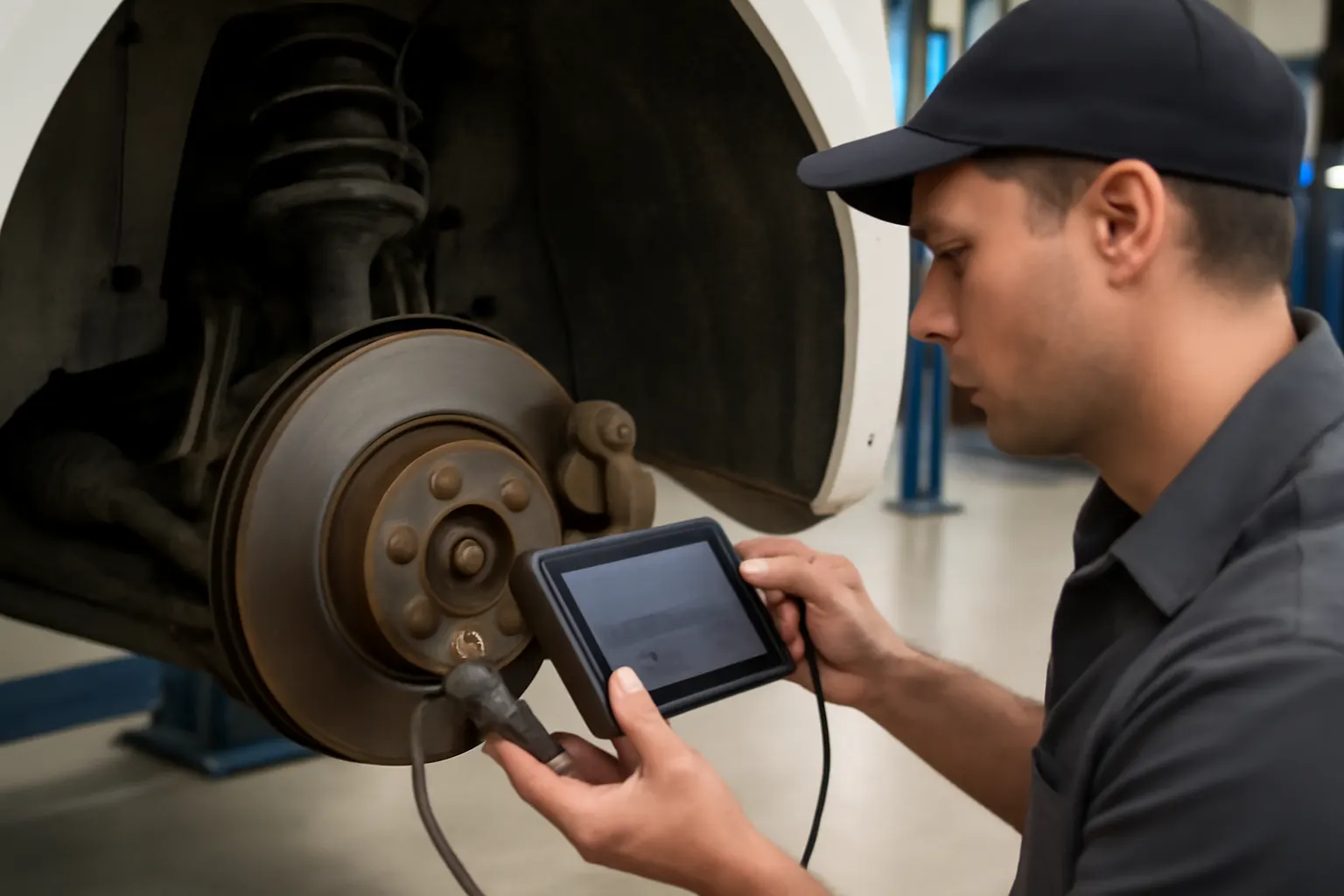
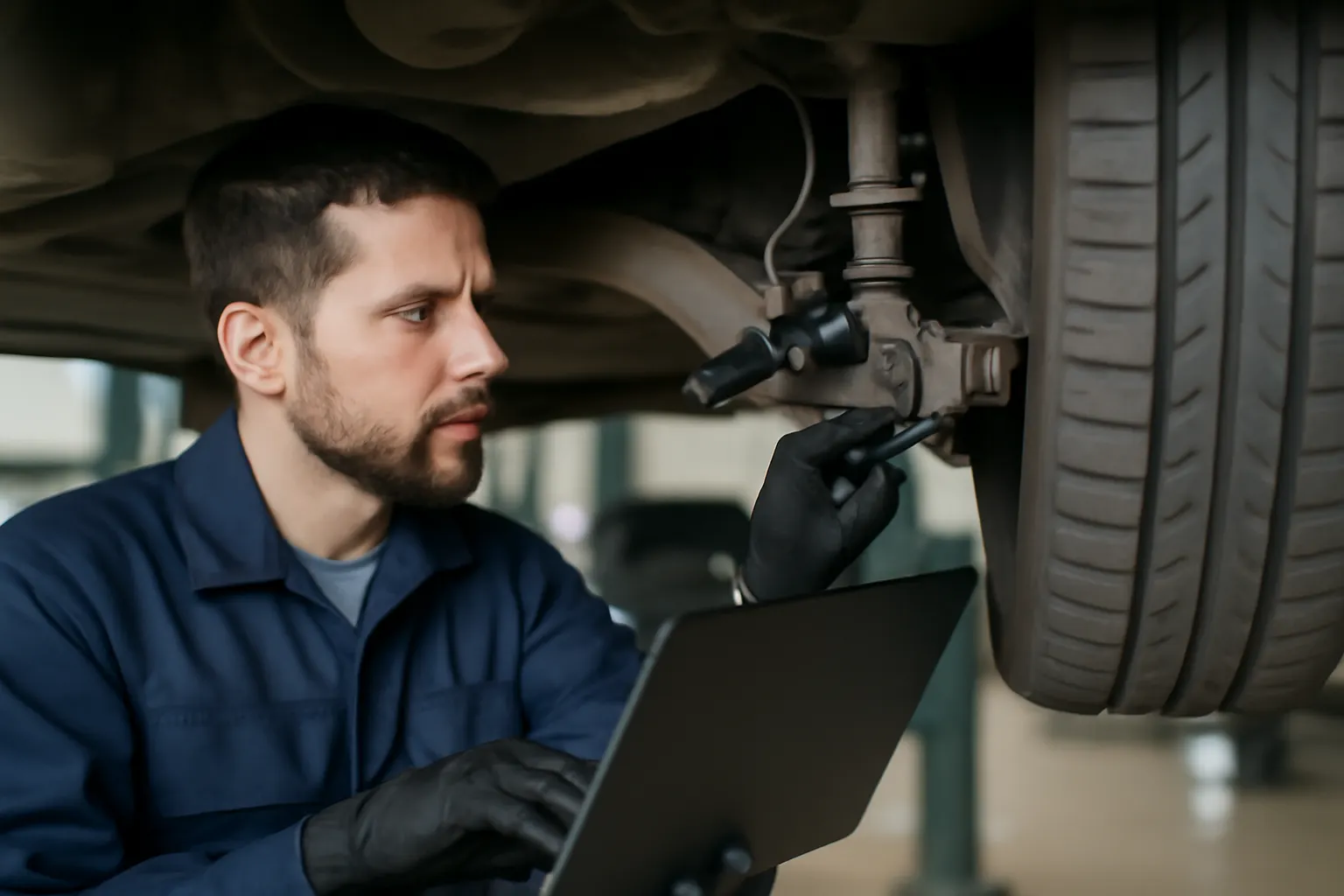
Diagnosing ride height sensor faults requires a methodical approach and, often, specialized equipment.
Step-by-Step Diagnostic Process
-
Visual Inspection
- Examine sensor arms, housings, and mounting points for physical damage or misalignment.
- Inspect wiring harnesses and connectors for corrosion, broken wires, or loose fittings.
-
Manual Ride Height Measurement
- Measure chassis height at each corner and compare to manufacturer specifications. Significant deviations may indicate a sensor or suspension fault.
-
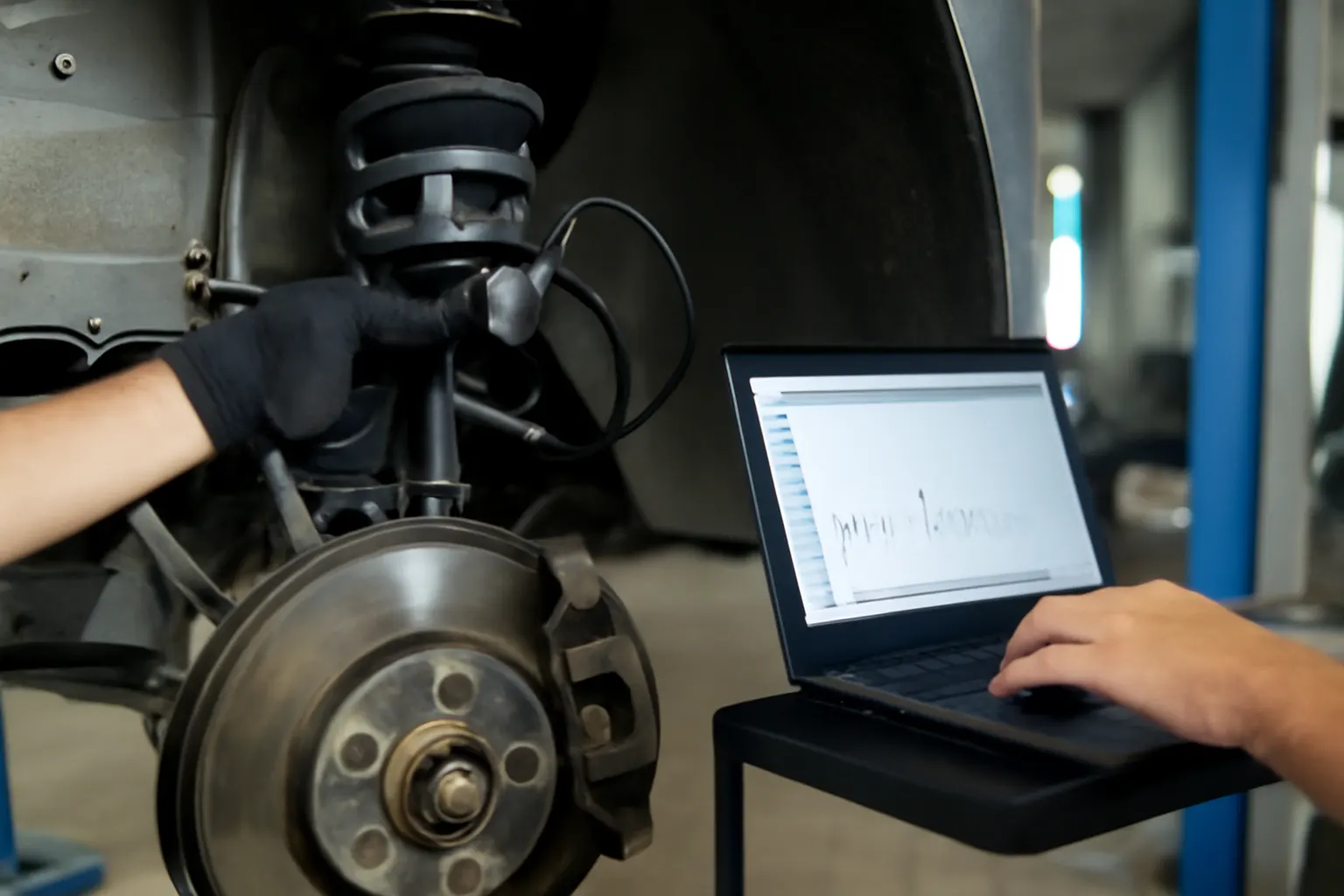
Scan Tool Diagnostics
- Use an advanced scan tool capable of reading manufacturer-specific chassis and suspension codes.
- Look for stored or pending codes related to ride height, suspension modules, or headlight leveling.
-
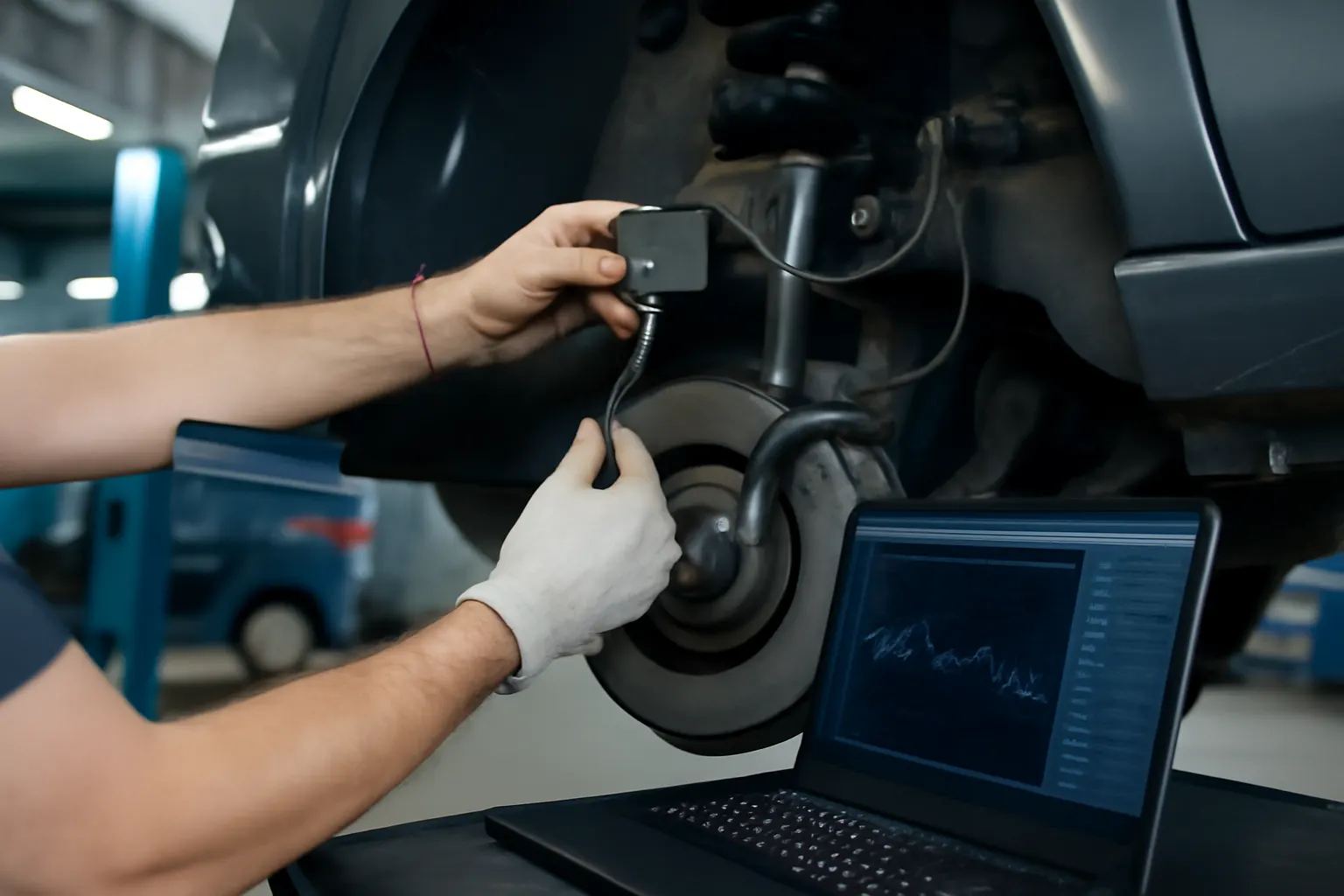
Live Data Monitoring
- Monitor real-time sensor readings while manually compressing or extending the suspension (with the vehicle safely supported).
- Watch for erratic or frozen sensor values.
-
Electrical Testing
- Use a multimeter to check sensor voltage ranges and continuity.
- Compare sensor output to manufacturer specifications.
-
Component Substitution
- If available, swap sensors side-to-side to see if the fault follows the sensor or remains at the same location.
For in-depth diagnostic techniques, see our editorial guide: How to Diagnose Chassis Sensor Failures.
The Cost of Ignoring Ride Height Sensor Faults
Allowing ride height sensor issues to persist can trigger a cascade of expensive repairs and safety risks:
- Secondary Component Damage: Faulty sensors can cause air compressors, hydraulic pumps, or adaptive dampers to overwork, leading to premature failure.
- Safety System Deactivation: Persistent faults may disable ESC, ABS, or adaptive headlights, reducing accident avoidance capability.
- Failed Inspections: Many jurisdictions require functional suspension and lighting systems for safety inspections. Faulty sensors can lead to inspection failure and legal compliance issues.
- Reduced Resale Value: Unresolved suspension or chassis faults can significantly lower a vehicle’s trade-in or resale value.
Proactive diagnosis and repair are always more cost-effective than waiting for secondary failures to occur.
Replacement and Installation: What to Know Before You Buy
When a ride height sensor is confirmed to be faulty, replacement is usually straightforward—but attention to detail is critical for long-term reliability.
Sourcing the Right Sensor
- OEM vs. Aftermarket: Original Equipment Manufacturer (OEM) sensors are recommended for precise fit and function, but high-quality aftermarket options may offer cost savings.
- Verify Compatibility: Always confirm part numbers and compatibility with your vehicle’s make, model, and year.
- Check for Updates: Some manufacturers revise sensor designs to address known issues. Use the latest part revision where possible.
Installation Best Practices
- Follow Manufacturer Procedures: Many vehicles require recalibration or initialization of the suspension system after sensor replacement.
- Secure Mounting: Ensure sensor arms and brackets are properly aligned and torqued to specification.
- Protect Wiring: Route wiring harnesses away from moving parts and secure all connectors against moisture ingress.
- Test and Calibrate: After installation, use a scan tool to clear codes and perform any required calibration or adaptation routines.
For more details on chassis electrical components, visit our chassis electrical parts category.
Preventive Maintenance: Extending Sensor Life
While ride height sensors are designed to last for years, preventive maintenance can significantly reduce the risk of premature failure.
Maintenance Tips
- Regular Inspection: Check sensor arms, mounts, and wiring during routine service intervals, especially after winter driving or off-road use.
- Cleanliness: Rinse the undercarriage to remove salt, mud, and debris that can accelerate corrosion.
- Protect Against Damage: Avoid driving over obstacles or curbs that might impact sensor locations.
- Prompt Repairs: Address any suspension warning lights or abnormal ride symptoms as soon as they occur.
- Aftermarket Modifications: If installing lift kits or lowering springs, ensure sensors are repositioned or recalibrated as required.
Ride Height Sensors and Modern Vehicle Technology
Today’s vehicles rely on a network of sensors to manage everything from ride comfort to advanced driver assistance. Ride height sensors play a pivotal role in:
- Active Suspension Control: Adjusting ride height and damping in real time for optimal performance.
- Load Leveling: Maintaining consistent chassis height regardless of cargo or passenger load.
- Headlight Leveling: Ensuring headlights are correctly aimed in all driving conditions.
- Advanced Safety Features: Providing data to systems like lane-keeping, adaptive cruise, and collision mitigation.
As vehicles incorporate more advanced materials and lightweight structures (see Materials Technologies), the integration and importance of chassis sensors will only increase.
The Role of Standards and Regulatory Oversight
Ride height sensors are not just a convenience—they are a safety-critical component in many vehicles. Regulatory bodies such as the National Highway Traffic Safety Administration (NHTSA) and standards organizations like SAE International set requirements for sensor performance, diagnostics, and replacement parts.
- NHTSA Equipment Standards: Specify minimum safety and performance criteria for suspension and lighting systems (Vehicle Safety and Equipment).
- SAE Standards: Define engineering and testing protocols for sensor reliability and integration (SAE Standards).
- Recalls and Bulletins: Manufacturers may issue recalls or technical service bulletins for known sensor issues (NHTSA Recalls).
Staying informed about standards and recalls helps ensure your vehicle remains safe and compliant.
When to Seek Expert Help
While many ride height sensor issues can be diagnosed and repaired by skilled DIYers, some situations warrant professional attention:
- Persistent or Intermittent Faults: If the cause is not immediately apparent or symptoms persist after replacement, advanced diagnostics may be required.
- System Calibration: Some vehicles require dealer-level tools for sensor calibration or software updates.
- Complex Suspension Systems: Air suspension, adaptive dampers, or vehicles with multiple ride height sensors may need specialized expertise.
A professional technician with experience in chassis electrical system troubleshooting can save time, money, and frustration.
AutoPartEx: Your Partner for Chassis Sensor Solutions
At AutoPartEx, we understand the critical role that ride height sensors and related components play in modern vehicles. Our extensive catalog includes OEM and premium aftermarket ride height sensors, wiring harnesses, and installation accessories for a wide range of makes and models.
- Expert Support: Our technical team can help you identify the correct part and provide installation guidance.
- Comprehensive Guides: Explore our Sensor (Chassis, Misc): Diagnostics, Replacement & Technical Guide for more in-depth information.
- Related Reading: Learn how modern suspension sensors work in our editorial, Modern Suspension Sensors Explained.
Don’t let a hidden sensor fault compromise your safety or drain your wallet—turn to AutoPartEx for reliable solutions and expert advice.