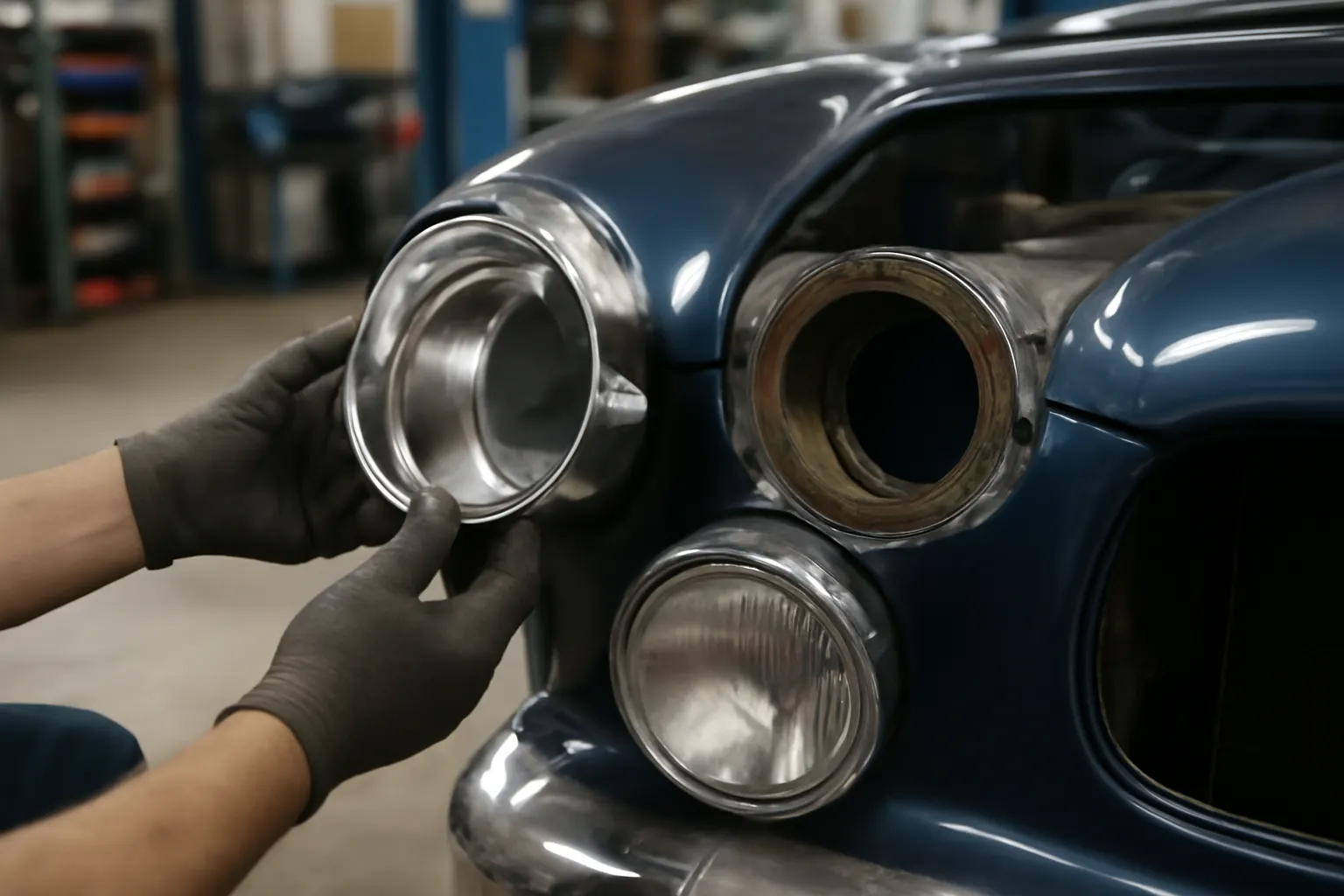
Choosing the Right Headlight Bucket for Your Restoration
Restoring a classic or modern vehicle to its original glory—or even upgrading it for improved performance—demands precision at every step, especially when it comes to lighting components. The headlight bucket, often overlooked, is a critical piece in achieving optimal illumination, safety, and authentic appearance. Whether you’re choosing an OEM, NOS, or reproduction headlight bucket, the right choice ensures your restoration delivers both visual accuracy and reliable road performance. This in-depth guide from AutoPartEx walks you through all the key considerations, pitfalls, and best practices for selecting the ideal headlight bucket for your project.
If you’re looking for more foundational technical information, see our Headlight Bucket Technical Guide: Precision Mounting for Optimal Illumination.
Why Headlight Bucket Selection Matters Immediately
The headlight bucket is far more than a cosmetic trim or a simple mounting bracket. It is the structural interface between your vehicle’s body and the headlight assembly, ensuring precise alignment, secure mounting, and optimal beam projection. Selecting the wrong bucket can result in misaligned headlights, compromised safety, failed inspections, and diminished vehicle value. For classic vehicles, an incorrect bucket can also detract from authenticity and collector appeal.
Immediate tip: Always verify your vehicle’s make, model, and year before searching for headlight buckets, as even small differences in mounting points or dimensions can have significant consequences.
The Hidden Problems with Headlight Bucket Compatibility
At first glance, sourcing a headlight bucket may seem straightforward. However, many restorers and DIYers encounter hidden issues:
- Subtle design variations: Even within the same model year, manufacturers sometimes changed mounting hole patterns, material thickness, or bracket style.
- Material differences: OEM buckets might be stamped steel, while some reproductions use lighter gauge metal or plastic, potentially affecting fit and durability.
- Legal and safety standards: Headlight alignment is governed by standards (see NHTSA Equipment), and an ill-fitting bucket can cause your restoration to fail inspection or, worse, create a road hazard.
Hidden risk: Relying on “universal” or poorly documented reproduction buckets can introduce fitment headaches, beam misalignment, and even electrical issues.
Understanding Headlight Bucket Types: OEM, NOS, and Reproduction
Before diving into sourcing, it’s crucial to understand the differences between the main types of headlight buckets available:
OEM (Original Equipment Manufacturer)
- Definition: Buckets manufactured by the original supplier for the automaker, built to factory specs.
- Advantages: Perfect fit, original material, and finish. Maintains vehicle authenticity and value.
- Drawbacks: May be discontinued, expensive, or only available used.
NOS (New Old Stock)
- Definition: Genuine parts made in the era of the vehicle but never used.
- Advantages: Factory-correct, unused, and often in original packaging.
- Drawbacks: Rare, potentially expensive, and sometimes show signs of shelf wear.
Reproduction
- Definition: Newly manufactured parts designed to replicate OEM buckets.
- Advantages: Readily available, affordable, sometimes improved materials.
- Drawbacks: Quality varies; may not match original fit or finish exactly.
The Technical Role of the Headlight Bucket in Vehicle Safety and Performance
The headlight bucket serves several critical technical functions:
- Mounting and alignment: Provides a stable, adjustable platform for the headlight assembly, ensuring the beam is aimed correctly per SAE standards.
- Structural support: Absorbs minor impacts and vibration, protecting the headlight and wiring.
- Corrosion resistance: Shields electrical components from moisture and debris.
- Aesthetic integration: Ensures the headlight sits flush with the bodywork, preserving the vehicle’s original lines.
A worn or incorrect bucket can lead to headlight misalignment, which not only reduces road visibility but also increases glare for oncoming drivers—a direct safety hazard highlighted by the National Highway Traffic Safety Administration.
Common Pitfalls When Sourcing Headlight Buckets
Many restoration projects stall or run over budget due to these common sourcing mistakes:
- Assuming all buckets for a model fit all years: Subtle design changes are common, especially around mid-year updates.
- Overlooking mounting hardware: Buckets often require specific clips, screws, or adjustment springs.
- Ignoring material changes: Some reproduction buckets use different metals or coatings, affecting corrosion resistance and weight (see Materials Technologies).
- Not checking for previous repairs: Used buckets may have hidden damage or non-original welds.
Key Factors to Consider When Choosing a Headlight Bucket
To ensure a successful restoration, evaluate each candidate bucket against these technical and practical criteria:
1. Fit and Compatibility
- Confirm part numbers with manufacturer documentation or trusted parts catalogs.
- Compare mounting hole patterns, depth, and adjustment features.
- Match the bucket to the correct headlight type (sealed beam, halogen, LED, etc.).
2. Material and Construction
- Prefer buckets made from the same material and thickness as the original.
- Check for proper corrosion protection (zinc plating, paint, or powder coating).
- For performance upgrades, consider lighter or more rigid materials for reduced vibration.
3. Authenticity and Appearance
- Inspect for correct stamping, finish, and any manufacturer markings.
- For show or concours restorations, NOS or OEM is often required.
4. Availability and Cost
- Balance authenticity needs against budget constraints.
- Weigh the cost of used OEM/NOS parts against new reproductions.
Headlight Bucket Selection Checklist
Use this checklist to guide your sourcing and selection process:
| Step | Task | Notes |
|---|---|---|
| 1 | Verify vehicle details | Make, model, year, submodel, headlight type |
| 2 | Research part numbers | Use manufacturer catalogs and forums |
| 3 | Inspect potential buckets | Check mounting points, material, finish |
| 4 | Confirm hardware needs | Screws, clips, adjustment mechanisms |
| 5 | Compare sources | OEM, NOS, reproduction, used |
| 6 | Assess authenticity | Required for concours or collector value? |
| 7 | Evaluate seller reputation | Reviews, return policy, part guarantees |
| 8 | Confirm returnability | Especially for rare or expensive parts |
Diagnosing Headlight Bucket Issues in Classic and Modern Vehicles
Before replacing a headlight bucket, it’s important to diagnose whether the bucket is truly at fault. Symptoms of a faulty or incorrect bucket include:
- Headlight misalignment: Even after adjustment, the beam points too high, low, or off-center.
- Unusual vibration or rattling: Indicates loose or fatigued mounting points.
- Corrosion or rust: Compromises structural integrity and electrical connections.
- Broken or missing adjustment hardware: Prevents proper aiming.
Diagnostic tip: If you experience persistent misalignment, inspect the bucket for bent flanges, stripped threads, or prior collision damage. See our Diagnosing Headlight Misalignment Issues for further troubleshooting.
Installation Best Practices for Headlight Buckets
Proper installation is essential for both safety and performance. Follow these steps for best results:
- Remove the old bucket carefully. Preserve original mounting hardware when possible.
- Clean the mounting area. Remove rust, old sealant, and debris.
- Test-fit the new bucket. Check alignment with the fender and headlight assembly before final tightening.
- Use new hardware as needed. Replace worn screws or springs to ensure secure mounting.
- Apply anti-corrosion treatment. Especially important for classic vehicles or those driven in wet climates.
- Adjust the headlight beam. Use a headlight aiming tool or follow SAE guidelines for proper alignment.
Installation warning: Overtightening mounting screws can distort the bucket and affect beam pattern. Tighten to manufacturer specs.
Maintaining Your Headlight Buckets for Longevity
Once installed, regular maintenance of the headlight bucket will extend its life and preserve illumination quality:
- Inspect for rust annually. Especially on classic vehicles with steel buckets.
- Clean debris and road salt. Prevents corrosion and electrical shorts.
- Check alignment after impacts. Even minor bumps can shift the bucket.
- Lubricate adjustment mechanisms. Ensures smooth aiming and prevents seizing.
Pro tip: For show cars, periodic waxing of painted buckets can help maintain appearance and resist corrosion.
Sourcing Strategies: Where to Find Quality Headlight Buckets
Depending on your restoration goals and budget, consider these sourcing options:
OEM and NOS Buckets
- Dealerships and authorized parts resellers: Useful for late-model vehicles.
- Classic car clubs and forums: Members often have leads on rare parts.
- Online marketplaces: eBay, specialty vintage parts dealers, and auction sites.
Reproduction Buckets
- Aftermarket suppliers: Many specialize in specific makes/models (e.g., AMC, Acura, Alfa).
- Restoration parts catalogs: Provide detailed compatibility information.
Sourcing warning: Always verify seller reputation and return policies, especially for reproduction buckets, which can vary widely in quality.
Headlight Bucket Upgrades: Modern Materials and Technologies
For those restoring modern vehicles or building a restomod, consider buckets made from advanced materials:
- Aluminum: Lightweight, corrosion-resistant, and strong.
- High-strength polymers: Used in some late-model vehicles for reduced weight and improved impact absorption.
- Composite materials: Offer increased rigidity and vibration damping.
Refer to Materials Technologies for more on how material choices affect vehicle performance, weight, and durability.
Headlight Buckets and Beam Pattern: A Crucial Safety Link
The headlight bucket’s design and condition directly impact beam pattern and on-road safety. A misaligned bucket can scatter light, causing glare for other drivers and reducing your own visibility. This is regulated by NHTSA equipment standards and SAE specifications.
Key safety note: After any bucket replacement, verify headlight aim using a professional alignment tool or at an inspection station. For more on the relationship between buckets and beam pattern, see How Headlight Buckets Impact Beam Pattern and Safety.
Authenticity Versus Practicality: Making the Right Choice for Your Restoration
Not every restoration demands NOS or OEM parts. Consider your vehicle’s end use:
- Concours/show vehicles: Originality is paramount—seek OEM or NOS buckets.
- Drivers and restomods: Quality reproduction buckets may offer better availability and durability.
- Performance builds: Modern materials can improve weight balance and vibration resistance.
Weigh authenticity, safety, and cost to find the best fit for your project.
The AutoPartEx Approach: Trusted Guidance and Quality Sourcing
At AutoPartEx, we combine technical expertise with real-world sourcing experience to help you make the right choice for your restoration. Our commitment is to provide:
- Accurate fitment data: Backed by manufacturer documentation and enthusiast knowledge.
- Quality part sourcing: Partnerships with reputable OEM, NOS, and reproduction suppliers.
- Technical support: Installation guides, troubleshooting, and maintenance advice.
For a deeper dive into bucket restoration, see our Restoring Classic Headlight Assemblies.
Final Checklist: Ensure Restoration Success
Before finalizing your headlight bucket purchase, confirm:
- Compatibility with your exact vehicle specification
- Material quality and corrosion protection
- Complete mounting hardware availability
- Seller reputation and return policy
- Proper installation and alignment after fitment
Restoring your vehicle’s lighting system to peak function and authenticity starts with the right headlight bucket—choose wisely for safe, reliable, and beautiful results.