Restoring an Asuna SE: Lessons Learned
Restoring an Asuna SE in today’s fragmented parts market is both a rewarding and challenging process. For enthusiasts and owners seeking to revive this rare Canadian-market vehicle, the primary hurdles are parts sourcing, correct fitment, and ensuring that all systems meet modern safety and performance standards. This comprehensive guide—grounded in real-world experience and verified technical sources—walks you through the process, from evaluating your Asuna SE’s condition to sourcing genuine and compatible parts, performing critical repairs, and maintaining ongoing reliability. If you’re considering, or have already begun, an Asuna SE restoration, this article provides the lessons, checklists, and resources you need for a successful project.
Early on, it’s vital to understand the unique position of the Asuna SE within the broader GM ecosystem. Platform sharing with other GM models can be an advantage for parts compatibility, but there are hidden pitfalls in fitment, safety compliance, and long-term maintenance. For deeper platform compatibility analysis, see our GM Platform Compatibility Guide, and for a complete model overview, visit the Asuna Auto Parts: Heritage, Fitment, and OEM Sourcing resource.
The Immediate Restoration Landscape: What to Expect
Restoring an Asuna SE is not just about replacing worn components—it’s about understanding the quirks of a limited-production vehicle and the realities of an aging parts ecosystem. Here’s what owners and restorers can expect when embarking on a project:
- Parts Scarcity: OEM and high-quality aftermarket parts for Asuna models, especially the SE, are limited. Some critical components are unique to the Asuna SE, while others are shared with related GM platforms.
- Fitment Challenges: Not all “compatible” GM parts will fit or function identically due to subtle differences in trim, mounting hardware, and electrical connectors.
- Safety Considerations: Meeting or exceeding current safety standards during restoration is essential, especially for brakes, lighting, and restraint systems. Reference the Vehicle Safety and Equipment guidelines for compliance.
- Performance and Efficiency: Engine and drivetrain restoration must balance originality with modern expectations for fuel efficiency and reliability. See Fuel Efficiency for technical standards.
Hidden Restoration Problems: What Most Guides Overlook
While many guides focus on cosmetic restoration or generic mechanical repairs, the Asuna SE presents unique hidden problems:
- Obsolete Safety Equipment: Airbags, seat belts, and ABS modules may not meet current standards, and replacements are often unavailable.
- Material Degradation: Aging plastics, wiring insulation, and rubber components deteriorate faster in older vehicles, leading to electrical gremlins and leaks.
- Recall Overlaps: Some Asuna SE components were subject to manufacturer recalls, which may have gone unaddressed. Always check the NHTSA Recall Database before proceeding.
- Platform-Specific Fitment: Even within the GM family, minor differences (e.g., sensor connectors, bracket locations) can make or break a restoration.
These issues demand a more technical, systematic approach than a “replace what’s broken” mindset.
Evaluating Your Asuna SE: The Initial Inspection
Before sourcing parts or planning the restoration, a methodical evaluation is critical. Use this step-by-step checklist to document your starting point:
Asuna SE Initial Inspection Checklist
| Area | Inspection Points | Notes/Findings |
|---|---|---|
| Body & Frame | Visual rust, hidden corrosion, accident damage, VIN integrity | |
| Suspension | Bushing wear, strut leaks, ball joint play, subframe mounts | |
| Brakes | Rotor/pad thickness, brake line corrosion, ABS module function | |
| Drivetrain | Engine compression, oil leaks, transmission operation, CV boot condition | |
| Electrical | Wiring integrity, fuse box corrosion, lighting operation, instrument cluster | |
| Interior | Seatbelt function, airbag indicator, seat frame condition, switch operation | |
| Fuel System | Tank corrosion, pump noise, injector leaks, filter clogging | |
| Cooling System | Radiator leaks, hose condition, thermostat operation, coolant quality |
Tip: Photograph and document every area—this record will be invaluable for both sourcing parts and tracking restoration progress.
Sourcing Genuine and Compatible Parts
The Asuna SE’s limited production means that many OEM parts are now discontinued. However, the vehicle’s GM heritage opens up cross-compatibility with Isuzu, Geo, and other badge-engineered models. Here’s how to approach parts sourcing:
- OEM vs. Aftermarket: Prioritize OEM where safety and fitment are critical (e.g., suspension, brakes, airbags). For cosmetic or non-critical items, high-quality aftermarket can suffice.
- Cross-Reference GM Part Numbers: Use GM and Isuzu catalogs to identify compatible part numbers. The GM Platform Compatibility Guide is an essential resource for this process.
- Specialty Suppliers: Some niche vendors specialize in obsolete or NOS (new old stock) Asuna and related GM parts. Be prepared to pay a premium and verify authenticity.
- Used Parts Networks: Salvage yards and enthusiast forums often yield rare parts. Always inspect used safety-critical components thoroughly.
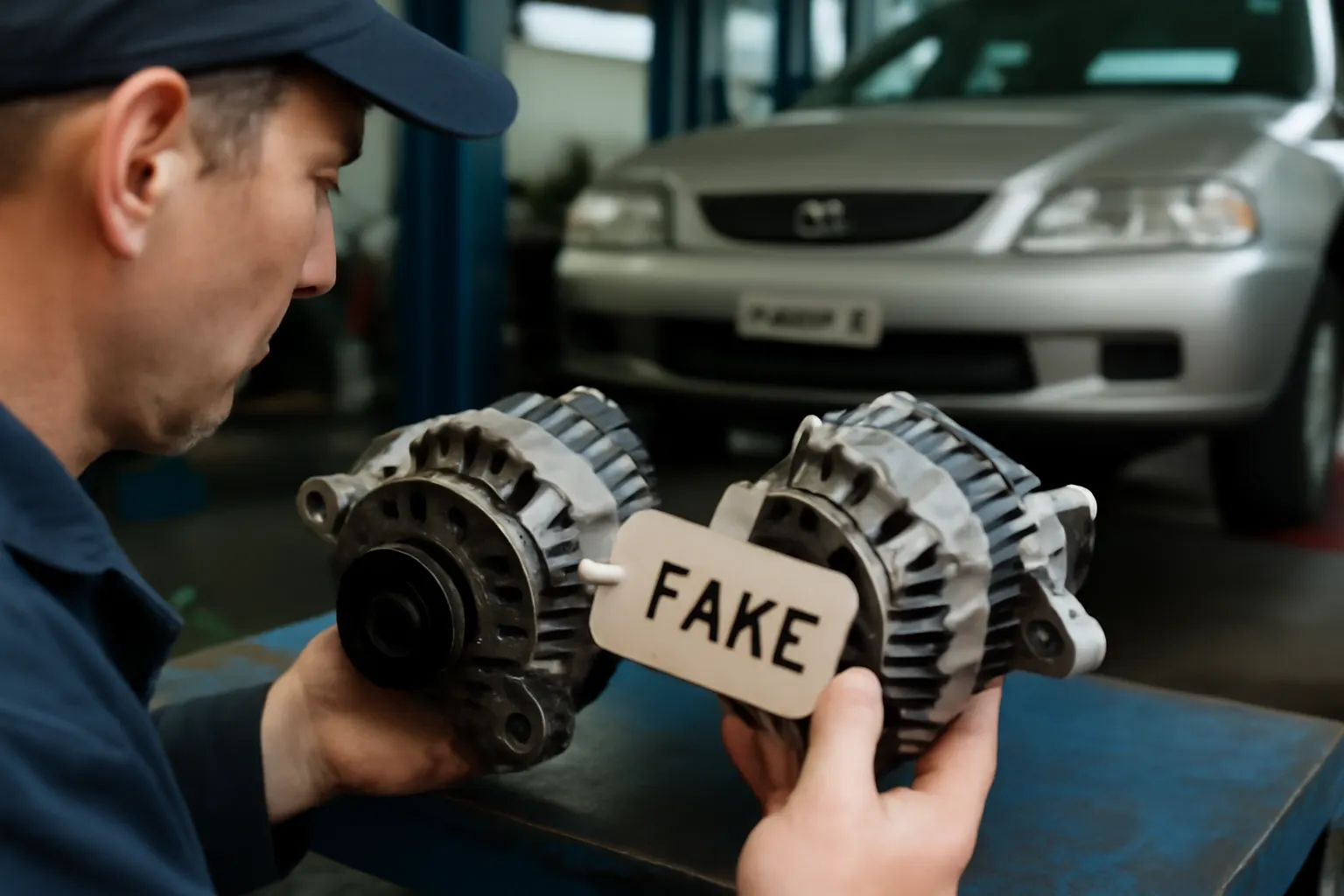
- Avoiding Counterfeits: For tips on identifying genuine Asuna parts, see Identifying Genuine Asuna Parts.
Diagnosing and Addressing Safety-Critical Systems
Restoring safety systems to modern standards is non-negotiable. Key focus areas include:
Brakes and ABS
- Inspection: Check for corrosion on brake lines, seized calipers, and worn pads/rotors.
- ABS System: Many Asuna SEs used early-generation ABS modules. Confirm operation via diagnostic scan tools and replace with verified-compatible units if necessary.
- Parts Sourcing: Use the Suspension & Brake System Technical Reference to cross-check part numbers and fitment.
Restraint Systems
- Seat Belts: Replace any frayed or non-retracting belts with OEM or certified aftermarket equivalents.
- Airbags: Consult the Vehicle Safety and Equipment database to determine if replacements are available and compliant.
Lighting and Visibility
- Headlights/Taillights: Many Asuna SEs suffer from lens yellowing or water ingress. If OEM units are unavailable, source compatible GM/Isuzu assemblies and ensure correct wiring.
Engine and Drivetrain: Balancing Originality and Reliability
The Asuna SE’s engine and transmission, while robust, are now decades old. A full mechanical restoration requires more than just a tune-up:
- Compression and Leakdown Testing: Assess engine health before investing in cosmetic or peripheral repairs.
- Timing Belt Replacement: This is a high-priority maintenance item. Reference the Asuna Timing Belt Replacement Guide for step-by-step instructions.
- Gasket and Seal Renewal: Replace all critical gaskets (head, valve cover, oil pan) to prevent future leaks.
- Transmission Service: Change fluid, inspect for shift quality, and replace worn mounts or bushings.
Expert Tip: Use only high-quality fluids and OEM-spec filters—cheap alternatives often accelerate wear in older drivetrains.
Materials and Bodywork: Dealing with Aging Structures
The Asuna SE’s body structure relies on a mix of steel and plastics that can degrade over time:
- Rust Mitigation: Focus on common rust points—rocker panels, wheel arches, subframe mounts. Use modern rust converters and cavity waxes to extend longevity.
- Plastic Trim: UV exposure leads to brittle plastics. Where replacements are unavailable, consider restoration techniques (plastic welding, dyeing).
- Glass and Seals: Leaking window or door seals can lead to hidden corrosion. Replace with compatible GM weatherstripping where possible.
For a deeper dive into automotive materials and restoration techniques, see the Materials Technologies reference.
Electrical System Restoration: Preventing Gremlins
Aging electrical systems are a notorious source of headaches in older vehicles. The Asuna SE is no exception:
- Wiring Harness Inspection: Look for cracked insulation, corroded connectors, and previous owner “repairs.”
- Fuse Box and Relays: Clean or replace corroded terminals. Many electrical issues can be traced here.
- Instrument Cluster: Faulty gauges or warning lights are common. If cluster repair is necessary, source compatible units or consider professional refurbishment.
Troubleshooting Tip: Use a digital multimeter and wiring diagrams to methodically test circuits before replacing components.
Suspension and Steering: Ride Quality and Road Safety
Restoring the Asuna SE’s handling and comfort requires attention to detail:
- Bushing and Mount Replacement: Rubber bushings degrade and cause clunks, vibration, and poor alignment. Polyurethane upgrades are available but may alter ride characteristics.
- Struts and Shocks: Replace with OEM or high-quality aftermarket to restore damping performance.
- Steering Components: Check for play in tie rods and rack mounts. Replace as needed for safe, precise steering.
Reference the Suspension & Brake System Technical Reference for detailed diagrams and fitment notes.
Fuel System and Efficiency: Restoring Performance
Fuel system degradation can cause poor performance, hard starting, and safety hazards:
- Tank and Lines: Inspect for rust, leaks, or swelling. Replace with compatible GM/Isuzu components if necessary.
- Fuel Pump and Filter: Always replace as preventative maintenance in high-mileage vehicles.
- Injectors and Sensors: Clean or replace injectors and test sensors to restore original fuel efficiency. For efficiency standards, review Fuel Efficiency.
Interior and Comfort: Bringing Back Daily Usability
While not always the top priority, a restored interior improves both driving enjoyment and resale value:
- Seat Repairs: Address torn fabric, worn foam, and broken frames. Some parts interchange with other GM compacts.
- HVAC System: Restore heat and air conditioning for comfort and defogging safety.
- Switches and Controls: Clean or replace sticky window, lock, and light switches.
Detailing Tip: Use plastic-safe cleaners and conditioners to rejuvenate aged surfaces and prevent further degradation.
Testing, Diagnostics, and Roadworthiness
Once all major systems are restored, a thorough testing regimen is necessary:
- Static Testing: Check all lights, gauges, and safety systems before moving the vehicle.
- Initial Road Test: Begin with low-speed driving, listening for abnormal noises or vibrations.
- Post-Test Inspection: Recheck fluid levels, look for leaks, and inspect for signs of overheating or electrical faults.
Diagnostic Checklist:
- Verify brake function and ABS operation.
- Confirm all lighting and indicators work.
- Check for warning lights or diagnostic codes.
- Test for smooth engine operation and shifting.
- Listen for suspension or steering noises.
Maintenance Strategies for Longevity
Restoration is only the beginning. Ongoing maintenance is essential to keep your Asuna SE reliable:
- Regular Fluid Changes: Use OEM-spec fluids for engine, transmission, brakes, and coolant.
- Periodic Inspections: Re-inspect common failure points (bushings, hoses, wiring) every 12 months.
- Parts Stockpiling: When possible, acquire spare critical parts—especially those prone to obsolescence.
Long-Term Tip: Join Asuna and GM enthusiast groups to stay informed about new parts finds or compatible upgrades.
Lessons Learned: What Makes an Asuna SE Restoration Succeed
After dozens of restorations, several lessons stand out:
- Documentation is Critical: Keep detailed records of every part replaced, cross-reference, and modification.
- Don’t Assume Compatibility: Always verify part numbers and fitment—even among “identical” GM models.
- Quality Trumps Speed: Take the extra time to source correct, high-quality parts rather than rushing with questionable alternatives.
- Safety First: Never compromise on brakes, steering, or restraint systems.
- Leverage the Community: Online forums and AutoPartEx’s resources can save you time and money.
AutoPartEx: Your Partner for Asuna SE Restoration
At AutoPartEx, we understand the unique challenges of restoring rare models like the Asuna SE. Our curated technical guides, fitment databases, and sourcing tools are designed to help you find the right part the first time. For a comprehensive overview of Asuna fitment, heritage, and OEM sourcing, see our Asuna Auto Parts: Heritage, Fitment, and OEM Sourcing page. For the latest compatibility updates and technical articles, browse our GM Platform Compatibility Guide and related editorial content.
Whether you’re tackling a full frame-off restoration or keeping your daily driver on the road, AutoPartEx is your trusted source for technical expertise and hard-to-find parts.