The Risks of Counterfeit Parts in Aging Asuna Models
Counterfeit and mislabelled parts are a growing threat to the safety, reliability, and value of aging Asuna vehicles. For owners, technicians, and enthusiasts maintaining rare Asuna models, understanding how to spot, avoid, and report counterfeit parts is essential to preserving OEM performance and protecting both the vehicle and its occupants. This article provides a comprehensive, practical guide to identifying, sourcing, and verifying genuine Asuna parts—helping you avoid the pitfalls that can undermine your restoration or maintenance efforts.
If you’re sourcing components for your Asuna, start with trusted suppliers and consult the Asuna Auto Parts: OEM Heritage, Technical Fitment, and Quality Sourcing | AutoPartEx page for detailed fitment and sourcing strategies. Early intervention and vigilance are your best defenses against the risks posed by counterfeit and substandard automotive parts.
Understanding the Immediate Risk: Why Counterfeit Parts Endanger Asuna Vehicles
Counterfeit parts are not just a nuisance—they’re a direct threat to your Asuna’s safety, reliability, and long-term value. Components such as brake pads, suspension bushings, timing belts, and even fasteners are frequently targeted by counterfeiters. These parts may look convincing but often fail to meet the rigorous engineering and safety standards set by original equipment manufacturers (OEMs) and regulatory bodies like the National Highway Traffic Safety Administration (NHTSA) 1.
For aging Asuna models—already challenged by limited parts availability and potential cross-platform confusion (Suzuki, Isuzu, Geo)—the risk is amplified. A single counterfeit part can compromise critical systems, leading to poor performance, increased wear, or catastrophic failure.
The Hidden Problem: Counterfeits in the Asuna Supply Chain
The aftermarket for Asuna parts is uniquely vulnerable to counterfeit and mislabelled components. Asuna’s short-lived presence in North America (1992–1995) means that many original parts are now out of production, and the remaining inventory circulates through a mix of official channels, secondary markets, and private sellers.
Counterfeiters exploit these gaps by producing lookalike parts with subpar materials, incorrect fitment, or falsified branding. These components may be sold as “OEM-equivalent” or “direct fit” but fail to deliver the performance, longevity, or safety required for reliable operation. The lack of robust traceability in some online marketplaces further complicates the issue, making it easy for counterfeit goods to enter the supply chain undetected.
Why the Problem is Growing: Technical and Market Drivers
Several factors have converged to make aging Asuna models particularly susceptible to counterfeit parts:
- Obsolescence of OEM Parts: With OEM support withdrawn, owners turn to aftermarket sources, increasing the risk of encountering counterfeit or mislabelled parts.
- Cross-Platform Confusion: Asuna vehicles share platforms with Suzuki, Isuzu, and Geo, but not all parts are interchangeable. Counterfeiters exploit this confusion by relabeling generic parts as Asuna-specific.
- Online Marketplaces: The rise of e-commerce and global shipping has made it easier for counterfeiters to distribute their goods, often with convincing packaging and documentation.
- Lack of Awareness: Many owners and even some technicians are unaware of the prevalence of counterfeits or the intricacies of Asuna fitment, leading to accidental purchases.
Understanding these drivers is the first step toward effective prevention and detection.
Technical Consequences: How Counterfeit Parts Undermine Your Asuna
The use of counterfeit or mislabelled parts can have severe technical and safety consequences:
- Safety Hazards: Inferior materials and poor manufacturing can lead to premature failure of critical components like brakes, steering, or suspension. According to the NHTSA, non-compliant parts significantly increase the risk of accidents and injury 1.
- Reduced Performance: Counterfeit sensors, filters, and ignition components may not meet OEM specifications, leading to poor engine performance, increased emissions, and decreased fuel efficiency 2.
- Accelerated Wear: Substandard bushings, bearings, and seals can cause excessive vibration, noise, and wear on adjacent parts, compounding maintenance costs.
- Electrical Failures: Mislabelled relays, fuses, or wiring can introduce shorts or overloads, risking damage to sensitive control modules.
- Fitment Issues: Even slight dimensional inaccuracies can cause leaks, misalignment, or assembly problems, especially in chassis and drivetrain parts.
Real-World Examples: Where Counterfeits Are Most Common in Asuna Models
Certain categories of Asuna parts are more frequently targeted by counterfeiters:
- Brake Components: Pads, rotors, and calipers are commonly counterfeited due to high demand and relatively simple manufacturing.
- Filters: Oil, air, and fuel filters are often relabelled with fake branding.
- Suspension Bushings and Mounts: These are often produced from inferior rubber or polyurethane, failing prematurely.
- Timing Belts and Chains: Substandard materials can lead to catastrophic engine failure.
- Sensors: Oxygen sensors, MAF sensors, and coolant temperature sensors are easy targets for counterfeiters due to their small size and high replacement rates.
Recognizing these high-risk categories helps prioritize your vigilance during sourcing and inspection.
How to Spot Counterfeit and Mislabelled Parts: A Practical Inspection Checklist
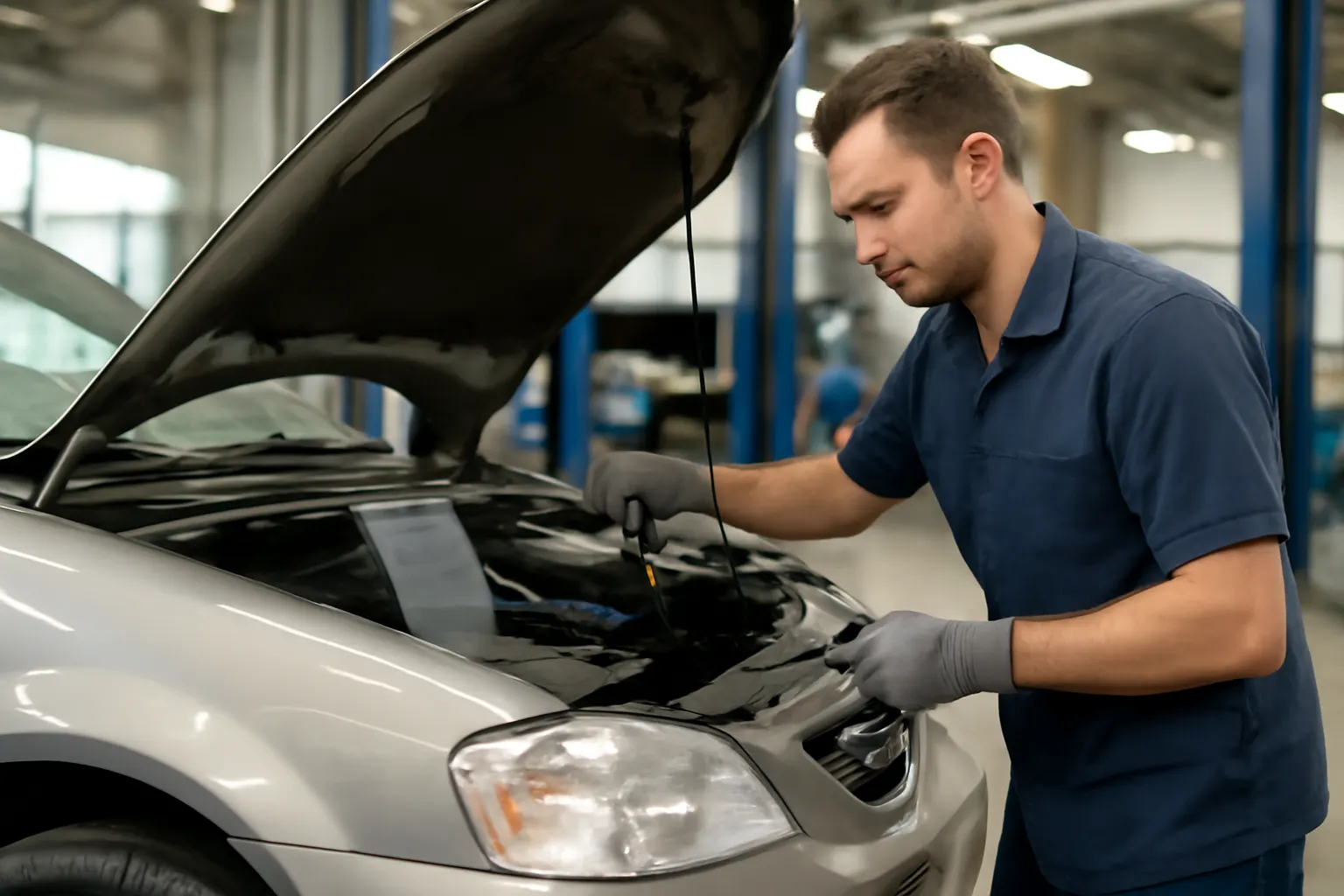
Detecting counterfeit parts requires a systematic approach. Use this checklist when evaluating Asuna components:
Packaging and Labelling:
- Is the packaging consistent with known OEM or reputable aftermarket brands? Look for spelling errors, poor print quality, or missing logos.
- Does the part number match the application per the Asuna Platform Cross-Reference: Suzuki, Isuzu, and Geo guide?
- Are there security features (holograms, QR codes, tamper-evident seals) present and intact?
Physical Inspection:
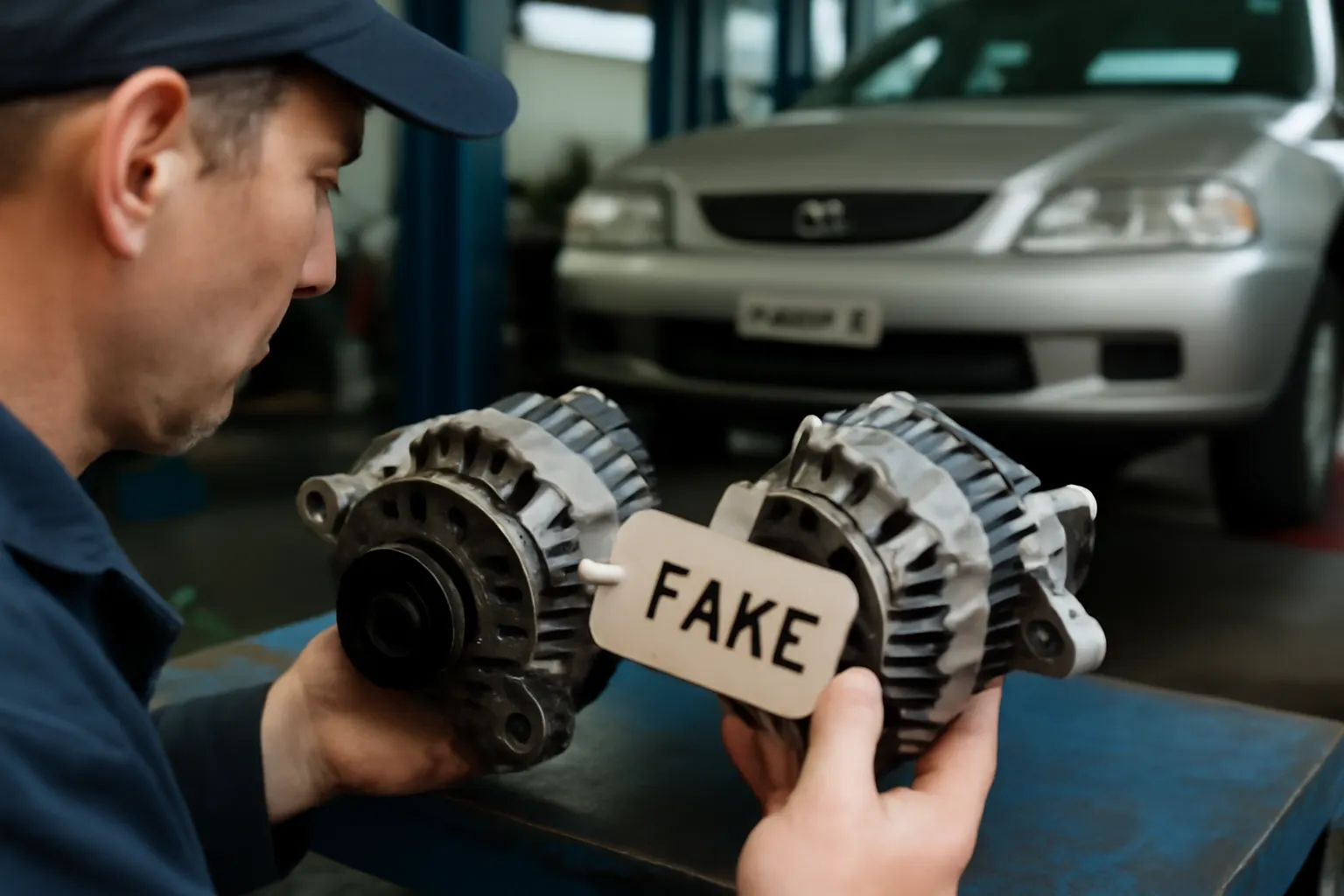
- Compare weight and dimensions to original parts or factory specifications.
- Inspect casting marks, surface finish, and material quality—counterfeits often use inferior alloys or plastics.
- Check for incomplete or missing engineering marks, batch codes, or regulatory stamps (e.g., DOT, SAE).
Documentation and Provenance:
- Request invoices or proof of purchase from reputable suppliers.
- Cross-check supplier information against known authorized distributors.
- Verify part fitment using Decoding Asuna VINs for Accurate Parts Sourcing to ensure the part matches your vehicle’s build.
Functional Testing:
- For electrical or electronic parts, bench test resistance, continuity, or signal output before installation.
- For mechanical parts, check fitment on a test assembly before committing to final installation.
The Role of Standards and Regulations: Protecting Vehicle Safety
Counterfeit parts are not just a quality issue—they’re a regulatory and safety concern. The NHTSA and organizations like SAE International set stringent standards for automotive components, covering materials, performance, and fitment 13. Genuine parts are tested and certified to meet these standards; counterfeits rarely are.
For example, brake components must comply with FMVSS standards for stopping distance and fade resistance, while lighting and electrical parts must meet specific SAE standards for durability and performance. Installing non-compliant parts can not only endanger occupants but may also violate safety regulations and affect vehicle inspection outcomes.
Diagnostic Challenges: Symptoms of Counterfeit Parts in Asuna Vehicles
If you suspect a counterfeit part has been installed, look for these diagnostic red flags:
- Unusual Noises: Premature squealing, grinding, or knocking after recent repairs.
- Poor Fitment: Parts that require excessive force to install, or that leave gaps, misalignments, or leaks.
- Rapid Wear: Components (especially bushings, belts, or filters) failing much sooner than expected service intervals.
- Performance Drops: Decreased engine output, rough idling, increased fuel consumption, or warning lights after a recent replacement.
- Electrical Anomalies: Blown fuses, intermittent sensor readings, or unexplained battery drain post-repair.
When these symptoms appear, retrace your sourcing and installation steps to isolate any suspect components.
Sourcing Genuine Asuna Parts: Practical Buying Guidance
To minimize risk, follow these best practices when sourcing Asuna parts:
- Prioritize Authorized Distributors: Use suppliers with established reputations and direct OEM or reputable aftermarket relationships.
- Request Verification: Ask for batch numbers, certificates of authenticity, or manufacturer documentation for high-value or safety-critical parts.
- Cross-Reference Applications: Consult the Asuna Platform Cross-Reference: Suzuki, Isuzu, and Geo to verify interchangeability and avoid mislabelled parts.
- Use VIN Decoding: Reference Decoding Asuna VINs for Accurate Parts Sourcing to match parts to your specific vehicle build.
- Avoid Suspiciously Low Prices: Deals that seem too good to be true often are—counterfeit parts are typically priced well below market value.
When in doubt, seek advice from marque specialists or communities dedicated to Asuna preservation.
Installation and Fitment: Ensuring Proper Integration
Even a genuine part can cause problems if not matched to your Asuna’s exact specification. Always:
- Test Fit Before Final Assembly: Dry-fit components to confirm alignment, bolt pattern, and clearance.
- Use Correct Fasteners and Torque Specs: Counterfeit parts sometimes require incorrect hardware, which can compromise safety.
- Review Service Manuals: Consult OEM or reputable aftermarket manuals for installation procedures and tolerances.
- Document All Replacements: Maintain a log of part numbers, suppliers, and installation dates for future reference and traceability.
This diligence helps prevent accidental use of mislabelled or incompatible parts, reducing the risk of future failures.
Reporting and Preventing Counterfeit Parts: Your Role in the Community
If you encounter a counterfeit or suspect part, take action to protect yourself and the wider Asuna community:
- Report to Authorities: File a report with the NHTSA’s Office of Defects Investigation or the appropriate consumer protection agency 12.
- Notify Suppliers: Inform the seller and request a refund or exchange; reputable suppliers will investigate and act on credible reports.
- Share Information: Post details (without doxing) in enthusiast forums, social media groups, and at events to warn others.
- Retain Evidence: Keep packaging, invoices, and correspondence for use in claims or investigations.
Collective vigilance is key to reducing the spread of counterfeit parts in the Asuna ecosystem.
Long-Term Maintenance Implications: Protecting Reliability and Value
Repeated use of counterfeit or mislabelled parts has cumulative effects on your Asuna:
- Decreased Reliability: Frequent breakdowns and unpredictable failures erode confidence and usability.
- Increased Costs: Accelerated wear and repeated repairs add to long-term ownership expenses.
- Reduced Resale Value: Documented use of counterfeit parts can deter future buyers or collectors.
- Safety Risks: Compromised safety systems may lead to accidents or injury, with potential liability implications.
Protect your investment and ensure reliability by following recommended service intervals and using only verified parts. For more on this, see Maintaining Reliability: Asuna Service Intervals and Tips.
The AutoPartEx Approach: Trusted Sourcing and Technical Support
AutoPartEx is committed to supporting Asuna owners, technicians, and enthusiasts with:
- Verified Sourcing: We vet our suppliers and prioritize OEM and high-quality aftermarket parts.
- Fitment Data: Our platform provides detailed fitment and cross-reference information, reducing the risk of mislabelled or incompatible parts.
- Educational Resources: From VIN decoding to platform interchange guides, we empower users to make informed sourcing decisions.
- Community Support: We encourage reporting and discussion of counterfeit part incidents to build a safer, more transparent market.
For the most reliable results, always begin your search at the Asuna Auto Parts: OEM Heritage, Technical Fitment, and Quality Sourcing | AutoPartEx hub.
Expert Action: Steps to Protect Your Asuna from Counterfeit Parts
Take these steps to safeguard your Asuna’s safety, performance, and value:
- Source from Trusted Channels: Use authorized distributors and verify provenance.
- Inspect Every Part: Use the inspection checklist provided above for all incoming components.
- Cross-Reference and Decode: Confirm compatibility with your VIN and consult platform cross-references.
- Document and Report: Keep records and report any suspicious findings to authorities and the community.
- Maintain with Diligence: Follow recommended service intervals and use only verified, high-quality parts.
By adopting these best practices, you not only protect your own vehicle but contribute to the ongoing preservation and reliability of the Asuna marque for future generations.
References
- Vehicle Safety and Equipment – National Highway Traffic Safety Administration
- Vehicle, Car Seat, Tire, and Equipment Recalls – National Highway Traffic Safety Administration
- SAE Standards – SAE International