Maintaining Reliability: Asuna Service Intervals and Tips
Asuna vehicles—whether you own a Sunfire, SE, or GT—are renowned for their accessible engineering and solid OEM heritage. But as these models age, consistent preventative maintenance and strict adherence to service intervals become the linchpin of reliability. This comprehensive AutoPartEx guide delivers expert-backed service schedules, actionable maintenance tips, and parts sourcing strategies to keep your Asuna running safely and efficiently for years to come.
If you’re looking for fitment-verified replacement parts, service diagrams, or cross-referenced components, see our Asuna Auto Parts: OEM Heritage, Technical Fitment, and Quality Sourcing | AutoPartEx page for the most accurate resources.
The Immediate Answer: Essential Asuna Service Intervals
For all Asuna models, the following service intervals are considered industry-standard for maintaining reliability, safety, and fuel efficiency:
- Engine Oil & Filter: Every 5,000–7,500 miles (semi-synthetic or full synthetic recommended)
- Air Filter: Every 15,000–30,000 miles, or annually
- Spark Plugs: Every 30,000–60,000 miles (inspect and gap as needed)
- Coolant Flush: Every 24,000–36,000 miles or 2–3 years
- Brake Fluid: Every 24,000–36,000 miles or 2 years
- Transmission Fluid (Automatic/Manual): Every 30,000–50,000 miles
- Timing Belt/Chain: Every 60,000–90,000 miles (model-dependent; check your VIN for specifics)
- Drive Belts & Hoses: Inspect every 15,000 miles, replace as needed
- Tire Rotation & Balance: Every 7,500 miles or at every oil change
- Battery & Charging System: Test annually, replace battery every 4–5 years
- Suspension & Steering Components: Inspect every 15,000 miles
These intervals are designed to maximize the service life of your Asuna, minimize the risk of breakdowns, and ensure compliance with modern vehicle safety and equipment standards [1].
The Hidden Problem: Age-Related Failures and Sourcing Challenges
Asuna vehicles, while robust, are now considered legacy models. Many are over two decades old, and that age brings unique maintenance challenges:
- Rubber and plastic degradation: Hoses, bushings, and weather seals become brittle.
- Corrosion: Brake lines, fuel lines, and fasteners are especially vulnerable.
- Parts availability: OEM parts are increasingly scarce, raising the risk of counterfeit or incorrect replacements.
- Obsolete fluids: Some original specifications have been superseded by modern equivalents.
- Documentation gaps: Service manuals may be incomplete or only available for platform siblings (Suzuki, Isuzu, Geo).
Owners and technicians must recognize these factors to avoid unplanned downtime and costly repairs. Using outdated maintenance intervals or sourcing parts from unreliable suppliers can increase the risk of safety-critical failures.
Expanding the Problem: The Technical Realities of Aging Asunas
1. Material Fatigue and Safety Concerns
Asuna’s body structures, derived from Japanese platforms, were engineered for durability, but time and exposure take their toll. According to the U.S. Department of Energy, advances in materials technologies have greatly improved corrosion resistance and weight savings in modern vehicles, but legacy models like yours depend on regular inspection and replacement of vulnerable components to maintain original safety standards [3].
2. Fuel Efficiency and Emissions
A neglected Asuna loses fuel efficiency quickly. Dirty air filters, worn spark plugs, or improper fluid types can reduce MPG and increase emissions. The U.S. Department of Energy emphasizes that routine engine and drivetrain service is essential for preserving original fuel economy and minimizing the environmental impact of aging vehicles [2].
3. Diagnostic Complexity
With limited OBD-I diagnostic support and scarce technical documentation, troubleshooting electrical or driveline issues in an Asuna requires methodical inspection and often cross-referencing with sibling platforms. This increases the importance of a disciplined, interval-based maintenance approach.
4. Safety and Regulatory Compliance
The National Highway Traffic Safety Administration (NHTSA) recommends regular checks of safety equipment (brakes, tires, lighting) and immediate action on recalls or service bulletins [1]. For models with unique or shared components, verifying the correct part fitment is critical to avoid safety risks.
The Solution Path: Building a Reliable Asuna Maintenance Regimen
1. Establishing a Service Log
Begin by creating a comprehensive service log for your Asuna. Document all maintenance actions, including dates, mileage, parts used, and sources. This log is invaluable for diagnosing issues, scheduling future maintenance, and preserving resale value.
2. VIN Decoding for Accurate Parts and Intervals
Use your Asuna’s VIN to decode model-specific service intervals and compatible parts. For legacy Asuna models, VIN decoding can reveal platform siblings and ensure you’re sourcing correct cross-reference parts. See our guide: Decoding Asuna VINs for Accurate Parts Sourcing.
3. Sourcing Genuine or Verified Aftermarket Parts
Counterfeit or incorrect parts are a growing risk for aging Asunas. Only source from reputable suppliers who can verify OEM heritage or provide fitment-verified aftermarket alternatives. For detailed risks and sourcing strategies, read The Risks of Counterfeit Parts in Aging Asuna Models.
4. Following a Preventative Maintenance Checklist
Below is an actionable checklist based on industry standards and Asuna platform requirements:
Asuna Preventative Maintenance Checklist
| Component | Interval (mi/yrs) | Action | Notes |
|---|---|---|---|
| Engine Oil & Filter | 5,000–7,500 / 6–12 mo | Replace | Synthetic preferred |
| Air Filter | 15,000–30,000 / 1 yr | Inspect/Replace | More often in dusty regions |
| Spark Plugs | 30,000–60,000 / 2–4 yr | Replace | Inspect and gap |
| Coolant | 24,000–36,000 / 2–3 yr | Flush/Replace | Use correct spec |
| Brake Fluid | 24,000–36,000 / 2 yr | Flush/Replace | DOT 3 or 4, check cap |
| Transmission Fluid | 30,000–50,000 / 3–5 yr | Replace | ATF or gear oil as specified |
| Timing Belt/Chain | 60,000–90,000 / 6–8 yr | Inspect/Replace | Belt or chain varies by engine |
| Drive Belts & Hoses | 15,000 / 1 yr | Inspect/Replace as needed | Look for cracks, swelling |
| Tire Rotation | 7,500 / 6 mo | Rotate/Balance | Inspect tread and pressure |
| Battery | Annually / 4–5 yr | Test/Replace | Clean terminals |
| Suspension/Steering | 15,000 / 1 yr | Inspect/Replace as needed | Bushings, tie rods, ball joints |
Detailed Service Intervals and Technical Guidance
Engine Oil and Filter
- Interval: 5,000–7,500 miles or every 6–12 months
- Why: Oil breakdown leads to increased engine wear, sludge, and decreased efficiency.
- Expert Tip: Use high-quality synthetic oil for better protection, especially in older engines with wider tolerances. Always replace the oil filter at every oil change.
Air and Cabin Filters
- Interval: Air filter every 15,000–30,000 miles; cabin filter (if equipped) annually.
- Why: Clogged filters reduce airflow, increase fuel consumption, and strain HVAC systems.
- Expert Tip: In dusty or urban environments, inspect and replace more frequently.
Spark Plugs and Ignition Components
- Interval: 30,000–60,000 miles
- Why: Old plugs cause misfires, hard starts, and poor fuel economy.
- Expert Tip: Use OEM-spec plugs. Inspect plug wires and ignition coils for cracking or corrosion.
Cooling System
- Interval: Flush coolant every 24,000–36,000 miles or 2–3 years.
- Why: Old coolant loses its anti-corrosive properties, risking head gasket and radiator failures.
- Expert Tip: Use the correct coolant type (often green or blue for Japanese platforms). Inspect hoses for bulges or leaks during every oil change.
Brakes
- Interval: Inspect pads/rotors every 7,500–15,000 miles; flush brake fluid every 24,000–36,000 miles.
- Why: Worn brakes compromise safety; old fluid absorbs moisture and reduces braking efficiency.
- Expert Tip: Always use DOT 3 or 4 fluid as specified. Check for uneven pad wear, which can indicate caliper or hardware issues.
Transmission and Driveline
- Interval: Fluid change every 30,000–50,000 miles.
- Why: Old transmission fluid loses viscosity and collects metal shavings, increasing wear.
- Expert Tip: For automatics, use only manufacturer-specified ATF. For manuals, gear oil spec is critical—do not substitute.
Timing Belt/Chain
- Interval: 60,000–90,000 miles (belt); chains are generally longer-lived but inspect tensioners.
- Why: Belt failure can destroy the engine in interference designs.
- Expert Tip: If unsure, replace the belt at 60,000 miles. Inspect water pump and tensioners at the same time.
Belts, Hoses, and Seals
- Interval: Inspect every 15,000 miles or annually.
- Why: Age-related cracking or swelling is common in legacy vehicles.
- Expert Tip: Replace at first sign of wear. Use OEM or high-quality aftermarket components.
Tires and Wheels
- Interval: Rotate and balance every 7,500 miles.
- Why: Even wear extends tire life and maintains safe handling.
- Expert Tip: Check for dry rot and tread separation, common in rarely-driven legacy cars.
Battery and Charging System
- Interval: Test annually, replace battery every 4–5 years.
- Why: Old batteries can cause intermittent electrical issues.
- Expert Tip: Clean terminals and check for acid leaks; inspect alternator output during routine service.
Suspension and Steering
- Interval: Inspect every 15,000 miles.
- Why: Worn bushings, ball joints, or tie rods degrade handling and safety.
- Expert Tip: Listen for clunks, squeaks, or looseness—address immediately.
Diagnosing Common Asuna Issues: Early Warning Signs
1. Engine Hesitation or Rough Idle
- Possible Causes: Dirty injectors, worn spark plugs, vacuum leaks, failing sensors.
- Action: Run a fuel system cleaner, inspect plugs, and check for vacuum leaks.
2. Overheating
- Possible Causes: Low coolant, clogged radiator, stuck thermostat, failing water pump.
- Action: Inspect coolant level and quality, flush system, test thermostat.
3. Brake Pulsation or Fading
- Possible Causes: Warped rotors, old brake fluid, stuck calipers.
- Action: Measure rotor thickness, flush brake fluid, inspect caliper operation.
4. Transmission Slipping or Hard Shifts
- Possible Causes: Old or incorrect fluid, worn bands, or internal wear.
- Action: Change fluid, check for codes (if OBD-I equipped), consult a transmission specialist if unresolved.
Sourcing and Cross-Referencing Asuna Parts: Avoiding Pitfalls
Asuna models share major components with certain Suzuki, Isuzu, and Geo vehicles. However, not every part is a direct swap. Use VIN-based lookup and cross-reference tables to confirm fitment. For a deeper dive, visit our Asuna Platform Cross-Reference: Suzuki, Isuzu, and Geo.
Key Sourcing Tips:
- Always verify part numbers against your VIN.
- Beware of "universal fit" claims—these often fail to account for minor platform differences.
- If possible, retain old parts for comparison when ordering replacements.
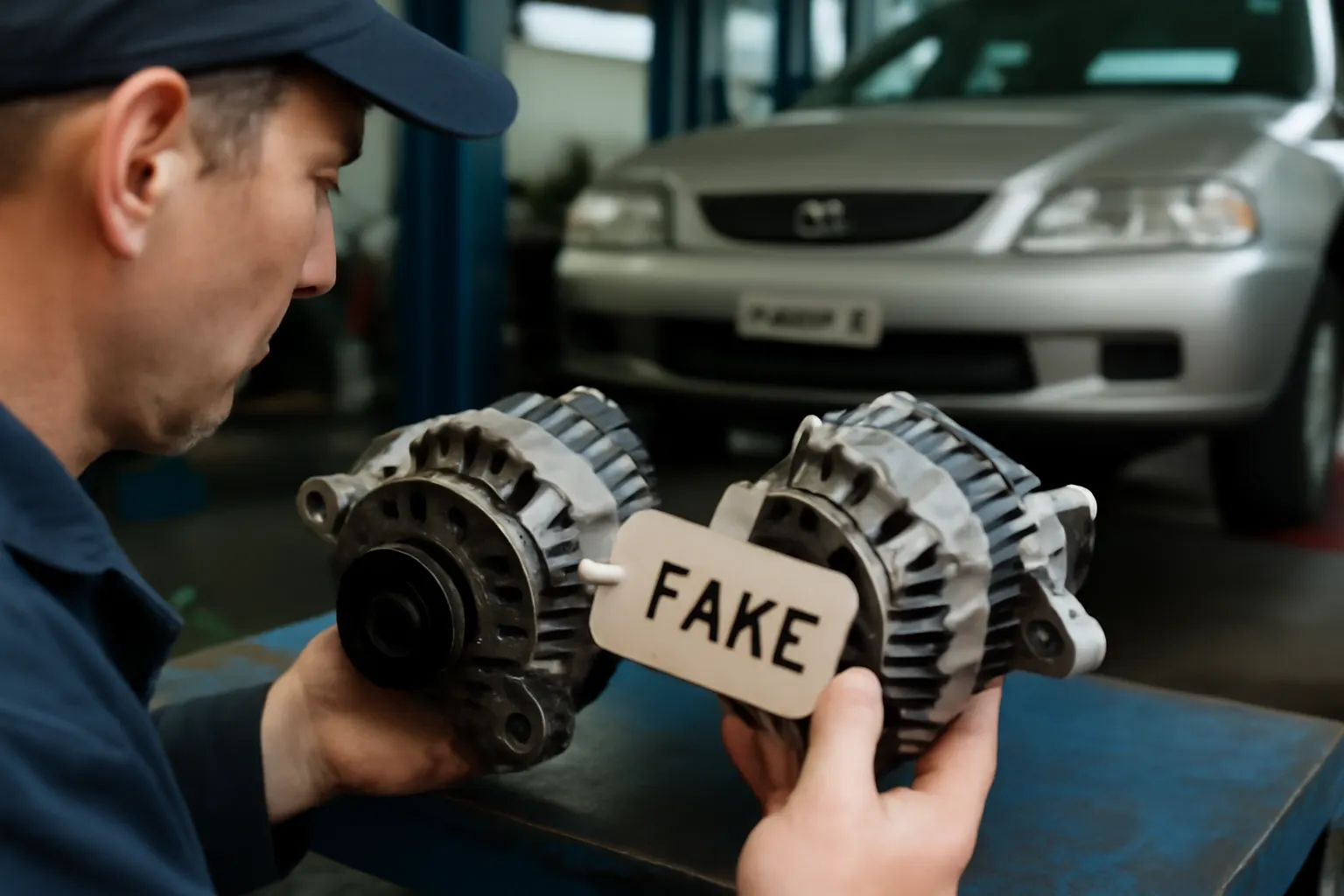
The Risks of Counterfeit and Substandard Parts
The scarcity of genuine Asuna parts has led to a surge in counterfeit and substandard components on the market. These parts may look similar but often fail to meet OEM durability, safety, or fitment standards. The NHTSA warns that improper or uncertified replacement parts can compromise vehicle safety systems [1].
Red Flags:
- Inconsistent branding or packaging
- Unusually low prices
- Lack of clear warranty or certification
- Poor machining or finish quality
When in doubt, consult with an AutoPartEx specialist or rely on trusted suppliers with documented fitment data.
Maintaining Fuel Efficiency and Performance in Legacy Asunas
A well-maintained Asuna can still deliver impressive fuel economy for its era. The DOE recommends the following practices to maximize MPG and reduce emissions [2]:
- Keep tires inflated to factory specs.
- Use the correct grade of engine oil and fluids.
- Replace air and fuel filters on schedule.
- Address check engine lights or rough running immediately.
- Limit unnecessary idling and aggressive driving.
With regular care, most Asuna models can achieve or exceed their original EPA fuel economy ratings, despite their age.
Safety Equipment: Inspection and Replacement Standards
The NHTSA outlines minimum safety equipment standards for all vehicles, including legacy models [1]:
- Lighting: Inspect headlights, taillights, turn signals, and marker lights for function and lens clarity.
- Seat Belts: Check for fraying, latch function, and retractor performance.
- Airbags: If equipped, verify warning lights and replace modules as needed.
- Brakes: Ensure even pad wear, proper pedal travel, and no fluid leaks.
- Tires: Inspect for tread depth (minimum 2/32"), age, and sidewall condition.
Address any deficiencies immediately. For recalls, check your VIN at the NHTSA recalls portal.
Expert Action: Establishing Your Asuna’s Long-Term Reliability Plan
- Set up a digital or paper service log with all maintenance and repairs.
- Decode your VIN and cross-reference parts before ordering.
- Source only from trusted suppliers—avoid deals that seem “too good to be true.”
- Follow the preventative maintenance checklist rigorously.
- Inspect safety equipment and systems at least annually.
- Stay informed: Monitor service bulletins and recalls via NHTSA and trusted automotive resources.
For owners seeking platform-specific advice, fitment data, and a curated catalog of verified parts, AutoPartEx is your go-to resource. Our technical team specializes in legacy brands like Asuna, ensuring you receive only the most accurate, safety-compliant, and performance-tested solutions.
Why Choose AutoPartEx for Your Asuna’s Maintenance Journey?
AutoPartEx stands apart by offering:
- OEM heritage expertise: Deep platform knowledge for accurate fitment.
- Technical fitment verification: VIN-based matching and cross-referencing.
- Quality sourcing: Only parts that meet or exceed SAE and NHTSA standards.
- Educational resources: In-depth guides, checklists, and troubleshooting tips.
For an authoritative selection of Asuna-compatible parts and technical diagrams, visit our Asuna Auto Parts: OEM Heritage, Technical Fitment, and Quality Sourcing | AutoPartEx page.