Preventing Key Fob Signal Theft: Security Best Practices
Modern keyless entry systems offer unmatched convenience, but they also introduce new security vulnerabilities—most notably, key fob signal theft, often called a "relay attack." Understanding the risks and adopting proven security measures is crucial for protecting your vehicle. This comprehensive guide explores the latest threats to key remotes/fobs, explains the mechanics behind signal theft, and provides actionable strategies to keep your vehicle secure.
For a broader look at key fob technology, access systems, and security, see our Key Remote/Fob Systems: Complete Guide to Modern Vehicle Access and Security.
Fast Answer: How to Prevent Key Fob Signal Theft
The most effective way to prevent key fob signal theft is to block or disrupt the wireless communication between your key fob and potential thieves. This can be achieved by:
- Storing your key fob in a Faraday pouch or metal container when not in use.
- Disabling passive entry features if your vehicle allows.
- Regularly updating your vehicle’s software and firmware.
- Parking in secure, well-lit locations or monitored garages.
- Being vigilant for suspicious activity near your vehicle.
These steps, when combined, significantly reduce the risk of unauthorized access via relay or signal amplification attacks.
The Hidden Problem: Why Key Fob Signal Theft Is on the Rise
While keyless entry systems enhance driver convenience, they also create new opportunities for tech-savvy criminals. Standard remote key fobs continuously emit a low-power radio frequency (RF) signal designed to communicate with your vehicle. Thieves can exploit this by using inexpensive relay devices to capture and amplify your fob’s signal—even through walls or windows.
This vulnerability is not limited to luxury vehicles; most modern cars with keyless entry and start systems are susceptible. The National Highway Traffic Safety Administration (NHTSA) reports increasing incidents of vehicle theft related to electronic vulnerabilities, including those involving key fob signal interception NHTSA Equipment.
Understanding Relay Attacks and Signal Amplification
A relay attack is a sophisticated form of electronic theft where criminals use two devices: one captures the signal from your key fob (often from inside your home), and the other relays it to your vehicle. This tricks the car into thinking the fob is present, allowing thieves to unlock, start, and drive away—all within minutes.
How It Works:
- Signal Capture: One thief stands near your home or office with a device that detects and amplifies your key fob’s signal.
- Signal Relay: A second device, held by an accomplice near your vehicle, receives the signal and transmits it to the car.
- Unauthorized Access: The car responds as if the legitimate key fob is nearby, unlocking doors and enabling the ignition.
Because the attack exploits legitimate system functions, there’s often no physical evidence of a break-in.
Key Fob Vulnerabilities: More Than Just Convenience
Key fobs use radio frequency identification (RFID) or low-frequency (LF) signals to communicate with vehicles. These signals, while encrypted, can be intercepted or relayed if not properly shielded. Some vulnerabilities include:
- Passive Keyless Entry (PKE): Fobs that constantly emit signals are most at risk.
- Rolling Code Systems: While more secure, some rolling code implementations can still be cloned or jammed.
- Firmware Flaws: Outdated vehicle software may lack the latest security patches.
The convenience of never needing to press a button or insert a key comes at the price of exposing your vehicle to tech-based theft methods.
Evaluating Your Vehicle’s Risk Level
Not all vehicles are equally vulnerable. The risk depends on several factors:
- Type of Key Fob: Passive keyless entry fobs are more susceptible than manual remote fobs.
- Vehicle Make and Model: Some manufacturers have implemented advanced encryption or motion-sensing fobs that deactivate when not in motion.
- Software Updates: Vehicles with regularly updated electronic control units (ECUs) are better protected against known exploits.
- Physical Security: Garage parking and surveillance systems deter opportunistic thieves.
Checklist: Is Your Car at Risk?
- Does your car unlock automatically when you approach?
- Can you start your car without physically inserting a key?
- Is your key fob always active, or does it go to sleep when stationary?
- Have you checked for security recalls or updates from your manufacturer?
If you answered “yes” to the first three, your vehicle is at a higher risk for relay attacks.
Essential Security Best Practices for Key Fob Owners
Protecting your vehicle requires a layered approach. Consider the following best practices:
1. Use a Faraday Pouch or Signal-Blocking Container
A Faraday pouch is a specially designed case lined with conductive material that blocks RF signals. When your key fob is inside, it cannot communicate with your vehicle or nearby relay devices.
Practical Tips:
- Always store your key fob in a Faraday pouch at home and work.
- Test your pouch by standing next to your car and attempting to unlock it; if it works, your pouch may be faulty.
- Consider a metal box or tin as a budget alternative, but ensure it blocks all signals.
2. Disable Passive Entry Features
Some vehicles allow you to disable passive entry or keyless start features in the settings menu. Doing so forces you to press a button or insert the fob, preventing continuous signal emission.
- Check your owner’s manual or consult your dealer for instructions.
- Some vehicles require dealer intervention to change these settings.
3. Update Vehicle Software and Firmware
Manufacturers periodically release security updates for vehicle ECUs and keyless systems. These updates patch vulnerabilities and enhance encryption.
- Schedule regular service appointments with your dealer.
- Register your vehicle for recall and software update notifications at NHTSA Equipment.
4. Practice Smart Parking Habits
- Park in well-lit, busy areas or monitored garages.
- Avoid leaving your fob near exterior walls, doors, or windows.
- Use additional physical barriers like steering wheel locks to deter theft.
Advanced Solutions: Upgrading and Customizing Key Fob Security
For high-risk environments or added peace of mind, advanced security solutions are available.
Aftermarket Immobilizers
These devices add an extra layer of authentication, requiring a PIN code or secondary fob to start the vehicle. They’re independent of the main keyless entry system and can thwart relay attacks.
Motion-Sensing Key Fobs
Some manufacturers now offer fobs that deactivate when stationary for a set period. This renders relay attacks ineffective unless the fob is moving.
Signal Jammers and Kill Switches
Professional installers can fit your vehicle with kill switches or RF jammers that disrupt unauthorized communication with your car’s electronics.
OBD Port Locks
Many modern vehicle thefts involve accessing the onboard diagnostics (OBD) port to reprogram keys. OBD port locks prevent unauthorized access to your vehicle’s electronics.
Key Fob Maintenance: Keeping Security Features Functional
A malfunctioning key fob is not just an inconvenience—it can also be a security risk.
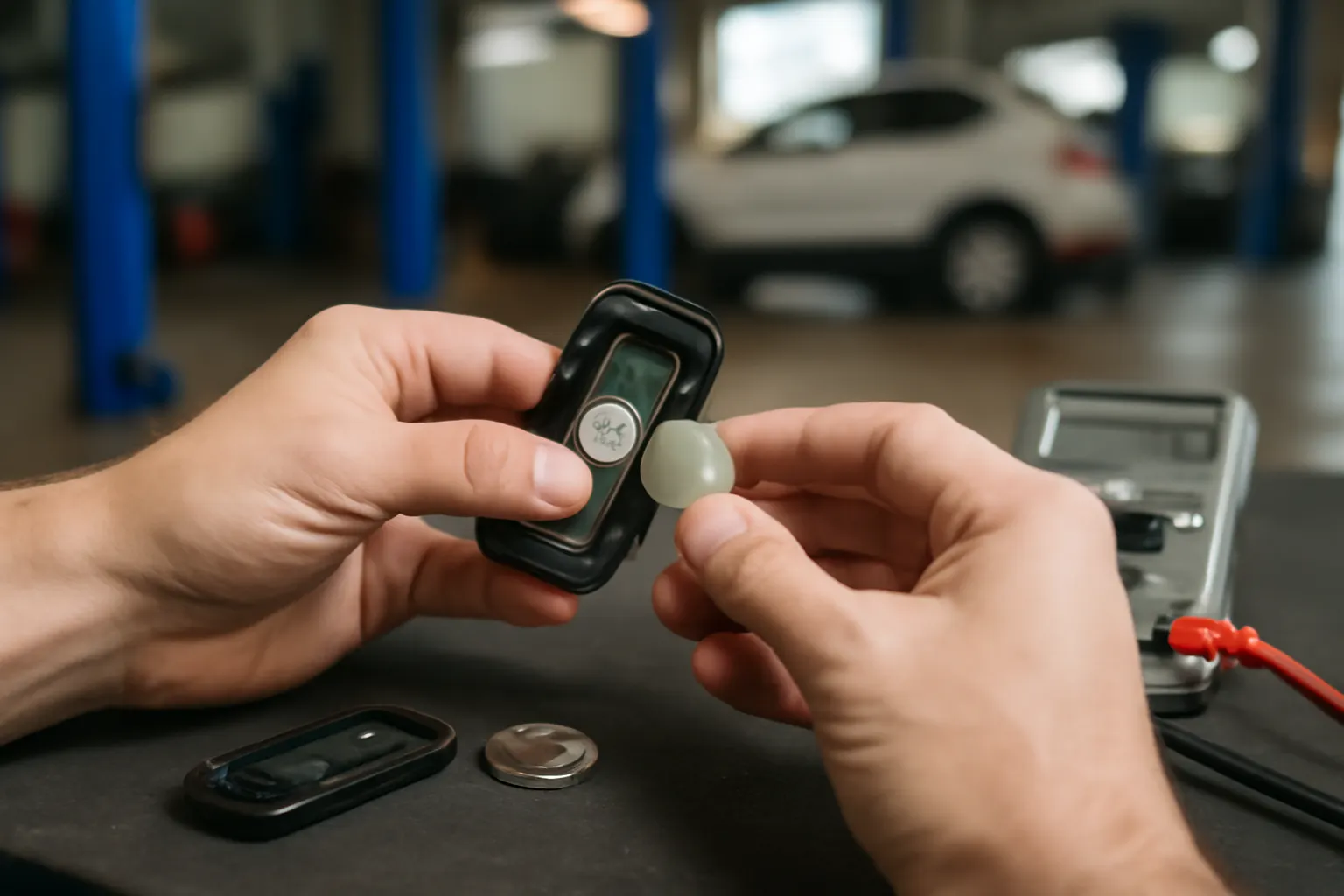
- Replace Batteries Regularly: Weak batteries may prevent your fob from entering sleep mode, increasing vulnerability. See our Key Fob Battery Replacement: Tips and Tricks for guidance.
- Inspect for Physical Damage: Cracks or worn buttons can expose internal electronics.
- Test Signal Range: If your vehicle responds from unusually long distances, your fob may be transmitting at higher power than necessary.
Routine maintenance ensures that your key fob’s security features work as intended.
Diagnosing Key Fob Signal Vulnerabilities
If you suspect your vehicle is at risk or have experienced suspicious activity, perform the following diagnostics:
- Signal Range Test: Store your fob in different locations at home and test whether your car responds. If your vehicle unlocks while your fob is inside, invest in better signal blocking.
- Audit Vehicle Logs: Many modern vehicles record access attempts. Review your car’s onboard logs or consult your dealer for suspicious entries.
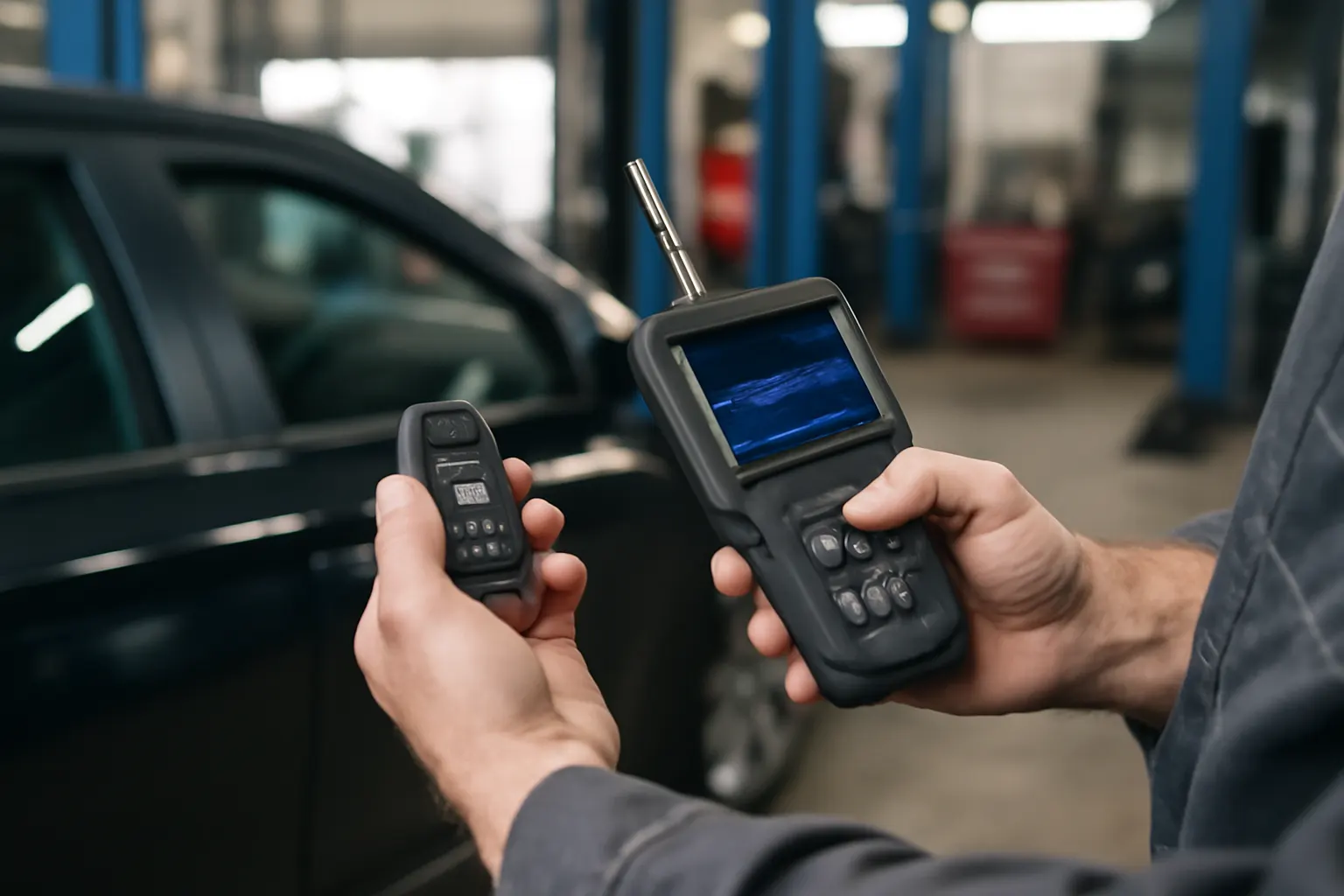
- Professional Assessment: Security specialists can scan for RF leakage and recommend specific countermeasures.
Responding to a Suspected Relay Attack
If you believe your vehicle has been targeted:
- Change Parking Locations: Thieves often return to the same area.
- Contact Authorities: Report suspicious activity to local law enforcement.
- Consult Your Dealer: Request a security audit or software update.
- Reset Key Fob Codes: Some vehicles allow you to reprogram or erase lost/stolen fobs; see How to Program a Replacement Key Fob for more details.
Buying Guide: Choosing Secure Key Remote/Fob Systems
When purchasing a new or replacement key fob, consider the following criteria:
| Feature | Security Benefit | Recommendation |
|---|---|---|
| Rolling Code Encryption | Prevents code-grabbing attacks | Essential for all new purchases |
| Motion Detection/Sleep Mode | Disables signal when fob is stationary | Highly recommended |
| Manufacturer Software Support | Ensures timely security updates | Register with your vehicle brand |
| Aftermarket Immobilizer | Adds secondary authentication layer | Consider for high-risk vehicles |
Always source key fobs and security upgrades from reputable suppliers or authorized dealers to ensure compatibility and warranty coverage.
Checklist: Daily Security Habits for Key Fob Owners
Adopting consistent security habits is the most effective defense against key fob signal theft.
- Store your key fob in a Faraday pouch or metal container.
- Keep your fob away from exterior walls, windows, and entryways.
- Regularly update your vehicle’s software and firmware.
- Disable passive entry features if possible.
- Use physical deterrents (steering wheel lock, OBD lock).
- Park in secure or monitored locations.
- Be alert to suspicious activity around your vehicle.
- Periodically review your vehicle’s access logs (if available).
- Replace key fob batteries proactively.
- Register for manufacturer recalls and security updates.
Integrating Key Fob Security with Vehicle Systems
Modern vehicles rely on a network of electronic systems for access, ignition, and immobilization. Understanding how your key fob interacts with these systems is essential for comprehensive security.
- Immobilizer Systems: These prevent the engine from starting without the correct key signal. Learn more in our Understanding Vehicle Immobilizer Systems.
- Central Locking and Alarm Integration: Some fobs control additional features like windows, trunks, or alarms. Ensure these are configured securely.
- Diagnostic Tools: Professional-grade scan tools can help identify vulnerabilities or unauthorized access attempts.
A holistic approach ensures that your key fob security measures work seamlessly with your vehicle’s broader safety systems.
AutoPartEx: Your Partner in Automotive Security
At AutoPartEx, we’re committed to helping drivers understand and address the evolving challenges of modern vehicle security. Our technical expertise, curated product selection, and comprehensive guides empower you to choose the right parts and practices for your vehicle.
Whether you’re sourcing genuine replacement key fobs, upgrading your security, or seeking diagnostic support, AutoPartEx connects you with the resources and parts you need. For more technical insights and product recommendations, visit our Key Remote/Fob Systems: Complete Guide to Modern Vehicle Access and Security.
Taking Action: Expert Recommendations
- Assess Your Risk: Review your vehicle’s keyless entry features and storage habits.
- Implement Layered Security: Combine electronic and physical deterrents for best results.
- Stay Informed: Register for manufacturer updates and regularly check for software or security recalls.
- Consult Professionals: For advanced upgrades or diagnostics, engage a certified automotive security specialist.
Proactive steps today can prevent costly theft tomorrow. By understanding the mechanics of key fob signal theft and applying proven best practices, you ensure your vehicle remains secure against evolving threats.