Modern Grilles and Sensor Technology: What You Need to Know
Modern automotive grilles are no longer just stylish front-end features—they are critical interfaces for advanced driver-assistance systems (ADAS). If you’re considering a grille replacement or repair, understanding how sensors integrate into modern grilles is essential. Failing to select a compatible grille can compromise your vehicle’s safety systems, disrupt functionality, and even affect compliance with manufacturer and regulatory standards. This guide explores the intersection of grille design and sensor technology, providing vital insights for safe, effective, and future-ready grille replacement.
For a foundational overview of grille function and design, see our Comprehensive Guide to Automotive Grilles: Function, Design, and Replacement.
The Quick Answer: Why Sensor-Ready Grilles Matter
Today’s vehicles increasingly rely on grilles to house radar, lidar, ultrasonic, and camera sensors for ADAS features like adaptive cruise control, collision avoidance, and lane-keeping assist. When replacing a grille, it’s critical to choose a model specifically designed for your vehicle’s sensor suite. Using an incompatible grille can block or distort sensor signals, leading to malfunction, warning lights, or deactivation of safety features. Always verify sensor compatibility and mounting provisions before purchasing or installing a replacement grille.
The Hidden Problem: Overlooked Sensor Integration During Grille Replacement
Many vehicle owners and even some repair shops underestimate the complexity of modern grille assemblies. While older grilles were simple protective or decorative panels, today’s designs often incorporate sensor mounts, transparent radomes, or special materials for signal transmission. Swapping in a generic or visually similar grille may seem straightforward, but it often leads to:
- Sensor misalignment or obstruction
- ADAS system errors or failures
- Diagnostic trouble codes (DTCs)
- Compromised safety performance
- Potential regulatory non-compliance
This hidden problem can result in costly rework and, more importantly, degraded safety on the road.
Understanding ADAS: The Rise of Sensor-Integrated Grilles
ADAS (Advanced Driver-Assistance Systems) have rapidly become standard on modern vehicles, driven by both consumer demand and safety regulations. Core ADAS features requiring grille-mounted sensors include:
- Adaptive Cruise Control (ACC): Uses radar or lidar sensors, often mounted behind the grille, to maintain safe following distances.
- Automatic Emergency Braking (AEB): Relies on forward-facing radar and cameras to detect obstacles and trigger braking.
- Collision Warning and Avoidance: Integrates multiple sensors, some located in the grille, to monitor traffic and objects.
- Parking Assist: Utilizes ultrasonic sensors, sometimes embedded in lower grille sections.
These systems depend on unobstructed sensor fields and precise alignment. The grille is no longer just a fascia—it’s a technologically sophisticated platform that must be engineered for sensor compatibility.
How Grille Design Affects Sensor Performance
Modern grilles are engineered not only for airflow and aesthetics but also for sensor functionality. Key design considerations include:
- Material Transparency: Radar and lidar sensors require grille materials that minimally attenuate or scatter signals. Specialized plastics or composite radomes are often used in designated sensor zones.
- Mounting Provisions: OEM grilles incorporate specific brackets, grommets, and alignment features for sensor installation.
- Pattern and Geometry: Slats, mesh, and emblem design must not interfere with sensor fields of view or signal paths.
- Vibration Damping: Sensors require stable mounting to prevent false readings due to vibration or resonance.
Replacing a grille with an aftermarket or non-sensor-compatible part can block, reflect, or distort sensor signals, resulting in unreliable ADAS operation.
Regulatory and Safety Implications
Government agencies, such as the National Highway Traffic Safety Administration (NHTSA), have established standards for vehicle safety equipment, including ADAS systems. Failure to maintain proper sensor integration after grille replacement may result in:
- Loss of critical safety features
- Diagnostic warnings or system shutdowns
- Non-compliance with safety regulations
- Increased risk of collision or injury
According to the NHTSA Vehicle Safety and Equipment guidelines, all safety equipment and systems must be maintained to manufacturer standards. Ignoring sensor compatibility can inadvertently disable or impair federally mandated safety features.
Common Sensor Types Found in Modern Grilles
Understanding the types of sensors integrated into grilles is crucial for proper replacement and maintenance. Common sensor types include:
1. Radar Sensors
Typically used for ACC and AEB, radar sensors are often mounted behind plastic radomes in the center or lower grille. These sensors require materials that are transparent to radio frequencies, such as specific grades of polycarbonate or ABS.
2. Lidar Sensors
Less common but growing in use, lidar sensors may be integrated into grille surrounds or adjacent trim. They demand clear, undistorted optical paths.
3. Cameras
Some grilles house forward-facing cameras, either as standalone units or integrated with emblems. These require precise mounting and unobstructed views.
4. Ultrasonic Sensors
Used for parking assist, these small round sensors are often embedded in lower grille sections or bumper covers.
5. Temperature and Humidity Sensors
Some vehicles integrate environmental sensors in the grille area to inform HVAC and powertrain systems.
Each sensor type has unique mounting, alignment, and material requirements that must be preserved during grille replacement.
Checklist: Evaluating Grille Compatibility with Sensors
Before purchasing or installing a replacement grille, use this checklist to ensure full sensor compatibility:
Grille Sensor Compatibility Checklist
| Step | Action Item | Why It Matters |
|---|---|---|
| 1. Identify All Grille-Mounted Sensors | Inspect OEM grille for radar, lidar, camera, or other sensors | Ensures all sensors are accounted for |
| 2. Check OEM Part Number | Use OEM part numbers to cross-reference compatibility | Prevents fitment and mounting issues |
| 3. Verify Sensor Mounting Provisions | Confirm replacement grille has correct brackets, holes, and mounts | Maintains proper sensor alignment and stability |
| 4. Assess Material Transparency | Ensure radar/lidar zones use appropriate transparent plastics | Avoids signal blockage or distortion |
| 5. Examine Grille Pattern/Geometry | Compare slats/mesh to OEM design, especially in sensor zones | Prevents field-of-view obstruction |
| 6. Review Manufacturer Specifications | Read product details for ADAS/ sensor compatibility claims | Ensures technical suitability |
| 7. Plan for Recalibration | Determine if sensor recalibration is required after installation | Restores optimal ADAS function |
Following this checklist can prevent costly errors and ensure your ADAS features continue to operate as designed.
Diagnosing Sensor Issues After Grille Replacement
If you’ve recently replaced your grille and are experiencing ADAS warnings, errors, or malfunctions, consider the following diagnostic steps:
- Check for Obstructions: Ensure no grille slats, emblems, or aftermarket accessories are blocking sensor zones.
- Inspect Sensor Mounting: Verify all sensors are securely attached and properly aligned.
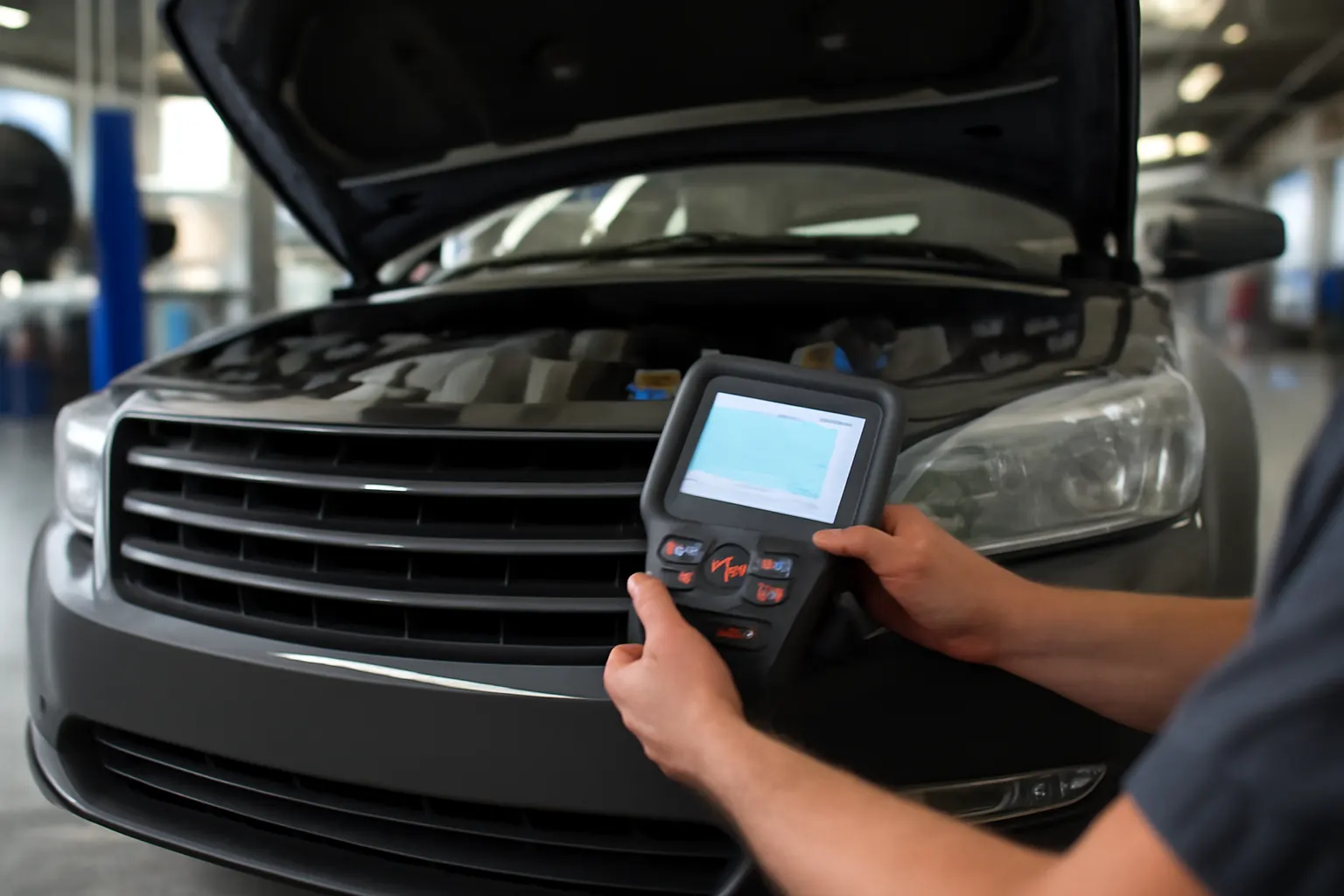
- Review Diagnostic Codes: Use a compatible scan tool to check for ADAS-related DTCs (diagnostic trouble codes).
- Test ADAS Functions: Safely test adaptive cruise, collision avoidance, and parking assist features.
- Consider Recalibration: Many ADAS sensors require recalibration after removal or replacement. Follow OEM procedures or consult a qualified technician.
If issues persist, revert to the original grille (if available) to confirm the new grille is the source of the problem.
For more on diagnosing overheating and grille-related issues, see Diagnosing Overheating: Is Your Grille the Culprit?.
The Role of Materials and Manufacturing in Sensor-Ready Grilles
The United States Department of Energy highlights the importance of advanced Materials Technologies in automotive design. For grilles, this means:
- Use of Radar-Transparent Plastics: Specially formulated plastics allow radar waves to pass with minimal attenuation, critical for radar-based ADAS.
- Precision Injection Molding: Ensures proper fitment and sensor alignment.
- UV and Weather Resistance: Maintains material properties and transparency over time.
- Integration of Mounting Hardware: Factory-installed brackets and grommets for consistent sensor positioning.
Aftermarket grilles that lack these features may not support sensor operation, even if they appear visually similar.
The Importance of Proper Installation and Sensor Recalibration
Even with a sensor-compatible grille, improper installation can compromise ADAS performance. Key best practices include:
- Follow OEM Procedures: Use manufacturer service manuals for removal and installation steps.
- Torque and Fastener Specs: Secure sensors and grille components to specified torque values.
- Wiring and Harness Care: Avoid pinching or stretching sensor wiring during assembly.
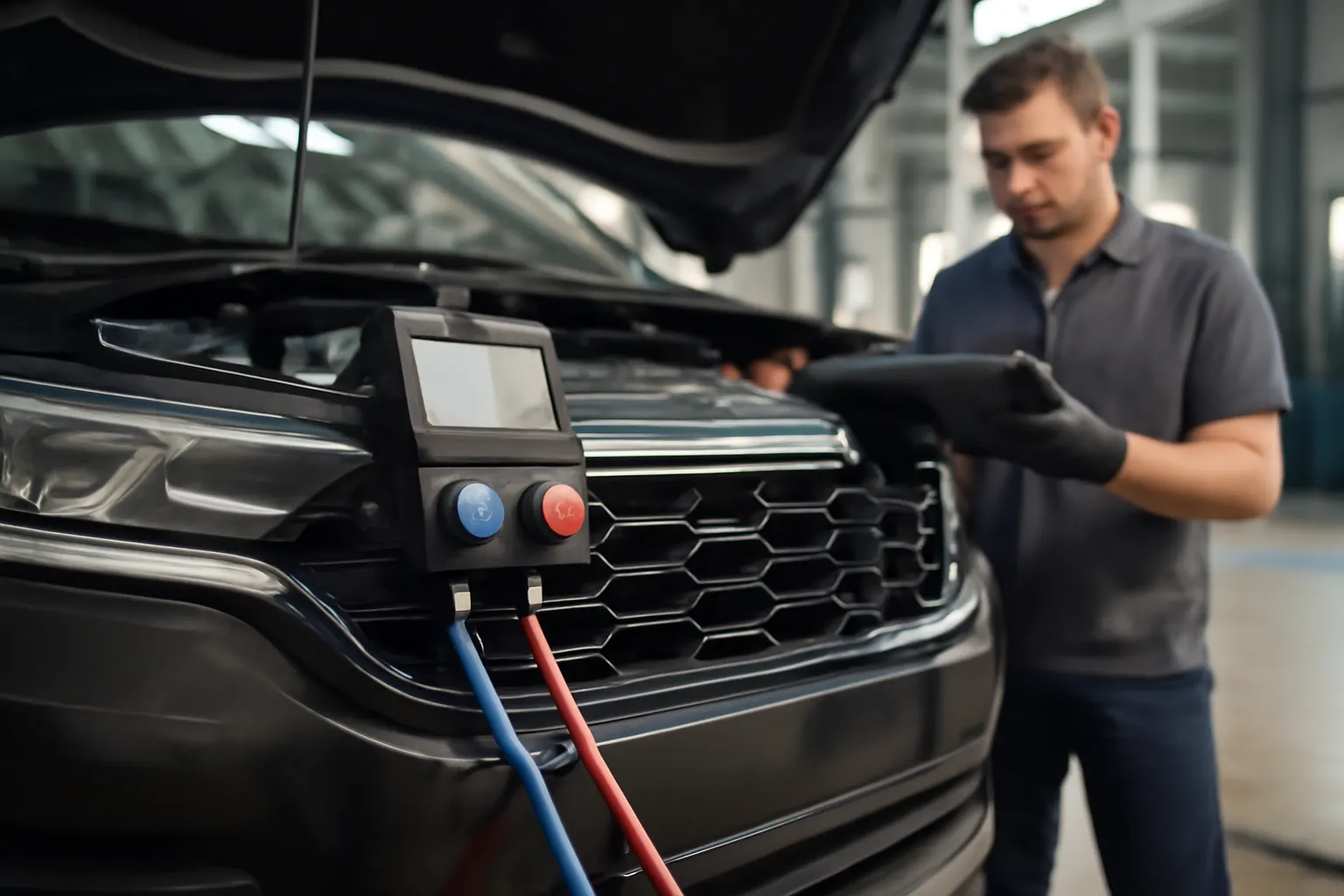
- Sensor Recalibration: Many ADAS sensors require recalibration after grille replacement to restore proper function. This may involve static or dynamic calibration using specialized equipment.
Neglecting recalibration can result in misaligned sensors, false alarms, or system shutdowns.
Sourcing the Right Grille: OEM vs. Aftermarket
When replacing a sensor-integrated grille, consider the following sourcing options:
- OEM (Original Equipment Manufacturer): Guarantees exact fit, sensor compatibility, and material quality. More expensive but ensures ADAS compliance.
- Aftermarket Sensor-Ready: Some aftermarket brands offer grilles designed for sensor integration, but always verify specifications and part numbers.
- Generic Aftermarket: Typically less expensive but may lack provisions for sensors, use incompatible materials, or compromise safety.
Always cross-reference part numbers and consult manufacturer application guides. If in doubt, opt for OEM or certified sensor-compatible aftermarket grilles.
For step-by-step guidance, see our How to Replace Your Vehicle's Grille: Step-by-Step Guide.
Maintenance Tips for Sensor-Integrated Grilles
Proper maintenance extends the lifespan of both your grille and the sensors it houses:
- Regular Cleaning: Gently wash grille and sensor areas with non-abrasive cleaners to remove dirt, bugs, and debris.
- Inspect for Damage: Check for cracks, loose mounts, or blocked sensor zones after minor impacts or road debris strikes.
- Seasonal Checks: In winter, remove ice and snow buildup from grille openings and sensor covers.
- Avoid Aftermarket Accessories: Grille guards, covers, or badges may interfere with sensor function—use only manufacturer-approved accessories.
Routine maintenance ensures reliable ADAS operation and preserves safety features.
When to Seek Professional Help
Sensor-integrated grille replacement is not always a DIY-friendly job. Seek professional assistance if:
- Your vehicle requires sensor recalibration using specialized equipment.
- The replacement grille lacks clear sensor mounting instructions.
- You encounter persistent ADAS warnings or errors after installation.
- Your vehicle is under warranty or subject to manufacturer recalls related to grille or sensor components.
Professional technicians have access to factory service information, diagnostic tools, and calibration equipment to ensure safe, compliant repairs.
The Future of Grille and Sensor Integration
As vehicle technology advances, grilles will play an even greater role in sensor integration. Trends to watch include:
- Active Grille Shutters: Electronically controlled shutters that optimize airflow and sensor exposure for fuel efficiency and performance (DOE Fuel Efficiency).
- Multi-Sensor Modules: Integrated camera, radar, and lidar units mounted behind seamless grille panels.
- Smart Emblems: Logos that double as sensor covers, blending aesthetics with function.
- Self-Healing and Hydrophobic Materials: Grilles that repel dirt and moisture, keeping sensors clean.
Staying informed about these trends will help ensure your vehicle remains safe, efficient, and up-to-date.
AutoPartEx: Your Partner for Sensor-Ready Grille Solutions
At AutoPartEx, we recognize the growing complexity of grille and sensor integration. Our curated selection of OEM and sensor-compatible aftermarket grilles ensures you get the right fit, function, and compliance for your vehicle. Our technical experts can help you identify the correct replacement, provide installation guidance, and connect you with professional calibration services as needed.
Explore our full range of grille solutions in our Comprehensive Guide to Automotive Grilles: Function, Design, and Replacement or browse by manufacturer—such as Acura—to find exact-match parts for your make and model.
Conclusion: Safe, Smart, and Sensor-Ready Grille Replacement
Modern automotive grilles are a critical interface between style, performance, and advanced safety technology. With ADAS sensors now commonly integrated into grille assemblies, replacing your grille is no longer a simple cosmetic repair—it’s a precision task that demands attention to material, mounting, and sensor compatibility. By following the diagnostic and sourcing guidance in this article, you can ensure your vehicle’s safety systems remain fully operational, compliant, and ready for the road ahead.
For more insights on grille performance, see The Impact of Grille Design on Cooling and Performance.