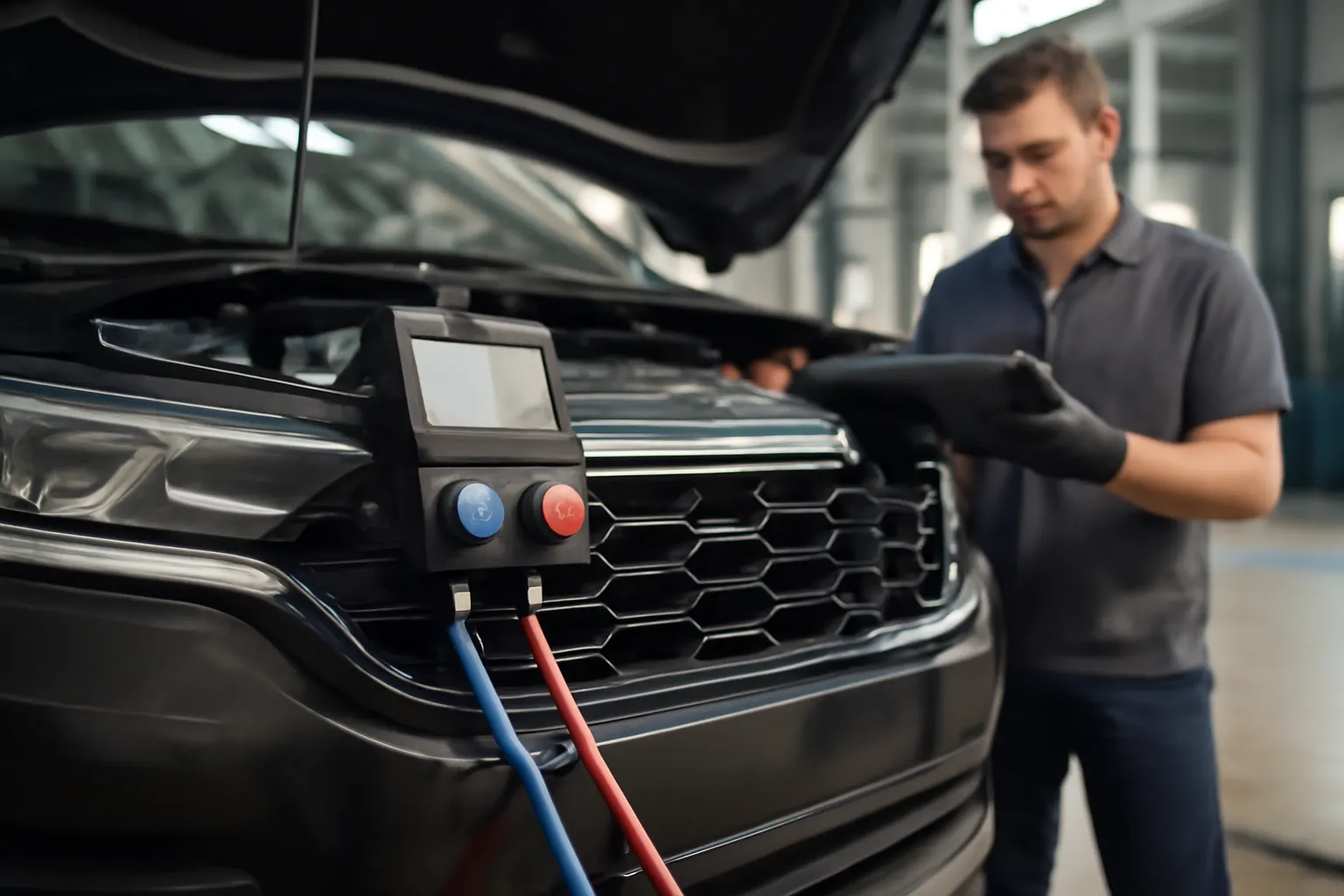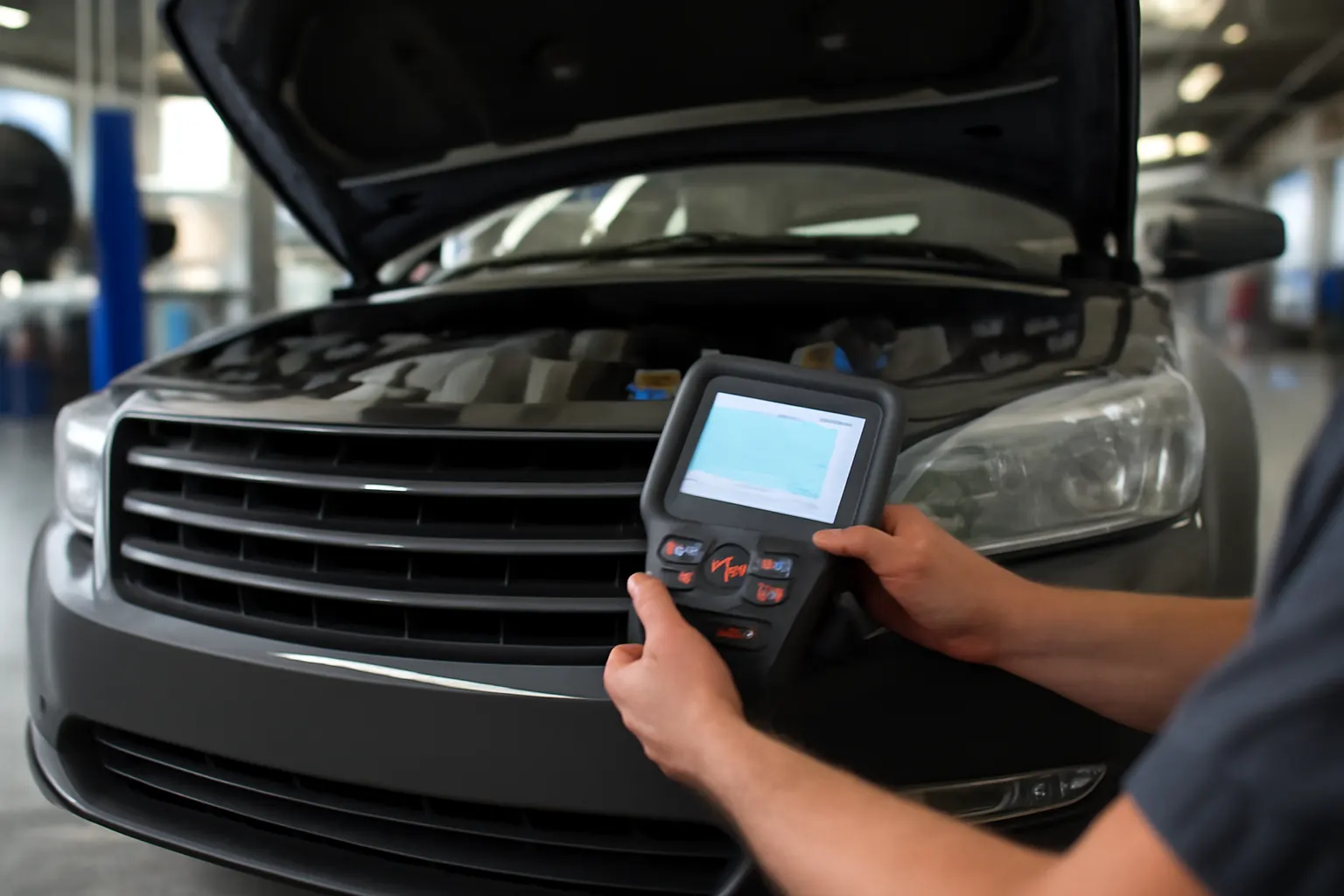
The Impact of Grille Design on Cooling and Performance
Automotive grilles are far more than ornamental features—they are critical to your vehicle’s cooling, air conditioning (AC) efficiency, and overall performance. Whether you drive an Acura, a classic AMC, or any modern vehicle, the grille at the front of your car is a gateway for airflow that directly impacts your engine’s health, fuel efficiency, and even safety. This comprehensive guide explores the engineering behind grille design, how it influences key systems, and what you need to know to diagnose, maintain, and upgrade your vehicle’s grille for optimal performance.
Grille Design: The Immediate Answer for Cooling and Performance
When it comes to engine cooling and performance, the design of your vehicle’s grille is a primary factor. The grille’s size, shape, mesh pattern, and placement dictate how much air reaches the radiator, AC condenser, and other heat exchangers. An efficient grille design ensures that your engine stays within optimal temperature ranges, your AC system operates efficiently, and your vehicle maintains aerodynamic efficiency. Modern grilles are engineered not just for aesthetics but to balance airflow, cooling, and drag reduction—directly impacting fuel efficiency and component longevity.
The Hidden Problem: Grille Design Choices Can Compromise Critical Systems
Despite its simple appearance, the grille’s engineering is a delicate trade-off. Too much airflow can increase drag and reduce fuel efficiency; too little can cause overheating and AC inefficiency. Poorly designed or damaged grilles can lead to:
- Engine overheating, especially in hot climates or during heavy loads
- Reduced AC performance due to insufficient condenser cooling
- Increased aerodynamic drag, lowering fuel economy
- Safety risks from improperly routed airflow or debris ingress
Many drivers and even some technicians overlook the grille’s role in these issues. The wrong aftermarket grille, improper installation, or ignoring grille damage can silently undermine your vehicle’s reliability and efficiency.
Engineering the Grille: How Design Details Matter
The grille’s function is to admit sufficient air for cooling while minimizing aerodynamic drag. Let’s break down the technical factors:
1. Aperture Size and Shape
The opening size determines how much air can flow to the radiator and condenser. Too small, and cooling suffers; too large, and aerodynamic drag increases. Manufacturers use wind tunnel testing and Computational Fluid Dynamics (CFD) to optimize this balance.
2. Mesh Pattern and Bar Orientation
The grille’s mesh or slat design affects airflow direction and speed. Horizontal, vertical, or honeycomb patterns each have advantages for airflow, debris protection, and styling. The mesh density must allow enough air through without letting in road debris that can damage radiators or AC condensers.
3. Material Selection
Modern grilles use high-strength plastics, aluminum, or composite materials for lightweight strength. Material choice affects durability, weight (and thus fuel efficiency per DOE Materials Technologies), and even crash safety.
4. Integration with Active Aero Systems
Many new vehicles feature active grille shutters that open or close based on engine temperature and speed, further optimizing cooling and aerodynamics for improved fuel efficiency.
How Grille Design Impacts Engine Cooling
The primary function of the grille is to direct cool air to the radiator, which dissipates engine heat. Here’s how grille engineering influences this process:
- Airflow Path: The grille must channel air directly to the radiator core. Poorly aligned or blocked grilles create “dead zones” where cooling is reduced.
- Pressure Differential: The grille’s placement and openness create a pressure difference between the front and rear of the radiator, forcing air through the cooling fins.
- Thermal Load Management: In high-performance or towing applications, a restrictive grille can cause rapid overheating, triggering limp mode or engine damage.
Diagnostic Tip: If your vehicle overheats at low speed but runs cool on the highway, a blocked or restrictive grille may be the cause. See our Diagnosing Overheating: Is Your Grille the Culprit? guide for step-by-step troubleshooting.
The Grille’s Role in Air Conditioning Efficiency
Your AC condenser sits just behind the grille, relying on incoming air to shed heat from the refrigerant. Grille design directly affects:
- Condenser Cooling: Insufficient airflow means the AC system can’t condense refrigerant efficiently, leading to poor cooling, especially at idle or in traffic.
- Fan Operation: The AC condenser fan may run more often or at higher speeds to compensate for poor grille airflow, increasing electrical load and wear.
- Compressor Longevity: High head pressures from inadequate condenser cooling can shorten AC compressor life (see AC Compressor and AC Condenser for more details).
Aerodynamics and Fuel Efficiency: The Hidden Cost of Poor Grille Design
A well-designed grille minimizes drag by smoothing airflow around the front of the vehicle. Here’s what the data shows:
- Drag Coefficient: Large, open grilles increase the frontal area and turbulence, raising the drag coefficient (Cd) and reducing highway fuel economy.
- Active Grille Shutters: Many late-model vehicles use electronically controlled shutters to close the grille at speed, reducing drag and improving fuel efficiency by up to several percent.
- Trade-Offs: Some sporty or luxury models use aggressive grille designs for styling, but these can compromise aerodynamic efficiency unless carefully engineered.
Practical Example: The difference between a base model’s simple grille and a performance variant’s open mesh can mean the difference between steady AC cooling in summer or a system that struggles in traffic.
Safety Considerations: Grille Design and Crashworthiness
Grilles are part of the vehicle’s front-end structure and influence safety in several ways:
- Pedestrian Impact: Modern grilles are designed to deform in specific ways to reduce injury risk to pedestrians.
- Sensor Integration: Advanced Driver Assistance Systems (ADAS) sensors (radar, lidar) are often mounted behind the grille, requiring unobstructed, non-reflective materials. See our Modern Grilles and Sensor Technology: What You Need to Know for more.
- Debris Protection: The grille must prevent rocks and debris from reaching critical components without restricting airflow.
The National Highway Traffic Safety Administration (NHTSA) sets equipment standards that include grille performance in crash scenarios and equipment recalls.
Diagnosing Grille-Related Cooling or AC Problems
If you suspect your grille is affecting engine or AC performance, use this diagnostic checklist:
Grille Diagnostic Checklist
| Symptom | Possible Grille-Related Cause | Action to Take |
|---|---|---|
| Engine overheating | Blocked, damaged, or restrictive grille | Inspect for obstructions, replace grille |
| AC weak at idle | Poor airflow to condenser due to grille design/blockage | Check grille and condenser cleanliness |
| Radiator/condenser damage | Inadequate debris protection from grille mesh | Upgrade to finer mesh grille |
| High-speed wind noise | Poor grille fitment/aerodynamics | Ensure grille is properly installed |
| ADAS sensor errors | Metallic or obstructive grille replacement | Use OEM-spec grille for sensor area |
Regularly inspect your grille for cracks, missing pieces, or debris buildup. Even minor damage can disrupt airflow and cooling.
Grille Upgrades: What to Consider for Performance and Style
Aftermarket grilles are popular for customization, but not all are created equal. Here’s what to look for:
1. Fitment and Compatibility
Always choose a grille designed for your specific make, model, and year. Poorly fitting grilles can leave gaps or block airflow, reducing cooling efficiency.
2. Material and Durability
Opt for high-quality ABS plastic, aluminum, or composite materials tested to OEM standards. Avoid low-cost grilles that may warp, crack, or fade.
3. Mesh Design and Airflow
Select a mesh pattern that balances airflow and debris protection. Performance grilles often feature larger openings, but make sure they don’t compromise radiator or condenser safety.
4. Sensor and Shutter Compatibility
If your vehicle uses active grille shutters or ADAS sensors, ensure any replacement grille is compatible. Modifying or deleting these systems can trigger warning lights or reduce safety.
Tip: Consult your vehicle’s manual or an experienced technician before installing aftermarket grilles, especially on late-model vehicles with integrated sensors or active aero features.
Maintaining and Cleaning Your Grille for Optimal Performance
A clean, undamaged grille is essential for cooling and performance. Follow these steps:
Grille Maintenance Checklist
- Inspect Monthly: Check for cracks, missing pieces, or loose mounting points.
- Clean Regularly: Use a soft brush and mild detergent to remove bugs, dirt, and debris from the grille and the radiator/condenser behind it.
- Check for Obstructions: Ensure no leaves, plastic bags, or other debris are lodged in the grille or cooling fins.
- Verify Fitment: Make sure the grille is securely attached and not vibrating or rattling at speed.
- Monitor Sensors: If equipped, confirm that ADAS sensors behind the grille are unobstructed and clean.
Neglecting grille maintenance can lead to gradual performance loss, overheating, or even expensive repairs.
Replacing Your Grille: Installation Guidance
Whether due to damage or for an upgrade, grille replacement is a straightforward DIY project for many vehicles. Here’s a general overview:
Step-by-Step Grille Replacement
- Consult Your Manual: Each vehicle is different; follow manufacturer instructions.
- Gather Tools: Typically, you’ll need screwdrivers, trim removal tools, and possibly a socket set.
- Remove Fasteners: Locate and remove all screws, clips, or bolts securing the old grille.
- Gently Release Grille: Use trim tools to carefully pry the grille from its mounting points.
- Inspect Mounts: Check for damage to grille supports or adjacent bodywork.
- Install New Grille: Align the new grille, secure with existing hardware, and ensure a snug fit.
- Test Fitment: Close the hood, check for gaps, and confirm that all sensors (if present) are working.
For a detailed walkthrough, see our How to Replace Your Vehicle's Grille: Step-by-Step Guide.
Selecting the Right Grille for Your Needs
When choosing a replacement or upgraded grille, consider:
- OEM vs. Aftermarket: OEM grilles guarantee perfect fit and sensor compatibility. Aftermarket options offer more styles but require careful selection.
- Performance Needs: If you tow, drive in hot climates, or have a high-performance engine, prioritize maximum airflow and robust debris protection.
- Climate and Environment: In areas with heavy bugs, sand, or debris, finer mesh grilles protect radiators but may need more cleaning.
- Aesthetics vs. Function: Aggressive designs look great but must not compromise cooling or sensor function.
Consult reputable suppliers and check reviews for real-world fitment and performance feedback.
Grille Design Innovations: Active Systems and Future Trends
Automotive grille technology is rapidly evolving:
- Active Grille Shutters: Electronically controlled shutters optimize airflow for cooling or close to reduce drag at highway speeds.
- Integrated Sensors: Grilles now house radar, lidar, and cameras for ADAS, requiring transparent or non-metallic materials in sensor zones.
- Composite Materials: Lightweight composites improve crash performance and fuel efficiency.
- Modular Designs: Some manufacturers use modular grille inserts for easy customization or repair.
These innovations are driven by stricter fuel economy, emissions, and safety standards, as well as consumer demand for both performance and style.
Common Pitfalls: Mistakes to Avoid When Upgrading or Replacing Grilles
Many enthusiasts make these errors when modifying their grilles:
- Blocking Airflow: Overly dense mesh or decorative inserts can choke off airflow, causing overheating or AC issues.
- Ignoring Sensor Requirements: Replacing a sensor-integrated grille with a non-compatible design can disable safety features.
- Poor Fitment: Universal grilles rarely fit as well as model-specific options, leading to rattles, leaks, or wind noise.
- Neglecting Maintenance: Aftermarket grilles may require more frequent cleaning, especially with tighter mesh patterns.
When in doubt, consult a professional or refer to your vehicle’s service manual.
AutoPartEx: Your Partner for Grille Solutions
At AutoPartEx, we understand that grille engineering is about more than looks—it’s about keeping your engine, AC, and safety systems performing their best. Our comprehensive Comprehensive Guide to Automotive Grilles: Function, Design, and Replacement covers everything from OEM specifications to the latest innovations. Whether you’re diagnosing an overheating issue, upgrading for style, or replacing a damaged grille, our technical resources and curated parts selection ensure you get the right fit, performance, and reliability.
Explore our catalog for grilles, Air Box/Air Cleaner, and related cooling and AC components. Our team is ready to help you choose, install, and maintain the parts that keep your vehicle running cool and efficient.
Conclusion: Grille Design Is Central to Modern Vehicle Performance
The humble grille is a highly engineered component that bridges style, safety, and science. Its design choices ripple through your vehicle’s cooling system, AC performance, fuel efficiency, and even crash safety. By understanding the technical details and practical implications of grille design, you can make informed decisions—whether you’re maintaining your daily driver, restoring a classic, or upgrading for performance and style.
Don’t overlook the grille’s role in your vehicle’s health. Regular inspection, proper cleaning, and choosing the right replacement or upgrade will pay dividends in reliability, comfort, and efficiency.
References
- Fuel Efficiency — United States Department of Energy
- Materials Technologies — United States Department of Energy
- Vehicle Safety and Equipment — National Highway Traffic Safety Administration