Modern Grilles and Sensor Technology: What You Need to Know
Modern automotive grilles are no longer just about airflow and aesthetics—they are now central to the integration of advanced driver-assistance systems (ADAS), including radar, lidar, and camera-based sensors. When replacing or upgrading your grille, understanding how these sensors are embedded and supported is critical for maintaining vehicle safety and performance. This comprehensive guide explains the interplay between grille design and sensor technology, the risks of improper replacements, and how to ensure you choose the right grille for your vehicle’s advanced safety features.
If you’re looking for a foundational overview of grille types and their evolving role, start with our Comprehensive Guide to Automotive Grilles: Function, Design, and Replacement.
The Immediate Answer: Grilles Are Now Sensor Hubs
Today’s vehicle grilles do far more than protect radiators and define a car’s style. They increasingly serve as mounting points and protective covers for ADAS sensors—devices that power features like adaptive cruise control, automatic emergency braking, and lane-keeping assist. When you replace a grille on any late-model vehicle, it’s essential to select a part engineered for sensor compatibility. Failure to do so can compromise critical safety systems and potentially violate safety equipment standards.
Key Takeaway:
Modern grilles are integral to the function of embedded safety sensors. Always ensure sensor compatibility when sourcing replacements or upgrades.
The Hidden Problem: Sensor Integration Risks with Grille Replacement
It’s easy to assume that any grille matching your vehicle’s year, make, and model will suffice. However, with the proliferation of embedded radar, lidar, and camera sensors behind or within grilles, improper replacements can lead to:
- Blocked or misaligned sensors
- Malfunctioning ADAS features
- False system warnings or error codes
- Increased risk of accidents due to disabled safety systems
The National Highway Traffic Safety Administration (NHTSA) underscores the importance of proper equipment and sensor function for vehicle safety [Vehicle Safety and Equipment]. A grille that is not specifically designed to accommodate and support your vehicle’s sensor suite can render these systems inoperative.
The Technical Deep Dive: How Grilles and Sensors Interact
The Role of Grilles in ADAS Sensor Performance
Modern ADAS sensors are typically mounted behind the front grille. Radar sensors, for example, emit electromagnetic waves that must pass through the grille’s plastic or composite material without interference. Lidar and camera sensors require unobstructed, clear sight lines.
Key sensor types integrated with grilles:
- Radar: Adaptive cruise control and collision avoidance use radar modules typically mounted centrally behind the grille.
- Lidar: Used in some advanced vehicles for precise object detection and mapping.
- Ultrasonic: Primarily for park assist, may be embedded in grille surrounds.
- Cameras: Increasingly common for lane-keeping, pedestrian detection, and surround-view systems.
Material and Design Considerations
The U.S. Department of Energy notes that grille materials and structure directly affect both safety and vehicle performance [Materials Technologies]. Grille plastics must be radar-transparent and free from metallic content or coatings that could reflect or absorb sensor signals. The grille’s pattern, thickness, and finish all influence sensor accuracy.
The Impact of Sensor-Incompatible Grilles
Common Issues When Using Non-Compatible Grilles
- Radar Obstruction:
Aftermarket or non-sensor-specific grilles may use materials or finishes (such as metallic paint or chrome) that block radar waves, causing the ADAS system to give false readings or stop functioning. - Camera Misalignment:
Grilles with incorrect mounting points or altered angles can misalign forward-facing cameras, leading to poor image quality or system errors. - Sensor Vibration:
Poorly fitted grilles can cause sensor modules to vibrate, reducing measurement accuracy and reliability. - Diagnostic Trouble Codes (DTCs):
Modern vehicles constantly monitor sensor status. An incompatible grille can trigger warning lights, system shutdowns, or require dealer re-calibration.
Real-World Consequences
A seemingly minor grille replacement can disable features like automatic braking or adaptive cruise, increasing collision risk and potentially making the vehicle non-compliant with safety regulations [Vehicle Safety and Equipment].
Diagnosing Grille-Related Sensor Issues
If you’ve recently replaced your grille and notice ADAS malfunctions, consider the following diagnostic steps:
- Check for Warning Lights:
Most vehicles will display dashboard warnings if sensor communication is lost or readings are out of specification. - Scan for DTCs:
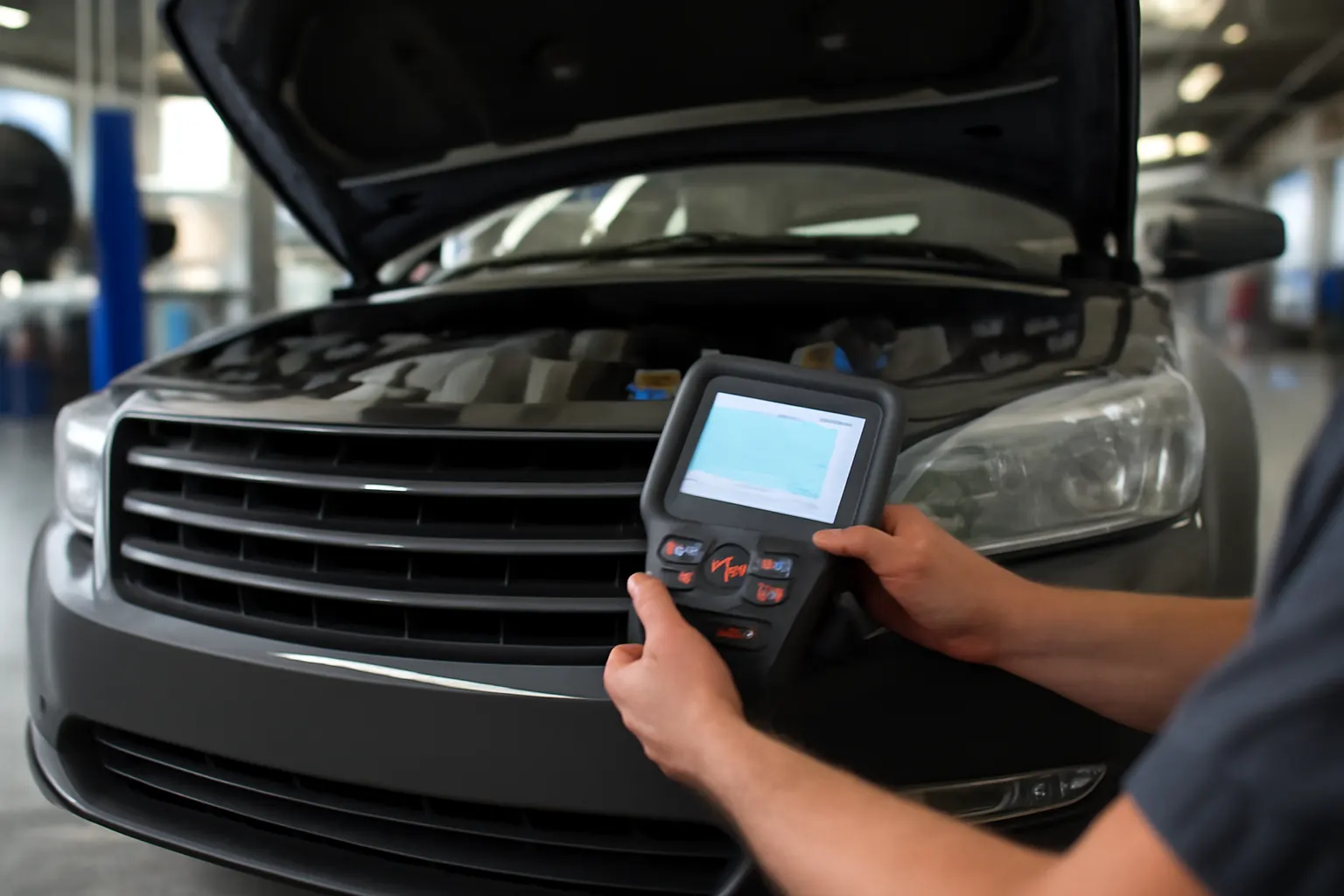
Use a diagnostic scanner to retrieve any stored trouble codes related to radar, lidar, or camera modules. - Inspect Sensor Mounts:
Ensure sensors are securely attached, correctly oriented, and undamaged. - Evaluate Grille Material:
Confirm that the grille is made from sensor-compatible, radar-transparent plastics with no metallic coatings. - Perform a Visual Alignment Check:
Make sure cameras and sensors have unobstructed views and are not misaligned by the grille structure.
If any issues are detected, address them immediately to restore full ADAS functionality.
Choosing the Right Grille: A Sensor Compatibility Checklist
When sourcing a replacement grille for a sensor-equipped vehicle, use this checklist to avoid costly mistakes:
| Requirement | Why It Matters | How to Verify |
|---|---|---|
| ADAS Compatibility | Ensures safety systems work as intended | Confirm with part supplier or OE documentation |
| Radar-Transparent Material | Prevents radar signal loss or distortion | Look for “sensor-compatible” or “radar-safe” |
| Correct Mounting Provisions | Maintains proper sensor alignment and stability | Inspect mounting tabs and positions |
| Absence of Metallic Coatings | Avoids signal reflection/interference | Avoid chrome or metallic finishes over sensors |
| OE or OE-Equivalent Fitment | Guarantees alignment, durability, and warranty compliance | Use VIN or OE part number for selection |
| Professional Calibration | Required after grille or sensor replacement to restore accuracy | Schedule with qualified technician |
Using this checklist greatly reduces the risk of ADAS malfunction after grille replacement.
Installation Best Practices: Getting It Right the First Time
Replacing a grille on a modern vehicle equipped with sensors is not a routine DIY task. Here’s how to approach the job:
Preparation
- Gather Information:
Review your vehicle’s service manual for ADAS sensor locations and grille removal instructions. - Obtain the Correct Grille:
Use your VIN to find an exact-match, sensor-compatible grille. - Prepare Tools:
You may need special fasteners or torque tools for sensor brackets.
Removal and Installation
- Disconnect the Battery:
Prevents accidental sensor activation or electrical shorts. - Remove Sensors Carefully:
Detach all sensor connectors and mounting clips. Handle sensors with care to avoid static discharge or impact damage. - Install New Grille:
Position the grille precisely, ensuring all sensor mounts align and fasten securely. - Reinstall Sensors:
Attach sensors to their dedicated brackets and connectors. Avoid twisting or pinching wiring.
Post-Installation
- Perform System Calibration:
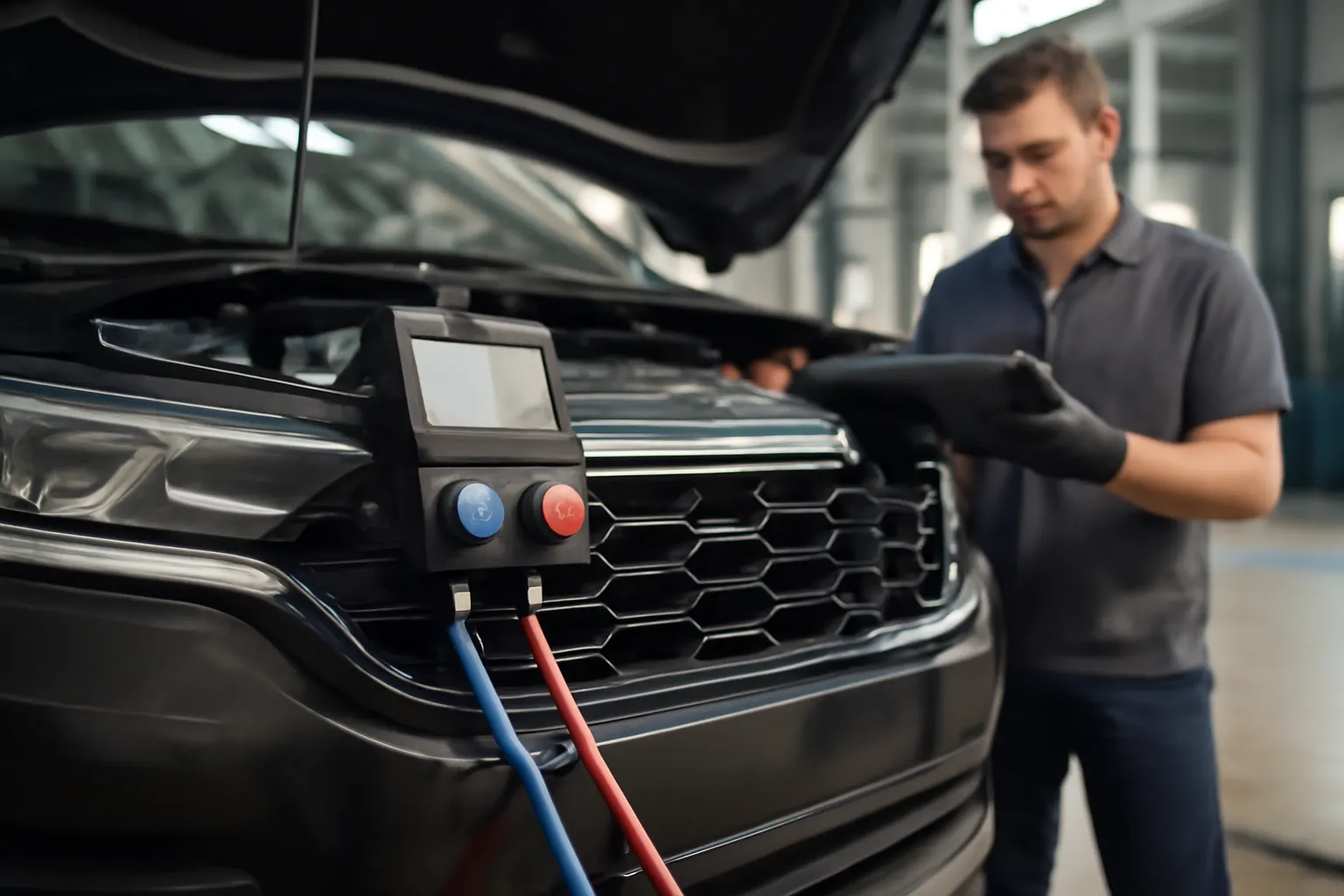
Many ADAS systems require recalibration after sensor or grille replacement. This often involves specialized equipment and targets. - Test All Features:
Verify that adaptive cruise, emergency braking, and camera functions operate normally.
Grille Design Evolution: Balancing Style, Cooling, and Sensors
While grilles have always been a focal point of automotive design, the integration of sensor technology adds new constraints and opportunities:
- Aerodynamics and Fuel Efficiency:
Grille openings must balance airflow for cooling with aerodynamic drag. Some modern grilles feature active shutters that close at speed for improved efficiency [Fuel Efficiency]. - Material Science:
Advanced plastics and composites are now used to optimize radar transparency and impact resistance. - Design Trends:
Manufacturers incorporate sensor windows—discrete, non-metallic sections within the grille—to provide clear paths for radar and lidar.
For more on grille design and its effect on cooling and performance, see The Impact of Grille Design on Cooling and Performance.
Calibration: The Critical Final Step
After any grille or sensor work, calibration is not optional—it’s essential. ADAS sensors rely on millimeter-level accuracy, and even slight misalignment can degrade system performance.
Calibration Methods:
- Static Calibration:
Performed in a workshop using targets and precise measurements. - Dynamic Calibration:
Involves driving the vehicle under specified conditions so the system can learn its environment.
When Calibration Is Needed:
- Grille replacement or repair
- Sensor removal/reinstallation
- Front-end collision or bodywork
- Sensor-related DTCs or ADAS warning lights
Skipping calibration can leave your vehicle’s safety systems unreliable or inoperative.
Maintenance and Long-Term Care of Sensor-Integrated Grilles
Protecting your investment in ADAS technology starts with regular maintenance:
- Keep Grille Surfaces Clean:
Dirt, bugs, and road debris can obscure sensors. Wash the grille gently but thoroughly. - Inspect for Damage:
Even minor cracks or warping can misalign sensors or block their field of view. - Check Sensor Mounts:
Ensure all brackets and fasteners remain tight and undamaged. - Monitor for Software Updates:
Manufacturers may release ADAS updates that affect sensor calibration and performance.
Routine checks help prevent unexpected system failures and maintain safety compliance.
Sourcing Sensor-Compatible Grilles: What to Look For
With the proliferation of aftermarket parts, it’s vital to distinguish between cosmetic and sensor-compatible grilles:
- OE vs. Aftermarket:
Original Equipment (OE) grilles are guaranteed to meet manufacturer sensor requirements. Some aftermarket grilles are certified as “sensor-compatible,” but always verify compatibility. - Supplier Reputation:
Purchase from established, reputable suppliers who provide clear documentation on ADAS compatibility. - VIN-Based Lookup:
Use your vehicle’s VIN to ensure you get the correct grille for your specific configuration, including trim and sensor package.
If you’re unsure, consult a specialist or your dealership before purchasing.
When to Seek Professional Help
DIY grille replacement is possible for older vehicles, but for modern sensor-equipped cars, professional installation is strongly recommended. Technicians have the tools and knowledge to:
- Properly remove and reinstall sensitive ADAS sensors
- Perform required calibrations
- Diagnose and resolve any system errors that may arise
Attempting sensor work without proper training can lead to expensive mistakes and safety risks.
AutoPartEx: Your Partner for Sensor-Compatible Grilles
At AutoPartEx, we understand the critical role grilles play in modern vehicle safety and performance. Our catalog features sensor-compatible grilles for all major makes and models, with clear documentation and VIN-based lookup to ensure a perfect fit. Whether you drive an Acura, AMC, or any other brand, our technical team can help you identify the right part and guide you through installation and calibration.
For hands-on guidance, see our How to Replace Your Vehicle's Grille: Step-by-Step Guide, or consult our technical support for complex ADAS integration questions.
The Future: Grilles as a Platform for Vehicle Technology
As automotive technology advances, grilles will continue to evolve:
- Multi-Sensor Integration:
Expect to see grilles housing multiple sensor types for redundancy and enhanced perception. - Thermal Management:
Future grilles may include active heating or cooling for sensor performance in extreme conditions. - Smart Materials:
Next-generation materials could adapt their transparency or structure in real time to optimize both aerodynamics and sensor function.
Staying informed about these trends will help you make smarter choices for maintenance, upgrades, and repairs.
Key Takeaways
- Modern grilles are integral to ADAS sensor function—incorrect replacements can disable safety features.
- Always verify sensor compatibility when sourcing a new grille, using your VIN and OE documentation.
- Professional installation and calibration are essential for restoring full system performance.
- Regular maintenance of sensor-integrated grilles ensures long-term reliability and safety.
- AutoPartEx provides expert guidance and a curated selection of sensor-compatible grilles for all major vehicles.