How Engine Mount Wear Destroys AC Brackets
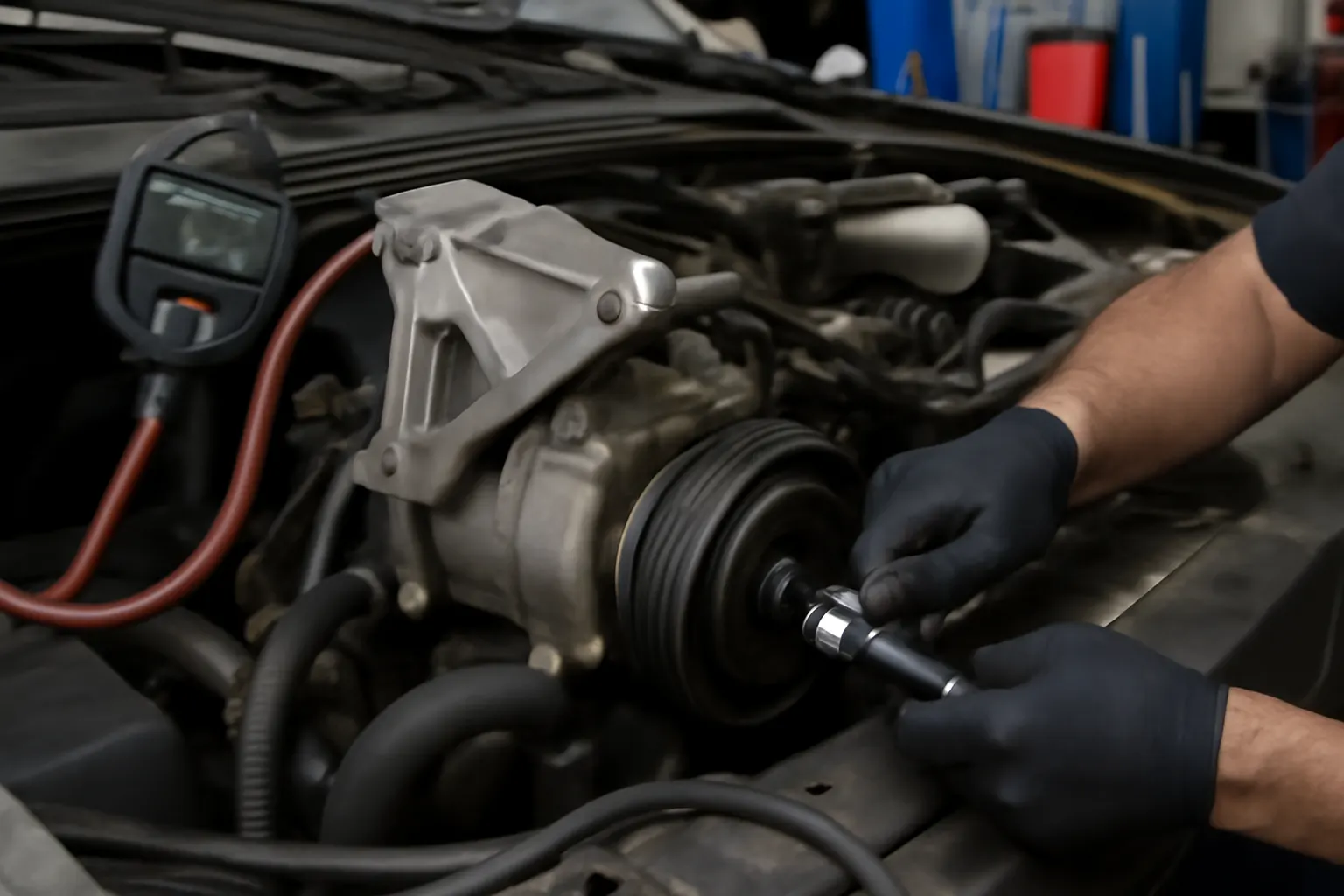
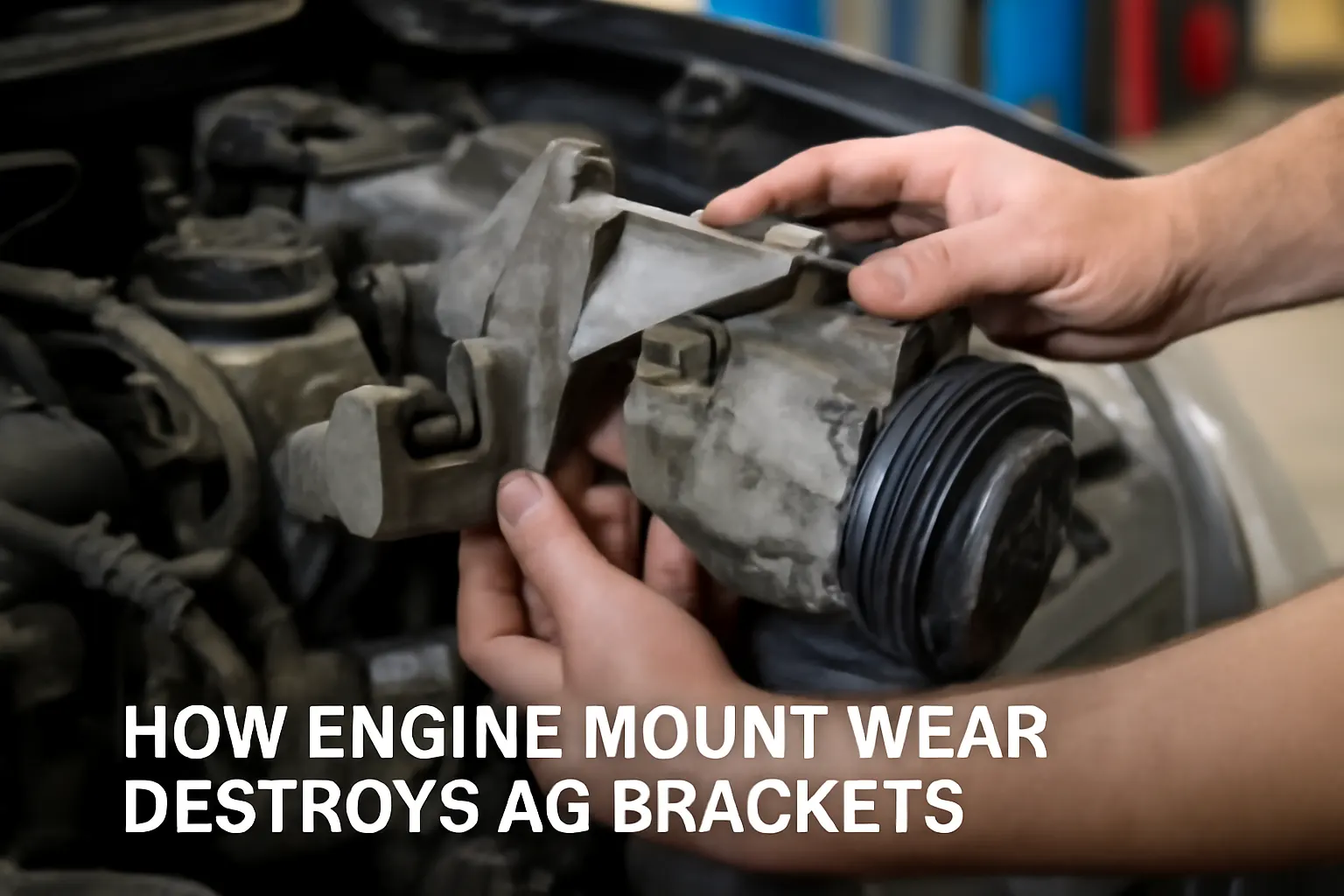
When engine mounts begin to fail, your air conditioning system is at risk—often in ways few drivers or even technicians immediately recognize. Worn or collapsed engine mounts lead to excessive drivetrain movement, which translates directly into cracked, broken, or misaligned AC compressor brackets. If you’ve ever wondered why your AC compressor bracket keeps failing, the answer may not be the bracket itself, but the hidden, damaging effects of engine mount wear. In this deep-dive, AutoPartEx explains how bad mounts destroy AC brackets, how to spot the warning signs, and what you can do to protect your air conditioning investment.
If you’re looking for the most robust mounting solutions, start with our AC Compressor Brackets: Precision Mounts for Lasting Cooling Power category, which features OE and upgraded brackets designed to withstand the stresses of modern engines—even when mounts begin to age.
The Immediate Answer: Engine Mount Wear Cracks AC Brackets
A failing engine mount allows the engine to shift, twist, or vibrate excessively under load. This movement is transferred through all accessories mounted to the engine—including the AC compressor and its bracket. The result? Misalignment, excessive stress, and eventual cracking or breaking of the AC compressor bracket. In severe cases, the compressor itself can be damaged, leading to expensive repairs and compromised cooling.
Key Point: It’s not just the bracket’s strength that matters—your engine mounts are the silent foundation supporting every accessory bracket, including the one holding your AC compressor.
The Hidden Problem: Why Bracket Failures Are Often Misdiagnosed
Many technicians and DIYers focus on the AC compressor bracket itself when they see cracks, broken mounting ears, or sheared bolts. However, repeated bracket failures—especially after replacement—are often a sign of a deeper issue: excessive drivetrain movement caused by worn engine mounts.
Common scenario: You replace a broken AC compressor bracket, only to have the new one crack again within months. The root cause isn’t defective parts—it’s the engine shifting more than it should, putting unnatural loads on the bracket.
Hidden risk: Ignoring engine mount wear can also lead to misalignment of the belt tensioner, alternator, or other accessories, compounding mechanical problems and increasing repair costs.
How Engine Mounts Support Accessory Brackets
Engine mounts serve as the primary interface between the engine and the vehicle chassis. They’re designed to:
- Absorb vibration: Preventing harshness from being transmitted to the cabin.
- Limit movement: Restricting engine roll, pitch, and yaw under acceleration, braking, and cornering.
- Maintain alignment: Keeping the engine and all attached accessories—like the AC compressor—in the correct position relative to the chassis and drive belts.
When engine mounts deteriorate, they lose their ability to dampen and restrain. The result is increased engine movement, which is transferred directly to all brackets and accessories—especially those mounted farthest from the engine’s center of mass, like the AC compressor bracket.
The Physics: Drivetrain Twist and Bracket Stress
Modern engines generate significant torque, especially under acceleration. Engine mounts are engineered to absorb and contain this torque. When mounts wear out, the engine can:
- Twist excessively: Causing the accessory drive system to flex.
- Shift side-to-side: Misaligning pulleys and belts.
- Pitch forward or backward: Placing abnormal loads on brackets and fasteners.
The Materials Technologies research by the U.S. Department of Energy underscores how even minor material fatigue can lead to significant failures under repeated stress cycles—exactly what happens when a bracket is subjected to abnormal engine movement.
Result: The AC compressor bracket, often made from aluminum or cast iron, is forced to absorb loads it was never designed to handle. Over time, this leads to stress fractures, bolt shearing, or complete bracket failure.
Real-World Symptoms: How to Spot Mount-Induced Bracket Damage
Recognizing the signs of engine mount-induced bracket failure is critical to preventing repeat repairs. Here’s what to watch for:
Checklist: Signs Your AC Compressor Bracket Is Suffering from Engine Mount Wear
- Visible cracks in the bracket or mounting ears
- Sheared or stretched bracket bolts
- Unusual belt misalignment or rapid belt wear
- Compressor pulley wobble or vibration at idle
- Repeated bracket or bolt failures after replacement
- Clunking or thumping noises during acceleration or when shifting from park to drive
- Excessive engine movement visible when revving the engine in neutral
If you notice two or more of these symptoms, inspect your engine mounts before replacing another bracket.
The Chain Reaction: Accessory Misalignment and System Damage
When engine mounts allow excessive movement, the entire accessory drive system is compromised. The AC compressor bracket is just one casualty. Here’s how the chain reaction unfolds:
- Engine shifts: Worn mounts allow the engine to move beyond design tolerances.
- Bracket flexes: The AC compressor bracket is forced to absorb twisting, bending, or pulling forces.
- Accessory misalignment: Belts no longer run true, leading to rapid wear or jumping.
- Compressor stress: The AC compressor is pulled out of alignment, risking seal and bearing failure.
- Other brackets fail: The alternator bracket and tensioner brackets may also crack or loosen.
- System-wide vibration: Increased vibration can damage hoses, wiring, and even the AC lines themselves.
Bottom line: A failed engine mount can set off a domino effect, turning a simple bracket replacement into a major repair bill.
Technical Deep Dive: Why Brackets Crack
The AC compressor bracket is engineered to hold the compressor in a fixed position relative to the engine block, resisting only the expected forces of belt tension and compressor operation. When subjected to engine movement:
- Shear forces develop at the mounting bolts, which may stretch or shear off.
- Torsional stress causes microfractures in the bracket material, especially at sharp corners or bolt holes.
- Fatigue failure occurs as the bracket flexes repeatedly with each engine cycle.
Material selection matters—a bracket made from high-quality cast aluminum or reinforced steel will resist failure longer, but no bracket can survive long-term if engine mounts are not restraining the engine as designed (DOE Materials Technologies).
Diagnostic Approach: How to Confirm the Root Cause
When faced with a cracked or broken AC compressor bracket, don’t just swap the part. Use a methodical approach to diagnose the real cause:
- Visual inspection: Look for obvious engine mount sag, cracks, or fluid leaks (many mounts are hydraulic).
- Pry bar test: Carefully lever the engine at each mount point—excessive movement indicates a failed mount.
- Belt alignment check: Use a straightedge to check pulley alignment with the engine running and stopped.
- Bracket fastener inspection: Remove bracket bolts and check for stretching or thread damage.
- Compressor movement test: Gently move the compressor by hand; any play may indicate bracket or mount movement.
- Engine run-up: With the brakes applied and hood open, have an assistant shift from park to drive and back—watch for excessive engine movement.
Expert tip: If you’re replacing the AC compressor bracket, always inspect and, if necessary, replace engine mounts at the same time to prevent repeat failures.
Preventive Maintenance: Protecting Your AC Bracket Investment
Proactive maintenance is the best way to prevent AC compressor bracket failures:
- Replace engine mounts at the first sign of wear, sagging, or cracking.
- Inspect accessory brackets during every belt or compressor service.
- Use OE or upgraded brackets from reputable sources—avoid low-quality castings.
- Torque all fasteners to manufacturer specifications (Accessory Bracket Torque Reference).
- Check belt alignment and tension after any engine or mount service.
Maintenance schedule: Most manufacturers recommend inspecting engine mounts every 60,000–100,000 miles, but high-torque or modified vehicles may require more frequent checks.
Upgrades and Solutions: Bracket and Mount Selection
If you’ve experienced repeated AC compressor bracket failures, consider these solutions:
- Polyurethane or performance engine mounts: These limit engine movement more effectively than standard rubber mounts, especially in high-performance or heavy-duty applications.
- Reinforced or billet AC compressor brackets: Aftermarket brackets often feature additional gussets or thicker material to resist flexing.
- Bracket relocation kits: Some applications allow moving the compressor closer to the engine’s centerline, reducing leverage and stress.
- Upgraded fasteners: High-strength bolts and proper thread locker can prevent bolt stretch and backing out.
For GM trucks and other common problem vehicles, see our GM Truck AC Bracket Upgrade Case Study for real-world solutions.
Installation Guidance: Best Practices for Bracket and Mount Replacement
Proper installation is critical to long bracket and mount life. Follow these best practices:
- Support the engine: Use a jack and block of wood to support the engine before removing mounts or brackets.
- Clean all mounting surfaces: Remove corrosion, old thread locker, and debris.
- Inspect fastener holes: Repair any stripped threads with proper inserts or helicoils.
- Use manufacturer torque specs: Over- or under-torquing can lead to bolt failure or bracket cracking.
- Install mounts and brackets in pairs: If one mount is worn, the opposite side is likely close behind.
- Test fit belts and pulleys: Ensure proper alignment before final tightening.
Checklist: Bracket and Mount Replacement Essentials
- Engine securely supported
- All mounting surfaces clean and corrosion-free
- Fastener threads inspected and repaired as needed
- New or upgraded fasteners used where possible
- Torque specs followed exactly
- Belts aligned and tensioned
- System tested for vibration and movement after installation
Sourcing High-Quality Brackets and Mounts
Not all brackets and mounts are created equal. For best results:
- Choose OE or OE-equivalent parts for daily drivers and stock vehicles.
- Consider upgraded or billet brackets for vehicles with known bracket issues or increased engine output.
- Buy from reputable suppliers who list material specifications and offer warranty support.
- Verify compatibility with your specific engine, AC compressor, and vehicle application—minor differences can affect fit and performance.
- Consult technical resources like the Accessory Bracket Torque Reference for installation data.
AutoPartEx provides a curated selection of AC compressor brackets and engine mounts, with technical support to help you choose the right part for your needs.
When to Replace: Recognizing the End of Service Life
Engine mounts and AC compressor brackets are not lifetime components. Replace them if you observe:
- Visible cracks, sagging, or separation in engine mounts
- Bracket deformation, cracks, or stripped bolt holes
- Repeated belt alignment or tension issues
- Unusual noises or vibration that can’t be traced to other sources
Tip: If you’re replacing an AC compressor due to failure, always inspect and, if needed, replace both the bracket and engine mounts. This prevents future failures and protects your investment in the new compressor.
AutoPartEx: Your Source for Reliable Mounting Solutions
At AutoPartEx, we understand the critical role engine mounts play in protecting your AC compressor bracket and the entire accessory drive system. Our team curates only the most reliable AC compressor brackets, engine mounts, and installation hardware—backed by technical expertise and real-world fitment data.
Whether you’re restoring a classic, upgrading a work truck, or maintaining a daily driver, our resources and parts selection help you get the job done right the first time. Explore our detailed guides, like Diagnosing AC Compressor Mount Vibration, and shop with confidence knowing you’re supported by industry-leading knowledge.
Frequently Asked Questions
Can I just reinforce my existing AC compressor bracket?
Reinforcing a cracked or fatigued bracket is rarely a permanent fix. Welding or bracing may provide temporary relief, but if the underlying engine mount issue is not addressed, the bracket will likely fail again. Always address engine mount wear first.
How do I know if my engine mounts are bad?
Look for symptoms like excessive engine movement, clunking noises during acceleration, visible cracks or sagging in the mounts, or repeated accessory bracket failures. A professional inspection is recommended if you suspect mount wear.
Are upgraded brackets worth it?
For vehicles with known bracket failure issues, high-torque engines, or heavy-duty use, upgraded brackets and performance mounts are a smart investment. They provide increased resistance to flex and fatigue, reducing the risk of repeat failures.
Conclusion
Engine mount wear is a silent but destructive force that can ruin even the strongest AC compressor brackets. By understanding the relationship between mounts, drivetrain movement, and accessory bracket stress, you can prevent costly failures and keep your air conditioning system running strong. Remember: when a bracket fails, always check the mounts—and trust AutoPartEx for the parts and expertise you need to do the job right.
References
- Materials Technologies — United States Department of Energy
- Fuel Efficiency — United States Department of Energy
- Vehicle Safety and Equipment — National Highway Traffic Safety Administration