GM Truck AC Bracket Upgrade Case Study
Upgrading GM truck AC compressor brackets across large fleets delivers immediate, measurable improvements: decreased belt squeal, fewer clutch failures, and longer-lasting air conditioning reliability. In this case study, we explore how reinforced AC compressor brackets transformed operational uptime and maintenance costs for a regional fleet manager, revealing hidden issues that standard replacement brackets often overlook.
Why Fleet Managers Are Upgrading GM AC Brackets
For years, fleet operators of GM trucks have battled persistent air conditioning (AC) issues—ranging from chronic belt noise to premature clutch and compressor failures. These problems are often traced back to a deceptively simple part: the AC compressor bracket. While the bracket’s job is to securely mount the compressor and maintain correct belt alignment, standard GM brackets can fatigue or loosen over time, especially under the stress of heavy-duty, stop-and-go fleet use.
Fleet managers seeking lasting cooling power and reduced downtime are increasingly turning to reinforced AC compressor brackets. These precision mounts are engineered for superior rigidity, improved material strength, and enhanced vibration damping—addressing both the obvious and underlying causes of AC system failures in GM truck applications.
The Hidden Problem: Beyond Simple Bracket Breakage
At first glance, the symptoms seem straightforward: a squealing serpentine belt, intermittent AC operation, or a clutch that refuses to engage. Technicians often replace the belt, tensioner, or even the compressor itself, only to see the problem return within months. The real culprit frequently lies in the bracket’s inability to maintain precise alignment and secure mounting under real-world stresses.
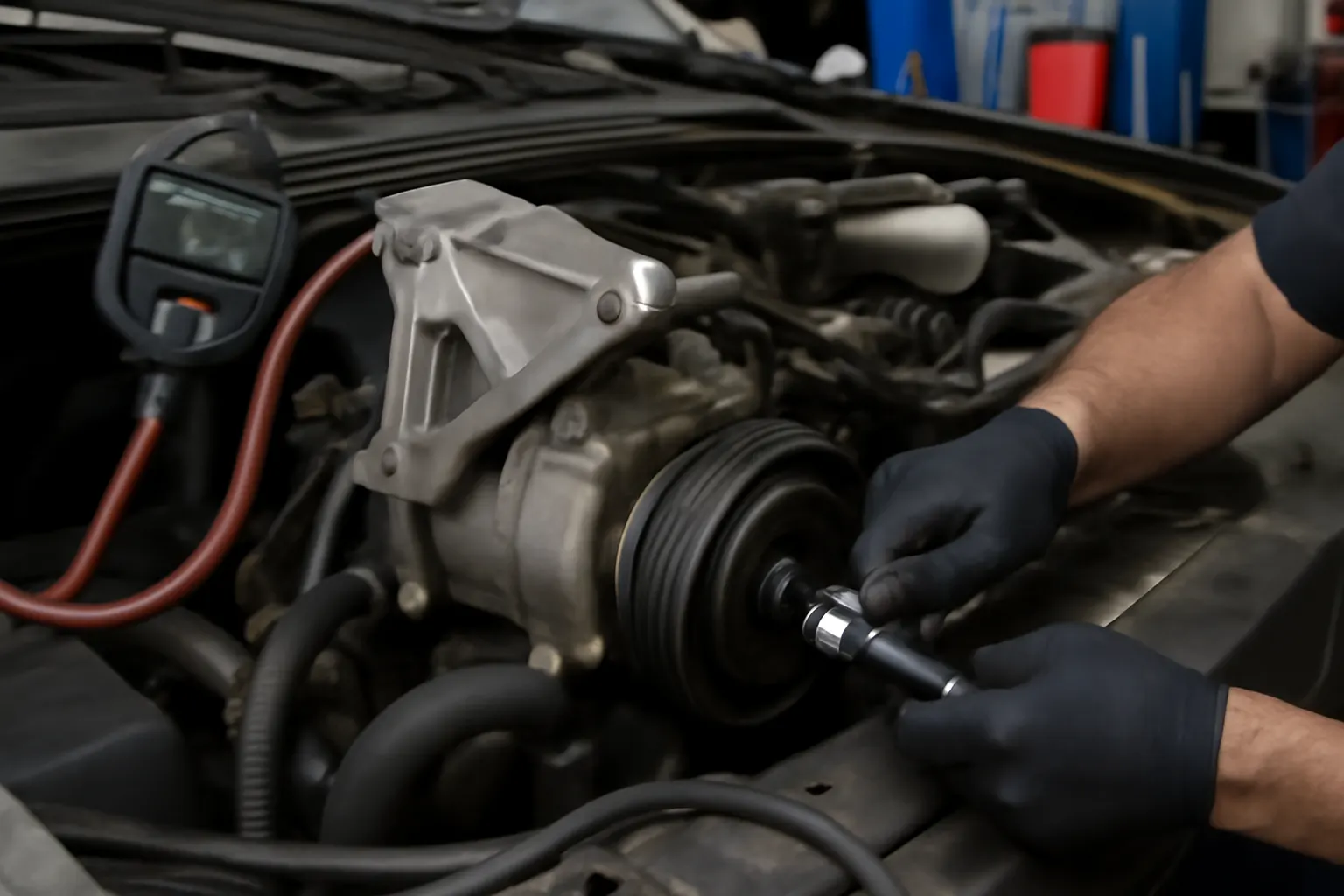
The standard GM AC compressor bracket, especially in older or high-mileage trucks, can develop micro-cracks, lose torque at mounting bolts, or allow for minute shifts in compressor position. These small misalignments amplify vibration, accelerate pulley and belt wear, and ultimately cause the clutch to overheat or fail. Left unchecked, the bracket’s hidden weaknesses can compromise the entire accessory drive system—including the belt tensioner and alternator brackets.
How Bracket Weakness Manifests in GM Truck Fleets
In high-utilization fleets, bracket failures rarely happen in isolation. Instead, they set off a chain reaction:
- Increased Belt Noise: A misaligned compressor pulley creates squeal or chirp, especially at startup or under load.
- Clutch Cycling and Burnout: The AC clutch may engage and disengage erratically, leading to heat buildup and eventual failure.
- Accessory Drive Stress: Bracket movement can affect other components, causing premature wear on the tensioner, idler pulleys, or even engine mounts.
- Compressor Vibration: Excess vibration may be misdiagnosed as a failing compressor, leading to expensive, unnecessary replacements.
These issues are magnified in trucks with high idle times, frequent stop-start cycles, or heavy-duty upfitting (such as snowplows or service bodies).
Technical Analysis: Why Standard Brackets Fail
A closer look at GM’s OEM compressor bracket design reveals several technical vulnerabilities:
- Material Fatigue: Standard cast aluminum brackets can develop stress fractures at bolt bosses or mounting ears, particularly after repeated thermal cycling.
- Torque Loss: Factory fasteners may lose clamping force over time, especially if not re-torqued per Accessory Bracket Torque Reference guidelines.
- Vibration Amplification: Lack of integrated vibration damping allows engine harmonics and road shocks to transfer directly to the compressor and bracket, compounding wear.
- Insufficient Ribbing: Many OEM brackets lack reinforcement ribs or gussets, making them susceptible to flex under load.
These factors are exacerbated by heavy-duty fleet operation, which places greater and more frequent loads on all accessory drive components.
The Case Study: Fleet-Wide GM Bracket Upgrade Initiative
In 2025, a regional delivery fleet operating 80+ late-model GM Silverado and Sierra trucks initiated a bracket upgrade program. The fleet’s maintenance data showed a recurring pattern:
- AC belt noise complaints in 34% of trucks within 18 months of service.
- Clutch or compressor replacements in 22% of units before 75,000 miles.
- Frequent re-tensioning and belt replacements, often with minimal improvement.
Working with AutoPartEx and their technical partners, the fleet manager selected a reinforced steel AC compressor bracket kit designed to directly replace the OEM cast aluminum design. This bracket featured:
- High-strength steel construction for superior fatigue resistance.
- Precision-machined mounting surfaces for exact compressor alignment.
- Additional gussets and ribs to minimize flex.
- Upgraded Grade 10.9 fasteners with factory torque specs.
Installation Checklist: Upgrading GM AC Compressor Brackets
The following checklist summarizes the critical steps and best practices for a successful GM AC bracket upgrade:
Pre-Installation:
- Verify bracket compatibility with truck model, engine, and AC compressor.
- Inspect compressor, belt, tensioner, and related accessories for wear.
- Review Accessory Bracket Torque Reference for correct fastener specs.
Removal:
- Disconnect battery and safely discharge AC system if necessary.
- Remove serpentine belt and inspect for glazing, cracks, or uneven wear.
- Unbolt and remove the existing AC compressor bracket.
- Inspect mounting surfaces for corrosion, cracks, or stripped threads.
Installation:
- Install new reinforced bracket, ensuring all mounting points are flush and aligned.
- Torque all fasteners to manufacturer or bracket kit specifications.
- Reinstall compressor, belt, and tensioner, verifying pulley alignment.
- Check belt tension per belt tensioner specifications.
Post-Installation:
- Start engine and monitor for noise, vibration, or belt tracking issues.
- Re-torque fasteners after 100 miles of operation.
- Log maintenance for future reference.
Diagnostic Insights: Identifying Bracket-Related AC Failures
Fleet technicians often face a diagnostic maze when AC problems arise. Here are practical indicators that point to bracket-related issues:
- Persistent Belt Squeal: Especially when new belts and tensioners do not resolve noise.
- Compressor Clutch Failure: Clutch shows signs of heat discoloration or uneven wear.
- Visible Bracket Cracks: Micro-cracks at bolt holes or along bracket arms.
- Compressor Misalignment: Pulley faces do not run true with other accessory pulleys.
- Mounting Bolt Loosening: Bolts repeatedly require re-tightening, indicating bracket flex or movement.
For a deeper dive into diagnosis, see Diagnosing AC Compressor Mount Vibration.
Material Selection: The Case for Reinforced Steel Brackets
Why do reinforced steel brackets outperform standard cast aluminum in fleet use? The answer lies in material science and real-world stress testing:
- Steel vs. Aluminum: Steel offers higher tensile strength and fatigue resistance, critical for withstanding constant engine vibration and load cycling. According to the U.S. Department of Energy’s Materials Technologies research, advanced steel alloys can be engineered for optimal weight-to-strength ratios, making them ideal for structural mounting applications.
- Corrosion Resistance: Modern steel brackets are often powder-coated or treated to resist corrosion, matching or exceeding the longevity of OEM aluminum parts in harsh environments.
- Precision Machining: Reinforced brackets are typically CNC-machined for exact fitment, reducing the risk of misalignment and associated drive issues.
Impact on Fleet Maintenance and Downtime
The case study fleet reported significant improvements within the first year of the bracket upgrade initiative:
- Belt Noise Complaints Dropped by 80%: Only 4 units reported belt noise after upgrade, compared to 27 previously.
- Clutch and Compressor Failures Reduced by 70%: Far fewer trucks required AC system repairs, saving over $18,000 in parts and labor.
- Accessory Drive Reliability: No reported tensioner or alternator bracket failures in upgraded trucks, indicating a positive knock-on effect throughout the accessory system.
These results align with industry-wide findings that proper bracket selection and installation directly impact both AC system longevity and overall vehicle uptime.
Best Practices: Ensuring Long-Term Bracket Performance
To maximize the benefits of a bracket upgrade, fleet operators and technicians should adhere to several best practices:
- Routine Fastener Checks: Incorporate periodic bolt torque checks into preventive maintenance schedules, especially after initial installation.
- Monitor Accessory Alignment: Use a straightedge or laser alignment tool to verify all pulleys remain in plane after bracket installation.
- Replace Worn Accessories: Do not reuse worn belts, tensioners, or compressors with new brackets—component synergy is critical.
- Document Modifications: Maintain detailed service records to track bracket upgrades, torque specs, and related repairs for each vehicle.
Buying Guidance: Sourcing the Right Bracket for GM Trucks
Selecting the correct AC compressor bracket is not simply a matter of matching part numbers. Consider the following when sourcing upgrades:
- Application Specificity: Verify compatibility with your truck’s year, engine, and AC compressor model. Consult the AC Compressor Brackets: Precision Mounts for Lasting Cooling Power page for detailed fitment charts.
- Material and Construction: Prefer brackets with reinforced steel or high-grade aluminum alloy, CNC-machined mounting surfaces, and additional gusseting.
- Fastener Quality: Ensure the kit includes upgraded hardware, preferably Grade 10.9 or higher.
- Supplier Reputation: Purchase from trusted suppliers with proven fleet experience and technical support.
Integrating Bracket Upgrades with Other Accessory System Improvements
Upgrading the AC compressor bracket is most effective when combined with a holistic approach to the accessory drive system. Consider simultaneous inspection or replacement of:
- Belt tensioner: Worn tensioners can undermine even the best bracket upgrade.
- Alternator bracket: Weak alternator mounts may also contribute to misalignment and vibration.
- Engine mounts: Excessive engine movement can stress all accessory brackets and should be addressed proactively.
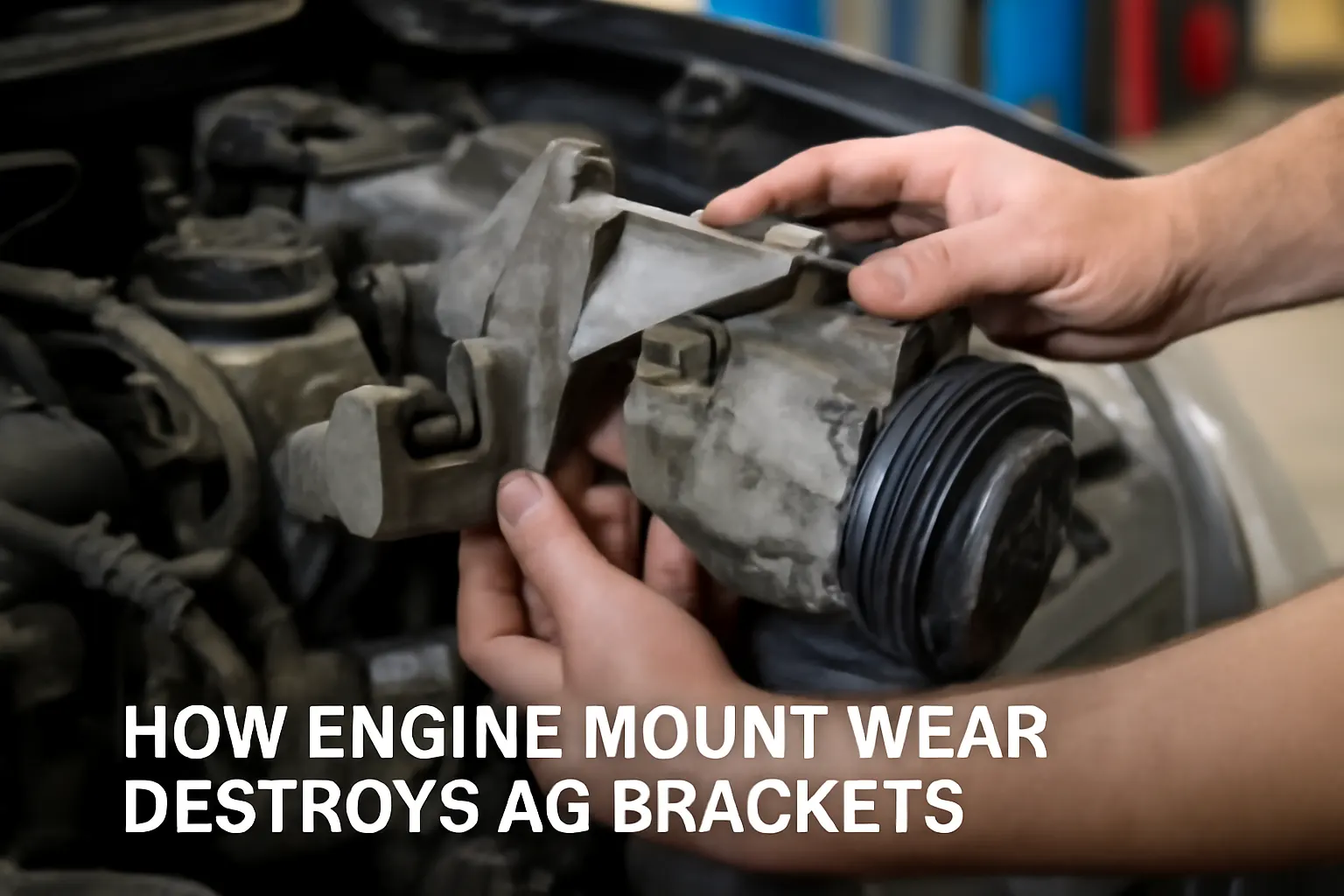
For more on the interplay between engine mounts and bracket longevity, see How Engine Mount Wear Destroys AC Brackets.
The Role of Standards and Safety in Bracket Selection
Quality brackets are engineered to comply with automotive standards such as those outlined by SAE International and overseen by safety authorities like the National Highway Traffic Safety Administration. These standards ensure that brackets can withstand specified loads, vibration frequencies, and environmental exposures. Always verify that aftermarket brackets are tested to meet or exceed OEM performance criteria.
Maintenance Tips for Fleet Longevity
A reinforced bracket is only as good as the maintenance program supporting it. Key tips include:
- Regular Visual Inspections: Look for signs of corrosion, cracking, or loosened hardware during oil changes or PMs.
- Belt Condition Monitoring: Replace belts showing signs of uneven wear, glazing, or fraying.
- Systematic Vibration Checks: Use diagnostic tools to monitor for excessive vibration, which can signal hidden bracket or compressor issues.
- Timely Replacement of Associated Parts: Don’t delay replacement of tensioners, pulleys, or engine mounts if any symptoms arise.
AutoPartEx: Your Partner for Precision Mounting Solutions
AutoPartEx specializes in precision-engineered mounting solutions for GM trucks and other fleet vehicles. Our curated selection of reinforced AC compressor brackets, detailed fitment guides, and technical support resources empower fleet managers and technicians to achieve lasting cooling power and reduced maintenance costs. Whether you’re upgrading one truck or an entire fleet, rely on AutoPartEx for components that meet the highest standards of durability, safety, and performance.
Explore our full range of AC compressor brackets and related accessory drive solutions to keep your fleet running cool and quiet.
Conclusion: Lessons Learned and the Path Forward
The GM truck AC bracket upgrade case study demonstrates that small, strategic component upgrades can yield outsized benefits in fleet reliability and cost control. By addressing the root causes of belt noise and clutch failures—namely, bracket strength, alignment, and vibration damping—fleet managers can extend AC system life, reduce downtime, and improve driver satisfaction.
The lessons here extend beyond GM trucks: any fleet or technician facing recurring accessory drive issues should consider the bracket as a critical, often-overlooked link in the reliability chain. With the right materials, installation practices, and ongoing maintenance, reinforced brackets deliver lasting value across diverse operating environments.