The Impact of Engine Mounts on Vehicle Comfort
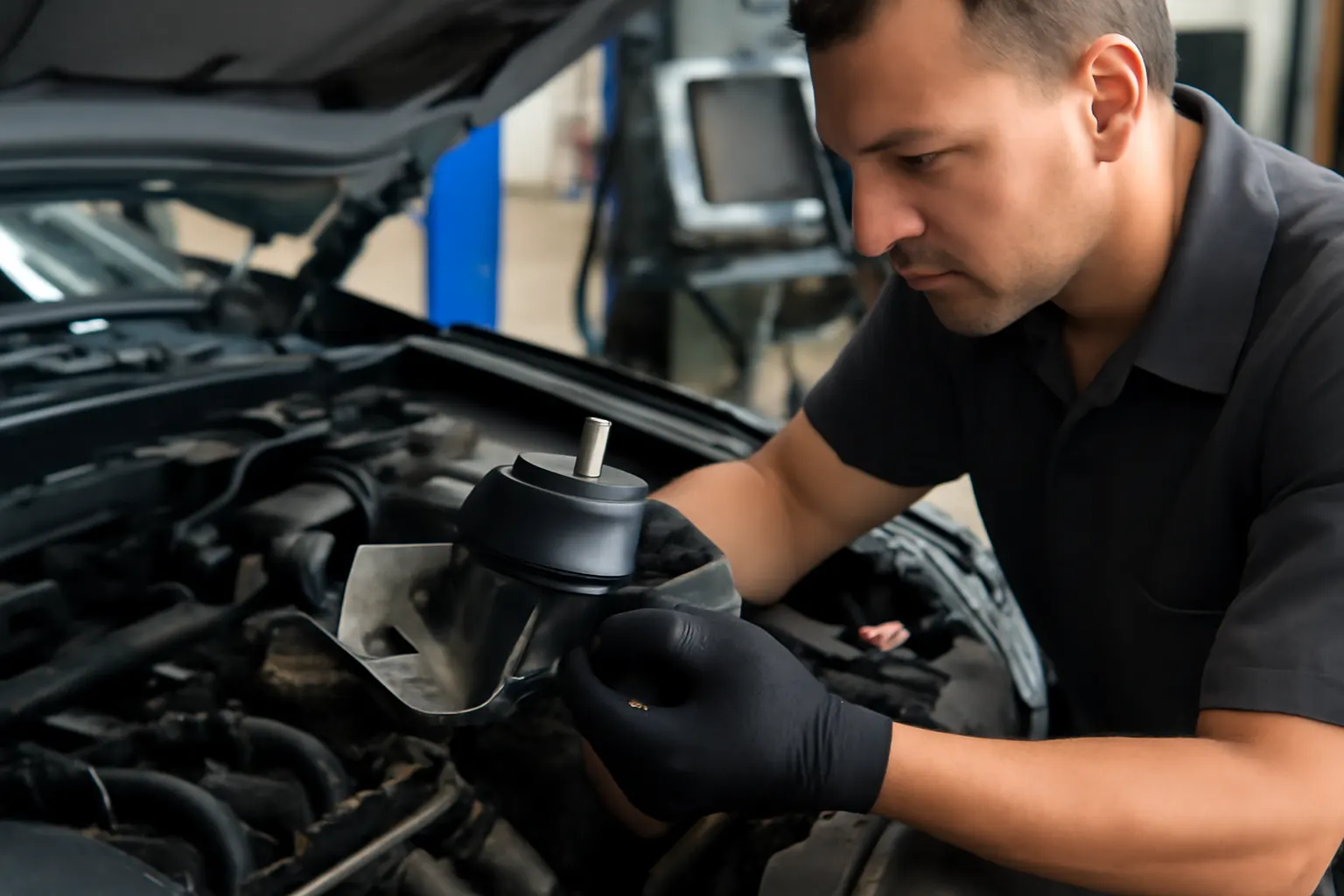
Engine mounts are often overlooked, yet they are among the most critical components influencing vehicle comfort. By isolating the engine and transmission from the vehicle chassis, engine mounts dramatically reduce the noise, vibration, and harshness (NVH) experienced inside the cabin. If you’ve ever wondered why some vehicles feel smooth and quiet while others transmit every shudder and growl into the passenger compartment, the answer often lies beneath the hood—in the quality, design, and condition of the engine mounts.
Whether you drive a daily commuter or a high-performance machine, understanding the role of engine mounts is key to maintaining a comfortable ride. In this article, we’ll explore how engine mounts influence vehicle comfort, the hidden issues that arise from worn or inadequate mounts, and what you can do to diagnose, maintain, and upgrade these foundational components. If you’re ready to dive deeper into the science and practicalities of NVH control, this guide will equip you with the knowledge to make informed decisions for your vehicle. For more foundational insights, see our Engine Mounts: The Foundation of Smooth and Reliable Powertrain Performance category overview.
Engine Mounts: The First Line of Defense Against Noise and Vibration
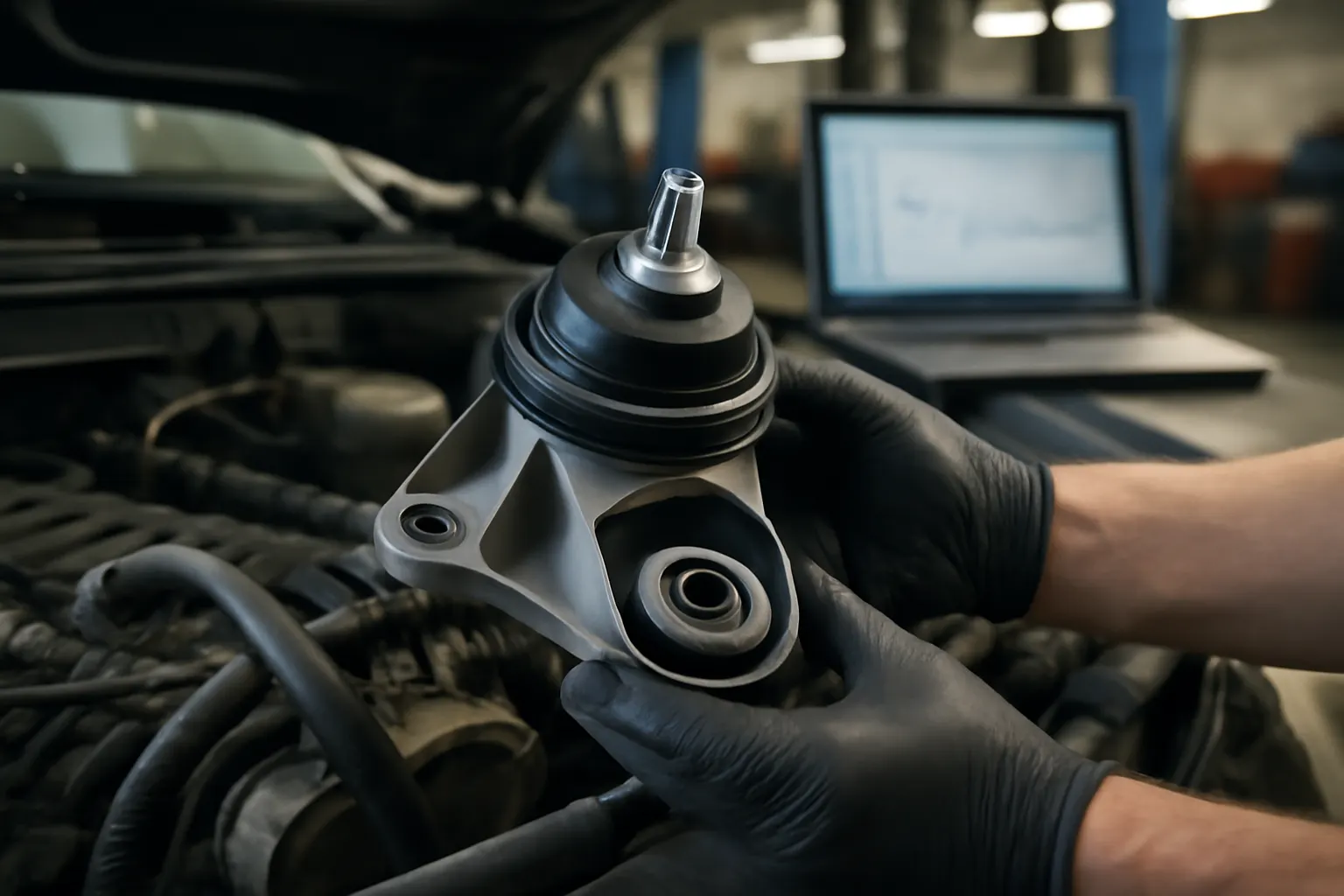
Engine mounts are not just brackets or blocks of rubber—they are sophisticated components engineered to absorb and isolate the constant movement and vibration of the powertrain. As the engine runs, it generates not only power but also a mix of vibrations and mechanical noises. Without proper isolation, these forces would be directly transmitted to the vehicle chassis and, ultimately, to you and your passengers.
Immediate Impact on Comfort:
A well-functioning set of engine mounts keeps the cabin quiet and the ride smooth. When mounts deteriorate, you’ll notice increased engine noise, more vibration through the steering wheel, seats, and floor, and an overall reduction in driving comfort. The difference can be dramatic, especially in modern vehicles where cabin quietness is a key selling point.
The Hidden Problem: Gradual Mount Degradation
While engine mounts are designed to last for tens of thousands of miles, they are not immune to wear and tear. The degradation process is often gradual, making it difficult for drivers to notice the change until comfort has been significantly compromised.
Why It’s Overlooked:
Unlike engine or transmission failures, which often present with clear warning lights or immediate performance issues, engine mount wear manifests subtly over time. You might first notice a slight increase in cabin vibration or a faint thump during hard acceleration or braking. Because these symptoms are easy to dismiss, the underlying problem can persist for months or even years, exacerbating cabin discomfort and potentially leading to more severe drivetrain issues.
Understanding NVH: Noise, Vibration, and Harshness
To appreciate the impact of engine mounts on comfort, it’s essential to understand NVH—Noise, Vibration, and Harshness. NVH encompasses all the unwanted sounds and sensations transmitted into the cabin from the engine, drivetrain, and road.
Engine Mounts as NVH Barriers:
Engine mounts are specifically engineered to act as NVH barriers. By absorbing and dispersing engine vibrations, they prevent these forces from reaching the chassis and, by extension, the occupants. The materials, design, and even the placement of the mounts are all optimized to minimize NVH.
Technical Note:
Modern mounts often use advanced materials and hydraulic dampening technologies to further enhance isolation, a direct result of ongoing research into vehicle comfort and materials science (Materials Technologies).
How Engine Mounts Work: The Science of Isolation
At their core, engine mounts serve two main purposes: securing the engine to the vehicle frame and isolating engine movement from the chassis. Most mounts are constructed from a combination of metal and rubber, with some advanced designs incorporating hydraulic or electronic dampers.
Key Functions:
- Support: Securely hold the engine and transmission in place, absorbing torque and load from acceleration, deceleration, and cornering.
- Isolation: Absorb and dissipate engine vibrations and noise, preventing them from entering the passenger cabin.
- Alignment: Maintain proper drivetrain alignment to ensure smooth operation and prevent premature wear of related components.
Hydraulic and Active Mounts:
Many modern vehicles use hydraulic or electronically controlled mounts that adapt to different driving conditions. These mounts offer superior NVH control, especially during idle and low-speed operation, where vibration is most noticeable.
The Consequences of Worn or Failed Engine Mounts
When engine mounts wear out or fail, the consequences go beyond just increased noise and vibration. The effects can cascade through the entire vehicle, impacting comfort, safety, and even long-term drivetrain health.
Common Symptoms of Mount Failure:
- Increased Cabin Vibration: Noticeable through the steering wheel, seats, and floorboards, especially at idle or during acceleration.
- Excessive Engine Movement: Engine may shift or rock excessively under load, sometimes causing clunks or thumps.
- Unusual Noises: Rattling, banging, or knocking sounds, particularly during gear changes or when going over bumps.
- Misalignment Issues: Can lead to premature wear of exhaust components, hoses, and even axles due to engine misalignment.
Safety Considerations:
According to the National Highway Traffic Safety Administration, worn engine mounts can compromise vehicle safety by affecting the stability of the drivetrain and potentially leading to component failures.
Diagnosing Engine Mount Issues: A Practical Checklist
Early detection of engine mount problems is crucial for maintaining vehicle comfort and preventing costly repairs. Here’s a practical checklist for drivers and technicians:
Engine Mount Diagnostic Checklist
-
Visual Inspection:
- Look for cracks, tears, or separation in the rubber material.
- Check for leaking fluid in hydraulic mounts.
- Inspect for rust or corrosion on metal brackets.
-
Physical Testing:
- With the engine off, gently rock the engine by hand to detect excessive movement.
- Use a pry bar (with care) to check for play at the mount locations.
-
Engine Running Tests:
- Observe engine movement during startup and shutdown.
- Listen for clunks or bangs when shifting from Park to Drive/Reverse.
- Note any unusual vibrations at idle or during acceleration.
-
Road Test:
- Pay attention to increased vibration or noise inside the cabin, especially under load.
- Listen for impact noises when driving over bumps or during hard acceleration.
-
Professional Evaluation:
- If in doubt, consult a qualified technician for a thorough inspection and possible replacement.
For more detailed diagnostic guidance, see our How to Diagnose Engine Mount Failures editorial guide.
The Role of Engine Mount Materials in Comfort
The materials used in engine mounts play a pivotal role in their effectiveness at reducing NVH. Traditional mounts use rubber for its flexibility and damping properties, but modern engineering has introduced advanced elastomers, hydraulic systems, and even active electronic mounts.
Material Advancements:
- Rubber: Still common, provides a good balance of strength and vibration isolation.
- Polyurethane: Offers increased durability, often used in performance applications but can transmit more vibration.
- Hydraulic Fluid: Used in fluid-filled mounts to absorb a broader range of frequencies.
- Active Mounts: Employ electromagnetic or piezoelectric systems to counteract vibrations in real time.
As highlighted by the Department of Energy’s Materials Technologies research, advancements in automotive materials have significantly improved the comfort and longevity of modern engine mounts.
Installation and Replacement: Ensuring Proper Fit and Performance
Proper installation of engine mounts is critical to achieving the intended comfort and isolation benefits. Incorrect fitment or poor-quality mounts can negate all the advantages of even the most advanced designs.
Installation Best Practices
- Use OEM or Quality Aftermarket Parts: Always select mounts designed specifically for your vehicle’s make and model.
- Follow Torque Specifications: Over- or under-tightening can lead to premature wear or failure.
- Inspect Adjacent Components: Check for collateral damage to transmission mounts, exhaust hangers, and hoses.
- Professional Installation Recommended: While DIY replacement is possible on some vehicles, professional installation ensures proper alignment and safety.
For more on replacement timing and procedures, read Engine Mount Replacement: When and Why It Matters.
Upgrading for Performance and Comfort
For enthusiasts or those seeking an upgrade, performance engine mounts offer a way to tailor the driving experience. Stiffer mounts made from polyurethane or reinforced rubber can improve engine response and handling, but may transmit more vibration into the cabin.
When to Consider Upgrading:
- Performance Driving: If you prioritize sharp throttle response and drivetrain rigidity, stiffer mounts are a logical upgrade.
- Heavy-Duty Use: Towing or high-load applications benefit from mounts designed to handle increased torque.
- NVH Reduction: For those sensitive to vibration, consider mounts specifically engineered for quietness, such as advanced hydraulic or active mounts.
Learn more about selecting performance mounts in our Upgrading to Performance Engine Mounts guide.
Maintenance Tips to Maximize Mount Lifespan and Comfort
Engine mounts require minimal maintenance, but a few proactive steps can extend their service life and preserve cabin comfort.
Engine Mount Maintenance Tips
- Regular Inspection: Include mount checks during routine service intervals.
- Monitor for Leaks: Hydraulic mounts can fail if the fluid leaks out.
- Avoid Aggressive Driving: Hard launches and abrupt gear changes accelerate mount wear.
- Address Engine Misfires Promptly: Unbalanced engine operation increases vibration and stress on mounts.
- Replace in Sets When Needed: If one mount fails, others may not be far behind.
How Engine Mounts Affect Other Vehicle Systems
Engine mounts do more than just isolate NVH—they also protect and stabilize related systems throughout the vehicle.
Drivetrain Protection:
Worn mounts can allow excessive engine movement, which stresses the transmission, driveshafts, and axles. This can lead to alignment problems, premature wear, and even safety concerns.
Exhaust System Longevity:
Loose or misaligned mounts can cause the exhaust system to flex and break, resulting in leaks and increased noise.
Accessory Reliability:
Misalignment from failed mounts can affect accessories such as the AC Compressor and related brackets, leading to premature failure or noise.
The Connection Between Engine Mounts and Fuel Efficiency
While engine mounts are not directly responsible for fuel economy, their condition can have an indirect effect. Excessive engine movement can result in drivetrain misalignment, increased friction, and inefficient power transfer, all of which can reduce overall vehicle efficiency.
According to the United States Department of Energy, maintaining optimal drivetrain alignment and minimizing parasitic losses are important for maximizing fuel efficiency. Properly functioning engine mounts contribute to this by keeping the engine and drivetrain in correct alignment, reducing unnecessary energy loss.
Selecting the Right Engine Mounts for Your Vehicle
Finding the best engine mounts for your needs involves considering vehicle type, driving style, and personal comfort preferences.
Engine Mount Selection Checklist
- Vehicle Application:
- Daily driver, performance car, truck, or SUV?
- NVH Sensitivity:
- Prioritize comfort or performance response?
- Material Preference:
- Rubber, hydraulic, polyurethane, or active mounts?
- OEM vs. Aftermarket:
- Stick to original equipment or upgrade for improved performance?
- Budget:
- Consider long-term value versus upfront cost.
Consult your vehicle’s service manual and trusted parts sources, or reach out to AutoPartEx experts for tailored recommendations.
When to Replace Engine Mounts: Warning Signs and Intervals
There is no universal mileage for engine mount replacement, as lifespan depends on driving conditions, vehicle type, and mount design. However, most mounts are inspected between 60,000 and 100,000 miles, or sooner if symptoms arise.
Key Warning Signs:
- Noticeable increase in cabin vibration or noise
- Engine movement visible during startup or shifting
- Audible clunks or bangs from the engine bay
- Visual damage or fluid leaks from mounts
Proactive replacement not only restores comfort but can prevent collateral damage to other critical systems.
AutoPartEx: Your Partner in Vehicle Comfort and Reliability
At AutoPartEx, we understand that comfort, safety, and performance start with the right foundation. Our curated selection of engine mounts covers a wide range of vehicle makes and models, from daily drivers to high-performance machines. Whether you need OEM replacements or are looking to upgrade for enhanced NVH control, our technical experts are here to assist you at every step.
Explore the full range of Engine Mounts: The Foundation of Smooth and Reliable Powertrain Performance or browse by manufacturer, such as Acura, to find the perfect fit for your vehicle. Our commitment is to ensure your ride remains as smooth, quiet, and comfortable as the day it left the factory.
References
- Fuel Efficiency — United States Department of Energy
- Materials Technologies — United States Department of Energy
- Vehicle Safety and Equipment — National Highway Traffic Safety Administration