Engine Mount Replacement: When and Why It Matters
Engine mounts are the unsung heroes of your vehicle’s powertrain, providing critical support and stability that directly affect comfort, safety, and efficiency. Knowing when and why to replace engine mounts can save you from costly repairs, preserve your vehicle’s performance, and keep you and your passengers safe. In this comprehensive guide, we’ll explain the signs of engine mount failure, the risks of delaying replacement, and how to approach this essential maintenance task with confidence.
If you want to explore the fundamentals of engine mounts, visit our Engine Mounts: The Foundation of Smooth and Reliable Powertrain Performance category page, which covers the basics and the variety of mounts available for different vehicles and driving needs.
Why Engine Mount Replacement Is Critical—Immediate Answers
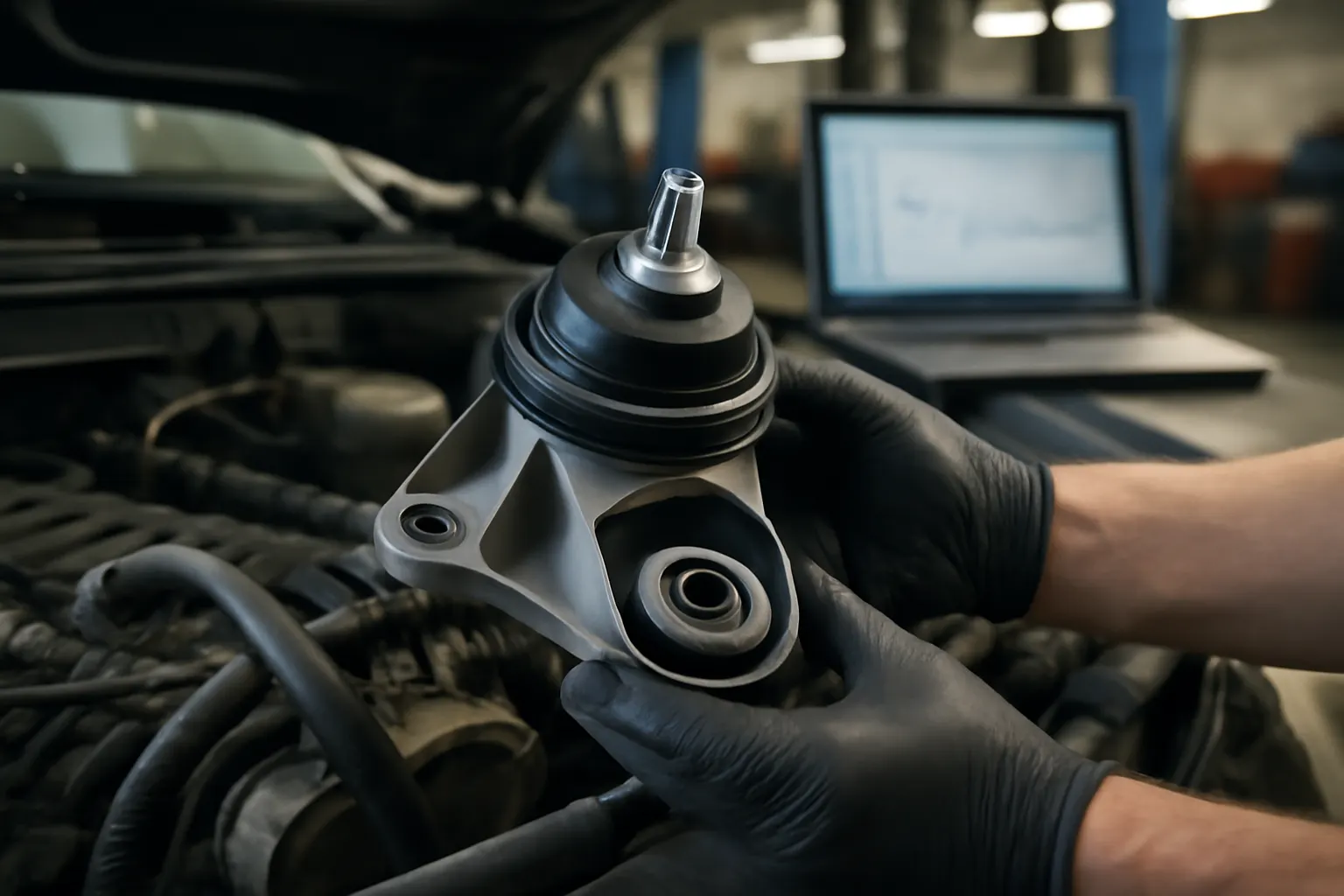
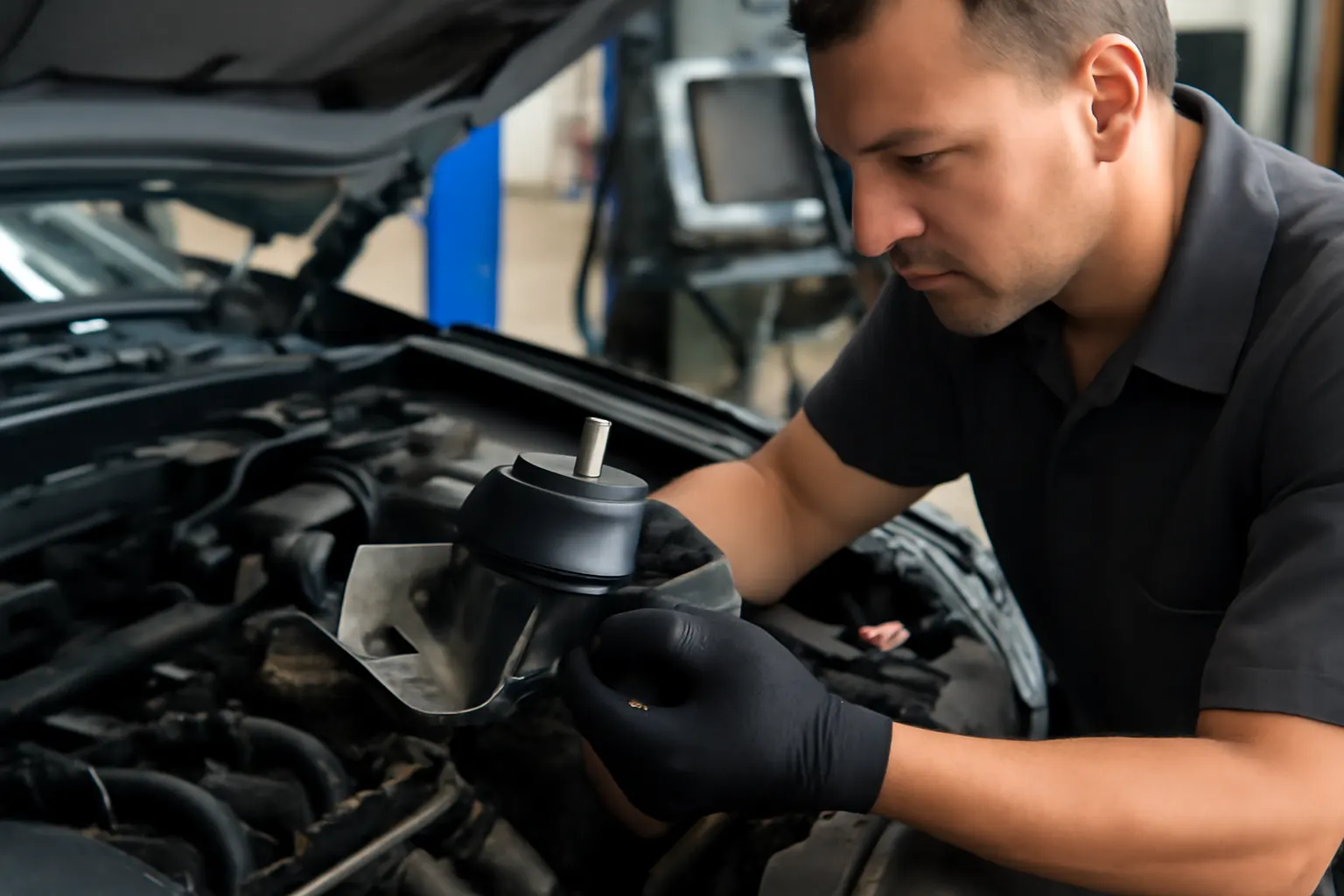
Engine mount replacement is not just routine maintenance—it’s a pivotal intervention that ensures your vehicle’s engine remains securely attached to the chassis, minimizing vibration, noise, and misalignment. Engine mounts (sometimes called motor mounts) are typically made of rubber and metal or advanced composites, and their job is to isolate the engine’s movement from the rest of the vehicle. When these mounts degrade or fail, the consequences can be immediate and severe:
- Increased vibration and cabin noise
- Excessive drivetrain movement
- Accelerated wear on surrounding components
- Compromised handling and safety
Timely replacement of worn or damaged engine mounts protects your investment by maintaining optimal powertrain performance, preserving fuel efficiency, and ensuring your vehicle remains comfortable and safe to drive.
The Hidden Problem: What Happens If You Delay Engine Mount Replacement?
It’s easy to overlook engine mount maintenance because these parts are largely out of sight. However, neglecting worn or failing mounts can lead to a cascade of hidden problems that extend far beyond simple vibration or noise. The risks include:
- Damage to exhaust systems, wiring, and hoses due to excessive engine movement
- Misalignment of drivetrain components, leading to premature failure of axles, driveshafts, or transmission mounts
- Potential safety hazards if the engine shifts significantly during acceleration, braking, or in the event of a collision
According to the National Highway Traffic Safety Administration (NHTSA), failure to maintain critical equipment—including mounts—can compromise vehicle safety and increase the risk of accidents or breakdowns [NHTSA Equipment].
Understanding Engine Mount Function and Materials
To appreciate the importance of timely replacement, it’s essential to understand what engine mounts do and how they’re constructed. Modern engine mounts are engineered to:
- Secure the engine to the chassis while allowing for controlled movement
- Absorb and dampen vibrations produced by the engine’s operation
- Maintain precise alignment between the engine, transmission, and other drivetrain components
Most mounts utilize a combination of high-strength steel or aluminum brackets and rubber or elastomeric isolators. Some advanced designs incorporate hydraulic fluid or electronically controlled elements to further reduce vibration and improve ride quality.
The United States Department of Energy highlights the importance of advanced materials in automotive components, noting that improved material technologies lead to better performance, reduced weight, and enhanced durability [Materials Technologies].
Common Signs Your Engine Mounts Need Replacement
Recognizing the symptoms of failing engine mounts is crucial for timely intervention. Here are the most common warning signs:
- Excessive Vibration: If you feel more vibration than usual through the steering wheel, floor, or seats—especially at idle—your mounts may be worn.
- Clunking or Banging Noises: Sudden noises during acceleration, deceleration, or gear shifts can indicate that the engine is moving excessively due to compromised mounts.
- Engine Movement: Visibly shifting or rocking of the engine when revving in neutral or during acceleration is a classic sign of mount failure.
- Misaligned or Damaged Components: Unusual wear on hoses, wiring, or exhaust parts can result from an engine that’s no longer held securely.
- Unusual Engine Position: If the engine appears tilted or out of alignment in the engine bay, at least one mount may have failed.
For a detailed diagnostic guide, see our How to Diagnose Engine Mount Failures resource.
The Risks of Ignoring Engine Mount Problems
Delaying engine mount replacement doesn’t just compromise comfort—it can lead to substantial and expensive mechanical issues. Here’s what can happen:
- Damage to Drivetrain Components: Excessive engine movement can put stress on axles, transmission mounts, and driveshafts, leading to premature failure.
- Exhaust Leaks and Damage: A shifting engine can strain exhaust manifolds and pipes, causing leaks or fractures.
- Accelerated Wear on Belts and Hoses: Movement can pull on or misalign belts, hoses, and wiring, increasing the risk of failure.
- Safety Hazards: In severe cases, a failed mount can allow the engine to shift enough to interfere with steering or braking systems, especially in emergency maneuvers or collisions.
The NHTSA emphasizes that all critical vehicle equipment must be maintained to ensure safety and proper function [NHTSA Equipment].
How Often Should Engine Mounts Be Replaced?
There’s no universal mileage or time interval for engine mount replacement, as lifespan depends on driving conditions, vehicle design, and material quality. However, most mounts last between 60,000 and 100,000 miles under normal conditions. Replacement may be needed sooner if:
- The vehicle is used for towing or heavy hauling
- Driving frequently occurs on rough or unpaved roads
- The engine produces high torque or is modified for performance
Regular inspections during routine maintenance are the best way to catch issues early. If you notice any symptoms listed above, have your mounts checked immediately.
Engine Mount Replacement Checklist
Before proceeding with engine mount replacement, use this checklist to ensure a thorough approach:
Engine Mount Replacement Checklist
| Step | Action |
|---|---|
| 1. Visual Inspection | Check all mounts for cracks, splits, or fluid leaks (hydraulic mounts). |
| 2. Movement Test | With the engine running, observe for excessive movement during revving. |
| 3. Noise Assessment | Listen for clunks or bangs during shifting, acceleration, or braking. |
| 4. Component Alignment | Inspect for misaligned or strained hoses, wiring, or exhaust components. |
| 5. Replacement Planning | Identify which mounts (front, rear, side, transmission) need replacement. |
| 6. Parts Sourcing | Obtain high-quality OEM or equivalent mounts suitable for your vehicle. |
| 7. Installation Preparation | Gather tools: jack, stands, torque wrench, and safety equipment. |
| 8. Professional Assistance | If unsure, consult a qualified technician for diagnosis and installation. |
Following this checklist will help ensure a safe and effective replacement process.
Choosing the Right Engine Mounts for Your Vehicle
Engine mount design and fitment vary widely between makes, models, and even engine options. When selecting replacement mounts, consider the following:
- OEM vs. Aftermarket: OEM mounts ensure original fit and performance, while high-quality aftermarket options may offer enhanced durability or performance features.
- Material Technology: Some aftermarket mounts use upgraded materials (polyurethane, advanced elastomers, or reinforced steel) for improved longevity or performance.
- Hydraulic vs. Solid Mounts: Many modern vehicles use hydraulic mounts for superior vibration damping, but solid rubber or performance mounts may be preferable for high-torque or racing applications.
The Department of Energy notes that advanced materials can significantly improve component performance and reduce weight, contributing to better fuel efficiency and vehicle dynamics [Materials Technologies].
For those considering performance upgrades, read our guide on Upgrading to Performance Engine Mounts.
DIY vs. Professional Engine Mount Replacement
Replacing engine mounts can be a challenging job, particularly on newer vehicles with tight engine bays or complex mount designs. Here’s what to consider:
DIY Replacement:
- Suitable for experienced DIYers with access to the necessary tools (engine support bar, jack stands, torque wrench)
- Requires safe lifting and support of the engine during mount removal and installation
- Access to a service manual or online repair guide is essential for proper torque specs and procedures
Professional Replacement:
- Recommended for most drivers, especially if symptoms are severe or the vehicle is under warranty
- Technicians have the tools and expertise to complete the job safely and efficiently
- Professional shops can inspect for related issues (transmission mounts, subframe bushings, etc.)
Incorrect installation can lead to improper alignment, persistent vibration, or even new damage—so don’t hesitate to seek professional help if you’re unsure.
The Impact of Engine Mounts on Comfort, Safety, and Fuel Efficiency
Engine mounts do much more than just hold the engine in place. Their condition directly influences:
- Cabin Comfort: Worn mounts transmit more vibration and noise, degrading the driving experience. This is especially noticeable in luxury or performance vehicles, where smoothness is a key selling point. Learn more in our article on The Impact of Engine Mounts on Vehicle Comfort.
- Vehicle Safety: Secure engine mounting is essential for predictable handling and crash safety, as excessive movement can affect steering, braking, and crash energy absorption.
- Fuel Efficiency: Misalignment or excessive engine movement increases drivetrain losses and can reduce overall fuel economy, as highlighted by the Department of Energy [Fuel Efficiency].
Preventive Maintenance: Maximizing Engine Mount Life
While engine mounts are wear items, you can extend their service life and minimize replacement frequency by following these preventive maintenance tips:
- Avoid Aggressive Driving: Hard acceleration, abrupt braking, and rapid gear changes increase stress on mounts.
- Inspect Regularly: Check mounts for signs of wear during oil changes or scheduled maintenance.
- Address Leaks Promptly: Oil or coolant leaks can degrade rubber or elastomeric mounts, accelerating failure.
- Limit Heavy Loads: Towing or hauling beyond your vehicle’s rated capacity puts extra strain on mounts and related components.
- Maintain Suspension and Drivetrain: Worn suspension or drivetrain parts can increase engine movement and mount stress.
By adopting a preventive mindset, you can avoid unexpected failures and maintain the smooth, reliable operation of your vehicle.
Sourcing Quality Engine Mounts: What to Look For
Not all engine mounts are created equal. When sourcing replacements, prioritize:
- Verified Fitment: Ensure compatibility with your vehicle’s make, model, engine, and transmission.
- Quality Materials: Look for mounts made from high-grade rubber, steel, or advanced composites for durability.
- Reputable Brands: Choose parts from well-known OEM suppliers or trusted aftermarket manufacturers.
- Warranty Coverage: Quality mounts typically come with a warranty that protects against premature failure.
AutoPartEx offers a wide selection of engine mounts for a vast range of vehicles, including options for Acura, AMC, Alfa, and more. Our fitment tools and expert support help you find the right part the first time.
Installation Tips: Ensuring a Successful Engine Mount Replacement
Proper installation is critical to the performance and longevity of your new engine mounts. Keep these tips in mind:
- Support the Engine: Always use an engine support bar or jack to hold the engine in place while removing mounts.
- Replace in Sets (if needed): If one mount has failed, others may be close behind—replacing all mounts at once can restore optimal performance.
- Torque to Specification: Use a torque wrench to tighten mount bolts to manufacturer specifications, preventing over-tightening or loosening.
- Check Alignment: Verify that the engine and transmission are properly aligned after installation to avoid new stresses.
- Inspect Surrounding Components: Take the opportunity to check hoses, wiring, and exhaust parts for wear or damage while access is available.
If you’re unsure about any step, consult a professional technician or reach out to AutoPartEx for guidance.
When to Seek Professional Help
Some symptoms of engine mount failure—such as severe engine misalignment, persistent vibration after replacement, or repeated mount failures—may indicate deeper issues such as frame damage, worn subframe bushings, or drivetrain misalignment. In these cases:
- Have a qualified technician inspect the entire engine and drivetrain mounting system.
- Request a computerized alignment check if the vehicle exhibits unusual handling or uneven tire wear.
- Ensure all related repairs (e.g., suspension, transmission mounts) are addressed at the same time.
Professional diagnosis and repair ensure your vehicle remains safe, reliable, and enjoyable to drive.
Why Choose AutoPartEx for Your Engine Mount Needs?
At AutoPartEx, we understand the critical role engine mounts play in your vehicle’s performance and safety. Our expert-curated selection covers everything from daily drivers to high-performance builds. With detailed fitment data, technical guides, and a commitment to quality, we help you:
- Find the right mounts for your exact application
- Access expert advice on installation and diagnostics
- Order with confidence, knowing you’re getting OEM-level parts or high-quality upgrades
Explore our Engine Mounts: The Foundation of Smooth and Reliable Powertrain Performance page for more information, or contact our technical team for personalized support.
Conclusion: Don’t Delay—Replace Engine Mounts at the Right Time
Engine mount replacement is a critical service that protects your vehicle’s powertrain, ride quality, and safety. By recognizing the signs of failure, understanding the risks of delay, and following best practices for sourcing and installation, you can keep your vehicle running smoothly for years to come. Whether you’re a seasoned DIYer or prefer professional service, timely engine mount replacement is an investment in reliability, comfort, and peace of mind.