Why Back Door Molding Matters for Vehicle Longevity
Back door molding is one of the most overlooked components on any vehicle, yet it plays a critical role in protecting your car's structure, interior, and even its resale value. If you want to maximize your vehicle’s longevity, maintaining the integrity of your back door molding is non-negotiable. This essential part acts as a barrier against water intrusion, dust, noise, and corrosion—key threats that silently undermine your vehicle’s lifespan. For a deeper dive into the technical aspects and sourcing the right parts, visit our Back Door Molding: Protection, Fitment, and OEM Quality for Your Vehicle category page.
The Immediate Answer: Why Back Door Molding Should Be a Priority
The back door molding’s primary job is to create a tight, weather-resistant seal between your vehicle’s rear doors and the body. This seemingly simple strip of rubber or composite material prevents water, road debris, and air from entering the cabin or trunk area. When this molding is damaged, missing, or improperly fitted, your car becomes vulnerable to moisture, rust, and even decreased fuel efficiency due to increased drag and cabin air leaks. In short, healthy back door molding is a first line of defense for vehicle longevity.
The Hidden Problem: Water Intrusion and Its Domino Effect
While most drivers rarely think about their door moldings, a single compromised seal can set off a chain reaction of hidden damage. Water seepage is the most insidious threat. Once moisture finds its way past worn or cracked back door molding, it can saturate the door’s internal structure, soak carpeting, and reach sensitive electronics. Over time, this leads to corrosion, electrical malfunctions, persistent odors, and even mold growth. The result? Costly repairs, diminished safety, and a steep drop in vehicle value.
Beyond Leaks: The Full Scope of Back Door Molding Protection
Back door molding does far more than just keep water out. It also blocks dust, road salt, and wind noise from entering the cabin. In regions with harsh winters or frequent rain, effective door seals are essential for keeping corrosive agents away from metal components and interior trim. Additionally, modern door moldings are engineered to dampen vibration and road noise, contributing to a quieter, more comfortable ride. Neglecting this component means exposing your vehicle to a host of avoidable problems.
Technical Deep Dive: How Back Door Molding Works
Back door moldings are typically composed of a durable rubber or thermoplastic elastomer, sometimes with a metal or plastic core for structure. They are precisely shaped to fit the contours of the door and body, creating a continuous seal when the door is closed. The molding compresses slightly to fill any gaps, preventing water, air, and noise from passing through. Advanced designs may include multiple sealing lips or channels to direct water away from vulnerable areas.
The effectiveness of this seal relies on both material integrity and correct installation. Over time, UV exposure, temperature fluctuations, and repeated door openings can cause the molding to harden, crack, or lose its elasticity. Even a small section of damaged molding can compromise the entire seal, highlighting the importance of regular inspection and timely replacement.
Diagnosing Back Door Molding Issues: A Step-by-Step Checklist
Early detection of back door molding problems can save you from extensive repairs down the line. Use this checklist to assess your vehicle’s rear door seals:
Back Door Molding Diagnostic Checklist:
- Visual Inspection: Look for cracks, gaps, tears, or flattening along the molding.
- Touch Test: Run your fingers along the seal. It should feel supple, not brittle or sticky.
- Water Test: After washing your vehicle or during rain, check for water trails or dampness inside the door frame, under the carpet, or in the trunk area.
- Noise Assessment: Listen for increased wind noise at highway speeds; this can indicate a compromised seal.
- Odor Check: Musty smells inside the cabin or trunk may signal hidden moisture.
- Door Closure: Doors should close with a firm, even resistance. If they rattle or slam too easily, the molding may be compressed or missing.
If your inspection reveals any of these symptoms, immediate attention is warranted.
The Cost of Neglect: Corrosion, Mold, and Electrical Risks
Ignoring damaged back door molding can lead to expensive consequences. Water intrusion is notorious for accelerating corrosion in hidden areas such as the door’s lower edge, rocker panels, and trunk floor. Rust not only weakens structural integrity but can also spread to adjacent panels, making repairs more extensive and costly.
Moisture trapped inside the vehicle can also create a breeding ground for mold and mildew, leading to persistent odors and potential health hazards for occupants. Worse yet, many modern vehicles house electronic modules and wiring harnesses near the rear doors or trunk area. Water exposure can cause short circuits, sensor failures, and intermittent electrical issues that are notoriously difficult to diagnose and fix.
OEM Standards and Engineering: Why Fitment and Quality Matter
Back door moldings are engineered to meet stringent OEM standards for fit, material composition, and durability. According to the National Highway Traffic Safety Administration, the integrity of vehicle equipment—including seals and moldings—is essential for occupant safety and performance. Poorly fitting aftermarket moldings may leave gaps or fail to compress properly, undermining the seal’s effectiveness.
OEM-quality moldings are designed to match the precise contours of your vehicle’s doors, ensuring a snug, lasting fit. They also undergo rigorous testing for UV resistance, temperature tolerance, and chemical exposure, as outlined by SAE Standards. Investing in high-quality, properly fitted moldings is a small expense compared to the potential cost of water damage and corrosion repairs.
For a detailed comparison, see our guide: OEM vs Aftermarket Back Door Moldings: What You Need to Know.
Materials Technology: The Science Behind Modern Door Seals
Advancements in materials technology have significantly improved the performance and longevity of automotive door moldings. Modern seals are often made from EPDM (ethylene propylene diene monomer) rubber, prized for its resistance to UV rays, ozone, and temperature extremes. Some premium vehicles incorporate multi-material moldings with integrated flocking or coatings to further reduce noise and friction.
The United States Department of Energy highlights how lightweight, high-performance materials contribute to vehicle durability and efficiency. By selecting moldings made from advanced compounds, manufacturers can extend service life and reduce the frequency of replacement.
Installation Best Practices: Achieving a Perfect Seal
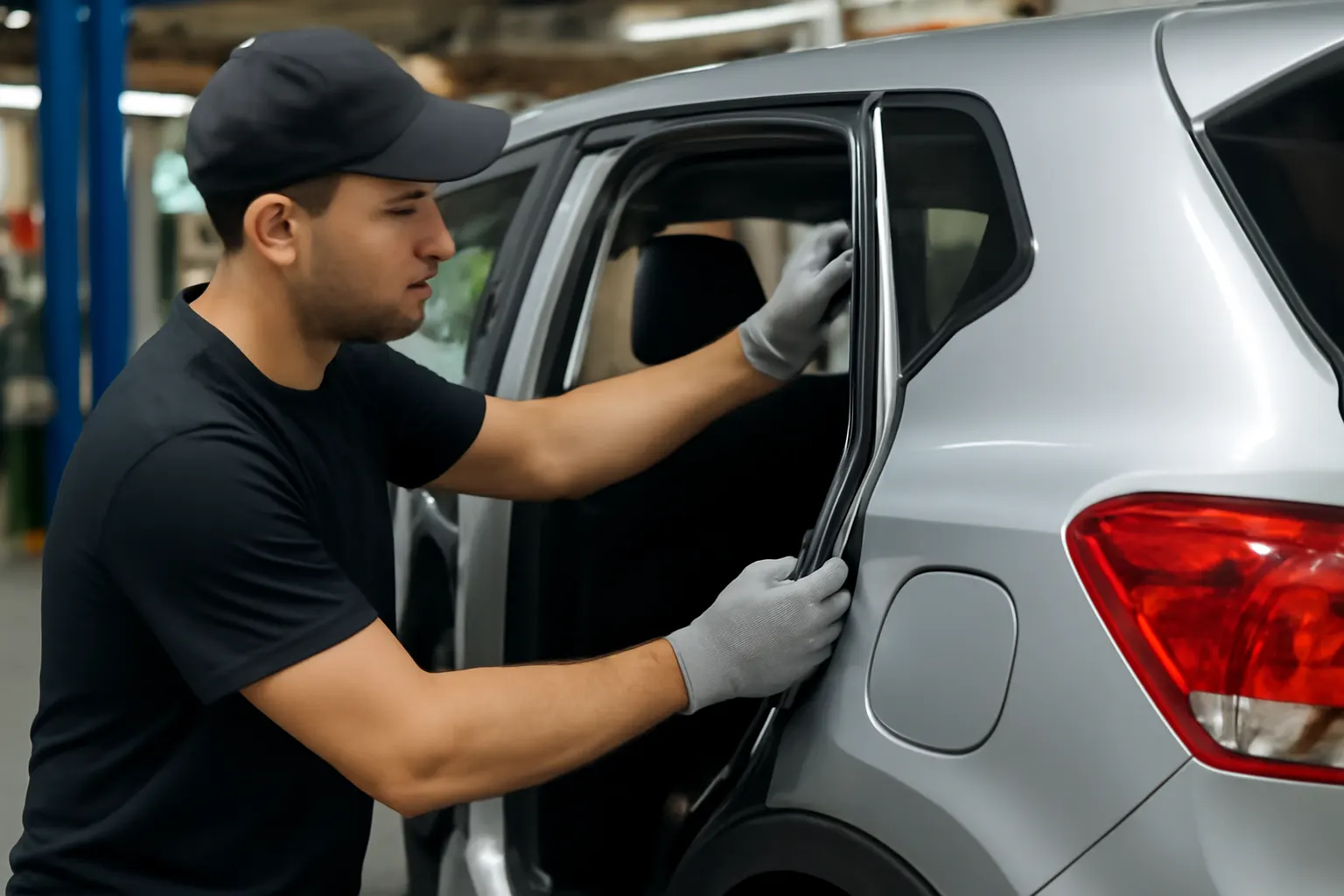
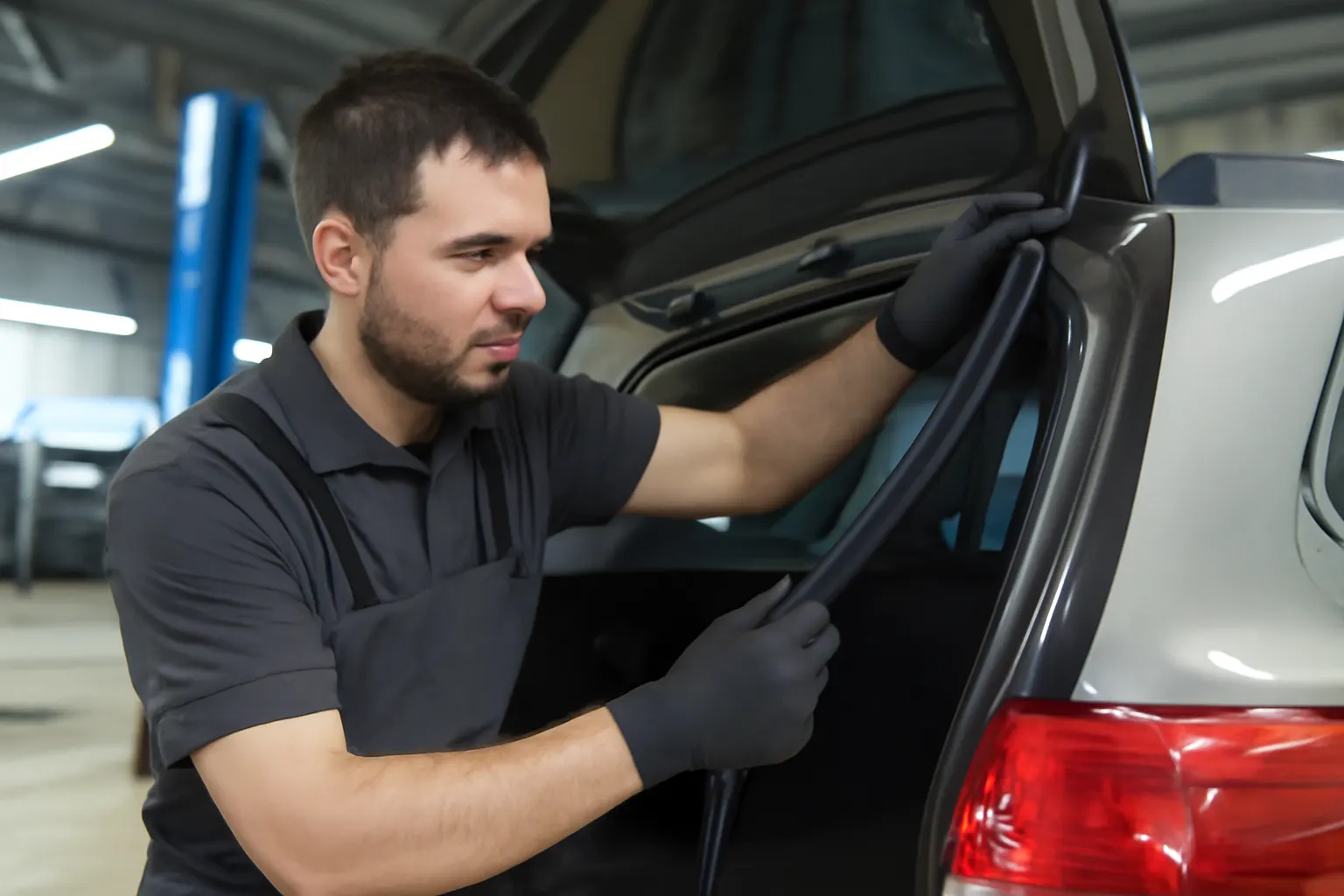
Proper installation is critical for back door molding performance. Even the best materials will fail if the molding is misaligned, stretched, or pinched during installation. Here’s how to ensure a perfect fit:
- Surface Preparation: Clean the door frame thoroughly to remove dirt, old adhesive, and corrosion.
- Dry Fit: Before applying adhesive or clips, position the molding to check alignment and length.
- Adhesive Application: Use the manufacturer-recommended adhesive or clips. Apply evenly to avoid gaps.
- Compression: Press the molding firmly into place, ensuring consistent contact along the entire length.
- Curing Time: Allow adhesives to cure fully before closing the door or exposing the vehicle to moisture.
If you’re tackling this as a DIY project, consult our step-by-step guide: How to Replace Back Door Molding for a Perfect Seal.
Maintenance Tips: Extending the Life of Your Door Moldings
Routine maintenance can dramatically extend the lifespan of your back door molding. Here’s what the experts recommend:
- Regular Cleaning: Wash moldings with mild soap and water to remove grit and road salt.
- Conditioning: Apply a rubber protectant or silicone spray every few months to keep the material supple.
- Inspect for Damage: Check for signs of wear, especially after harsh weather or frequent door use.
- Prompt Repairs: Address small tears or gaps immediately to prevent further deterioration.
- Avoid Harsh Chemicals: Do not use petroleum-based cleaners, which can degrade rubber.
A small investment in maintenance pays off by preserving your vehicle’s value and preventing costly repairs.
Diagnosing Water Leaks: Is Your Back Door Molding to Blame?
Water leaks can be tricky to diagnose, as moisture may travel along channels and appear far from the source. If you suspect your back door molding is at fault, follow this targeted diagnostic approach:
- Check the Obvious: Inspect the molding for visible damage or misalignment.
- Test with a Hose: With the doors closed, spray water around the perimeter of the back door. Check inside for moisture.
- Chalk Test: Lightly dust the molding with chalk, close the door, and open it again. Missing chalk marks indicate poor contact.
- Look for Water Trails: Remove trim panels if necessary to trace water paths.
- Eliminate Other Sources: Ensure the leak isn’t from the window seal, trunk seal, or roof rails.
For more diagnostic strategies, read: Diagnosing Water Leaks: Is Your Back Door Molding to Blame?.
The Impact on Fuel Efficiency and Cabin Comfort
While door moldings are primarily about protection, they also have a subtle but real impact on your vehicle’s fuel efficiency and comfort. According to the United States Department of Energy, air leaks increase aerodynamic drag and force your HVAC system to work harder, both of which can reduce fuel economy. A tight seal helps maintain cabin temperature, reduces wind noise, and minimizes the energy required for heating or cooling.
Ignoring worn back door molding can lead to an increase in road noise, drafts, and temperature fluctuations inside the vehicle—all of which degrade the driving experience and may lead to higher fuel costs over time.
Buying Guidance: How to Choose the Right Back Door Molding
Selecting the best back door molding for your vehicle involves more than just matching year, make, and model. Consider the following factors:
- OEM vs Aftermarket: OEM moldings guarantee precise fitment and material quality, while some aftermarket options may offer cost savings but require careful vetting.
- Material Composition: Look for EPDM rubber or equivalent high-durability compounds.
- Fitment Method: Some moldings use adhesive, while others rely on clips or channels. Choose the type that matches your vehicle’s design.
- Warranty: Reputable suppliers offer warranties against defects and premature wear.
- Supplier Reputation: Buy from trusted sources with a track record of quality and customer service.
When in doubt, consult your vehicle’s manual or speak with a parts expert to ensure compatibility.
Ensuring a Professional Result: When to Call in Experts
While many DIYers can handle back door molding replacement, certain situations call for professional expertise:
- Complex Moldings: Vehicles with integrated sensors or multi-layer seals may require specialized tools or procedures.
- Persistent Leaks: If water ingress continues after replacement, there may be hidden rust or structural issues.
- Warranty Vehicles: For newer cars, professional installation may be required to maintain warranty coverage.
- Precision Fitment: Professional installers have the experience to achieve a seamless, factory-quality result.
If you’re unsure about tackling this job yourself, don’t hesitate to seek qualified help.
AutoPartEx: Your Partner in Vehicle Longevity
At AutoPartEx, we understand that small components like back door molding can make a big difference in your vehicle’s long-term health. We offer a curated selection of OEM and high-quality aftermarket moldings designed for precise fitment and lasting durability. Our technical guides and expert support make it easy to diagnose issues, select the right part, and achieve a professional installation.
Don’t let a simple seal compromise your vehicle’s value or safety. Explore our Back Door Molding: Protection, Fitment, and OEM Quality for Your Vehicle page for trusted parts and in-depth resources. For other essential components, browse by manufacturer or category to keep your entire vehicle protected.
Conclusion: Small Part, Major Impact
The back door molding is much more than a cosmetic trim—it’s a critical barrier against water, dirt, noise, and corrosion. By maintaining and promptly replacing this vital component, you protect your vehicle’s structure, comfort, and value for years to come. Don’t wait for a leak or rust spot to appear; make back door molding inspection and maintenance a regular part of your automotive care routine.