OEM vs Aftermarket Back Door Moldings: What You Need to Know
When it comes to replacing your vehicle’s back door molding, the choice between OEM (Original Equipment Manufacturer) and aftermarket parts can have a significant impact on fitment, durability, and ease of installation. The right molding ensures a tight seal, prevents water leaks, and maintains the appearance and value of your vehicle. But how do you decide which is best for your needs? This guide delivers a technical, practical comparison based on real-world challenges and verified automotive sources, so you can make the most informed decision for your car, truck, or SUV.
For a broader understanding of back door molding applications, visit our Back Door Molding: Protection, Fitment, and OEM Quality for Your Vehicle category page.
The Immediate Answer: OEM vs Aftermarket Moldings
OEM back door moldings are designed and manufactured to the exact specifications of your vehicle’s original parts. They offer superior fitment, material quality, and seamless integration with the rest of the door assembly. Aftermarket moldings, on the other hand, may be produced by third-party companies and can vary widely in quality, design, and fitment precision.
Key differences at a glance:
- Fitment: OEM moldings almost always fit perfectly; aftermarket options may require trimming, adjustment, or even return and replacement.
- Durability: OEM moldings utilize materials and construction methods specified by the automaker, often resulting in longer life and better resistance to weather and UV exposure.
- Installation: OEM moldings are typically easier to install, while aftermarket ones can present challenges such as alignment issues, inconsistent adhesive quality, or lack of mounting hardware.
The Hidden Problem: Not All Moldings Are Created Equal
Many vehicle owners and even seasoned DIYers assume that all back door moldings—OEM or aftermarket—will provide comparable performance. However, subtle differences in material composition, dimensional tolerances, and attachment methods can have outsized effects on sealing performance, water ingress, noise reduction, and even vehicle safety NHTSA Equipment.
Common overlooked issues:
- Water leaks: Poorly fitting moldings can lead to chronic leaks, which may cause corrosion, mold, and electrical issues.
- Wind noise: Inadequate sealing or improper installation increases cabin noise, especially at highway speeds.
- Aesthetic mismatches: Differences in texture, color, or profile can detract from your vehicle’s appearance and resale value.
Why the Choice Matters: Fitment, Safety, and Performance
The back door molding serves a vital function beyond aesthetics. It is a primary barrier against water, dust, and road noise, and it plays a role in the structural integrity of the door seal DOE Materials Technologies. Selecting the wrong molding can introduce problems that affect your vehicle’s comfort, safety, and longevity.
Key technical impacts:
- Fitment precision: OEM moldings are manufactured using the same tooling and quality controls as the original part, ensuring a perfect match. Aftermarket moldings may be “universal fit” or made to looser tolerances, which can result in gaps or misalignment.
- Material science: Automakers often use advanced compounds (EPDM rubber, thermoplastic elastomers) for OEM moldings, balancing flexibility, UV resistance, and durability. Aftermarket suppliers may substitute lower-grade materials to save costs, impacting longevity.
- Safety compliance: Poorly fitting moldings can compromise door closure or even affect side-impact protection in extreme cases, as outlined by NHTSA Equipment.
Technical Comparison: OEM vs Aftermarket Moldings
Let’s break down the technical differences in a side-by-side comparison:
| Feature | OEM Back Door Molding | Aftermarket Back Door Molding |
|---|---|---|
| Fitment | Exact match, plug-and-play | May require trimming or modification |
| Material Quality | Automaker-specified, often advanced elastomers | Varies; can be lower-grade rubber or plastic |
| Weather Resistance | Designed for long-term UV, ozone, and temperature exposure | Inconsistent; may degrade faster |
| Installation | Includes all necessary clips, fasteners, and adhesives | Sometimes lacks hardware or uses inferior adhesives |
| Aesthetic Match | Matches original texture, color, and profile | May differ in finish or dimensions |
| Warranty | Typically 1-3 years or matches vehicle warranty | Varies; often shorter or limited |
| Price | Higher, reflects OEM quality and precision | Lower, but may result in higher lifetime cost |
Diagnosing Back Door Molding Issues
Before you choose a replacement, it’s important to correctly diagnose the condition of your current back door molding. Here’s how to spot common problems:
Visual and Physical Inspection Checklist
- Cracks or splits: Examine the entire length of the molding for visible damage.
- Hardening or brittleness: Press the molding with your finger. If it feels hard or cracks, it’s degraded.
- Loose or missing sections: Gently tug on the molding to check for loose areas or gaps.
- Water stains or dampness: Inspect the door sill and carpet for signs of water intrusion.
- Wind noise: Listen for increased noise at highway speeds, which can indicate poor sealing.
- Visible gaps: Check for uneven contact between the molding and the door frame.
If any of these issues are present, it’s time to consider a replacement. For a more detailed walkthrough, see Diagnosing Water Leaks: Is Your Back Door Molding to Blame?.
Installation Challenges: Real-World Differences
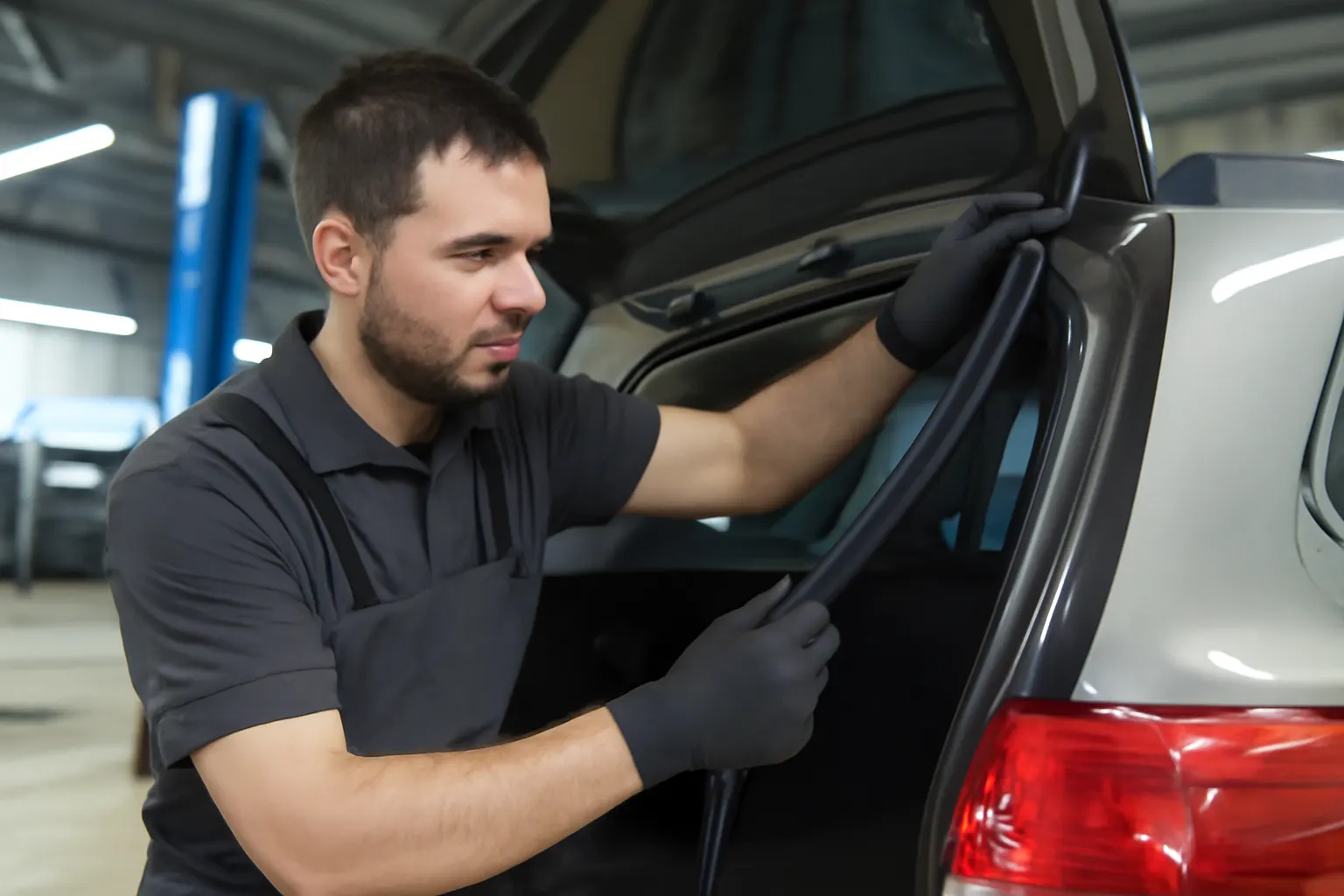
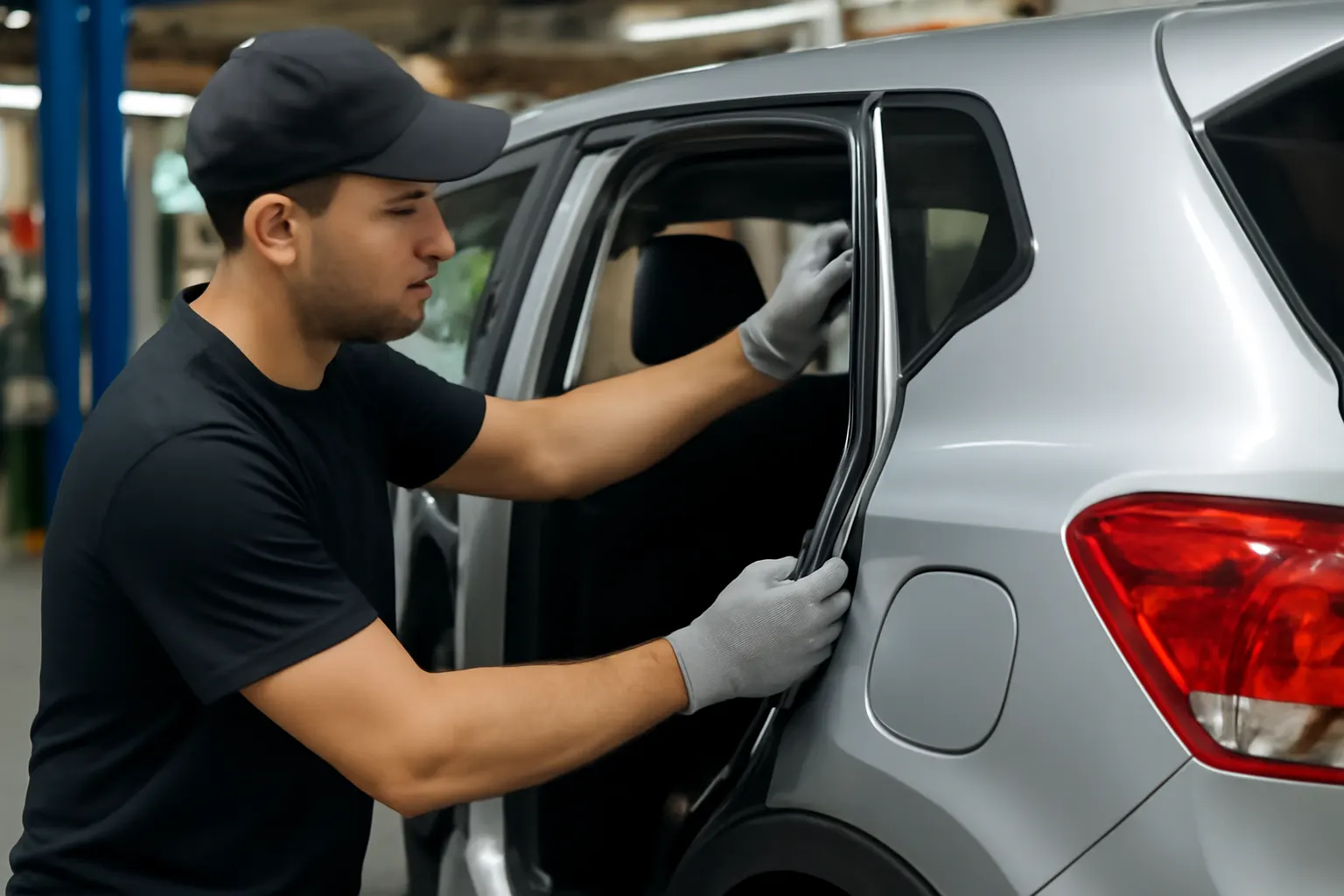
OEM moldings are engineered for straightforward installation, often snapping or sliding into place with factory-style clips and adhesive. Aftermarket moldings can introduce several challenges:
- Alignment: Holes or slots may not line up with factory mounting points, requiring drilling or modification.
- Adhesive quality: Some aftermarket kits use generic double-sided tape or low-grade glue, which may fail in extreme temperatures.
- Trim-to-fit: Universal aftermarket moldings often require cutting to length, increasing the risk of improper sealing.
- Missing hardware: Aftermarket kits may not include necessary clips or fasteners, forcing additional parts purchases.
Pro Tip: Always compare the new molding—OEM or aftermarket—side-by-side with the old one before installation to spot discrepancies.
Material Science: What’s Behind the Rubber?
The longevity and performance of your back door molding are directly tied to its material composition. OEM moldings typically use high-grade EPDM (ethylene propylene diene monomer) rubber or proprietary elastomers, offering:
- Superior UV resistance: Prevents cracking and fading over time.
- Ozone and chemical resistance: Maintains flexibility and sealing properties in harsh environments.
- Consistent durometer (hardness): Ensures the right balance between sealing and ease of door closure.
Aftermarket moldings may substitute PVC or generic rubber compounds, which can:
- Degrade faster in sunlight or cold weather
- Lose elasticity, leading to gaps and leaks
- Emit odors or discolor over time
For more on how materials impact vehicle performance, see Materials Technologies.
Fitment and Compatibility: Why Precision Matters
A back door molding that is even a few millimeters off in length or profile can create problems:
- Water ingress: Gaps let in rainwater, which can damage upholstery and electronics.
- Noise intrusion: Poor seals increase wind and road noise, reducing cabin comfort.
- Difficult door closure: Excessively thick or stiff moldings can make doors hard to shut or latch.
OEM fitment advantages:
- Designed to match the door curvature and mounting points exactly.
- Includes factory clips and adhesives for a secure, uniform seal.
- Maintains the intended look and function of the door.
Aftermarket fitment risks:
- “Universal” moldings may fit multiple models but rarely match any one vehicle perfectly.
- May require force, stretching, or trimming, leading to premature wear.
Durability and Longevity: Real-World Performance
OEM moldings are tested for thousands of open/close cycles and exposure to extreme temperatures, UV, and chemicals. They are engineered for the life of the vehicle or the duration of the factory warranty.
Aftermarket moldings can vary widely:
- Premium aftermarket: Some reputable brands match OEM specs closely, but at a price point similar to OEM.
- Economy aftermarket: Lower cost, but often shorter lifespan—expect to replace sooner, especially in harsh climates.
Signs of premature failure:
- Shrinking, curling, or hardening within a year or two.
- Adhesive failure leading to peeling or sagging.
- Color fading or surface cracking.
Safety and Regulatory Compliance
Back door moldings are not just cosmetic—they contribute to the vehicle’s overall safety envelope. Properly installed, high-quality moldings help:
- Maintain crash integrity: By ensuring doors close fully and latch securely.
- Prevent water intrusion: Which can affect electrical systems and safety sensors.
- Reduce noise: Improving driver focus and comfort.
The National Highway Traffic Safety Administration (NHTSA) highlights the importance of using quality replacement parts to maintain safety standards NHTSA Equipment.
Cost Considerations: Upfront vs Lifetime Value
OEM moldings typically cost more upfront due to higher material and manufacturing standards. However, their longevity and trouble-free fitment often mean lower total cost of ownership.
Aftermarket moldings are attractive for their lower price, but consider:
- Potential rework: Poor fitment may require professional installation or even replacement.
- Reduced lifespan: Faster degradation means more frequent replacements.
- Possible collateral damage: Water leaks or improper sealing can lead to costly repairs.
Budgeting tip: Factor in the cost of installation, potential rework, and the risk of water damage when comparing prices.
Sourcing and Buying Guidance
Whether you choose OEM or aftermarket, follow these steps for sourcing quality back door moldings:
Back Door Molding Sourcing Checklist
- Identify your exact vehicle make, model, and year.
- Check part numbers: Look up the OEM part number and compare it to aftermarket options.
- Research supplier reputation: Read reviews and check for industry certifications or standards.
- Inspect included hardware: Ensure all clips, fasteners, and adhesives are provided.
- Verify return policy: Especially important for aftermarket parts in case of fitment issues.
- Ask about material composition: Confirm the molding is made from EPDM or equivalent high-grade elastomer.
- Compare side-by-side: If possible, match the new molding to the old before installing.
- Consult installation guides: OEM parts often include detailed instructions; aftermarket may not.
For a step-by-step installation tutorial, see How to Replace Back Door Molding for a Perfect Seal.
Installation Best Practices
Proper installation is crucial to maximizing the lifespan and effectiveness of your new back door molding.
Key Steps for a Successful Installation
- Clean the surface: Remove all old adhesive, dirt, and debris from the door frame.
- Test fit: Dry-fit the molding before removing adhesive backing or applying glue.
- Align carefully: Start at one end and work methodically to prevent stretching or misalignment.
- Apply even pressure: Ensure full contact between the molding and the door frame.
- Secure with clips or fasteners: Use all provided hardware for a factory-quality seal.
- Allow adhesive to cure: Follow manufacturer instructions for curing time before exposing to water or closing the door fully.
Maintenance Tips for Long-Term Performance
Even the best back door molding requires periodic inspection and maintenance:
- Clean regularly: Use mild soap and water to prevent buildup of dirt and road grime.
- Inspect for damage: Check for cracks, hardening, or gaps during routine washes.
- Protect from UV: Park in the shade when possible, or use automotive rubber protectants designed for weatherstripping.
- Address issues early: Small cracks or loose sections can often be repaired with compatible adhesives if caught early.
Regular maintenance not only extends the life of your molding but also protects your vehicle’s interior and electrical systems.
When to Choose OEM, Aftermarket, or Professional Installation
Choose OEM if:
- You demand perfect fit and finish.
- Your vehicle is under warranty or you plan to sell it soon.
- You want to maximize long-term durability.
Choose reputable aftermarket if:
- You’re on a budget but still want decent quality.
- The part is unavailable from the dealer or is discontinued.
- You’re comfortable with minor adjustments during installation.
Consider professional installation if:
- You lack experience with trim or weatherstripping.
- The molding is complex or requires special tools.
- You want to ensure warranty coverage on the replacement part.
AutoPartEx: Your Partner in Precision Fit and Quality
At AutoPartEx, we understand that the difference between a leak-free, quiet ride and chronic issues often comes down to the quality of your back door molding. That’s why we offer a curated selection of both OEM and premium aftermarket options, complete with detailed fitment guides and expert support. Our commitment is to help you achieve a factory-quality seal—whether you’re driving a late-model Acura, a classic AMC, or anything in between.
For more insights on the importance of back door molding and how it affects your vehicle’s longevity, read Why Back Door Molding Matters for Vehicle Longevity.
The Expert Action Plan
- Inspect your current back door molding for damage, leaks, or noise.
- Decide between OEM and aftermarket based on your needs, budget, and the technical considerations outlined above.
- Source your molding from a reputable supplier, using our sourcing checklist.
- Follow best installation practices or consult a professional if unsure.
- Maintain and inspect regularly to ensure ongoing protection and performance.
For a complete selection of back door moldings and expert advice, visit our Back Door Molding: Protection, Fitment, and OEM Quality for Your Vehicle category page.