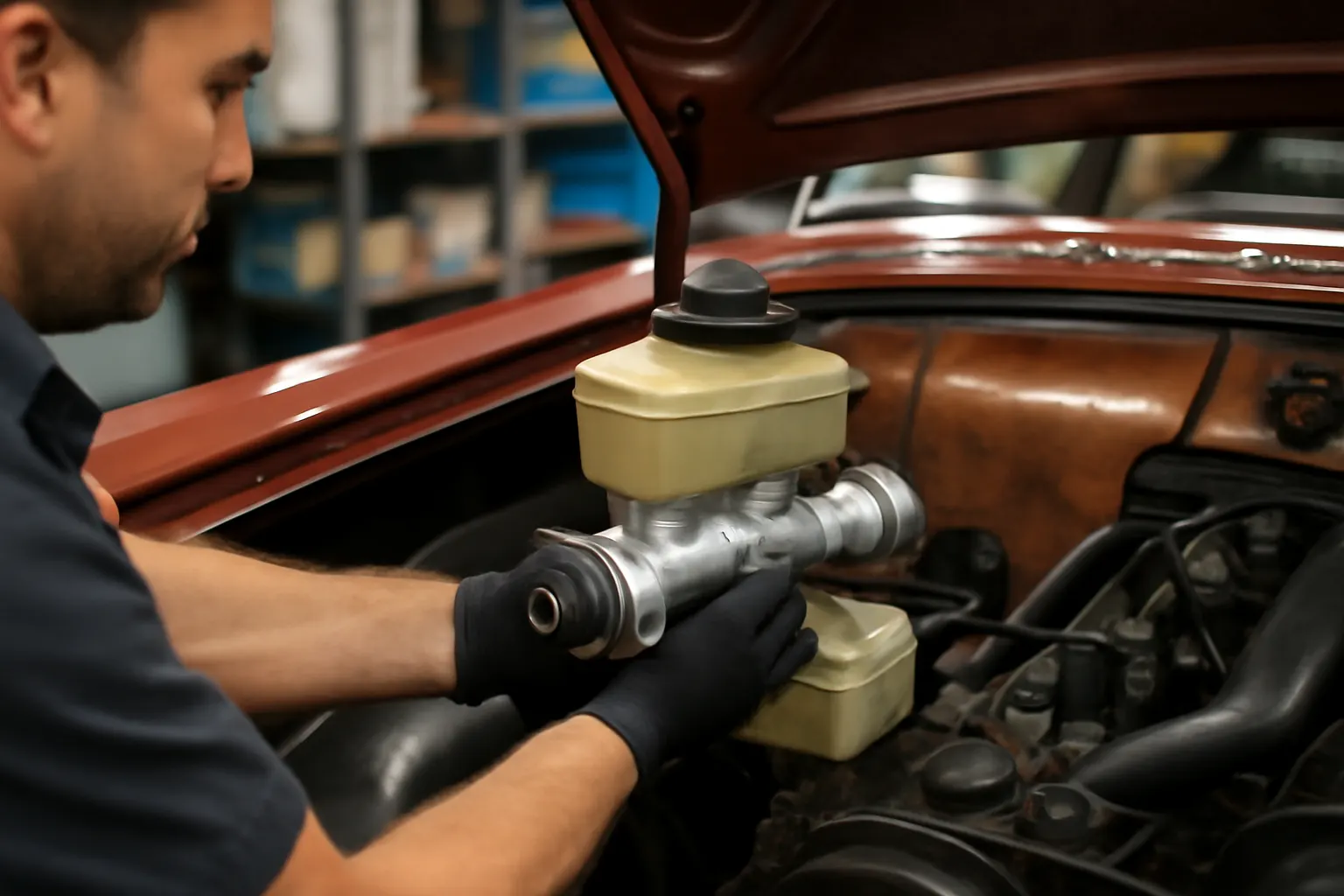
When to Replace Your Master Cylinder: Warning Signs and Solutions
The master cylinder is the unsung hero at the core of your vehicle’s braking system, converting pedal pressure into hydraulic force that stops your car. Recognizing when your master cylinder is failing—and replacing it promptly—can mean the difference between confident braking and a dangerous loss of stopping power. In this comprehensive AutoPartEx guide, you’ll learn the critical warning signs of a failing master cylinder, the technical reasons behind them, and how to restore your vehicle’s braking safety and performance. For more foundational information about this vital component, see Master Cylinder: The Heart of Hydraulic Braking Systems.
Immediate Answer: Top Warning Signs That Signal Master Cylinder Failure
If you’re experiencing any of the following issues, your master cylinder may be on the verge of failure and should be inspected or replaced immediately:
- Spongy, sinking, or unresponsive brake pedal
- Brake fluid leaks under the master cylinder or at the firewall
- Warning lights on the dashboard, especially the brake or ABS light
- Contaminated or discolored brake fluid in the reservoir
- Reduced braking power or inconsistent braking force
- Unusual noises when pressing the brake pedal
These symptoms are not just nuisances—they are critical safety alerts. A compromised master cylinder can lead to a complete loss of hydraulic braking, putting you, your passengers, and others on the road at risk. If you notice any of these signs, do not delay: diagnostics and timely replacement are essential.
The Hidden Problem: Why Master Cylinders Fail and Go Unnoticed
The master cylinder is engineered for reliability, but it is not immune to wear, contamination, or internal seal failure. Many drivers overlook the early symptoms because they can develop gradually or mimic less serious issues like worn brake pads. Unfortunately, waiting for a complete failure before taking action can result in hazardous driving conditions or even brake system collapse.
What makes master cylinder problems particularly insidious is their ability to mask themselves as other brake system faults. For instance, a sinking pedal might be attributed to air in the lines, while a slow fluid loss could be blamed on a caliper seal. Without proper diagnosis, the true cause—internal leakage or corrosion within the master cylinder—remains hidden until braking performance is critically diminished.
Deeper Technical Explanation: How the Master Cylinder Works and Fails
Understanding the master cylinder’s function and failure modes is key to diagnosing issues accurately. The master cylinder is the primary hydraulic pump in your braking system. When you press the brake pedal, a pushrod transfers force to the master cylinder’s piston(s), which then pressurize brake fluid and send it through the lines to the calipers or wheel cylinders.
Common Failure Modes
- Internal Seal Wear: The rubber seals inside the master cylinder can degrade due to age, heat, or contaminated fluid, leading to internal leaks that reduce hydraulic pressure.
- Corrosion and Pitting: Moisture ingress or poor-quality brake fluid can corrode the bore, causing rough spots that damage seals and allow fluid bypass.
- External Leaks: Gasket or seal failure at the pushrod end or reservoir can cause visible fluid leaks.
- Reservoir Cracks: Over time, plastic or composite reservoirs may crack, especially if exposed to underhood heat or vibration.
Symptoms in Context
A spongy pedal often indicates internal fluid bypass, while a slowly sinking pedal with steady pressure is a classic sign of master cylinder internal leakage. Contaminated or dark brake fluid accelerates seal wear and corrosion, compounding the problem. These issues can also trigger dashboard warnings if your vehicle has a brake pressure sensor or ABS system.
Solution Path: Diagnosing, Replacing, and Restoring Braking Performance
A systematic approach—starting with symptom identification and progressing through targeted inspection and replacement—ensures a safe and effective repair. Here’s how professionals and skilled DIYers approach the process:
Step 1: Confirm the Symptoms
- Test the Pedal: With the engine off, press and hold the brake pedal. If it slowly sinks to the floor, suspect master cylinder internal leakage.
- Check for Leaks: Inspect the area around the master cylinder, especially where it mounts to the brake booster or firewall, for fluid residue.
- Inspect Fluid: Open the reservoir and look for dark, sludgy, or contaminated brake fluid.
- Monitor Warning Lights: Note any dashboard indicators related to the brake or ABS system.
Step 2: Eliminate Other Causes
Before condemning the master cylinder, rule out:
- Air in brake lines (bleed the system and retest)
- Leaking calipers, wheel cylinders, or hoses
- Faulty brake booster (if the pedal is hard, not soft)
Step 3: Bench Test the Master Cylinder
If removed, a bench test can confirm internal leakage. Block the outlet ports and press the piston—if the piston moves easily or fluid leaks past the seals, replacement is needed.
Step 4: Replacement and Bleeding
- Install a quality replacement master cylinder, matching OE specifications.
- Bench bleed the new master cylinder before installation to remove trapped air.
- Reinstall and fully bleed the entire brake system, following the correct sequence.
For detailed guidance on diagnosing pedal issues, see Diagnosing Brake Pedal Issues: Master Cylinder Edition.
Comprehensive Checklist: Signs You Need to Replace Your Master Cylinder
Use this checklist to quickly assess your master cylinder’s condition. If you answer “Yes” to any, take immediate action.
| Symptom | Yes/No |
|---|---|
| Brake pedal slowly sinks with steady pressure | |
| Brake pedal feels spongy or unresponsive | |
| Visible brake fluid leak at master cylinder | |
| Brake warning/ABS light illuminated | |
| Dark or contaminated brake fluid | |
| Inconsistent or reduced braking power | |
| Unusual noises when pressing brake pedal |
The Risks of Ignoring Master Cylinder Problems
Delaying master cylinder replacement is not just a matter of comfort or convenience—it’s a direct safety hazard. According to the National Highway Traffic Safety Administration, brake system failures are a leading cause of vehicle recalls and accident investigations. A failed master cylinder can result in:
- Complete loss of hydraulic braking (no pressure at any wheel)
- Extended stopping distances, especially in emergency situations
- Increased risk of rear-end collisions or inability to stop at intersections
- Unpredictable brake feel, undermining driver confidence
Failure to address these issues can also lead to further damage, such as contaminating ABS modulators or wheel cylinders with degraded brake fluid.
Technical Deep Dive: Materials, Design, and Lifespan
Modern master cylinders are engineered from advanced alloys and composite plastics to balance strength, corrosion resistance, and weight. According to the U.S. Department of Energy’s Materials Technologies, materials selection directly influences durability and performance.
Key Construction Features
- Bore Material: Aluminum or cast iron is common for the main body, offering corrosion resistance and structural integrity.
- Seals and O-rings: Specially formulated rubber compounds resist swelling and breakdown from modern brake fluids.
- Reservoir Design: Transparent or semi-transparent reservoirs allow easy fluid inspection, while advanced plastics resist cracking and UV degradation.
Expected Service Life
While master cylinders are designed for long service, factors like driving conditions, fluid maintenance, and climate can shorten their lifespan. Most experts recommend inspection at every major brake service and replacement at the first sign of trouble—typically between 80,000 and 150,000 miles, but sometimes much sooner in severe conditions.
How Brake Fluid Quality Impacts Master Cylinder Longevity
Brake fluid is the lifeblood of the hydraulic system. Its quality and condition are critical to master cylinder health. Over time, brake fluid absorbs moisture, which lowers its boiling point and encourages corrosion inside the cylinder bore. Contaminants can also cause seal swelling and internal abrasion.
Maintenance Tips
- Flush brake fluid every 2–3 years or as recommended by your vehicle manufacturer.
- Always use the correct fluid type (DOT 3, DOT 4, etc.) for your system.
- Check fluid condition during every oil change—dark or cloudy fluid signals contamination.
See Brake Fluid Selection and Maintenance for Hydraulic Systems for expert advice on fluid choice and service intervals.
Step-by-Step: Master Cylinder Replacement Procedure
If replacement is necessary, follow these steps for a professional-quality repair:
1. Preparation
- Park on a level surface and disconnect the battery.
- Protect painted surfaces—brake fluid is highly corrosive.
2. Remove the Old Master Cylinder
- Disconnect brake lines using a flare-nut wrench to prevent rounding.
- Unplug electrical connectors (brake fluid level sensor, if equipped).
- Unbolt the master cylinder from the brake booster/firewall.
3. Bench Bleed the New Master Cylinder
- Secure it in a vise, attach bleeding tubes, and fill with fresh brake fluid.
- Slowly depress the piston until air bubbles are gone and only fluid emerges.
4. Installation
- Mount the new master cylinder and torque bolts to specification.
- Reconnect brake lines and electrical connectors.
5. System Bleeding
- Bleed the entire brake system, starting with the wheel farthest from the master cylinder.
- Check for leaks and proper pedal feel.
6. Final Checks
- Top off brake fluid, reinstall reservoir cap, and test drive carefully.
Sourcing the Correct Master Cylinder: Fitment and Quality
Not all master cylinders are created equal. Precise fitment and quality construction are essential for safety and reliability.
Tips for Selecting the Right Replacement
- Use VIN or OE part number to ensure compatibility.
- Choose reputable brands that meet or exceed SAE standards for hydraulic components.
- Inspect the new part for casting quality, reservoir integrity, and included hardware.
- Avoid “universal” fit parts unless specifically engineered for your vehicle.
For classic or rare vehicles, see our guide on Classic Car Restorations: Sourcing Rare Master Cylinders.
Addressing Related Brake System Issues
Replacing the master cylinder is often the first step in restoring brake performance, but related issues may need attention:
- Brake Booster: If the pedal is hard even with a new master cylinder, the booster may be faulty.
- ABS Module: Contaminated fluid from a failed master cylinder can damage sensitive ABS components.
- Brake Hoses/Lines: Old or cracked hoses can mimic master cylinder failure symptoms.
A holistic approach—inspecting the entire hydraulic circuit—ensures long-term safety.
Preventive Maintenance: Keeping Your Master Cylinder Healthy
Proactive maintenance significantly extends master cylinder service life. Here’s how:
- Regular Fluid Changes: As outlined above, fresh fluid prevents corrosion and seal degradation.
- Leak Checks: Inspect under the hood and around the firewall for early signs of seepage.
- Pedal Feel Monitoring: Any change in pedal height, firmness, or travel should prompt immediate inspection.
- Professional Brake Inspections: At least once a year, or at every major service interval.
What to Expect After Replacement: Pedal Feel and Performance
A properly installed and bled master cylinder restores firm, predictable pedal feel and consistent stopping power. You should notice:
- Immediate pedal response with no “sinking” or “spongy” sensation
- Even braking force at all wheels
- No warning lights or fluid leaks
- Improved confidence in emergency stops
If issues persist after replacement, recheck for air in the system, leaks, or compatibility problems.
AutoPartEx: Your Partner in Brake System Safety
At AutoPartEx, we understand that the master cylinder is the heart of your hydraulic braking system. That’s why we offer a comprehensive selection of quality master cylinders, expert installation guides, and technical support to ensure your repairs are done right. Whether you’re maintaining a daily driver, restoring a classic, or upgrading performance, our parts and resources keep you safe on the road.
Explore our full range of Master Cylinder: The Heart of Hydraulic Braking Systems, or browse related components for your specific make and model. Our technical editorial team is here to help you diagnose, source, and install the right part the first time.
Frequently Asked Questions
How do I know if my master cylinder is failing or if it’s just air in the brake lines?
Air in the lines typically causes a soft, spongy pedal that firms up after repeated pumping or bleeding. A failing master cylinder often causes a pedal that slowly sinks even when held under steady pressure, or a pedal that never firms up after bleeding.
Can I drive with a bad master cylinder?
Driving with a failing master cylinder is extremely dangerous and not recommended. Loss of hydraulic pressure can occur at any time, leading to total brake failure.
How much does it cost to replace a master cylinder?
Costs vary by vehicle, but expect to pay between $150 and $400 for parts and $100–$250 for labor at a professional shop. DIYers can save on labor, but must follow correct procedures.
Should I replace the master cylinder myself or go to a professional?
If you’re experienced with brake systems and have the proper tools (including a vacuum/pressure bleeder), DIY replacement is possible. Otherwise, seek professional service to ensure safety.