
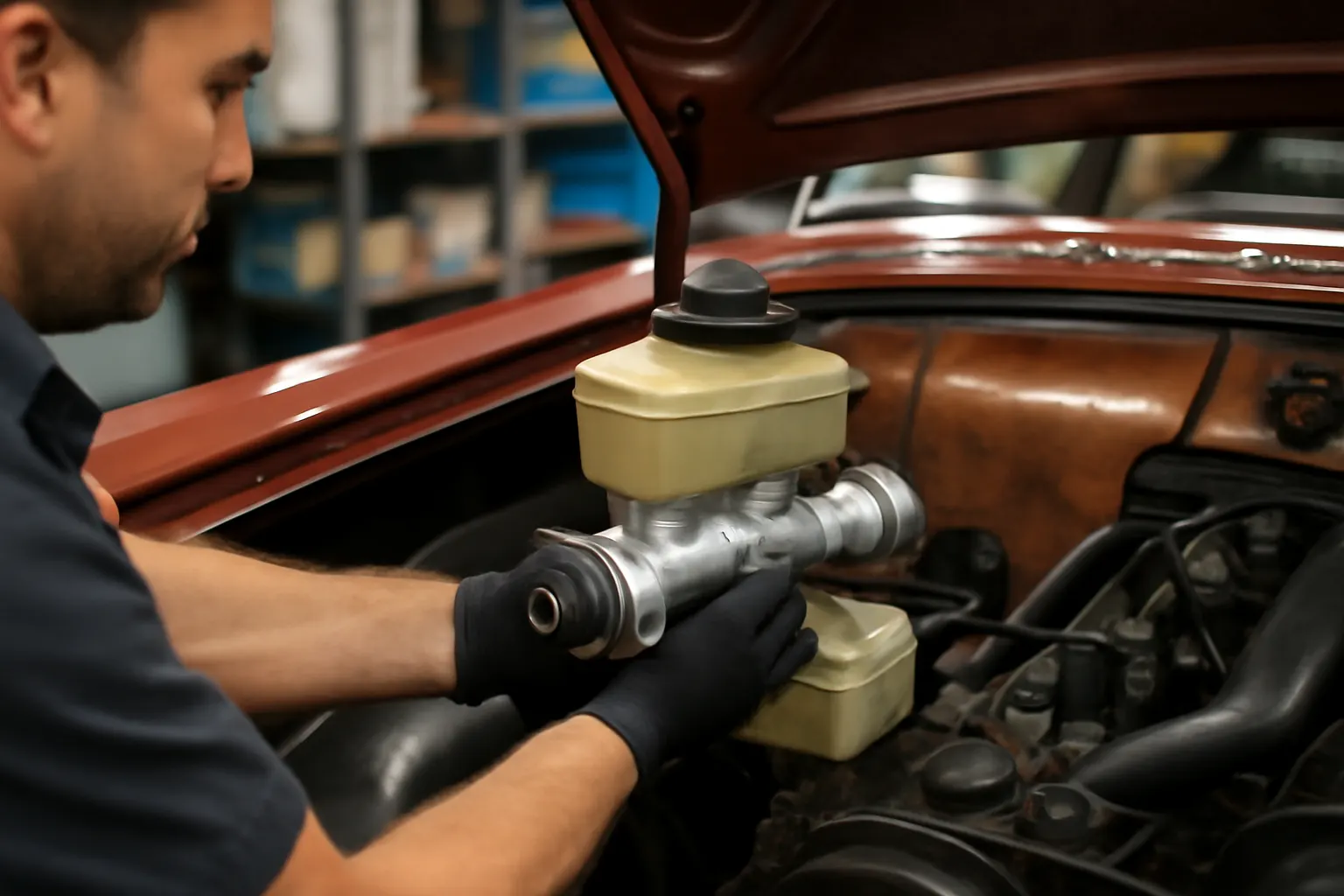
Classic Car Restorations: Sourcing Rare Master Cylinders
Restoring a classic car to its former glory is a rewarding pursuit, but sourcing the correct master cylinder for vintage and rare vehicles can be one of the most challenging and critical steps in the process. The master cylinder is not just another component—it’s the heart of your hydraulic braking system, and its integrity directly impacts both safety and authenticity. In this comprehensive guide, the AutoPartEx Technical Editorial Team delivers actionable strategies, sourcing tips, diagnostic insights, and installation best practices for finding and fitting rare master cylinders in your classic restoration project. If you’re just starting your journey or are deep into a meticulous rebuild, this resource will help you avoid hidden pitfalls and ensure your vehicle’s braking system meets both safety standards and period-correct expectations.
For a broader understanding of the master cylinder’s role in automotive systems, visit our Master Cylinder: The Heart of Hydraulic Braking Systems category page.
The Immediate Answer: How to Source Rare Master Cylinders for Classic Cars
The quickest path to sourcing a rare master cylinder for a classic car restoration is to identify your vehicle’s exact make, model, and production year, then cross-reference original equipment manufacturer (OEM) part numbers with reputable classic parts suppliers, specialized salvage yards, and restoration forums. When OEM parts are unavailable, consider high-quality remanufactured units or professional rebuild services that use period-appropriate materials and specifications. Always verify compatibility and seek out suppliers that provide detailed application charts and technical support.
The Hidden Problem: Why Sourcing Is More Complex Than It Seems
While it may seem straightforward to search for a master cylinder by vehicle name or model year, the reality is far more complex. Automakers often changed braking system suppliers mid-production, resulting in subtle but critical variations in bore diameter, mounting flange spacing, pushrod length, and reservoir design—even within the same model year. Furthermore, decades of previous ownership, modifications, or undocumented repairs may mean the existing master cylinder isn’t even the correct one for your vehicle.
Failing to identify these nuances can lead to ordering an incorrect part, resulting in poor brake performance, safety hazards, or the need for costly returns and rework. The master cylinder is integral to both hydraulic pressure delivery and pedal feel, so any deviation from original specifications can compromise not only the authenticity of your restoration but also its roadworthiness (NHTSA Equipment).
Understanding the Master Cylinder’s Role in Classic Cars
The master cylinder converts mechanical force from the brake pedal into hydraulic pressure, distributing brake fluid to the wheel cylinders or calipers. In classic vehicles, especially those built before the widespread adoption of dual-circuit systems, the master cylinder is often a single-reservoir design with unique mounting and plumbing requirements. Material composition also varies—cast iron was standard for decades, but later models may use aluminum or composite bodies (Materials Technologies).
Classic cars may employ:
- Single-circuit master cylinders: Common on vehicles built before the late 1960s.
- Dual-circuit master cylinders: Introduced for improved safety, especially post-1967 in the U.S.
- Remote reservoir systems: Found in certain European and sports models.
- Integrated proportioning valves or residual pressure valves: Sometimes built into the master cylinder body.
Knowing which system your car uses is essential before beginning any sourcing or installation process.
The Scope of Rarity: What Makes a Master Cylinder “Rare”?
A master cylinder is considered rare if:
- It was produced in limited numbers, as with low-volume or specialty models.
- The manufacturer no longer exists or merged (e.g., AMC, Studebaker).
- The part number was superseded multiple times, and cross-references are ambiguous.
- It features unique design elements (e.g., pushrod length, mounting flange orientation, or fluid outlet configuration) not shared with mainstream vehicles.
Rarity can also stem from regional production differences—European, Japanese, and American models may have different suppliers or specifications even within the same model line.
Diagnostic Checklist: Confirming the Correct Master Cylinder Application
Before you source a replacement, confirm the exact specifications of your master cylinder. Use this checklist to avoid costly mistakes:
Master Cylinder Sourcing Checklist
| Step | Action | Details |
|---|---|---|
| 1 | Identify Vehicle | Make, model, year, engine, and trim level |
| 2 | Locate OEM Part Number | Check service manual, parts catalog, or old unit stamping |
| 3 | Measure Key Dimensions | Bore diameter, body length, mounting hole spacing, pushrod length, reservoir type |
| 4 | Note Unique Features | Fluid outlets, residual/proportioning valve integration, cap style |
| 5 | Inspect Existing Unit | Look for part numbers, manufacturer logos, or date codes |
| 6 | Check for Modifications | Previous conversions (disc/drum swap, power assist) |
| 7 | Consult Forums/Clubs | Cross-reference with marque-specific communities |
| 8 | Verify Brake System Type | Single vs. dual circuit, remote vs. integral reservoir |
| 9 | Document Everything | Take photos and keep notes for reference |
Completing this checklist before you buy will dramatically reduce the risk of acquiring the wrong part.
Where to Source Rare Master Cylinders: Proven Channels
1. Specialized Classic Car Parts Suppliers
These vendors focus on obsolete or hard-to-find components for vintage vehicles. They often maintain old stock (NOS) or produce small-batch reproductions using original blueprints. Some reputable sources include:
- Marque-specific suppliers (e.g., Mustang, MGB, Alfa Romeo specialists)
- Classic American or European parts houses
- Online catalogs with detailed application charts
2. Salvage Yards and Auto Dismantlers
Specialized salvage yards, especially those dealing in classic or antique vehicles, can be a goldmine for rare master cylinders. Always inspect for corrosion, pitting, or seized pistons—many units will require professional rebuilding.
3. Restoration Forums and Enthusiast Clubs
Online communities and clubs dedicated to your vehicle’s make or era are invaluable. Members often have spare parts, can identify subtle variations, or know of small-scale manufacturers producing correct reproductions.
4. Professional Rebuilders
If you have the original core, professional rebuilders can restore master cylinders using modern seals and sleeves, often to better-than-new standards. This is especially useful for rare castings or units with unique features.
5. International Sourcing
Certain models, especially European or Japanese classics, may have better parts availability overseas. Consider reputable international suppliers, but be mindful of shipping costs and customs regulations.
Evaluating Remanufactured vs. Reproduction vs. OEM
When the original part is unavailable, you’ll typically encounter three options:
Remanufactured Master Cylinders
- Original units rebuilt with new seals, springs, and sometimes sleeved bores.
- Retain authentic casting and fitment.
- Quality varies—seek out rebuilders with strong reputations and warranty support.
Reproduction Master Cylinders
- Newly manufactured to original specs, often using modern materials.
- May feature minor updates for reliability or compatibility with modern fluids.
- Confirm dimensions and appearance match your application.
New Old Stock (NOS)
- Genuine, unused parts from original production runs.
- Best for authenticity, but may suffer from aged seals or corrosion—always inspect and rebuild if necessary.
OEM (Original Equipment Manufacturer)
- Rare for most classics unless the part was shared with later or high-volume models.
- Confirm the part number and application before purchase.
Technical Pitfalls: Interchangeability and Fitment Issues
Not all master cylinders with similar appearances are interchangeable. Key technical considerations include:
- Bore Diameter: Affects hydraulic pressure and pedal feel. Too large and brakes may feel hard; too small and travel increases.
- Pushrod Length: Incorrect length can cause brakes to drag or fail to engage.
- Mounting Flange and Bolt Pattern: Must match firewall or booster.
- Fluid Outlet Thread Size and Location: Incorrect ports can complicate plumbing or cause leaks.
- Reservoir Type: Some classics require remote reservoirs, others integral.
Always compare the new part against your original for all these factors before installation.
Installation Best Practices for Classic Master Cylinders
Proper installation is critical for safety and performance. Follow these steps:
- Bench Bleed First: Always bench bleed the new or rebuilt master cylinder before installation to remove trapped air.
- Inspect Mounting Surface: Clean and check for rust or distortion at firewall or booster.
- Use Correct Hardware: Replace old mounting bolts and gaskets as needed.
- Align Pushrod: Ensure pushrod length and angle match original setup.
- Connect Lines Carefully: Use correct thread adapters and avoid cross-threading.
- System Bleed: After installation, bleed the entire brake system in the correct sequence.
- Check for Leaks: Inspect all connections and around the master cylinder for fluid seepage.
- Test Pedal Feel: Ensure proper pedal travel and firmness before road testing.
For more on diagnosing pedal issues specific to master cylinders, see our guide: Diagnosing Brake Pedal Issues: Master Cylinder Edition.
Ensuring Safety and Compliance
Classic car restorations must balance authenticity with modern safety requirements. The National Highway Traffic Safety Administration (NHTSA) stresses the importance of using quality equipment and proper diagnostic procedures (NHTSA Equipment). When restoring the braking system:
- Always use DOT-approved brake fluid and components.
- Replace aged or corroded lines, hoses, and fittings.
- Upgrade to dual-circuit systems when safety outweighs originality (especially for regular drivers).
- Document any modifications for future maintenance and value.
Maintenance and Longevity Tips
Even the best-sourced master cylinder requires ongoing care:
- Regular Fluid Changes: Replace brake fluid every 2–3 years to prevent moisture buildup and corrosion.
- Inspect for Leaks: Check the master cylinder, lines, and wheel cylinders/calipers at every oil change.
- Monitor Pedal Feel: Sponginess or sinking pedal may indicate seal failure—address immediately.
- Store Spares Properly: If you purchase NOS or rare spares, store in a dry, climate-controlled environment.
For a comprehensive guide to brake fluid selection and care, refer to Brake Fluid Selection and Maintenance for Hydraulic Systems.
Documenting and Authenticating Your Brake System
For concours restorations or resale value, keep meticulous records:
- Photograph your original and replacement master cylinder.
- Save receipts, part numbers, and correspondence from suppliers.
- Note any deviations from original specs (e.g., upgraded materials, safety modifications).
- Join marque-specific registries or forums to share knowledge and verify authenticity.
When to Replace Versus Rebuild
Not every master cylinder needs replacement. If the original casting is intact and free from major corrosion or cracks, rebuilding may be preferable for authenticity and cost. However, replace the unit if:
- The bore is deeply pitted or scored beyond repair.
- The casting is cracked or warped.
- Internal corrosion has rendered the unit unsafe.
- Previous rebuild attempts failed or used incompatible materials.
For advice on warning signs and replacement timing, see When to Replace Your Master Cylinder: Warning Signs and Solutions.
AutoPartEx: Your Partner in Classic Brake Restorations
At AutoPartEx, we understand that sourcing the right master cylinder is both an art and a science. Our extensive catalog, technical support, and network of trusted suppliers make us a leading resource for classic car enthusiasts and restoration professionals alike. Whether you’re searching for a rare AMC, Alfa Romeo, or obscure European application, our team can help you navigate OEM part numbers, cross-references, and fitment challenges.
Explore our dedicated Master Cylinder: The Heart of Hydraulic Braking Systems category, or contact our technical team for personalized assistance. We’re committed to helping you restore your classic’s braking system with confidence and authenticity.
Conclusion: Bringing Classic Brakes Back to Life
Sourcing and installing a rare master cylinder is a crucial milestone in any classic car restoration. By approaching the task methodically—verifying specifications, leveraging the right sourcing channels, and following best practices for installation and maintenance—you ensure not only period-correct restoration but also the safety and reliability of your vintage vehicle. The journey may be complex, but with the right knowledge and resources, your classic can stop as beautifully as it goes.
