When to Replace Your Heater Core: Signs and Solutions
Is your vehicle’s cabin failing to warm up on cold mornings, or have you noticed a sweet smell and foggy windows? These are classic warning signs of a failing heater core—a critical component of your heater assembly. Replacing a faulty heater core promptly can save you from costly engine repairs, prevent coolant loss, and restore safe, comfortable driving conditions. This comprehensive guide details how to spot heater core issues, why timely action matters, and the best steps for diagnosis, replacement, and ongoing care.
Why Heater Core Health Is Critical
The heater core is more than just a comfort feature; it’s an essential part of your vehicle’s heating, ventilation, and air conditioning (HVAC) system. It ensures proper cabin heating, prevents windshield fogging, and even plays a role in engine cooling by dissipating excess heat. A malfunctioning heater core can compromise visibility, increase engine wear, and reduce overall vehicle safety and efficiency.
Ignoring heater core problems can lead to coolant leaks, engine overheating, and, in severe cases, catastrophic engine failure. According to the National Highway Traffic Safety Administration, neglected or malfunctioning HVAC components are a significant contributor to vehicle breakdowns and safety incidents. Recognizing early warning signs and understanding the risks empowers you to act before minor issues escalate into major repairs.
The Hidden Problem: Heater Core Failures Are Often Overlooked
Many drivers don’t realize their heater core is failing until the symptoms become severe. Unlike obvious engine or transmission faults, heater core issues can be subtle—starting as faint odors or mild fogging before progressing to complete heat loss or coolant puddles on the floor. These early signs are easy to dismiss, especially during warmer months, but can quickly worsen as temperatures drop or as the cooling system is stressed.
A faulty heater core can also create hidden dangers. Coolant leaking into the cabin can expose occupants to hazardous chemicals, while poor defrosting reduces visibility and increases the risk of accidents. The longer a failing heater core goes unrepaired, the higher the chance of collateral damage to other heater assembly components or even the engine itself due to coolant loss.
How a Heater Core Works in Your Vehicle
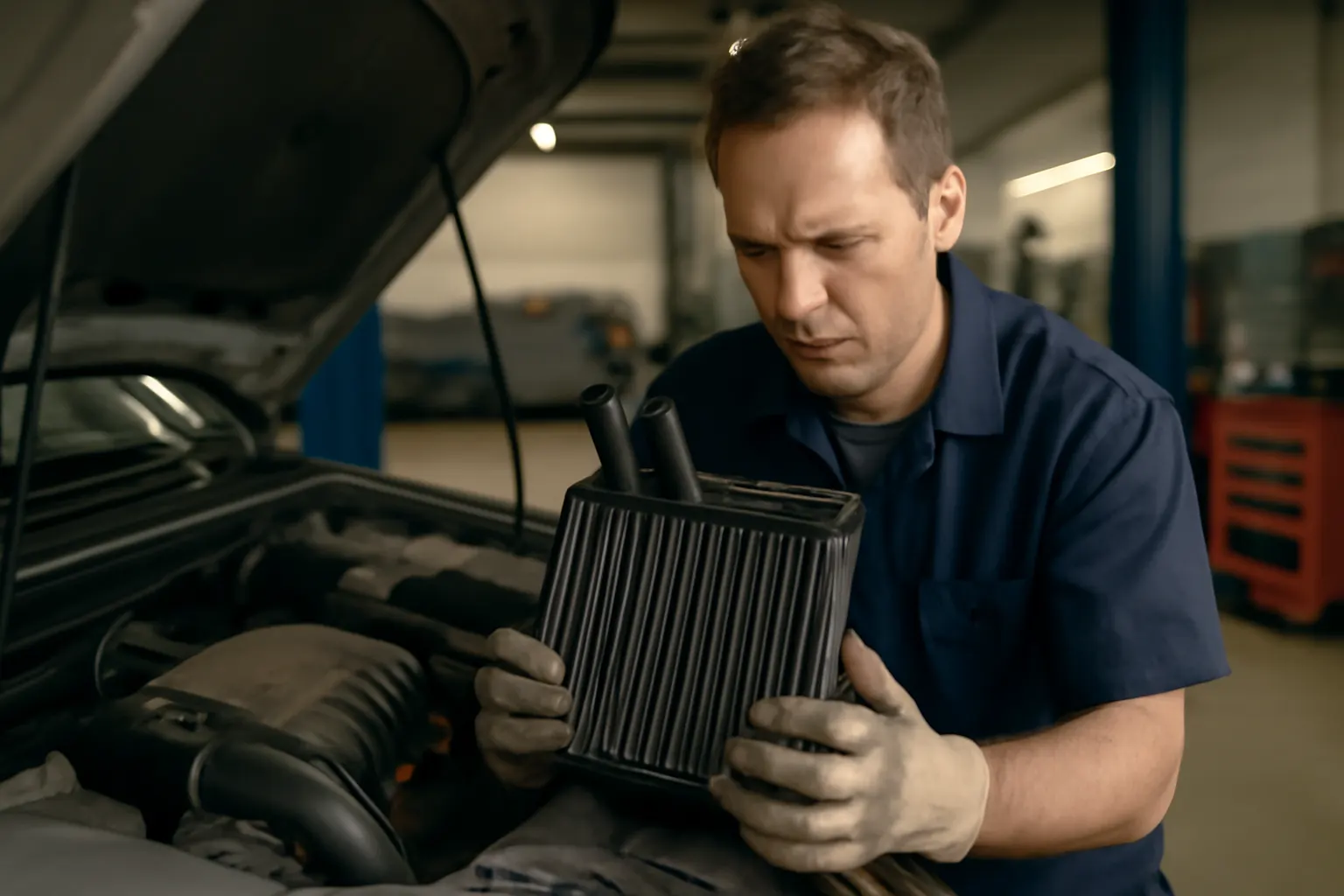
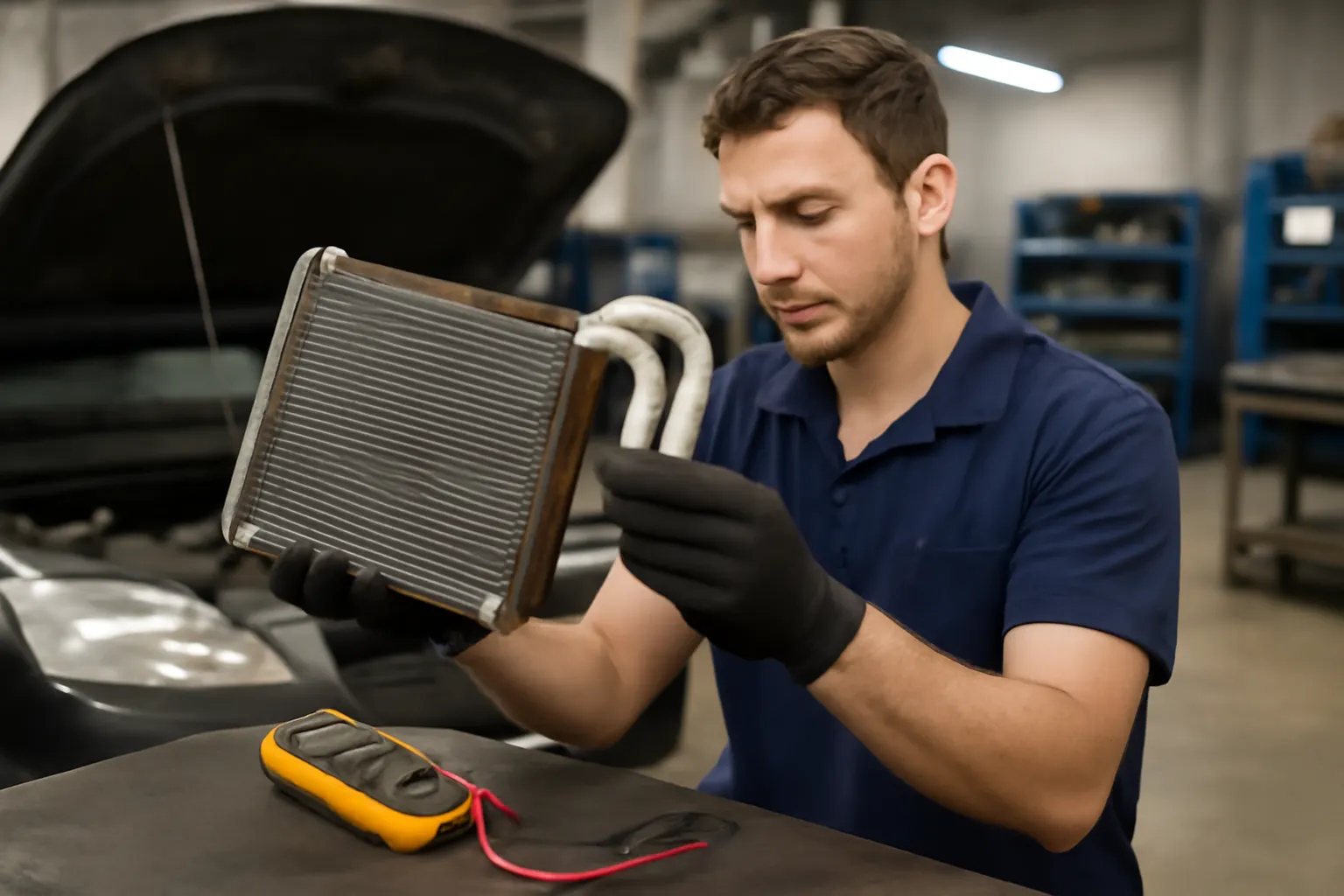
To understand why timely replacement is vital, it helps to know how the heater core functions within your vehicle’s HVAC system. The heater core is a small radiator-like device located under the dashboard. Engine coolant flows through its thin tubes, and a blower fan pushes air over the hot surface, transferring heat into the cabin.
This process is tightly integrated with the engine’s cooling circuit. Any restriction, leak, or blockage in the heater core can affect coolant flow, leading to engine overheating or insufficient cabin heating. In modern vehicles, the heater core also interacts with advanced HVAC controls and air distribution systems, meaning a failure can trigger error codes or disrupt other climate functions.
For a deeper dive into how your heating system integrates with air conditioning and airflow management, see our guide: Understanding HVAC Integration: Heater, AC, and Airflow.
The Most Common Signs of a Failing Heater Core
Spotting a failing heater core early is the key to avoiding expensive repairs and dangerous driving conditions. Here are the most reliable indicators:
1. Sweet, Fruity Odor Inside the Cabin
Ethylene glycol, the main component of most engine coolants, has a distinctive sweet smell. If you notice this odor, especially when the heater is on, suspect a coolant leak from the heater core.
2. Foggy or Oily Film on Windows
A leaking heater core can introduce coolant vapor into the cabin air, creating an oily or foggy film on the windshield and side windows. This not only reduces visibility but also signals that coolant is entering the HVAC system.
3. Wet Carpet or Coolant Puddles
Coolant dripping onto the passenger-side floor is a classic sign of heater core failure. Check for dampness or discoloration under the dashboard, especially after running the heater.
4. Loss of Heat from Vents
If the heater blows cold air even when the engine is warm, the heater core may be blocked or leaking. In some cases, partial blockage results in lukewarm air, while a complete failure leads to no heat at all.
5. Engine Overheating or Low Coolant Level
A leaking heater core can cause a gradual loss of coolant, leading to engine overheating. Always monitor your temperature gauge and coolant reservoir.
6. Gurgling or Sloshing Sounds
Air trapped in the heater core or cooling system can create unusual noises, especially when adjusting the HVAC controls or revving the engine.
Heater Core Failure Checklist
Use this checklist to confirm whether your heater core needs replacement:
| Symptom | Present? (Yes/No) |
|---|---|
| Sweet smell inside cabin | |
| Foggy/oily film on windows | |
| Wet carpet/passenger floor | |
| Loss of cabin heat | |
| Engine overheating | |
| Low coolant in reservoir | |
| Gurgling/sloshing from dash |
If you answer “Yes” to two or more symptoms, a failing heater core is likely. Immediate inspection is recommended.
The Technical Consequences of Ignoring Heater Core Issues
Delaying heater core replacement can have severe technical and financial repercussions. Here’s what can happen if heater core problems are left unresolved:
- Coolant Loss: Continuous leaking drains the cooling system, risking engine overheating, cylinder head warping, and potential engine failure.
- Interior Damage: Coolant can soak carpets, damage wiring, and corrode HVAC ducts, leading to expensive interior repairs.
- HVAC System Malfunction: Blocked heater cores restrict airflow and can strain the blower motor or damage other HVAC components.
- Reduced Fuel Efficiency: An inefficient heating system may force the engine to work harder, increasing fuel consumption (U.S. Department of Energy).
- Safety Hazards: Poor defrosting and fogged windows impair driver visibility, increasing accident risk (NHTSA).
Diagnosing a Failing Heater Core: Step-by-Step
While some heater core symptoms are obvious, a systematic diagnostic approach ensures you don’t overlook related issues. Here’s a practical step-by-step process:
1. Visual Inspection
- Check under the dashboard for dampness, discoloration, or coolant stains.
- Inspect the engine bay for coolant leaks around the firewall and hose connections.
2. Smell Test
- With the engine running and heater on, sniff the cabin air for any sweet or chemical odors.
3. Window Fog Test
- Run the defroster on a cool, humid day. Persistent fogging or oily residue signals coolant vapor in the airflow.
4. Cooling System Pressure Test
- Use a pressure tester to pressurize the cooling system. If pressure drops and you find coolant in the cabin, the heater core is leaking.
5. Temperature Differential Check
- With the engine at operating temperature, feel the heater hoses entering and exiting the firewall. A significant temperature difference may indicate a blocked or restricted heater core.
For more diagnostic strategies, see our editorial guide: Diagnosing Common Heater Assembly Failures.
Choosing the Right Replacement Heater Core
Not all heater cores are created equal. Material, size, and connection style vary by vehicle make and model. Here’s what to consider when sourcing a replacement:
- OEM vs. Aftermarket: OEM (Original Equipment Manufacturer) heater cores guarantee fit and performance but may cost more. Quality aftermarket options can offer equal reliability at a lower price.
- Material: Most modern heater cores use aluminum for its balance of weight, thermal conductivity, and corrosion resistance (U.S. Department of Energy: Materials Technologies). Brass and copper cores are found in older vehicles.
- Fitment: Always match the core’s dimensions, inlet/outlet orientation, and mounting points to your vehicle. Refer to your service manual or consult a trusted parts supplier for compatibility.
- Warranty and Standards: Choose a heater core that meets or exceeds SAE standards for automotive HVAC components.
The Heater Core Replacement Process: What to Expect
Replacing a heater core is a labor-intensive job, often requiring partial dashboard removal and careful handling of HVAC components. Here’s an overview of the typical process:
1. Disconnect Battery and Drain Coolant
Always disconnect the negative battery terminal and drain the cooling system to avoid spills and electrical hazards.
2. Remove Dashboard Panels
Accessing the heater core usually means removing glove boxes, center consoles, and lower dash panels. Some vehicles require complete dashboard removal.
3. Disconnect Heater Hoses
Heater hoses in the engine bay must be carefully detached from the firewall fittings. Be prepared for residual coolant.
4. Extract the Old Heater Core
Unbolt and slide out the heater core from its housing. Inspect surrounding ducts and wiring for coolant contamination.
5. Install the New Heater Core
Reverse the removal steps, ensuring all seals and gaskets are properly seated. Reconnect hoses and refill the cooling system with the correct coolant mix.
6. Test for Leaks and Function
Start the engine, set the heater to maximum, and check for leaks, airflow, and proper temperature. Bleed air from the cooling system as needed.
Note: Due to the complexity, many DIYers choose professional installation. However, with patience, the right tools, and a service manual, skilled enthusiasts can tackle this job at home.
Preventing Future Heater Core Failures: Maintenance Tips
A well-maintained heater core can last the life of your vehicle. Here’s how to maximize its service life:
- Flush the Cooling System Regularly: Old coolant becomes acidic and can corrode heater core tubes. Follow your manufacturer’s recommended interval for coolant flushes.
- Use the Correct Coolant: Always use coolant specified for your vehicle. Mixing different types can cause deposits and blockages.
- Inspect Hoses and Clamps: Replace brittle hoses and corroded clamps to prevent leaks and pressure spikes.
- Monitor for Early Symptoms: Don’t ignore sweet smells, fogging, or loss of heat, especially after cooling system repairs.
- Maintain HVAC Filters: A clean air box/air cleaner reduces the risk of debris entering the heater core.
For year-round care tips, visit: How to Maintain Your Vehicle’s Heating System Year-Round.
Heater Core Fitment: Ensuring the Right Part for Your Vehicle
Heater core designs can differ significantly between brands like Acura, AMC, and Alfa. Always verify:
- Year, Make, and Model: Even small changes between model years can affect fitment.
- HVAC Configuration: Vehicles with dual-zone climate control or rear seat heaters may use unique heater cores.
- Part Numbers: Cross-reference OEM part numbers with aftermarket listings for accuracy.
When in doubt, consult your vehicle’s service manual or a knowledgeable parts supplier. AutoPartEx’s extensive catalog makes it easy to find direct-fit heater cores for virtually every application.
What Happens If You Delay Heater Core Replacement?
Postponing heater core repairs can trigger a cascade of issues:
- Engine Overheating: Loss of coolant leads to rapid overheating, risking engine damage.
- Interior Mold and Odor: Coolant-soaked carpets foster mold growth and persistent odors.
- Electrical Damage: Heater core leaks can drip onto sensitive wiring and electronic modules beneath the dash.
- Failed Safety Inspections: In some states, non-functional defrosters or visible coolant leaks can cause inspection failures.
The cost of ignoring heater core issues almost always exceeds the price of timely replacement. Proactive attention protects both your vehicle and your wallet.
Professional vs. DIY: Making the Right Choice
Heater core replacement is among the more challenging DIY repairs due to the labor involved. Consider these points:
- Skill Level: If you’re comfortable with dashboard disassembly, HVAC connections, and cooling system service, DIY is possible.
- Tools Required: Expect to use a full set of hand tools, coolant pressure tester, and possibly specialty trim removal tools.
- Time Commitment: Even experienced technicians can spend 4–8 hours on this job, depending on vehicle complexity.
- Warranty Considerations: Some parts warranties require professional installation for coverage.
If you prefer to leave it to the pros, choose a reputable shop with experience in your vehicle make and model. Provide them with the correct replacement part to ensure proper fit and function.
Heater Core Replacement and Fuel Efficiency
A healthy heater core contributes to overall vehicle efficiency. When your heater core is blocked or leaking, the engine may run hotter, triggering the cooling fan more often and increasing fuel consumption (U.S. Department of Energy). Efficient cabin heating also means less idling on cold mornings, further improving fuel economy.
AutoPartEx: Your Trusted Source for Heater Assembly Solutions
At AutoPartEx, we know that a reliable, efficient heating system is essential for comfort and safety. Our platform offers:
- Comprehensive Catalog: Direct-fit heater cores and heater assembly components for all major makes and models.
- Technical Guidance: Step-by-step installation guides, fitment support, and expert advice.
- Quality Assurance: All parts meet or exceed NHTSA equipment and SAE standards.
Whether you’re a DIY enthusiast or a professional technician, AutoPartEx ensures you get the right part, the first time.
Conclusion: Don’t Wait—Act on Heater Core Warning Signs
A failing heater core is more than a comfort issue—it’s a safety and reliability concern. By recognizing the warning signs, understanding the risks, and taking prompt action, you can prevent costly repairs and keep your vehicle running smoothly through every season. Use the checklist, follow our diagnostic and replacement tips, and trust AutoPartEx for all your heater assembly needs.