How to Maintain Your Vehicle’s Heating System Year-Round
Maintaining your vehicle’s heating system is not just a winter concern—year-round attention ensures efficient cabin heating, prevents costly repairs, and supports overall vehicle safety. Whether you drive a daily commuter or a seasonal classic, consistent heater assembly care is essential. Here’s how to keep your system running at peak efficiency, with actionable steps and expert insights for every season. For more technical detail on heater assemblies, see our Heater Assembly: Complete Technical Guide for Efficient Cabin Heating.
Immediate Answer: Essential Year-Round Heater Assembly Maintenance
To maintain your vehicle’s heating system year-round, follow a structured approach:
- Perform regular coolant and heater core checks every season.
- Inspect and replace cabin air filters to ensure clean airflow.
- Test HVAC controls and blower operation for consistent performance.
- Flush the cooling system as per manufacturer guidelines.
- Monitor for leaks or corrosion in hoses, clamps, and heater core connections.
- Run the heater periodically during warmer months to keep components lubricated.
Implementing these steps maximizes heater efficiency, prevents unexpected breakdowns, and extends the lifespan of your heater assembly components.
The Hidden Problem: Why Most Drivers Neglect Heating System Maintenance
Most vehicle owners only think about the heater when the temperature drops, often ignoring the system during spring and summer. However, the heater assembly is part of your car’s broader HVAC (Heating, Ventilation, and Air Conditioning) system, operating year-round. Neglecting off-season maintenance can result in:
- Clogged heater cores from sediment buildup.
- Reduced airflow due to dirty or restricted cabin air filters.
- Corroded or leaking hoses that go unnoticed until a major failure.
- HVAC control or actuator failures that degrade both heating and cooling performance.
- Unexpected safety risks such as fogged windshields due to poor defrost function.
A proactive approach is essential to avoid these hidden pitfalls and ensure safe, comfortable driving in all seasons.
Why Heater Assembly Maintenance Is Critical Year-Round
The Interconnected Nature of HVAC Systems
Modern vehicles integrate the heater assembly with the AC and ventilation systems. Problems in one part can affect the entire HVAC operation. For instance, a partially clogged heater core can increase engine operating temperatures and reduce fuel efficiency due to inefficient heat transfer (Fuel Efficiency). Similarly, a malfunctioning blower motor impacts both heating and cooling.
Safety and Comfort Implications
A well-maintained heater assembly is vital for:
- Defrosting and defogging: Clear windows are a safety necessity, not just a comfort feature (Vehicle Safety and Equipment).
- Consistent cabin temperatures: Extreme cold or heat can distract drivers and reduce alertness.
- System reliability: Prevents mid-season breakdowns that can be both inconvenient and expensive.
Understanding the Heater Assembly: Key Components and Functions
To maintain your heater system effectively, it’s crucial to understand its main components:
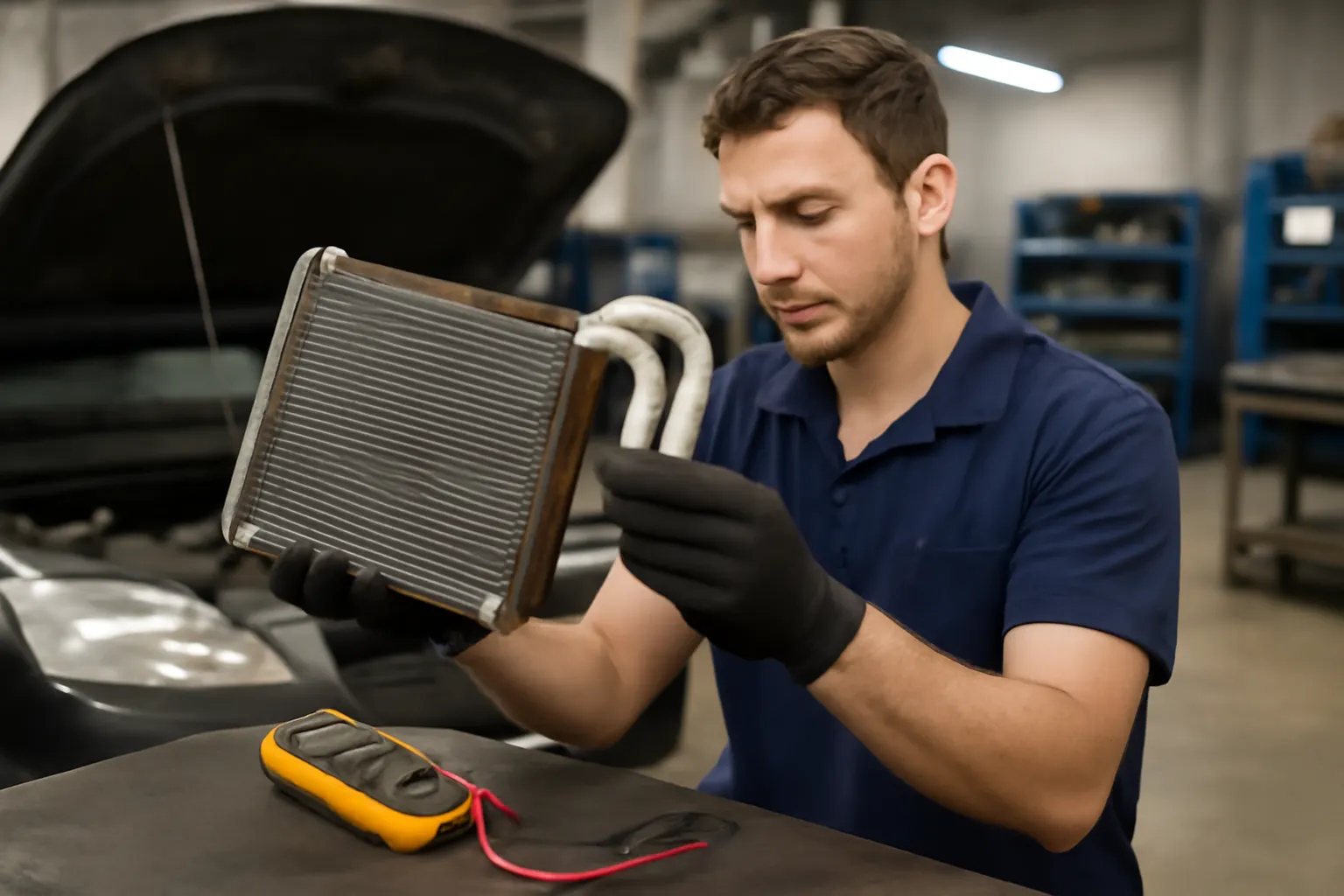
- Heater Core: A small radiator that transfers engine heat to cabin air.
- Blower Motor and Fan: Pushes air through the heater core and into the cabin.
- HVAC Controls and Actuators: Direct airflow and regulate temperature.
- Cabin Air Filter: Removes dust and debris from incoming air.
- Heater Hoses and Clamps: Carry hot coolant from the engine to the heater core.
Each part must function correctly for optimal heating, defrosting, and air quality. For more on system integration, see Understanding HVAC Integration: Heater, AC, and Airflow.
Seasonal Maintenance Checklist: What to Do and When
Staying ahead of heater assembly issues requires a seasonal approach. Use this checklist to guide your maintenance routine:
Spring
- Flush the cooling system to remove winter buildup.
- Inspect hoses and clamps for cracks or leaks.
- Test HVAC controls for full range of motion.
Summer
- Run the heater for 5–10 minutes monthly to circulate coolant and prevent component stagnation.
- Check for musty odors indicating mold or mildew in the heater core or air box.
- Verify AC and heater integration—ensure seamless switching between modes.
Fall
- Replace the cabin air filter ahead of increased use.
- Check the blower motor and fan for smooth operation.
- Inspect coolant levels and top off as needed.
Winter
- Test the defroster and heater output before cold weather sets in.
- Monitor for slow warming or poor airflow—signs of heater core or blower issues.
- Inspect for leaks under the dashboard (could indicate heater core failure).
Diagnosing Common Heater Assembly Issues
Even with regular maintenance, problems can arise. Recognizing early warning signs is crucial for timely intervention:
- Insufficient heat: May indicate air pockets in the heater core, low coolant, or a partially clogged core.
- Foggy windows: Persistent fogging suggests reduced airflow or a failing defroster.
- Coolant smell in the cabin: Points to a leaking heater core.
- No fan or intermittent airflow: Blower motor or resistor failure.
- Unusual noises: Squealing or rattling may come from the blower motor or debris in the air box.
For a deeper dive into troubleshooting, see Diagnosing Common Heater Assembly Failures.
Preventative Maintenance: Extending Heater Assembly Life
Preventative care is more cost-effective than reactive repairs. Here’s how to maximize the lifespan of your heater assembly:
Regular Coolant Changes
Old coolant can become acidic, corroding the heater core and hoses. Follow your vehicle’s recommended coolant change interval—usually every 2–5 years.
Heater Core Flushing
A periodic flush removes sediment and prevents clogging. Use a manufacturer-approved flush solution and follow proper bleeding procedures to eliminate air pockets.
Air Filter Replacement
A clean cabin air filter ensures optimal airflow and protects the heater core from debris. Replace annually or as specified in your owner’s manual.
Hose and Clamp Inspection
Check for swelling, cracks, or soft spots in heater hoses. Tighten or replace clamps as needed to prevent leaks.
The Role of Materials and Technology in Heater Assembly Longevity
Modern heater assemblies benefit from advanced materials and manufacturing techniques (Materials Technologies). Key developments include:
- Aluminum heater cores: Lighter and more corrosion-resistant than traditional copper/brass designs.
- Reinforced hoses: Improved durability and heat tolerance.
- High-efficiency blower motors: Lower power draw and longer lifespan.
Understanding these advancements helps you choose the best replacement parts and anticipate maintenance needs.
Proactive System Testing: How and Why
Routine system testing is essential for year-round reliability. Here’s a step-by-step approach:
- Start the vehicle and set HVAC controls to maximum heat.
- Check for rapid temperature increase at the cabin vents.
- Switch between modes (defrost, floor, vent) to test actuator response.
- Listen for abnormal noises from the blower motor.
- Inspect for coolant leaks under the dash or on the passenger floor.
- Monitor engine temperature gauge for overheating or abnormal readings.
Document any irregularities and address them promptly to prevent escalation.
Addressing Heater Assembly Failures: Repair or Replace?
When faced with a heater assembly issue, the decision to repair or replace depends on:
- Severity and location of the fault (e.g., pinhole leaks in the heater core often require replacement).
- Cost of parts and labor versus system age and condition.
- Availability of upgraded components (e.g., switching to aluminum cores for improved longevity).
For guidance on when replacement is necessary, see When to Replace Your Heater Core: Signs and Solutions.
Sourcing Quality Heater Assembly Parts
Not all heater assembly parts are created equal. Follow these tips for sourcing:
- Consult OEM specifications for exact fitment and material requirements.
- Prioritize reputable brands with proven reliability and NHTSA safety compliance (Vehicle Safety and Equipment).
- Check for recalls before purchase (Vehicle, Car Seat, Tire, and Equipment Recalls).
- Verify compatibility with your vehicle’s make, model, and year.
- Consider material upgrades for improved performance and lifespan.
For a full range of heater assembly components, explore our Heater Assembly: Complete Technical Guide for Efficient Cabin Heating.
DIY Heater Assembly Maintenance: Tools and Techniques
If you’re comfortable with basic automotive tasks, many heater system maintenance jobs can be DIY:
Essential Tools
- Socket and wrench set
- Screwdrivers (Phillips and flathead)
- Hose clamp pliers
- Coolant drain pan
- Funnel and coolant
- Shop towels
DIY Tasks
- Cabin air filter replacement
- Coolant level check and top-off
- Heater hose inspection and tightening
- System bleed after coolant flush
Always consult your vehicle’s service manual for component locations and torque specifications.
Professional Service: When to Call an Expert
Some heater assembly issues are best left to professionals, especially:
- Heater core replacement (often requires dashboard removal)
- Complex electrical diagnostics for blower motors and actuators
- Persistent leaks or overheating
Certified technicians have the tools and expertise to diagnose and repair advanced HVAC issues safely and efficiently.
The AutoPartEx Advantage: Expert Guidance and Quality Parts
AutoPartEx provides the technical resources, premium parts, and expert support you need for comprehensive heater assembly maintenance. Whether you’re a DIY enthusiast or a professional technician, our curated selection and detailed guides ensure you get the job done right—year-round.
Explore our Heater Assembly: Complete Technical Guide for Efficient Cabin Heating for more in-depth information, or browse related categories such as Air Box/Air Cleaner and AC Compressor for a holistic approach to HVAC maintenance.