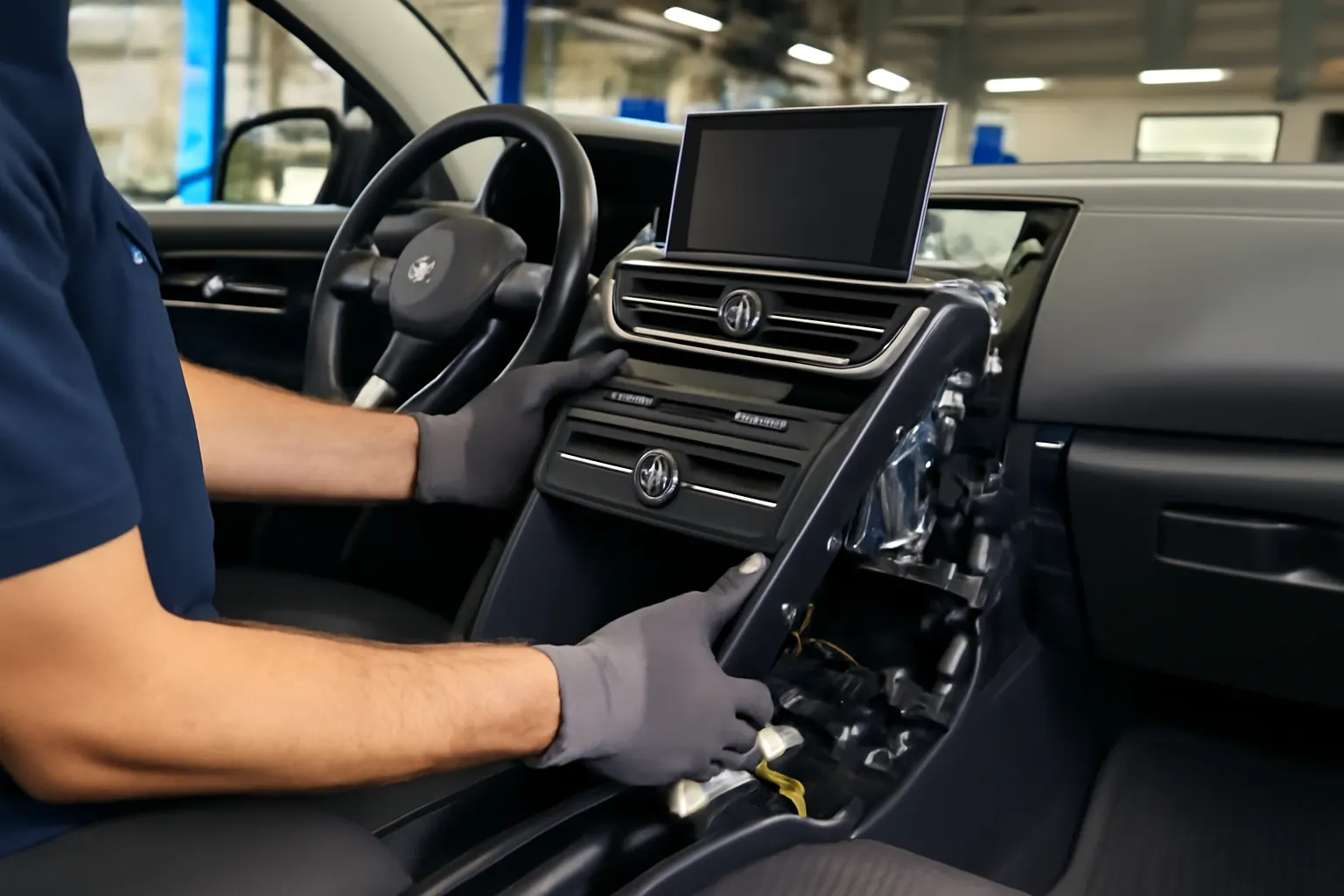
Upgrading Your Vehicle’s Front Console: What to Know
Upgrading your vehicle’s front console can transform your driving experience, improve daily comfort, and boost your car’s resale value. Whether you’re aiming for cutting-edge technology, refined aesthetics, or enhanced usability, understanding the latest trends and compatibility requirements is crucial. This comprehensive guide from AutoPartEx covers everything you need to know about front console upgrades, from wireless charging pads and ambient lighting to advanced infotainment systems—and how to ensure your new components work seamlessly with your vehicle. For additional context on the core role of these systems, see our Front Console Systems: The Nerve Center of Modern Vehicle Interiors page.
The Immediate Answer: What’s Possible in Front Console Upgrades?
Today’s aftermarket offers a dizzying array of upgrade options for your front console, including:
- Wireless charging pads for smartphones and devices
- Ambient and customizable LED lighting
- Touchscreen infotainment systems with navigation and smartphone integration
- Modular storage solutions
- Enhanced climate controls and digital HVAC interfaces
- Upgraded materials and trim for a premium feel
Most modern vehicles can accommodate at least some of these upgrades, and many kits are designed for direct fitment with minimal modification. However, success depends on selecting components compatible with your vehicle’s electrical, structural, and safety systems.
The Hidden Problem: Compatibility, Safety, and System Integration
While it’s tempting to dive into the latest front console tech, the hidden challenge lies in ensuring everything works together safely and reliably. Not all upgrades are “plug-and-play”—many require careful consideration of your vehicle’s wiring, onboard electronics, and even the physical structure of your console.
Common pitfalls include:
- Electrical incompatibility (voltage, current, or signal mismatches)
- Interference with airbag deployment zones
- Disruption of climate control or HVAC ducting
- Use of substandard materials that don’t meet OEM safety standards
- Overloading circuits, risking fuses or fire hazards
Choosing the wrong upgrade can lead to malfunctioning systems, diagnostic error codes, or even compromise your vehicle’s safety compliance (NHTSA Equipment Standards).
Deeper Dive: Why Front Console Upgrades Are Technically Complex
Electrical and Data Bus Integration
Modern vehicles rely on complex networks—CAN bus, LIN bus, and proprietary data lines—to coordinate everything from audio controls to airbag readiness. Upgrading a console often means tapping into these networks. An incompatible component can disrupt communications, leading to:
- Malfunctioning controls (e.g., HVAC, infotainment)
- Persistent warning lights
- Diagnostic trouble codes
Materials and Structural Considerations
The front console isn’t just a plastic shell—it’s an engineered assembly, often integrating crash energy management features, HVAC ducts, and mounting points for airbags and sensors. Upgrading with heavier or lower-quality materials can affect:
- Crash safety and energy absorption (DOE Materials Technologies)
- Fuel efficiency due to added weight (DOE Fuel Efficiency)
- Durability and comfort (e.g., heat resistance, wear)
Safety and Regulatory Compliance
Aftermarket console upgrades must not interfere with federally mandated safety systems. The National Highway Traffic Safety Administration (NHTSA) regulates equipment standards and recalls for a reason: improper modifications can have legal and safety consequences (NHTSA Equipment).
Identifying Your Upgrade Goals
Before shopping for upgrades, clarify what you want to achieve. Common motivations include:
- Enhanced Technology: Adding wireless charging, modern infotainment, or USB-C ports.
- Aesthetic Improvements: Upgrading materials, trim, or lighting for a luxury feel.
- Improved Functionality: More storage, better cup holders, or modular organizers.
- Increased Comfort: Advanced climate controls, heated/ventilated surfaces.
- Customization: Unique colors, ambient lighting themes, or branded accessories.
Document your goals and prioritize them. This will focus your research and help avoid unnecessary or incompatible purchases.
Assessing Your Vehicle’s Current Console: What to Check
A successful upgrade starts with a thorough assessment of your existing front console. Key steps include:
- Review Your Vehicle’s Build Sheet: Identify factory options, wiring harnesses, and electronic modules.
- Inspect for Integrated Systems: Note locations of airbags, HVAC outlets, and OEM controls.
- Measure Console Dimensions: Document clearances for new components (especially screens, chargers, or organizers).
- Check Electrical Capacity: Review fuse ratings and available power taps. Overloading circuits can be dangerous.
- Material and Finish: Note OEM materials for matching or upgrading.
If in doubt, consult your vehicle’s service manual or a reputable schematic database.
Popular Front Console Upgrade Options
Wireless Charging Pads
Wireless charging is an in-demand upgrade, allowing you to power devices without cable clutter. Look for:
- Qi-certified pads for safety and device compatibility
- Integration kits designed for your make/model
- Wiring harnesses with built-in overcurrent protection
Ambient and Customizable Lighting
LED ambient lighting kits can transform the mood of your cabin. Choose systems that:
- Offer adjustable color and brightness
- Integrate with OEM lighting controls (if possible)
- Use heat-resistant, automotive-grade wiring and connectors
Touchscreen Infotainment Systems
Upgrading to a modern touchscreen can add navigation, smartphone mirroring, and voice control. Consider:
- Screen size (fitment in your console opening)
- Compatibility with steering wheel controls and backup cameras
- Firmware updates and software support
Modular Storage and Organizational Upgrades
Console organizers, sliding trays, and modular cup holders can make daily driving more convenient. Ensure:
- They don’t interfere with shifter, e-brake, or HVAC controls
- Materials match or upgrade OEM quality (for durability and aesthetics)
Compatibility Checklist: Ensuring a Safe and Effective Upgrade
Before purchasing any front console upgrade, run through this checklist:
| Step | What to Check | Why It Matters |
|---|---|---|
| 1 | Confirm fitment for your exact year/make/model | Prevents installation headaches and safety issues |
| 2 | Verify electrical compatibility (voltage, amperage) | Avoids blown fuses and fire hazards |
| 3 | Check for airbag/HVAC interference | Maintains safety and climate control function |
| 4 | Review OEM material specs | Ensures durability and crash performance |
| 5 | Ensure compliance with NHTSA equipment regulations | Avoids legal and insurance issues |
| 6 | Consult wiring diagrams or a professional installer | Prevents data bus disruptions and error codes |
For guidance on diagnosing electrical issues before or after installation, see our editorial guide: Diagnosing Front Console Electrical Issues.
Installation Guidance: DIY or Professional?
DIY Installation
Some upgrades—like drop-in organizers or simple wireless chargers—are within reach for most DIYers. Key tips:
- Disconnect your battery before any electrical work.
- Use trim removal tools to avoid damage.
- Follow manufacturer torque specs for fasteners.
- Route wiring away from moving parts, airbags, and HVAC ducts.
Professional Installation
Complex upgrades—especially those involving infotainment systems, lighting tied to OEM controls, or anything near airbags—are best left to certified installers. They can:
- Integrate with vehicle data networks safely
- Program modules for compatibility
- Ensure compliance with federal safety standards
For step-by-step procedures, see our guide: Front Console Removal and Replacement Procedures.
Material Science: Choosing the Right Upgrade Components
The quality of materials used in your upgrade directly impacts safety, durability, and comfort. Automotive interiors are engineered with advanced polymers, composites, and metals to meet strict standards (DOE Materials Technologies). When sourcing upgrades:
- Prefer OEM or OE-spec materials for trim and touchpoints
- Avoid brittle plastics or cheap foams that degrade in sunlight or heat
- Look for fire-retardant and UV-stabilized materials
For an in-depth look at material choices in console design, visit Material Science in Automotive Interiors: The Front Console.
Diagnosing and Troubleshooting Post-Upgrade Issues
Even with careful planning, issues can arise after a front console upgrade. Common problems include:
- Non-functional controls: Check connectors, fuses, and data bus integrity.
- Error lights or codes: Use a scan tool to read trouble codes; some may relate to airbag or body control modules.
- Rattles or fitment gaps: Inspect mounting points and fastener torque.
- Intermittent charging or lighting: Verify ground points and inspect for pinched wires.
If problems persist, consult your service manual or seek professional diagnostic help.
Maintenance and Care of Upgraded Consoles
After upgrading, regular maintenance will keep your front console looking and functioning its best:
- Clean surfaces with non-abrasive, automotive-approved cleaners.
- Periodically check wiring connections for corrosion or loosening.
- Test all electrical functions monthly, including chargers and lighting.
- Inspect for signs of wear, especially on moving or high-touch components.
Well-maintained upgrades will last longer and retain their value at resale.
Sourcing Quality Parts: Where to Buy and What to Avoid
Not all upgrades are created equal. For best results:
- Buy from reputable suppliers specializing in your vehicle brand (see our Acura or AMC pages for examples).
- Avoid generic kits that claim “universal fit” unless verified for your application.
- Check for certifications (e.g., Qi for wireless chargers, SAE or DOT for lighting).
- Read reviews and look for evidence of crash or durability testing.
AutoPartEx connects you with vetted suppliers who understand the critical balance of safety, fitment, and performance.
The AutoPartEx Advantage
Upgrading your front console is a significant investment in your vehicle’s comfort, technology, and style. AutoPartEx leverages deep technical expertise and a curated supplier network to help you:
- Identify compatible, high-quality upgrade options
- Access detailed fitment and installation guides
- Navigate the complexities of modern automotive electronics and materials
- Stay compliant with safety and regulatory standards
Whether you’re upgrading a daily driver, restoring a classic, or customizing a show car, our resources streamline every step. Explore our Front Console Systems: The Nerve Center of Modern Vehicle Interiors page for more insights, or browse our manufacturer-specific parts catalogs.
Expert Action: Your Path to a Seamless Front Console Upgrade
Ready to upgrade your vehicle’s front console? Here’s your action plan:
- Define Your Upgrade Goals: Technology, aesthetics, storage, or comfort?
- Assess Your Vehicle: Inventory current features, wiring, and console structure.
- Research Compatible Kits: Use vehicle-specific guides and supplier catalogs.
- Verify Safety and Compliance: Double-check for airbag/HVAC interference and electrical compatibility.
- Choose Quality Materials: Prioritize OE-spec or better for safety and longevity.
- Plan Your Installation: Decide between DIY and professional help based on complexity.
- Test and Maintain: After installation, verify all functions and perform regular checks.
If you need help at any step, AutoPartEx’s technical team and resource library are ready to assist. Harness the latest in front console technology—safely, stylishly, and with confidence.